Crossing the border and a change of plans

I mentioned to you in the last post that I had been following Billy and Leanne on Instagram. Originally when I was looking at places to stay around the border I couldn’t find anything really useful. Because of this I had decided to stay on the French coast, then head into Spain and just get an overnight park up somewhere, before going to a previously booked campsite near Burgos.

However, Billy and Leanne had stayed at San Sebastian, a city that I had really wanted to visit, and as the weather forecast wasn’t great for the next few days I decided to head for the hills, well the mountains, cross the border a day earlier than planned, and get to the park up in San Sebastian that they had mentioned. Luckily they warned us that it was popular, being the only one in this area. After a brilliant drive on the motorway, where I could see the start of the Pyrenees, and by now having mastered the art of using tolls on my own from the wrong driver’s side 😉 a mere hour and a half later I was in Spain at the park up!
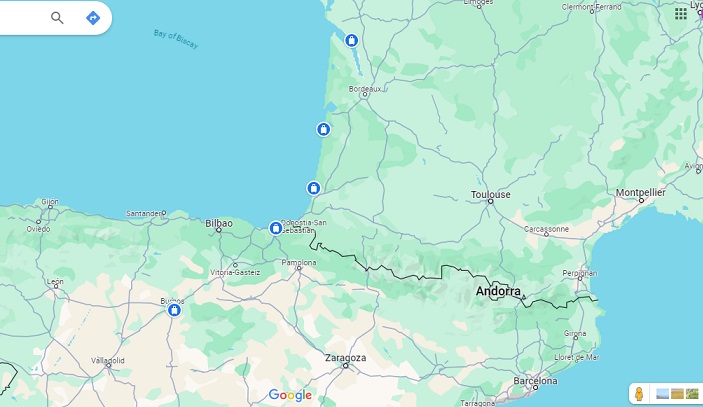
It was a good move to arrive early, as when I got there at 10.30 there were only four places left out of forty five. This is a really cheap aire, only 4 euros a night, and you can stay as long as you want so it gets very busy. It is also very near the Santander ferry, so there are lots of people using it as an overnight stop before or after their trip. I decided to stay two nights here, as there was so much that I wanted to see, and I had the time before the next stop. It was great have another two night stop, when I plan my next trip in Europe I will definitely look at driving further, and staying longer at each place, now I know I can do it.

The police also patrol the aire regularly to check that everything is ok, something which was a very nice feature of all the cheap, or free aires that I stayed in whilst in Spain. None of these places had barriers so it gives a feeling of extra security, particularly if you have an expensive motorhome. I don’t think anyone would want to steal Katy, lovely as she is, but sadly thefts of these are on the increase.

The first people I met were a couple from England, who had just come from the ferry, and I was able to help them and a couple of others with the slightly complex, multilingual payment machine. It was nice to pay back for all the help I have had with barriers and make good use of my Spanish! The aire has water and waste disposal and there are lots of bars and restaurants nearby. It is basically a car park at the back of the University campus, and is 20 minutes walk from the city centre.

In the van next to me on the left in the above photo were a really friendly Irish couple who insisted on giving me some of the stew they had made for tea. Van life people are so kind, and although the places were the focus for the trip, the people I met really made it great.

A lot of people have told me I’m very brave to travel on my own, especially in Europe, but what I have found is that being a solo traveller isn’t lonely. I talk to people every day, and I actually think that people are more likely to speak to you if you are on your own. There is always a chat with others about where you are going, and good tips of places to see or stay, so I never felt isolated, even though I was on the road for four months in total.

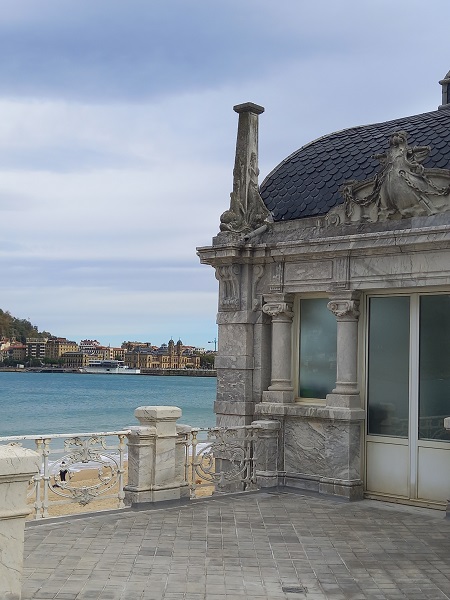
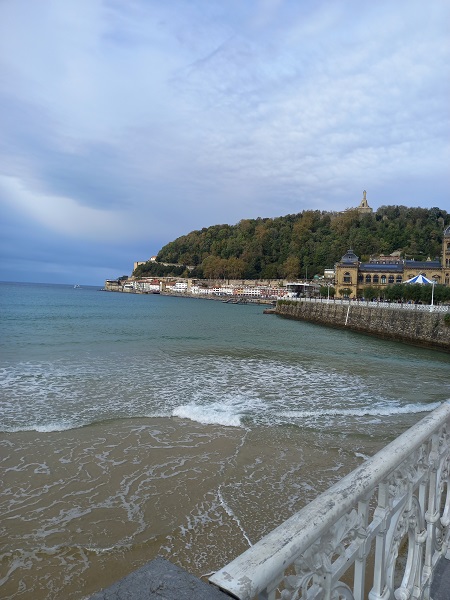
I spent most of the first day just walking to and from the city centre, along the splendid promenade. My Mum came to San Sebastian as a teenager with her family, and came back with my aunt a few years ago. She had always talked about how beautiful it was and it was brilliant to see some more of a very different part of Spain. I really enjoyed my trip to Galicia last June, and would love to come back to this region of Spain.

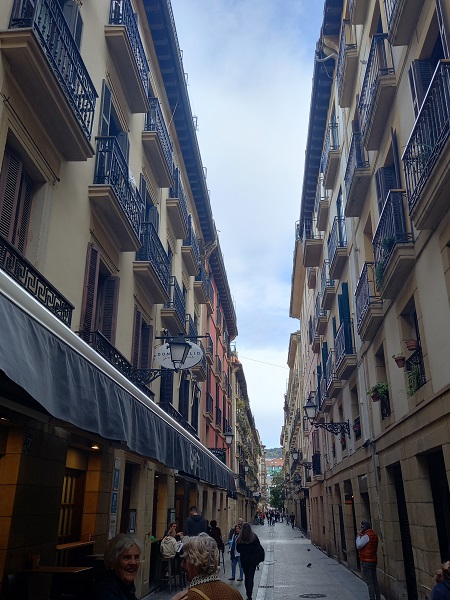
Not only the natural landscape, with the curving bay, the small islands and surrounding hills are stunning, but also the architecture in the city centre. I love these grand Spanish buildings with their balconies and ornamentation. And always such gorgeous streetlamps!
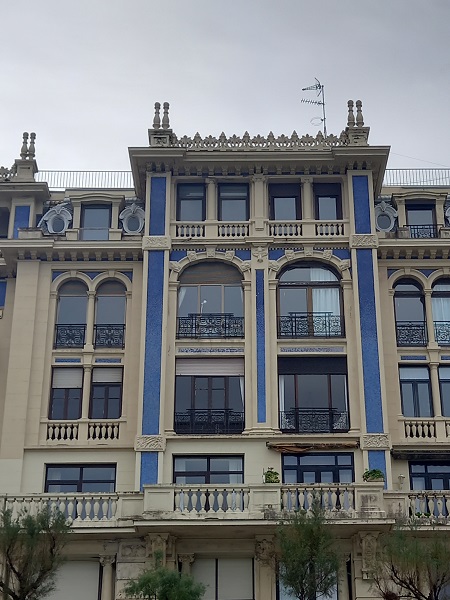
The old town was brilliant, full of little bars and gift shops so I had a happy wander there for a while, and my first tapas for months in a busy little bar, which was delicious. I was particularly fascinated by the signs everywhere. The Basque language is very different to the standard Spanish that I’ve been learning, so much so that I couldn’t understand any of it.
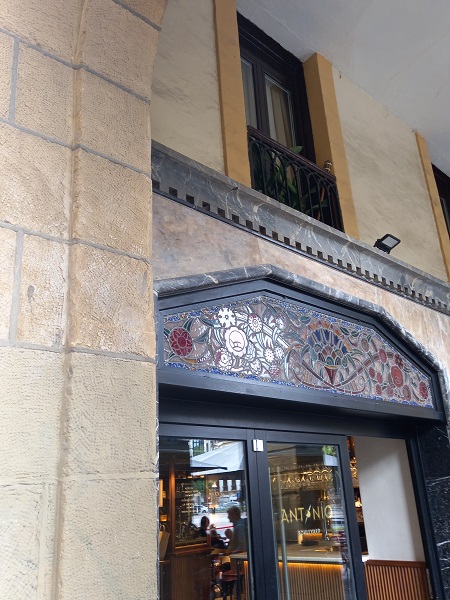
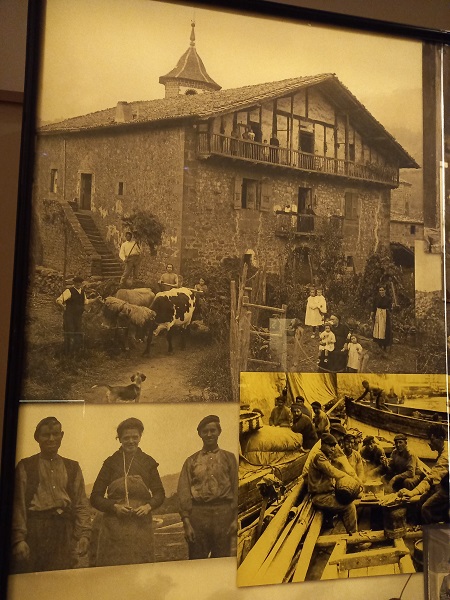
San Sebastian is part of the Basque area of Spain, and there have been many attempts to make it a separate country. It is an autonomous community at present. I remember hearing about these conflicts as a teenager, but there has been a ceasefire since 2011. Basque culture still remains very different to that of the rest of Spain, and, like Galicia, it does feel very different from where I live. It was really interesting to go from France to Spain in a day by road and see the change as you crossed the border, not just little things like speed limits, but architecture and the general feel of the area.

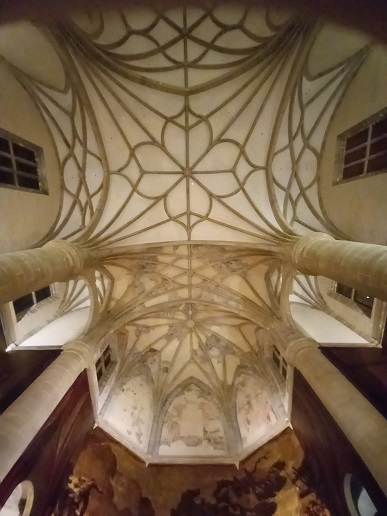
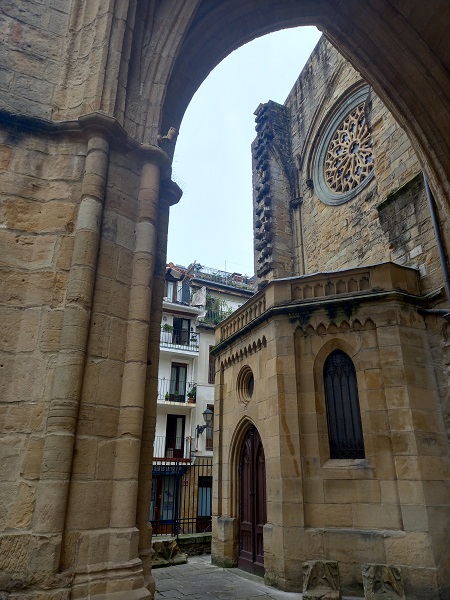
I visited the ethnographic museum on the second day, it is housed in a former monastery, so there were some great cloisters and the original church had been kept as it was, but used as a gallery.
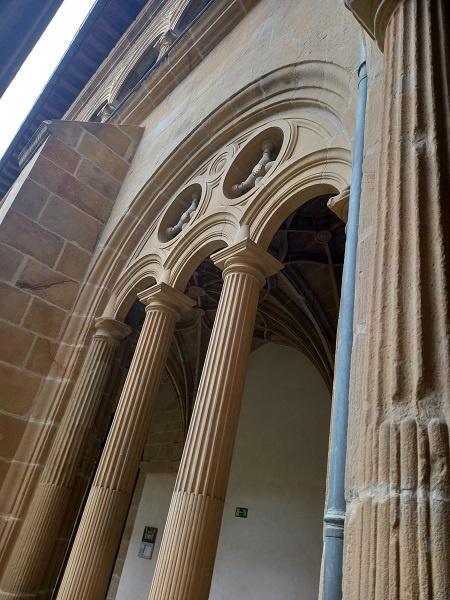
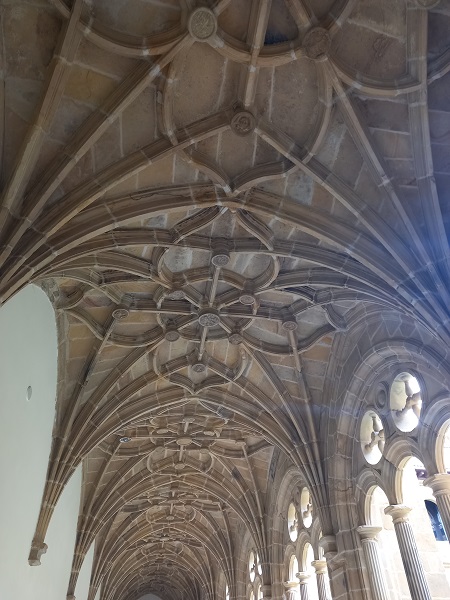
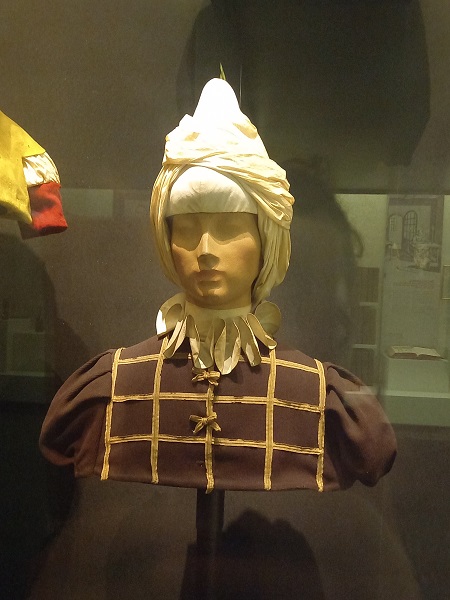
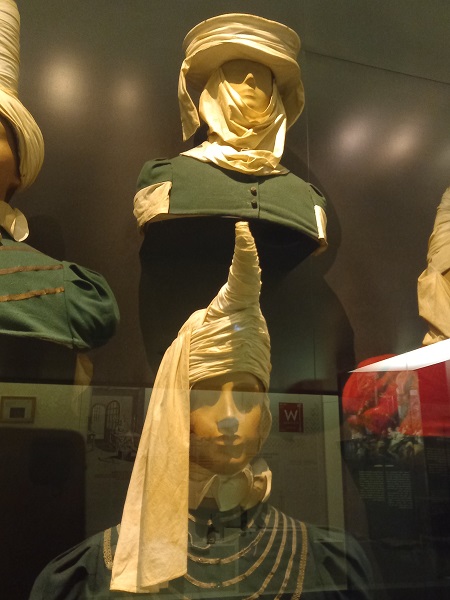
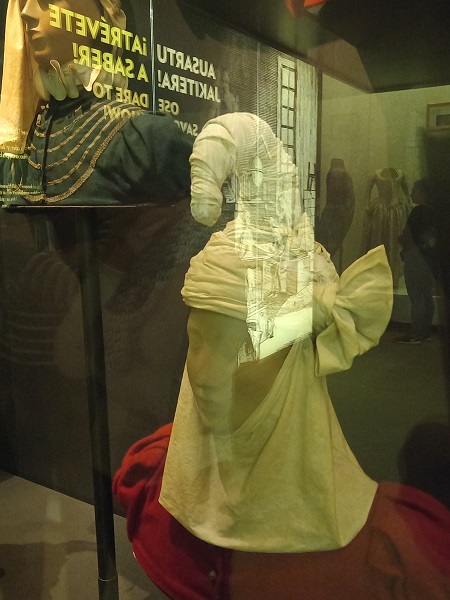
There were some fascinating displays of traditional Basque headwear. As far as I could make out, most of these were just made of twisted linen. There is more information, and some modern recreations at this blog post.

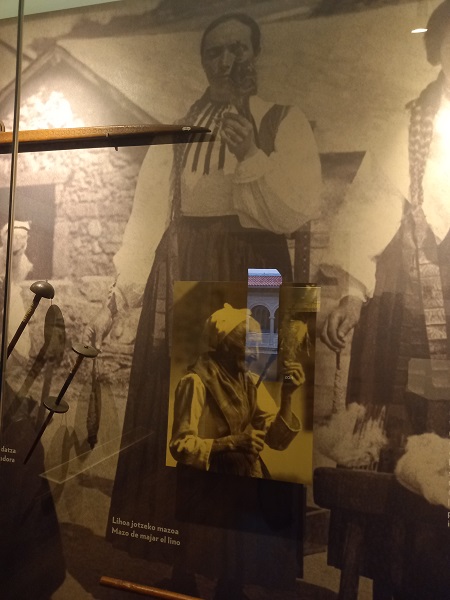
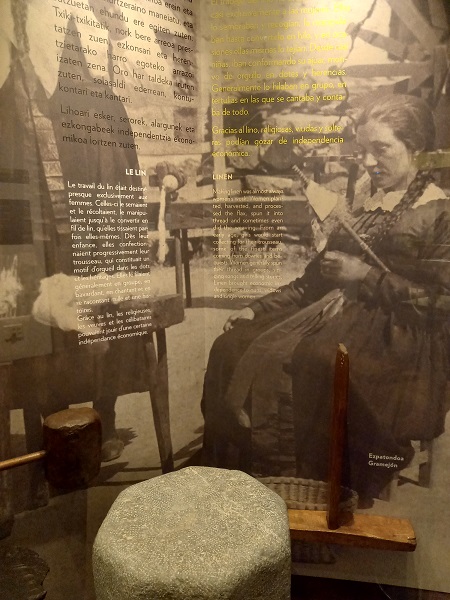
The other thing I really liked was the textiles section. As well as displays of embroidery, and tools, there were some really fascinating photos of the women who spun linen, and the way they lived. I loved this, and think it brings these skills to life so much better than just having a case full of spindles. It gives acknowledgement to the hard work, and the skill of these women, something you know that I am passionate about.

Of course there were some church visits as well, it wouldn’t be me without a few very ornate churches, with their incredible altar pieces. I have lots more very wonderful ecclesiastical art coming in the next few posts as well. The rest of locations in Spain were very much about city visits with amazing cathedrals and castles so come back soon for those.

I really loved San Sebastian, it is probably a place that many people don’t stop at, as there are so many other wonderful places along that coast, but if you are there, do stay, just make sure if you want a space in the aire to get there early!

I have been doing lots of writing and knitting while I am here at Ellen’s, and really enjoying myself just relaxing. I am also spending time planning the next few months of adventures, which start again in just over a week! I am going to attempt to catch up with all the blog posts about the European trip before then. I can then hopefully start sharing my adventures from a very different place! I will have my laptop with me there, and wifi, as I am staying in hotels and apartments, so blogging will be a lot easier than from the road.

I will be back in a few days with the second Spanish city of my trip, until then have fun, take care, stay safe and thanks for visiting.

I do love a good social history museum!

Although I spend a large amount of my time visiting historic houses, full of very grand furniture and amazing portraiture, I equally love museums that capture ordinary life. I feel that it is a vital part of what museums are there for, not only ordinary life 500 years ago, but also 50 years ago. This vital role means that the visitors can connect with what they say, older people like me recalling childhood experiences, and younger ones appreciating how much life has changed.

I had been really looking forward to visiting Norwich, some years ago I went to a fantastic conference at Leeds University, full of presentations about medieval life, several of which were about places in Norwich. This was in 2019, before the world stopped for so long, and I have been meaning to visit ever since. When I met up with Jules at Sheringham, the van lifer who I first met in the Peak District last year, who has an identical van to mine, she had some great tips for me as well.

The first day I went to the castle museum. Most of this is a traditional museum with lots of glass cases full of stuffed animals, and archaeological finds, although they also had some themed galleries. It was amazing to see the finds from the Snettisham Hoard. To think that they were made about 2000 thousand years ago is incredible, and the craftsmanship is beautiful.

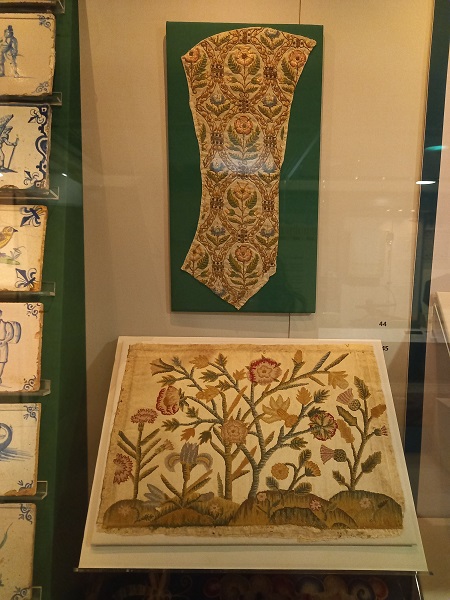
The museum also had some good decorative arts galleries with textile treasures in. I particularly love this Tudor embroidered sleeve.

There were several samplers, and this one was unusual, as it is a darning stitches sampler. Most are representing a variety of stitches but this is the first darning one I have seen.

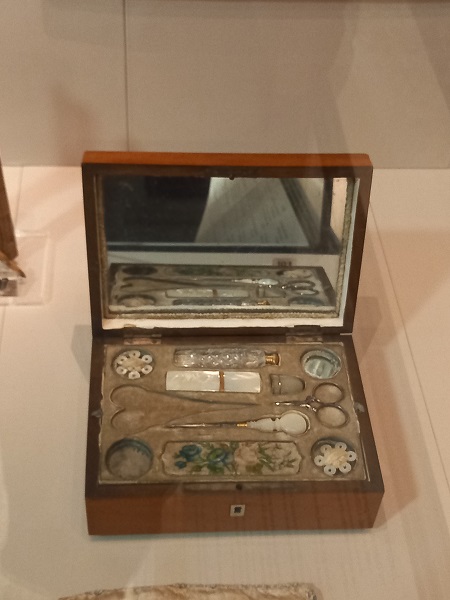
There were some great needlework tools on display, including this beautiful case with mother of pearl thread winders. I love to think of the owner sitting stitching using this and wonder where the other pieces ended up. The knitting needle holders were also really interesting, they are designed to be attached to a belt.

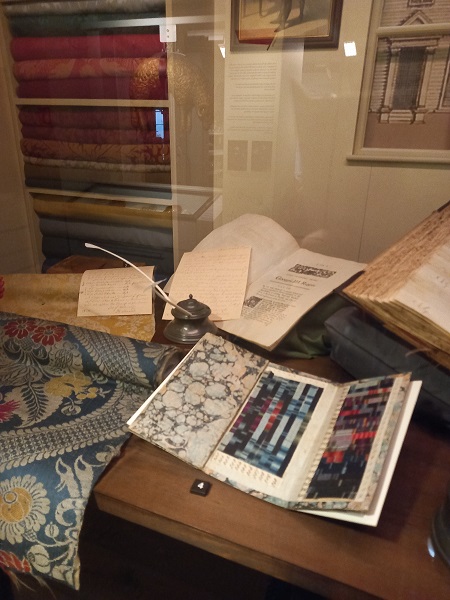
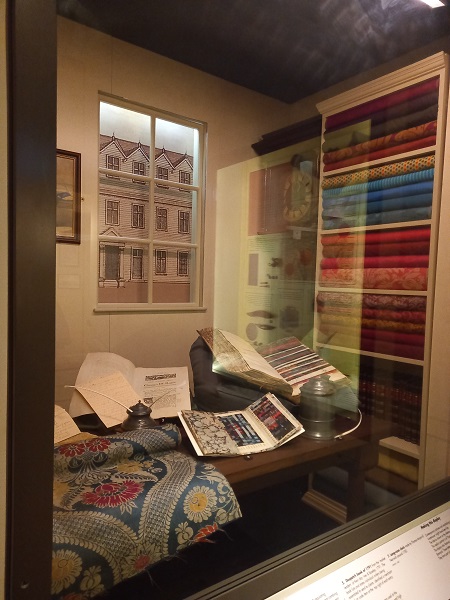
The second museum was the excellent Museum of Norwich, housed in the centre of the city in the Bridewell, a building which has had many uses including workhouse and prison. What I particularly loved about this museum was the themed rooms and the displays. This one below shows a fabric shop from the late 1700s. The original sample books are in the display room, and outside there is a reproduction one , (last photo), that you can study in depth. Absolutely fascinating for a textile nerd like me!

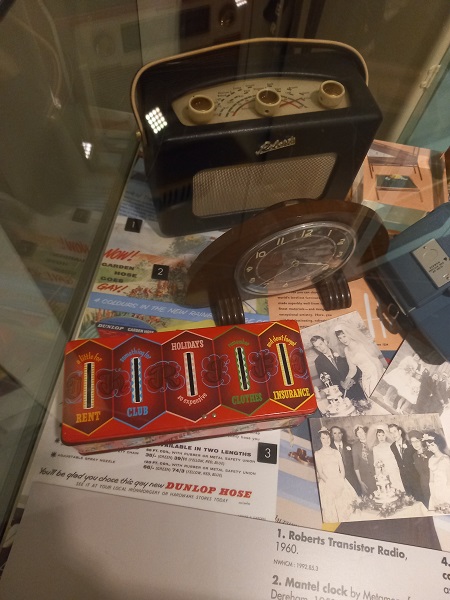
They also had some dressmakers and haberdashery shops set up. The bottom right picture shows the, ‘change card’, from a local department store, that was given in the form of safety pins, rather than coins. An interesting take on the phrase, ‘pin money’.

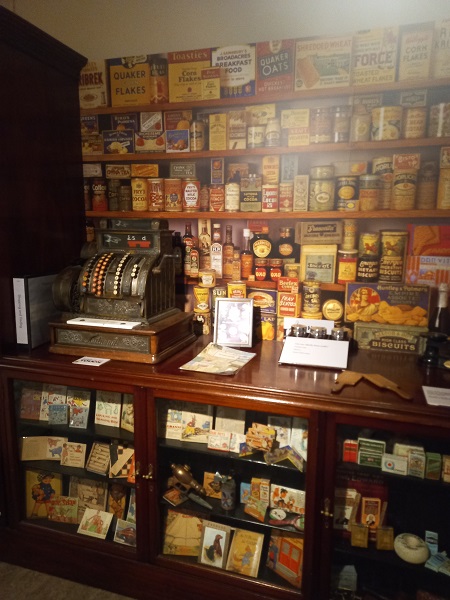
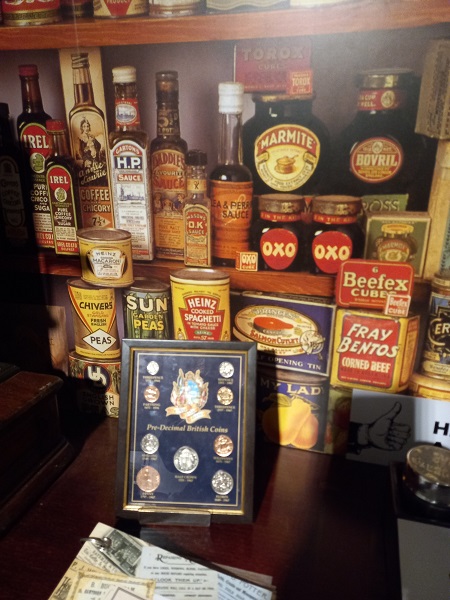
The grocery shop was fascinating, not least to see how much, or how little the packaging had changed for things. They also had a display of pre-decimalisation coins, which I remember very well from my childhood. I used to get sixpence a week pocket money, thruppence to spend on sweets and the rest to save for my annual seaside holiday.

They also had a whole pharmacy set up. This collection was made by a practising pharmacist, John Newstead, over a number of years, as he wanted to preserve the wonderful things such as the jars and drawer labels as shops were modernised from the 1960s. It is accompanied by a really interesting video about how pharmacists would make medicine for people pre the NHS. It is interesting to reflect that pharmacies now have a much wider role, more like they did originally, in healthcare, rather than just dispensing medicine.

The final section had some great reminders of childhood for me. I used to help my Mum mince meat using a Spong mincer like the one on the right in this first photo, and remember my family allocating money for each aspect of savings, I am not sure we had a tin like this but I’m sure we had something. This must be fascinating for the school children that visit who possibly rarely see cash being used in this way anymore.

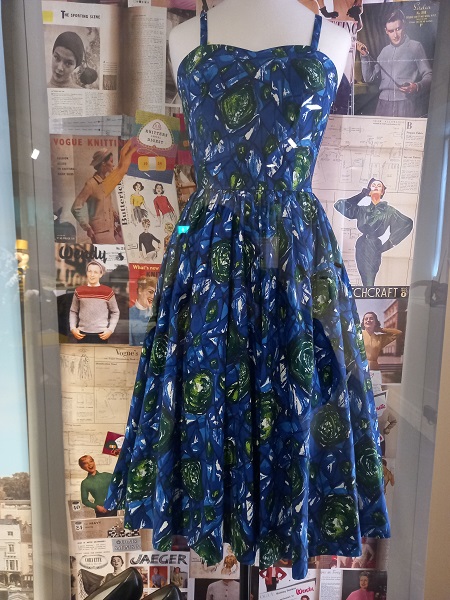
There was also a lovely display of sewing related items, I particularly liked the embroidery set in the first case. So many great gifts for future home makers 😉 and a very good summary of what interests were meant to be for girls in the 1950s and 60s.

My third museum was Strangers’ Hall, so named as many refugees lived in the area at one time. This building dates from the 1320s and is now the museum of domestic life. Each of the rooms has a different historical era, and as expected a wealth of wonderful textiles.

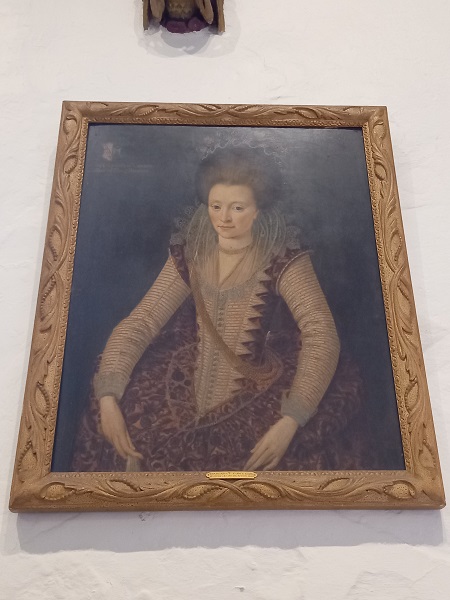
The first part of the house is the Great Hall, with some gorgeous costume portraits.

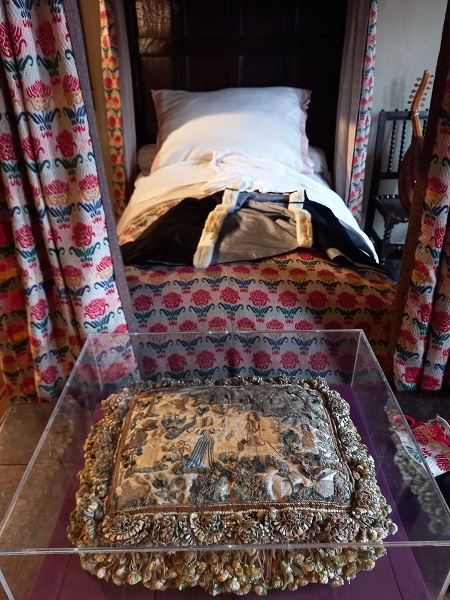
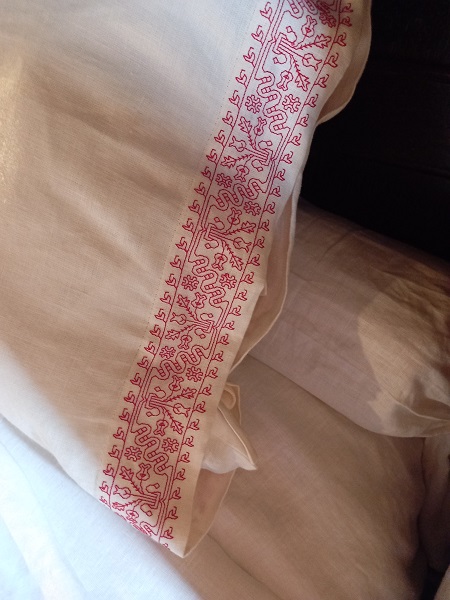
I was particularly impressed with the level of care taken in the interpretation and reproduction of the textile displays, as in this 17th century bedroom, where reproduction bed hangings and a redwork pillowcase complement the historic pieces.

I had a very interesting talk with the head curator at the end of my visit, and she showed me the detailed files of research they have on everything they do. I think what makes this museum so fascinating is that as you move through the different rooms you get a real sense of how people lived in them. The contrast between the dark wood and table carpets of the Jacobean era, and the Georgian decor is really evident.

It reminds me of when IKEA stores first opened in the UK and we were all encouraged to ,’chuck out our chintz’, and go for the very simple clean lines of Scandi style. I did have a house that was almost completely furnished by IKEA at one point, before I went back to my love of colour and lots of different textures.

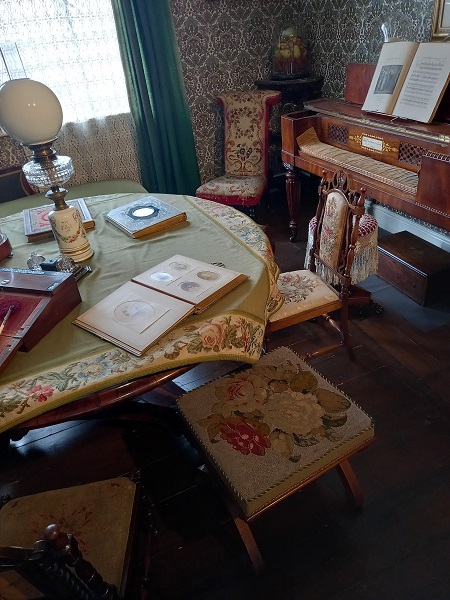
My favourite room was the Victorian parlour, partly because of the sheer amount of needlepoint in there 🙂 So many wonderful pieces all crammed together. I particularly loved the embroidered book covers. I can just imagine groups of stitchers sitting around a table like this, sharing needlepoint patterns and deciding on their next projects.

I appreciate why some things have to be kept in glass cases, it must be a conservation nightmare to cope with all the dust in these rooms, but it so nice to see things in situ and get a sense of people’s lives with these objects. As proved in my previous post, there is no guarantee that the glass case is going to be safe from things like pesky wasps anyway!

I stayed at the Norwich Caravan and Camping Club site, partly chosen as it was within walking distance of a bus stop into the city. By coincidence, as I drove into the site, I spotted another almost identical van to mine, and the owner Terri, came to say hello the next day and gave me a quick tour of her van. She has a modified boot jump and uses curtains so it was very interesting to see her set up. Her van is on the right below.

I am starting to finalise my plans for next year’s travel. I am leaving Spain in 5 weeks, and am going to be doing a combination of UK visiting friends and family and warmer weather destinations. One of the things that I have just booked though is a ticket for another van life show, next September. I couldn’t make it this year, but am really looking forward to meeting many more micro camper owners and sharing designs and stories. I have had such an amazing year of travel, and meeting lots of different people in all types of vans, tents and caravans. It has been brilliant, everything I dreamed of for my retirement. I am so lucky to be able to have this life.

I have also made a list of all of the blog posts I am going to do about the summer’s adventures and there are another 19 to go. That should take me nicely up to when my adventures start again! Thanks to everyone who follows me, likes, and comments, it is very, very much appreciated.

Although I have missed the date, (again!), I have just had my 16th blogaversay. It is appropriate that my very first post, as to be expected from the 2nd Dec 2007 was about Christmas ornaments, as that is what I am going to be stitching this afternoon, before going on a coach trip to see the Christmas lights in Alicante. I now have around 1700 visitors every month and 437 subscribers! This is my 938th post, so we will have to have a big celebration when I get to 1000 sometime next year.

Meanwhile I hope that you are all well and enjoying life, whatever you are doing have fun, take care, stay safe, and thanks a million for visiting!

Unexpected textiles treasures in Upton

I have just come back from my second music festival of the summer. I went to the Upton Blues Festival last weekend. I then had a couple of nights at a campsite near Malvern before joining my sister, and some other friends from one of my Facebook campervan groups, at App Fest near Tewkesbury.

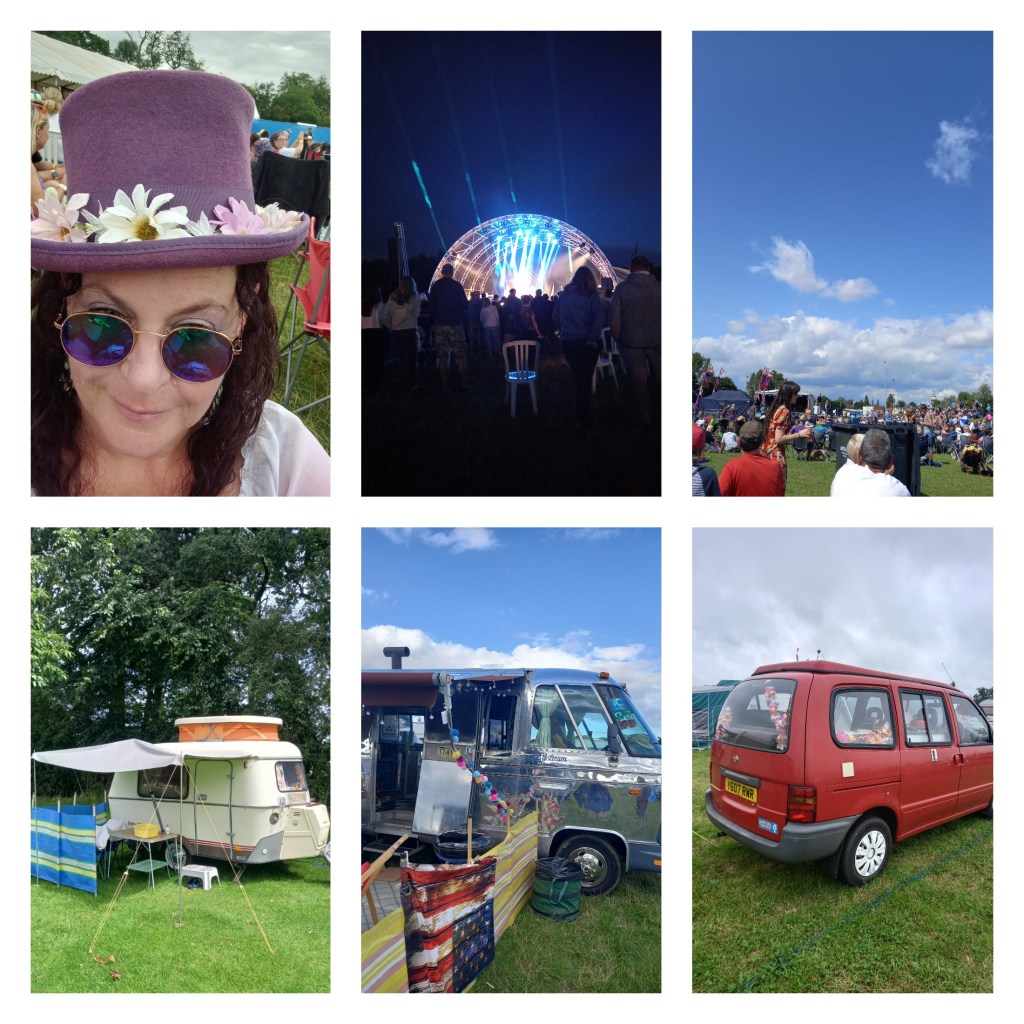
The Upton Festival is a free one which takes place all around the town, similar to the Jazz Festival in Marsden. You just pay for camping and the field accommodates 7,000 campers. Katy is in there somewhere!

Both festivals were really good and there was much dancing. We were also pretty lucky with the weather as the summer has been very mixed here. I have also made new friends and seen lots more lovely vans.

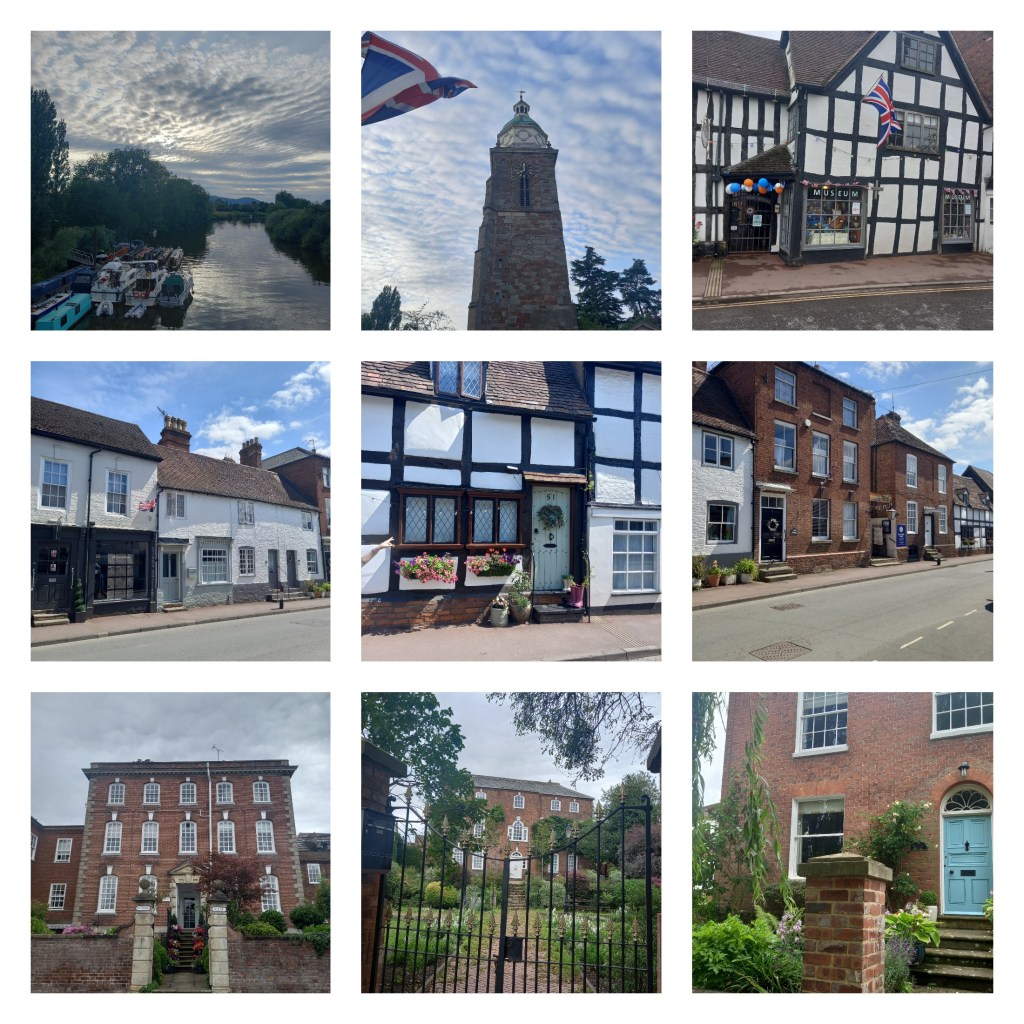
Upton on Severn is a beautiful little town on the river. I visited Stourport on Severn in March and this is not far away.

There are the lovely black and white timbered buildings that this area is famous for and lots of Georgian splendour as well. The area developed through river trade and was an important trade centre in those days.There are still barges on the river today.

As it was a bit damp on Saturday I went and visited the small Tudor House Museum and I am so glad I did. This is a treasure trove of a museum, run by volunteers and has a very mixed collection, all donated by local people. It thus reflects the history of the town, but also their particular interests.

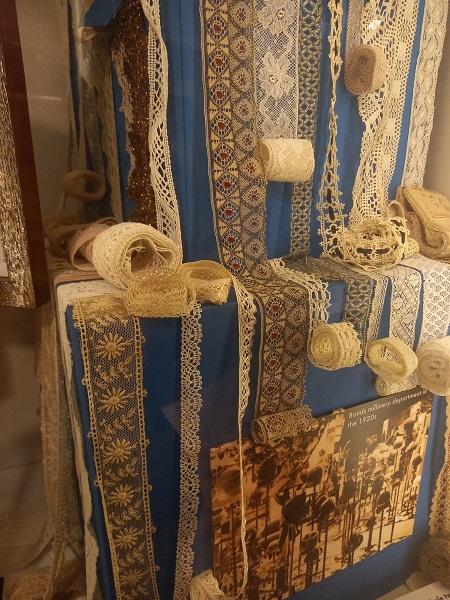
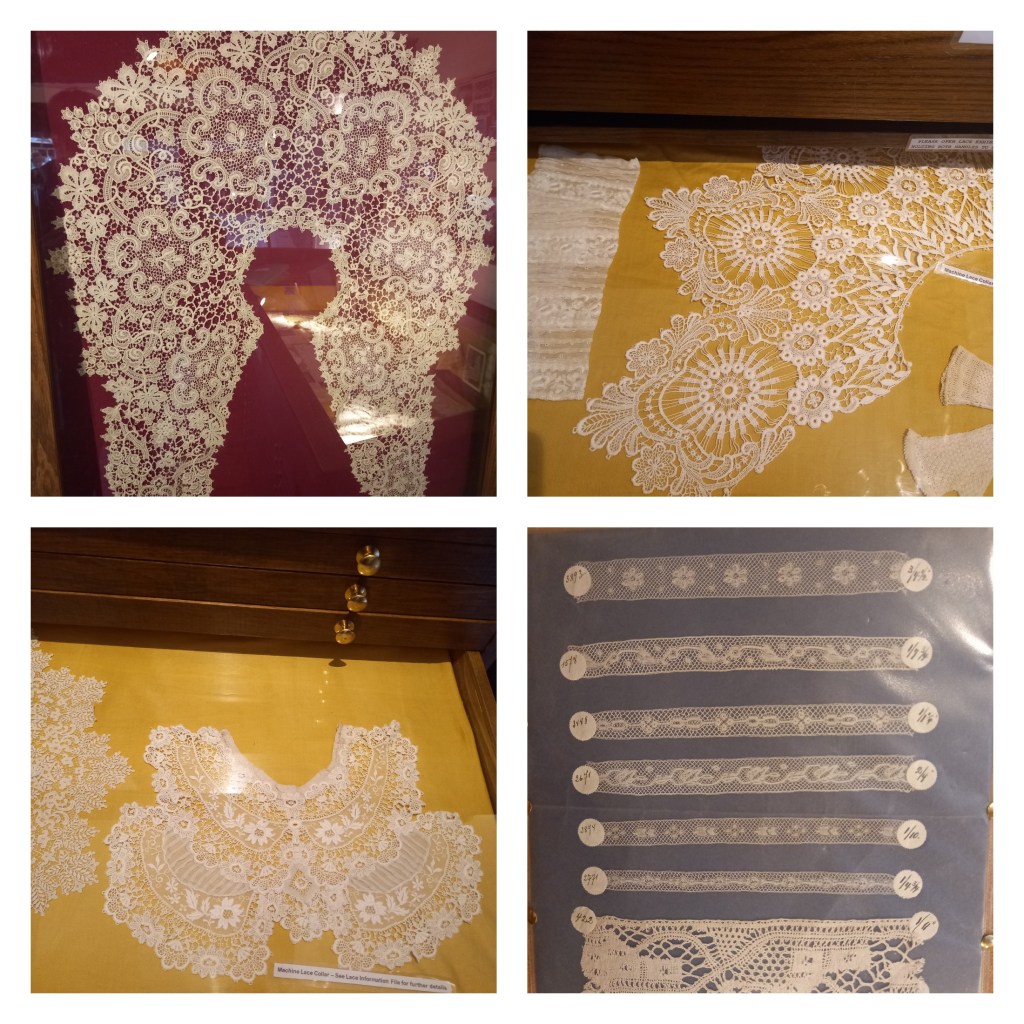
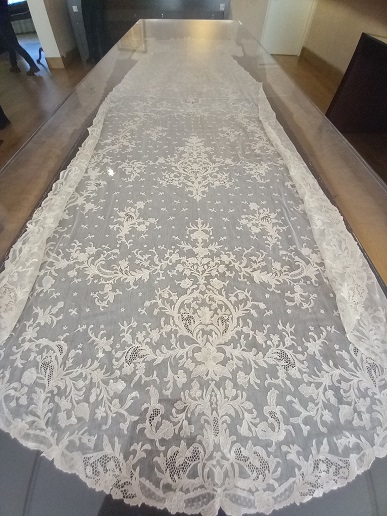
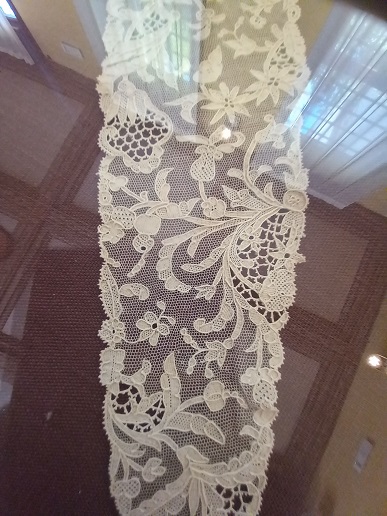
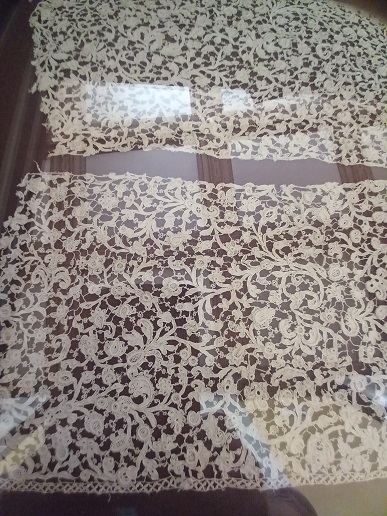
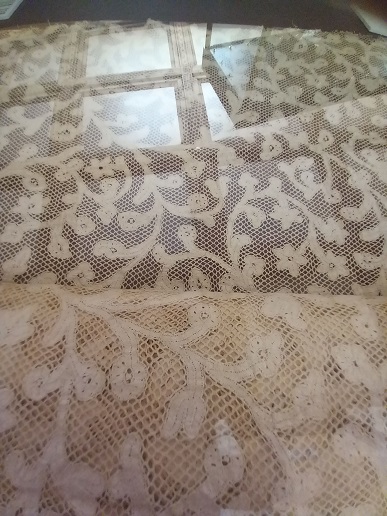
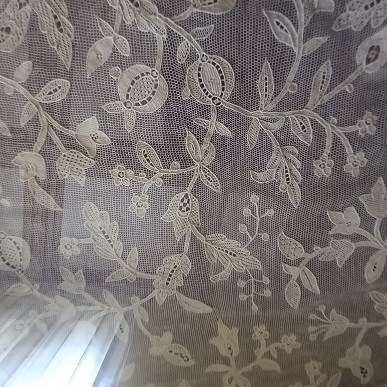
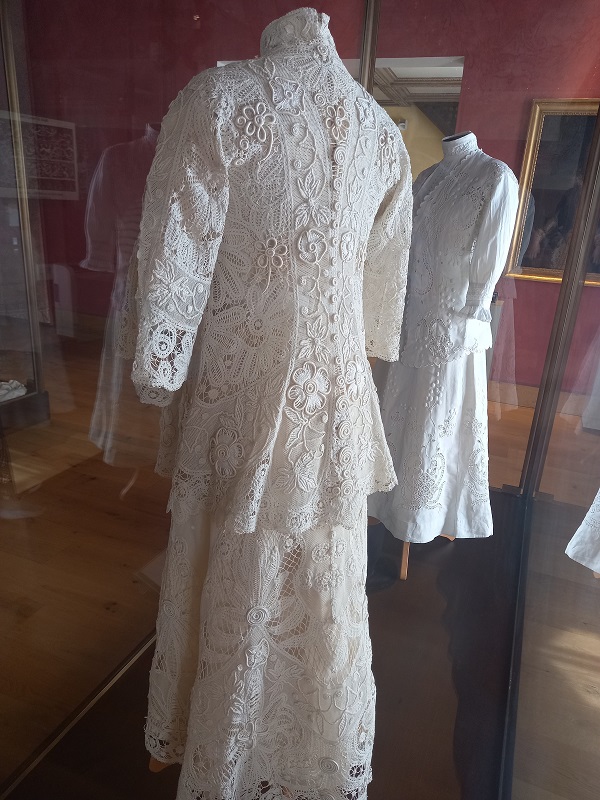
The most fascinating for me was a large lace collection, donated by a local collector. Nothing is know of its provenance but there was a wealth of machine made Stefi lace. This is made by machining on a background fabric, which is then chemically dissolved, as you would with some types of embroidery.

Such beautiful collars here. I had not heard of this type of lace before but it was very popular in the late 1800s.

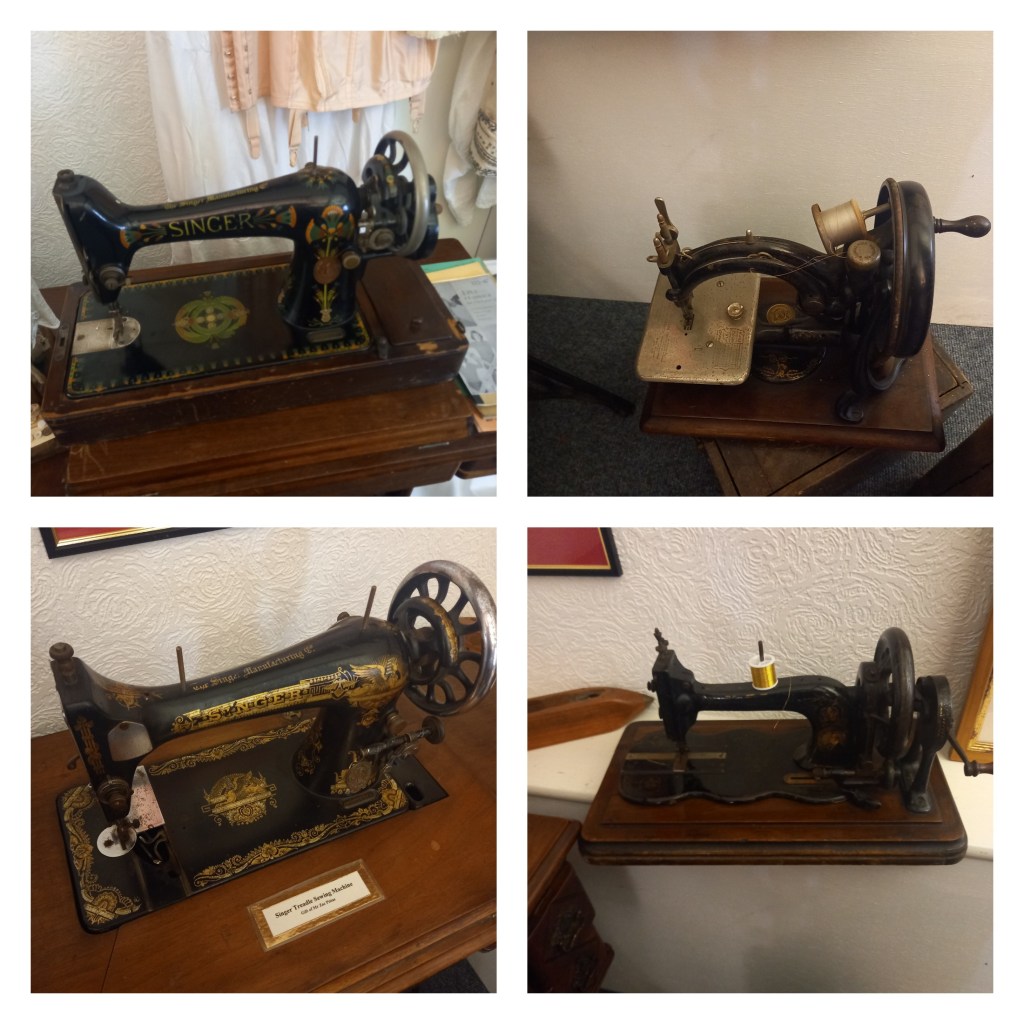
There was also a recreation of a local tailor’s shop, this was full of the tools of the trade from its heyday. I love to see this type of social history preserved and it is all the more special for being of local origin.

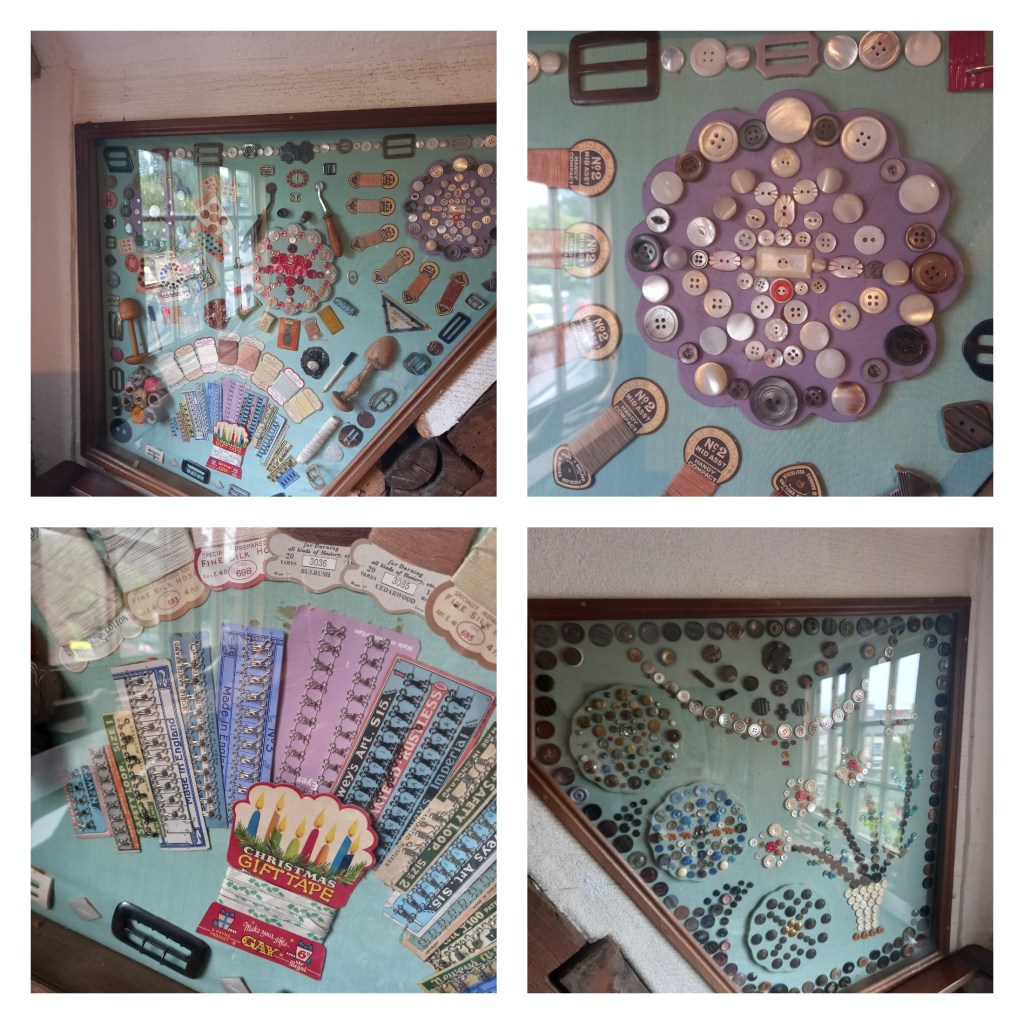
There were some very creative displays of buttons and Haberdashery.

A wonderful museum and well with visiting if you are ever in this area. The volunteers who run it are so lovely as well and there are lots of other shops in Upton worth a visit as well.

I am on the way to the Evesham Re-enactment event, but wanted to come to Hereford to see some more Trust properties and visit more of the cute Tudor villages in the area. The forecast is mixed for the rest of the week so it may be mainly indoor visits, however I am sure I will find some lovely things to show you.

I hope you are not suffering from excessive heat, or too much rain, or any other extreme weather. It has been useful for me to try life on Katy in worse weather, as much of last year was a heat wave or very nice and sunny.

I am pleased to report that things are still working well. I will have been on the road for a month at the weekend. I still love it, on rainy days I just sit under the new lap quilt and read. I seem to have magically acquired a lot of new books, no idea how that happened 😳 🤔

I will return next week as I am cat sitting at Jacky’s. I also need to give Katy a good clean as she has been in a lot of muddy fields and she is going to be in the show field at the next festival in two weeks time.

Until then have fun, take care, stay safe and thanks for visiting.
Lesser known Venice, and floor to ceiling awe

As I mentioned in my previous posts we were able to see lots of things that people maybe miss in Venice, including some of the lesser known museums.

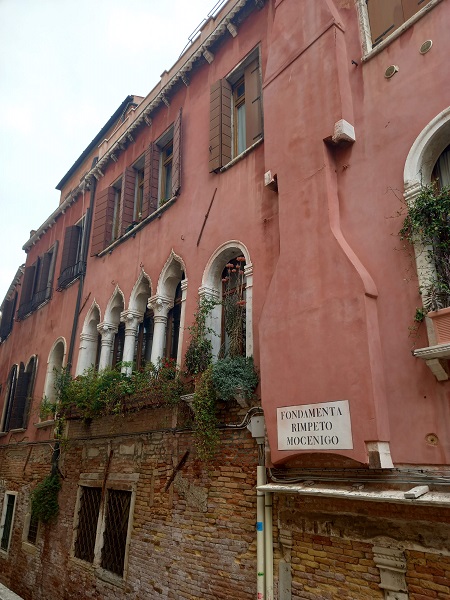
Our museum pass included the gorgeous Palazzo Mocenigo, which houses The Study Centre for the History of Textiles, as you can imagine a prime location for me! The palace itself was beautiful with some wonderful paintings of scenes from Venetian life with such a focus on costume.

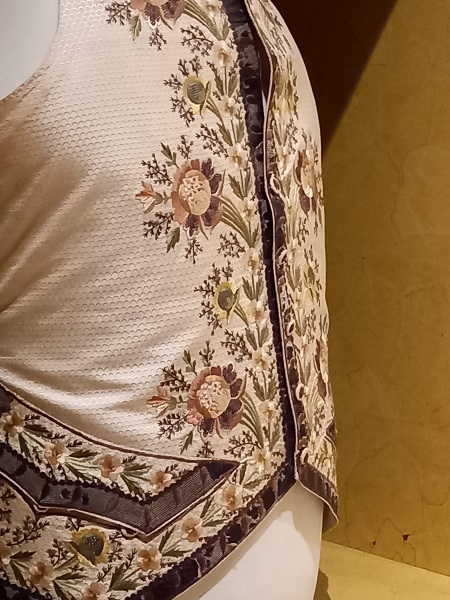
However, the most amazing thing was the small room with 18th century embroidered waistcoats. We just came round a corner to see all of this splendour!

These are just incredible, especially when you consider the hours that each must have taken to embroider.

They also had a small display of kimonos, proving again that culture spreads so rapidly through fashion. These were in a section about casual wear around the house.

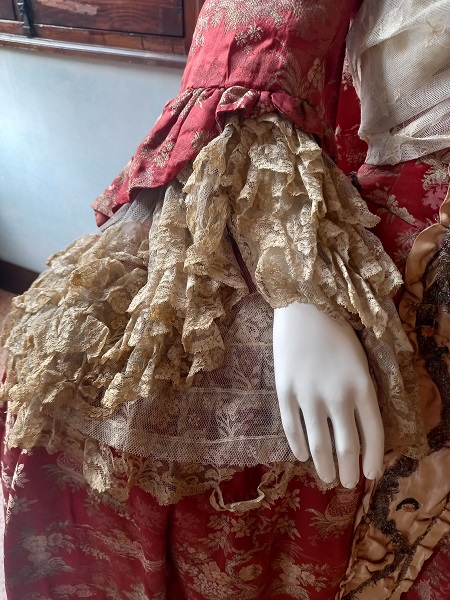
We also visited Casa Goldoni, which is the house of one of the most famous 19th century playwrights, Carlo Goldoni. This was a small museum but very interesting, including this sack back dress, particularly the lace on the dress which referenced back to our previous museum visit at Burano. Goldoni wrote about fashion in some of his plays which makes him a great source for textile historians and he was referenced in the Burano Lace Museum’s interpretation.

It was also great to see inside what is a fairly typical Venetian house with its internal ground floor courtyard and stairs leading to the living area.

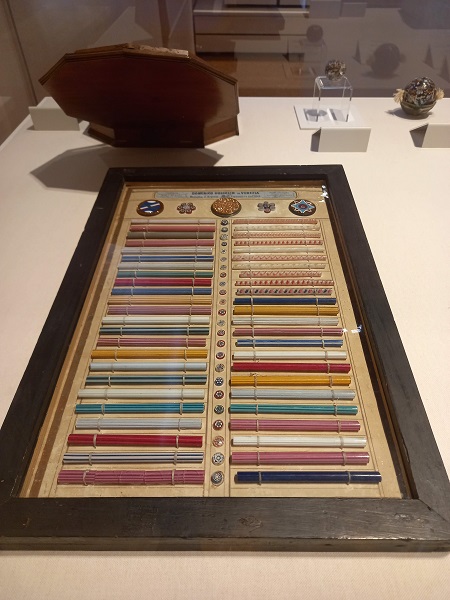
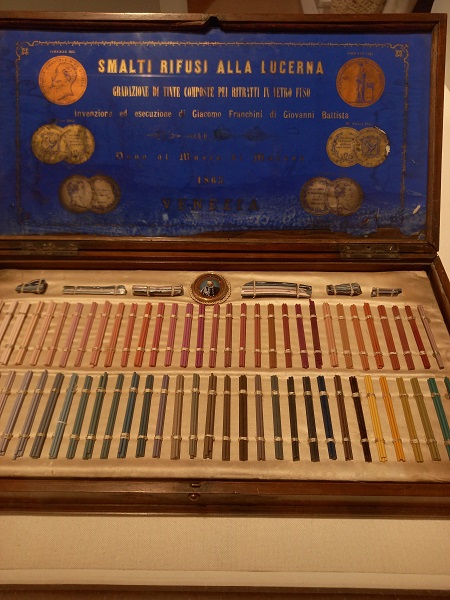
As well as Burano we visited the island of Murano, which is famous for glass making. The museum there was excellent, with fascinating displays of how they make the millefiori glass, using tiny tubes of individual colours. Again there was very good use of video in the museum’s interpretation.

There was also an art exhibition, by Simon Berger, called Shattering Beauty. I am not usually a fan of modern art but this was absolutely stunning, not only in the technique used of carefully breaking glass to create faces, but also in the inspiration for the technique, which came when he saw a shattered windscreen from a car accident. I loved the way he had thought about the images and the use of the cubes and reflection, so you got to see yourself at the same time.

Other wanders included a trip to the Arsenale, which takes up a large proportion of the island. This was the old shipyard, which is still in operation today as a naval base.

Many of the paintings that we saw earlier in the week featured this area, and the incredible amount of ship building that was done here, which made Venice such an important naval power. This is a painting done by one of my favourite artists, Canaletto, that I found on Wikipedia, which shows you how it would have looked in 1793.

Although you can’t go inside, you can wander all around the walls and appreciate the scale of the place. This map from All About Learn, dated 1797, is wonderful for its detail of all of the vessels being built there.

On our last day we took the number 1 vaporetto out to its final stop, the island of Lido. We had seen this from across the bay all week, and I really wanted to go and visit.

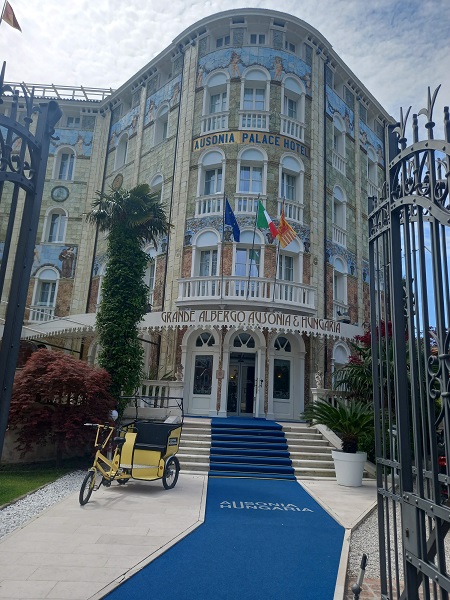
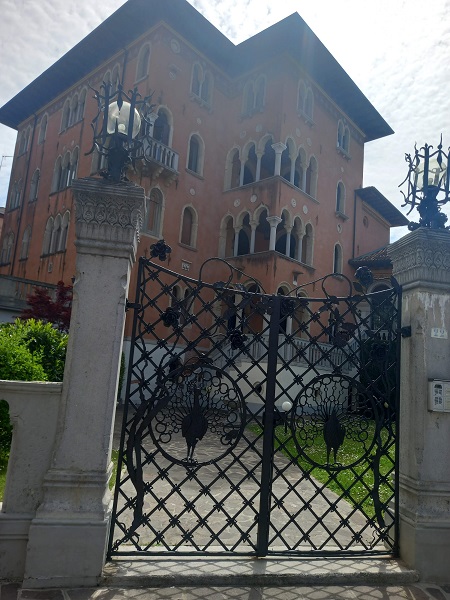
It has a completely different feel to the other islands of Venice, there are long sandy beaches and lots of gorgeous hotels and houses on wide streets. We loved it and would encourage you to go if you can to see a different side of the city.

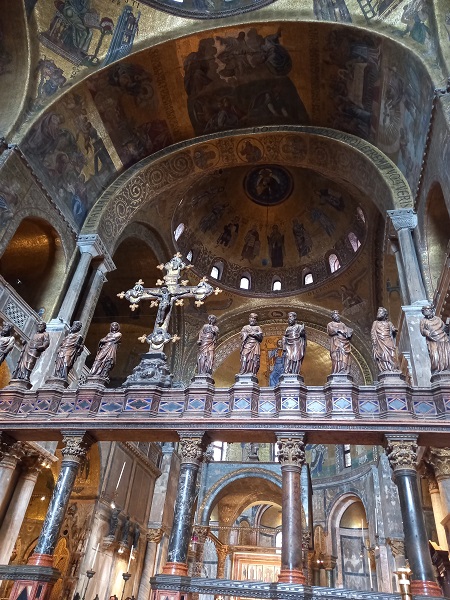
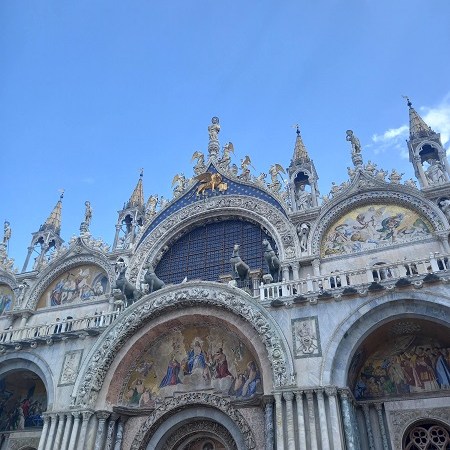
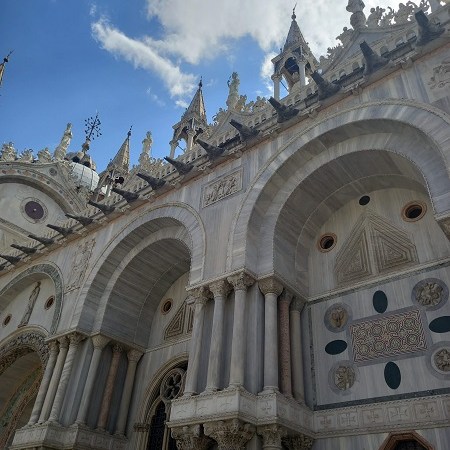
Our final visit was to the very famous, and much visited, St Peter’s Basilica. It is a truly remarkable building, the scale of the gold mosaics and architecture just incomparable.

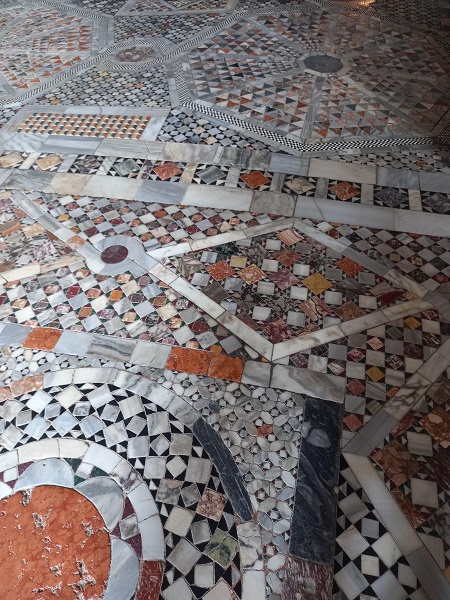
The floors also fascinated me, their sheer complexity and attention to detail was stunning, so much inspiration as well for textile creation!

Venice, you were wonderful, thank you. I probably will not go back, just because there are about a million other cities I need to visit, but you are beautiful and unique, and I hope that going forward tourism does not have too a severe impact on your future.

I shall be back in a few days hopefully, with an update on what I have been doing here. It has been a very busy, but lovely week, temperatures are around 30 degrees so there have been plenty of visits to the pool in and amongst my textile endeavours. Until then have fun, take care, stay safe and thanks for visiting.

Textile miracles

I am often witness to some amazing things that I see people making, or have made, in my travels to museums, or in my own groups. It always amazing me how people can turn sticks and wool, or just one little stick with a hook, into the most gorgeous pieces of art.

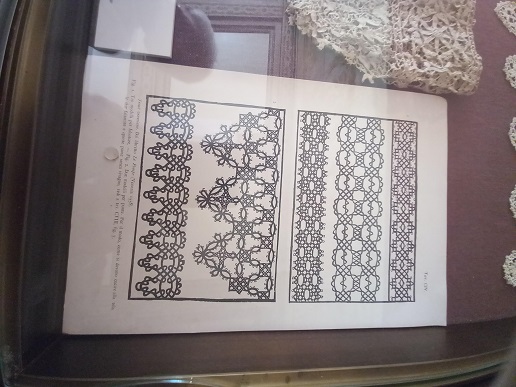
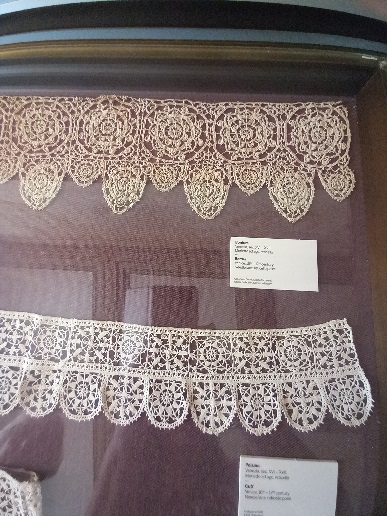
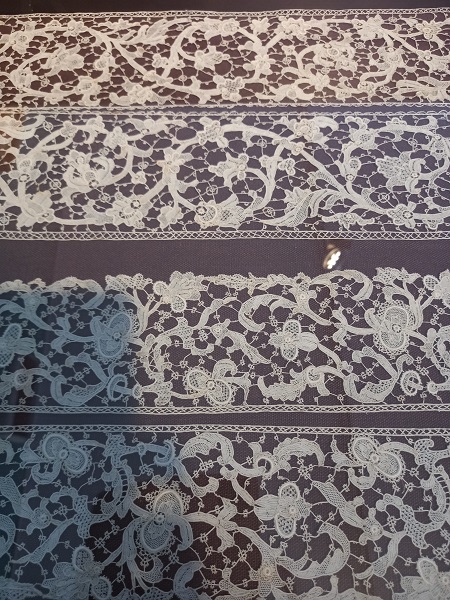
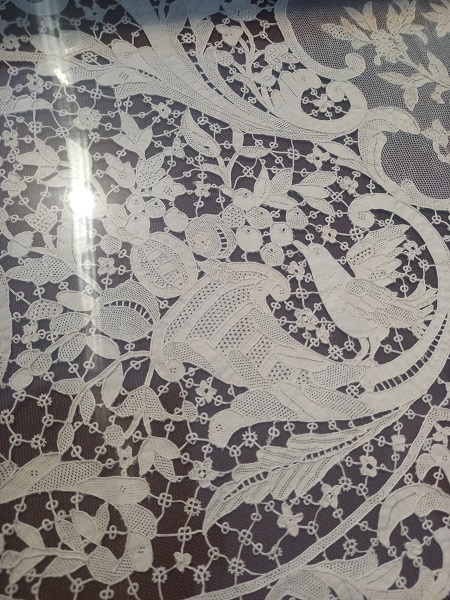
Lacemaking is, to me, the highest form of these miracles, probably due to its complexity and the sheer amount of labour that goes into each piece. Added to that the fact that I can’t do it and that always makes them seem more complicated!

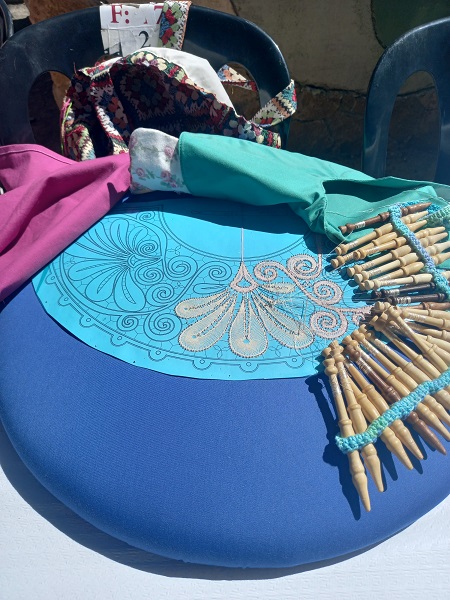
I had been waiting to post about our recent visit to the Venice Lace Museum, in Burano, until our own brilliant Lace Day, here in Spain was over, so that I could post pictures of both things.

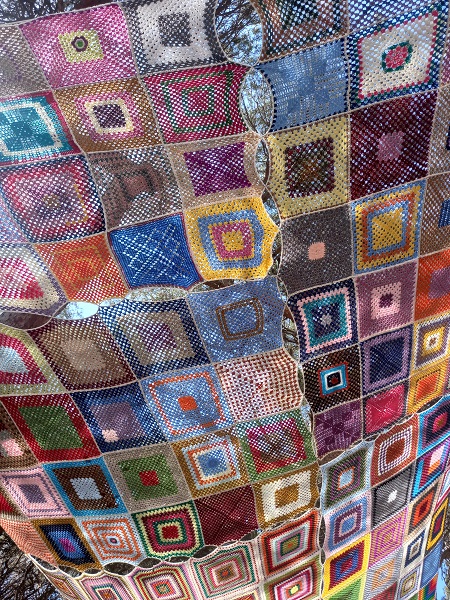
You may remember that I first went to Lace Day last year. Vivienne in our sewing group is an amazing lace maker, and we had a workshop led by her in the group as well in November. It was a brilliant day once again, not only seeing the work of the other groups, but also the beautiful crocheted sunshades everywhere in the park.

It was also wonderful to spend time with my friends from my knitting and sewing groups. I know that I may have said it before, but I am so pleased to have met these wonderful women, who have become very good friends over the last two years. There is just something about people who craft that make them my kind of people 😉

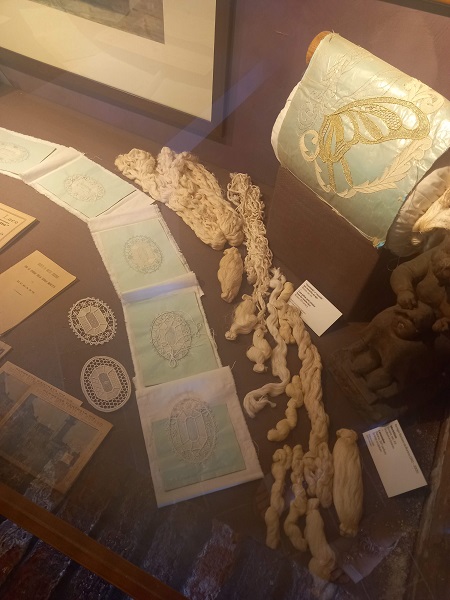
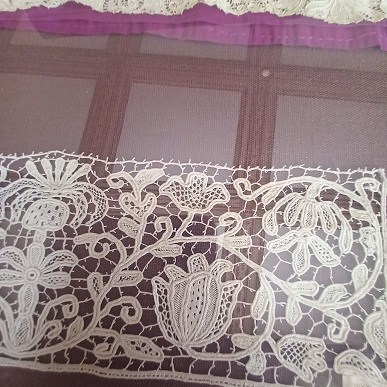
The Lace Museum on the island of Burano was the second lace museum that I have visited, the first being the one at Nottingham Castle. This museum was housed in the school of lace that was opened in 1872, located in an old Palazzo. I particularly like the old sign for the school displayed on the wall here.

It is is very well interpreted museum, with a small display area that changes periodically. It looks not only at the techniques of lace making, but also the social and historical context of lace in fashion.

They also have a brilliant map in the entrance showing different lace from around the world and the coolest lockers of any museum I have visited!

Quite a lot of the interpretation is through video, which was excellent, and this is complemented by the wonderful pieces in the display cases.

As you know I am a little bit obsessed with seeing the wonderful people behind the craft, so it was brilliant to see these local ladies portrayed in the video, and learn about their work with groups of children.

I loved the fact that there were, not only pieces of lace, but some actual garments, such as this dress and wedding dress with veil.

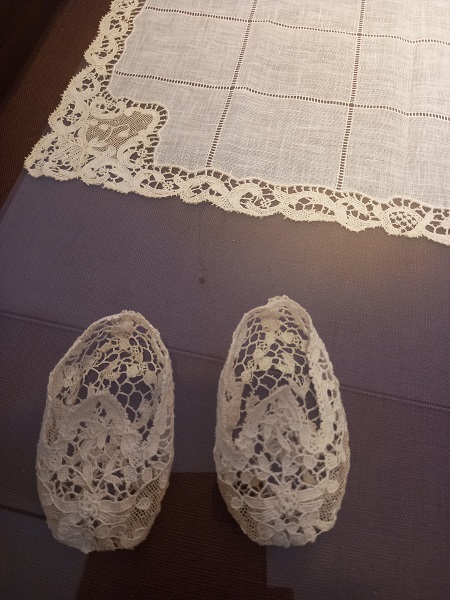
I also loved these little baby bootees!

There were also patterns, dating from different eras, and paintings of people wearing garments with lace.

The earliest samples in the exhibition were from the late 16th century. Not only are they wonderful, but the fact that they have survived so long is amazing.

There were also lots of samples from the 1700 and 1800 hundreds showing different types of lace, such as bobbin lace, and lace stitched on tulle.

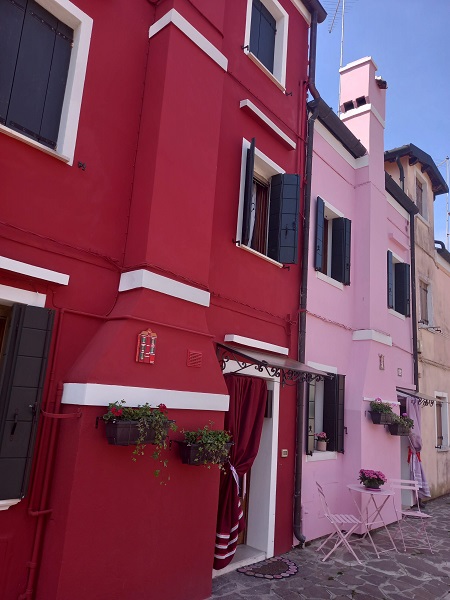
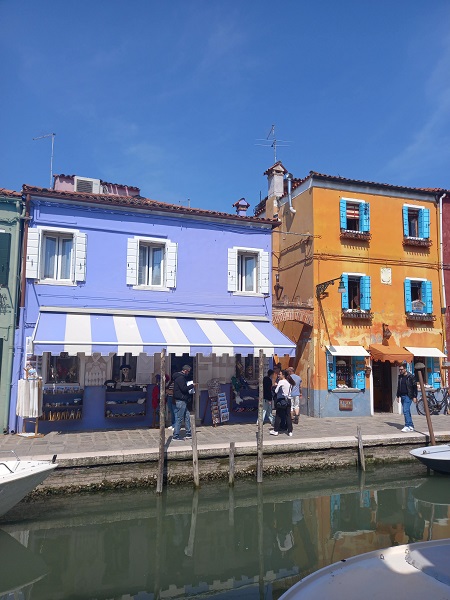
The island of Burano is one that is much visited, as it is famous for its beautiful painted houses.

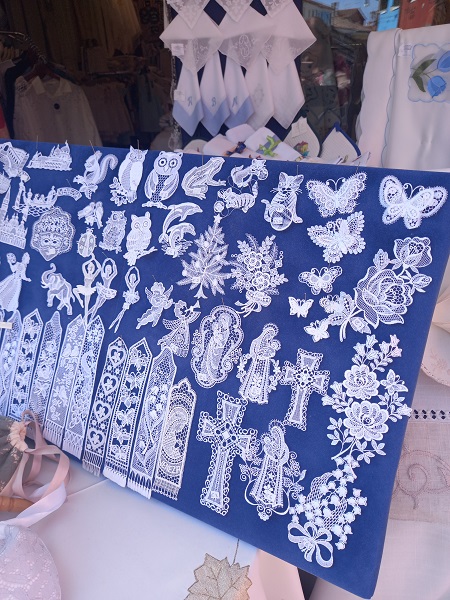
You can also buy lots of small samples of machine made lace on the island, and purchase larger pieces of hand made work.

The Lace Museum was really quiet, so it is sad that more people don’t go as it is a fascinating part of Venice’s history. It is very centrally located in one of the main squares and is very much worth a visit, as is the island itself.

The advice given that I referred to in my last post, about more sustainable tourism in Venice recommends visiting the outer islands and less popular places and we were lucky enough to see lots of those, which I will tell you more about in a future post.

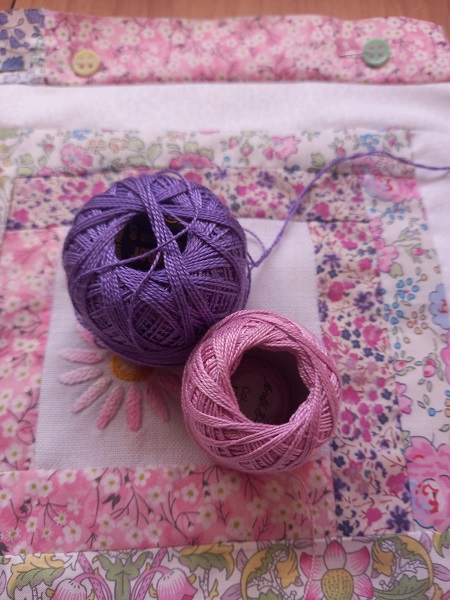
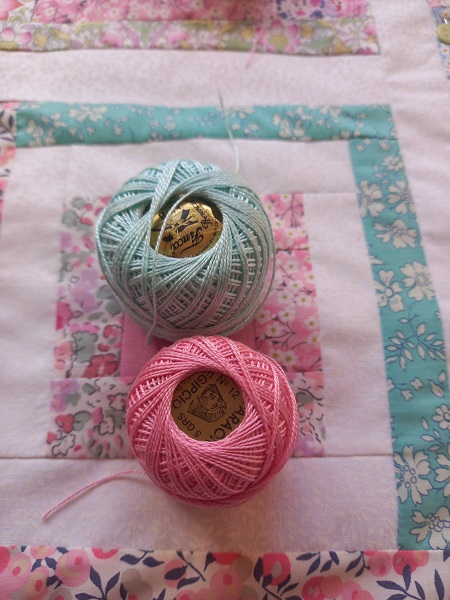
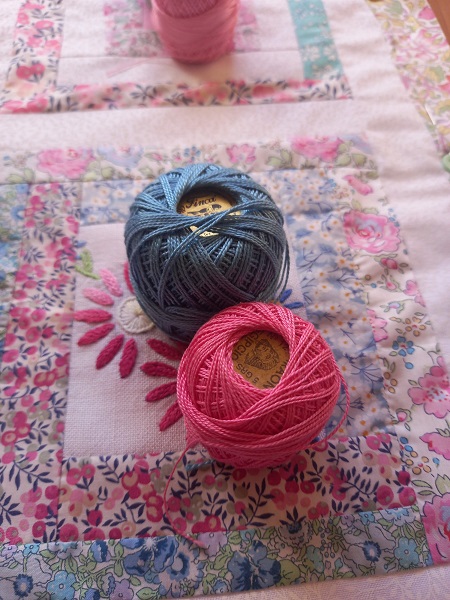
I am currently working on finishing up a pair of knitted reindeer for one of my friends at knitting group. Lots of little ends to sew in! I have also just got onto the hand quilting stage of the Liberty lap quilt. My wadding has arrived and I have done some of the basting. I have had fun choosing which colours of perle to use for each square.

I am running a workshop this week at sewing group doing some hand embroidery with perle thread and some of the designs I have collected over the years. I will take some pictures of that and share them at the end of the week. My friend Sarah, from Marsden, gifted me some small hoops a while ago, so everyone will be able to make a little framed picture to hang somewhere.

The weather has thankfully settled here and we are having lovely sunny days so I am going to the pool a lot. I can’t believe that in a few weeks time I will be celebrating 2 years of retirement 🙂 It has flown by and I am loving every minute of it. Who wouldn’t? Time to study, to craft, to write my novel, making new friends, and being pain free enough to enjoy exercise and life generally is so brilliant.

I feel so very blessed and am conscious that there are so many people who never have that opportunity. Like most of us, as we get older there are more friends who die far too young, and I am feeling incredibly grateful that I have had this time, and determined to make every single day count.

I hope that you are too, and that you are all having a happy life. Have fun, take care, stay safe and thanks for visiting.

Venice, palazzos, pizzas and more

Our recent trip to Venice was very interesting, and not just for all the usual reasons such as the stunning scenery and the delicious food. Yes, there was all that in abundance, however there was also a chance to think about the city in its modern context, not just as a fascinating historical city.

One of the things that I remember seeing in lockdown was photos of dolphins swimming in clear waters in the canals of Venice as the tourists were not there, and consequently there was not the constant traffic of vaporettos, water taxis, ferries and gondolas.

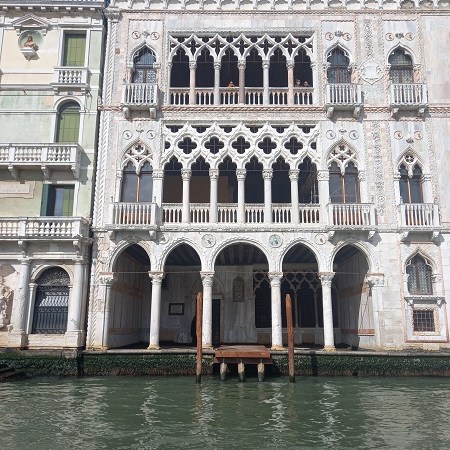
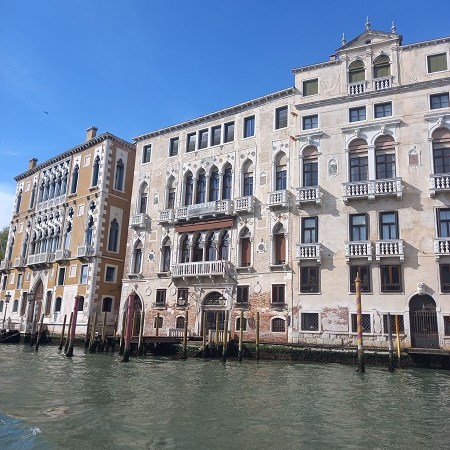
The Grand Canal is amazing, and I loved looking at all of palazzos as we passed and wondering about all the people who had built them and lived in them over the centuries.

Venice is one of the most visited cities in the world, with over 25 million individual visits in 2019 and the pandemic and the restarting of travel has prompted Venetians and others to try and think differently about the city.

There are around 250,000 residents in the greater Venice area and only 55,000 who live on the main island. The population is shrinking by around a thousand a year, partly because properties get sold for tourist purposes rather than being affordable for locals.

I was glad that we had already planned lots of the things that are recommended to make travel there more sustainable. We were staying for a week, when many visits to the city are for just a day, especially from people on cruises.

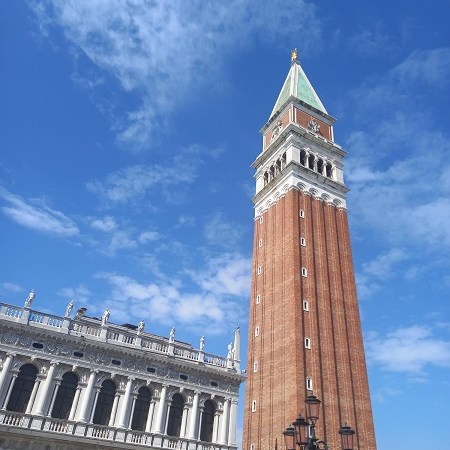
That makes the central areas, such as St Mark’s Square above, very crowded, and also does not benefit the whole of the city as much. One of the arguments for tourism is always the economic benefit that it brings so I was pleased that we had the chance to visit the more outlying parts of the lagoon in our time there.

I knew that Venice was in danger of degrading, but had not really considered what I as a visitor could do about it. However reading information left at the apartment, and later some websites and books about Venice, made me think about my trip in a different way. I travel not just to look at wonderful things, but also to learn about the places that I visit, and this holiday really made me think.

We also stayed on the outskirts of the main island, a decision made out of practicality for us, as I remember the difficulty of finding our hotel last time, but one which is recommended by those who are trying to save Venice from becoming overloaded.

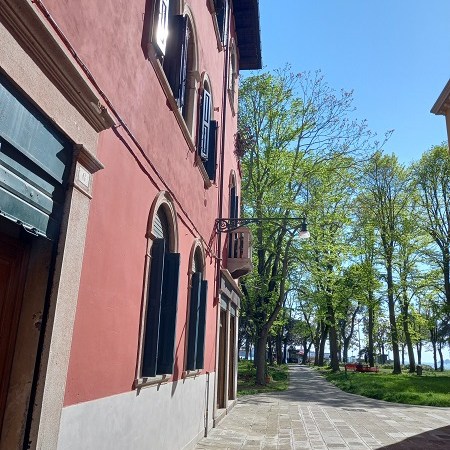
We had the most gorgeous apartment, Apartment Ganeo, in an area called Sant Elena, situated in a beautiful and quiet wooded area, but still on the main No 1 vaporetto route.

That meant that we could use the local facilities there such as the little shops, and three excellent restaurants and bars minutes from our apartment, that served the most delicious pizzas. I can heartily recommend Vincent Bar for the food, hospitality and the view, as we also got to enjoy some amazing sunsets over the Grand Canal.

We also got a chance to see some of what real life was like for the residents of Venice. Being in a more normal part of Venice, where we were finding out about how the rubbish is collected, (door to door each morning and you sort your recyclables before collection), really makes you think about your individual impact as a tourist.

I came across this book in one of the museums and downloaded the Kindle version when I got back. Reading something like this makes you think far more about the impact of mass tourism, especially in such a small city. I love to travel, obviously, and live in an area of a country famous for mass tourism, so it is good for me to think about what I do, both here and when I go away, so that my travel can be as beneficial as possible for everyone.

I have also ordered Jan Morris’ book about the history of Venice to read, which will be waiting for me when I return to the UK.

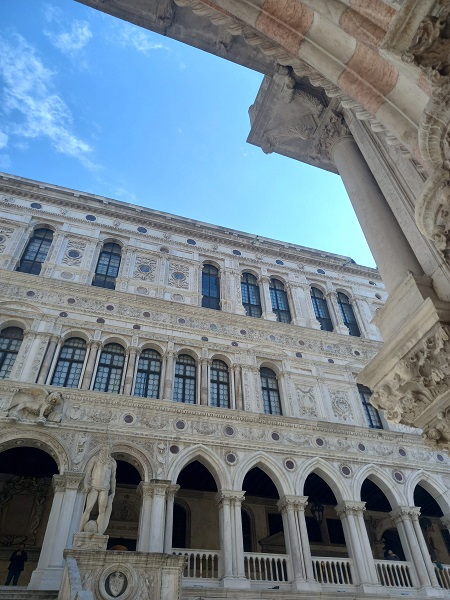
One of the things that we did was buy a museum pass, and that meant that we visited museums that we not have otherwise, as there were eleven included. This meant we visited some of the smaller, and less well know ones, as well as the wonderful Doges’ Palace pictured below.

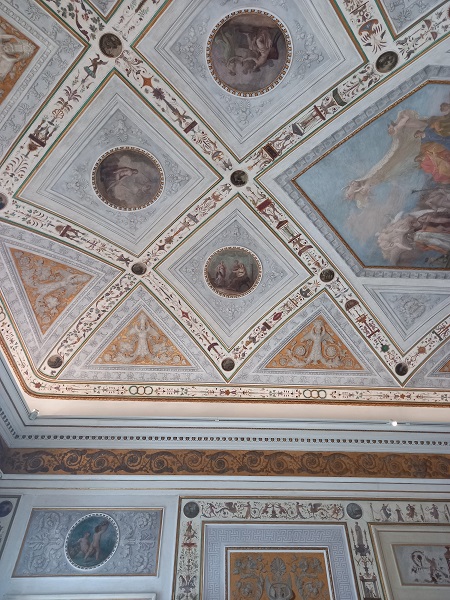
That gave us a really good sense of the history of Venice in many different aspects, as well as the chance to admire some truly splendid ceilings, such as these in the Correr Museum!

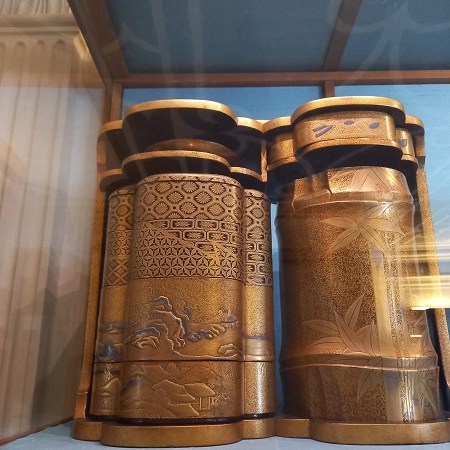
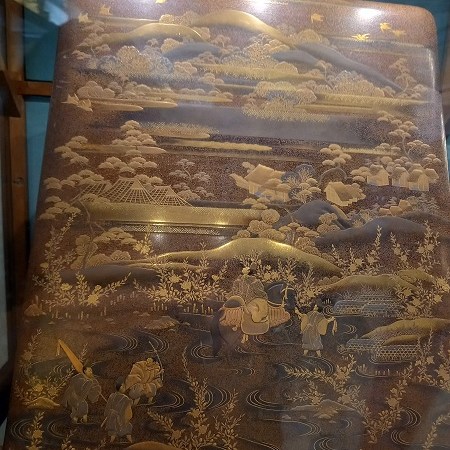
On the top floor of the modern art gallery in Ca’ Pesaro is the Museum of Oriental Art , there was an amazing collection of Asian weapons, art and lacquerware. It was fascinating to see this, especially having just visited Japan.

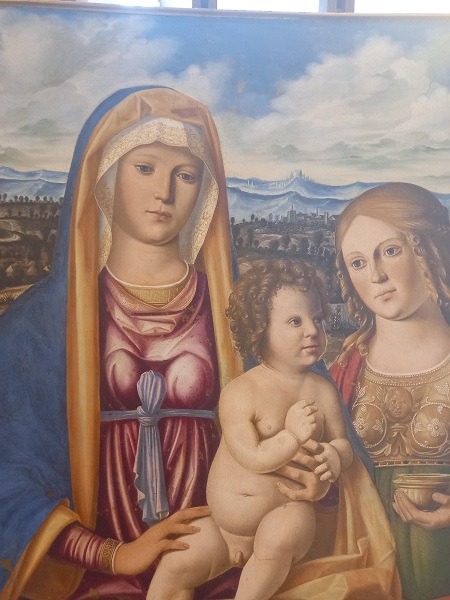
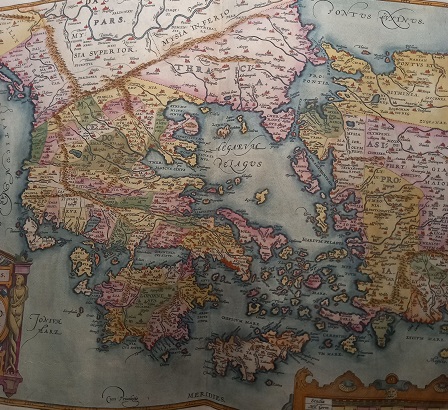
I will share some more of the museums in a future post as there were some really exciting textile finds, as well as wonderful medieval art and maps in the Correr Museum.

I appreciate that by visiting Venice I may be considered part of the problem, rather than part of the solution. However I was glad to know that my impact might have been more beneficial than other types of stay. It is good to be aware of these aspects and was something that I will definitely apply to my future travels.

My friends who were visiting me in Spain have now all left. I have had a brilliant ten days and despite dire forecasts the weather was fine most of the time. It is a really hot day today, so I am getting all of my washing dried and planning an afternoon sewing quilt blocks, possibly followed by another trip to the pool if the forecast rain does not appear this afternoon.

I hope that you have had a lovely week, and are enjoying sunny weather and the Bank Holiday if you are in the UK. Whatever you are doing enjoy it, have fun, take care, stay safe and thanks for visiting.
The beauty of Spring

We were lucky enough to be in Japan during spring, landing in fact when the cherry blossoms were at their peak. This time of year is very significant in Japanese culture, not only are there drinks, ice cream and cakes flavoured with the ‘sakura’ or blossom, but also the season has a spiritual significance, signifying the new year.

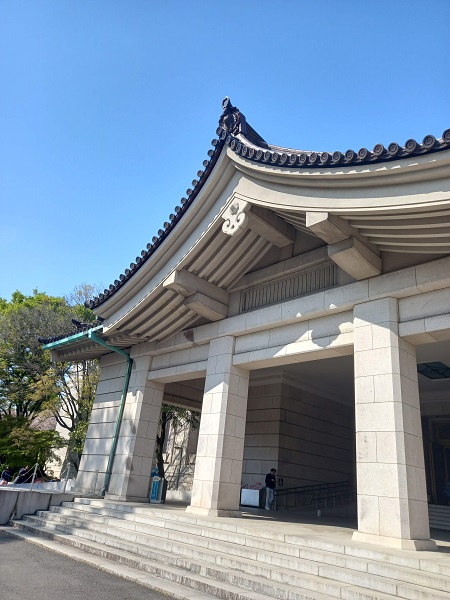
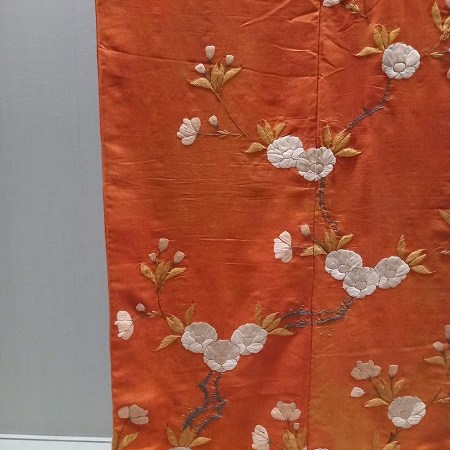
This is very much reflected in art and we saw some beautiful examples of art and textiles honouring nature and blooms at the Tokyo National Museum. The museum is located in Ueno Park, which is one of the main places that the Japanese visit to see the blossoms and the exhibits are themed seasonally.

There were some stunning robes on display here. We had seen an exhibition about the kimono in New York, which looked at how it has influenced Western fashion, and how Japanese fashion changed in the early 20th century as more Western fashion began to be worn.

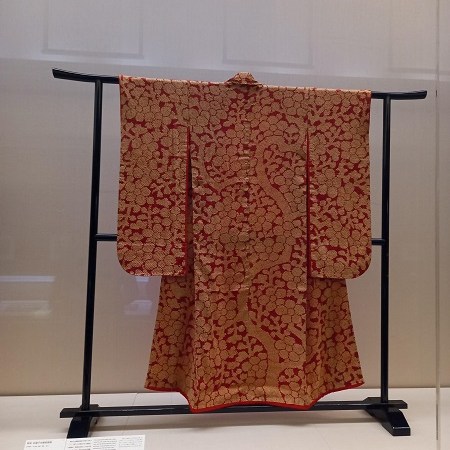
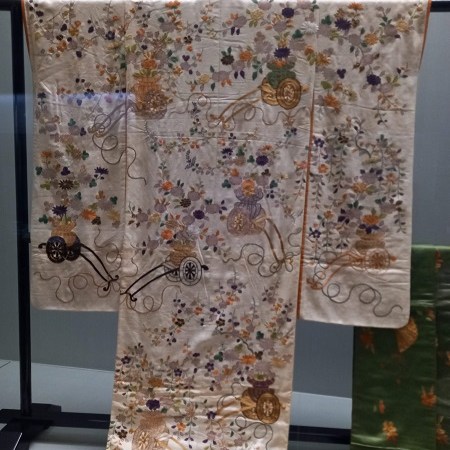
So it was brilliant to see the different types of kimono, from the early kosode seen here in the red and gold embroidered examples from the Edo period of the early 1600s above, to the later furisode below which is dyed using the shibori technique. You can read more about the history of the kimono here in this article by the Victoria and Albert Museum.

What is also very interesting is the parallels with costume in Europe at this time, the long sleeves of this kimono signified an unmarried women.

Similar long sleeves with yards of excess fabric are common in medieval dress, signifying in this case that you have the wealth to afford excess material and servants to do the menial tasks.

There was also legislation banning excessively decorated kimonos, as there was legislation about who should wear certain colours and fabrics in medieval Europe, the sumptuary laws.

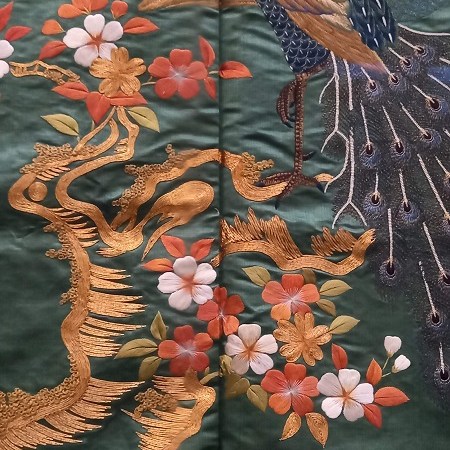
The garments are stunning in the sheer amount of embroidery and goldwork on them. This peacock was one of my favourites, the work that has gone into this is amazing.

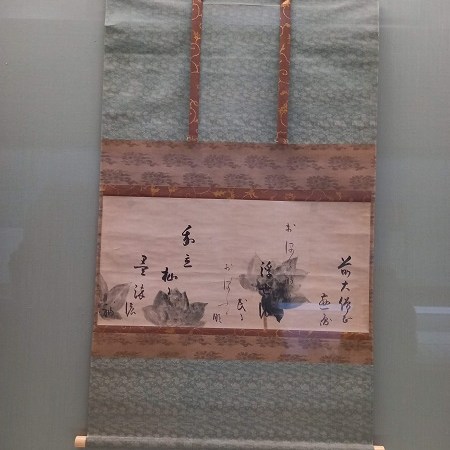
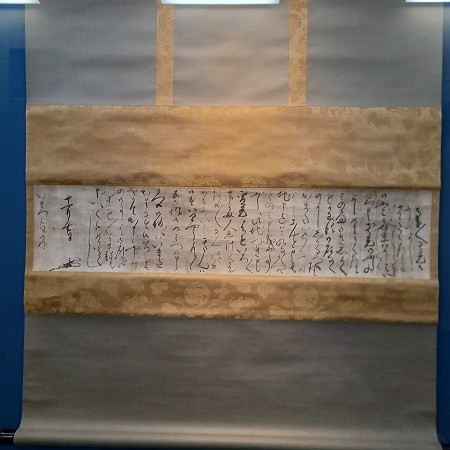
There were also many examples of delicate art and calligraphy, all framed with silks and brocade.

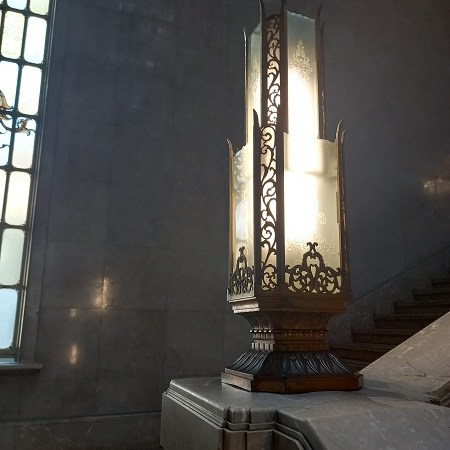
The museum itself was a very gorgeous building, full of decorative doors and lamps, it dates from the early 1930s. As with many of Tokyo’s buildings, an earlier one was destroyed in an earthquake.

A really beautiful collection and I loved seeing all the detail of the gowns. Sadly the other museum we wanted to visit, covering the Edo period, was closed for refurbishment, so this was our only museum trip while in Japan.

I only have one more post for you about the Japan trip and that covers something that I didn’t really expect to find, but was great fun! More on that later. I have friends coming to stay for the next two weeks so I will be out and about with them, showing them what Spain has to offer.

I will pop back later in the week as I have been hard at work in the craft space. I am actually ahead of myself in terms of targets for this block of time here so have been spending some time with my machine. More of that next time, meanwhile, have fun, take care, stay safe and thanks for visiting.

A tale of two museums

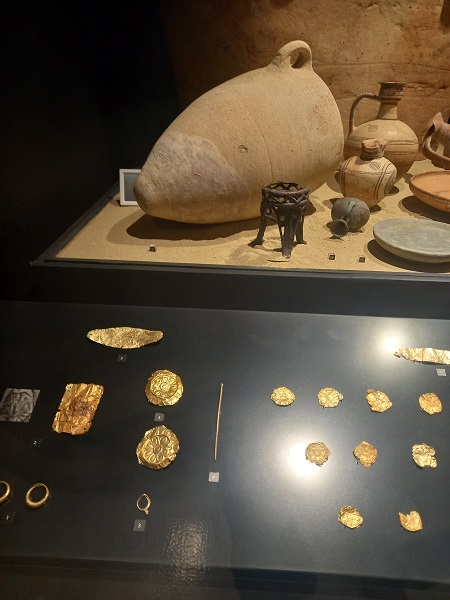
I visited both the archaeological and the ethnographic museum in Paphos which were both excellent, but very different.

The archaeological one, like its counterpart in Larnaca, was really well interpreted. The various displays were informative, and there was very clear signage, with illustrations and some great mock ups of things like burial pits and kitchens.

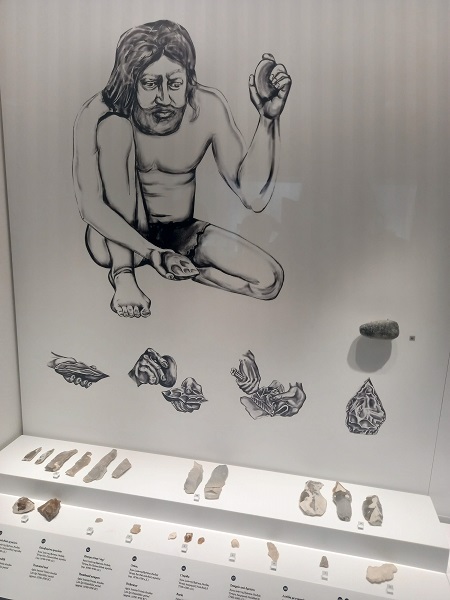
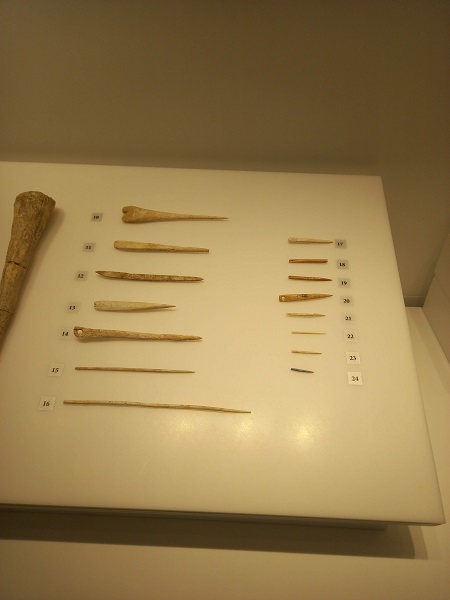
It made the whole of the experience really interesting, something I have not really found with previous Neolithic collections. I loved this display of different sized needles, the smallest was about an inch long.

One of the most interesting, and unique, was this set of terracotta hot water bottles, shaped to fit various parts of the body. They dated from the Roman era and were fascinating. Not so very different from what I do now when I’ve got a bad back!

The timeline display made it easy to follow the development of things like the pottery, and the way that devotional figures were used, and it made it a very interesting experience. You really got a sense of the people who had made these things.

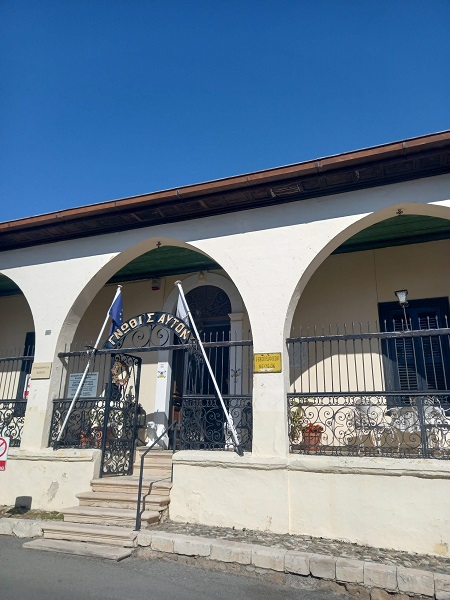
The second museum was the Ethnographic Museum, which is in the centre of the town. It is the collection of one man, George Eliades, who in 1958 opened his home to show off his collection to the public.

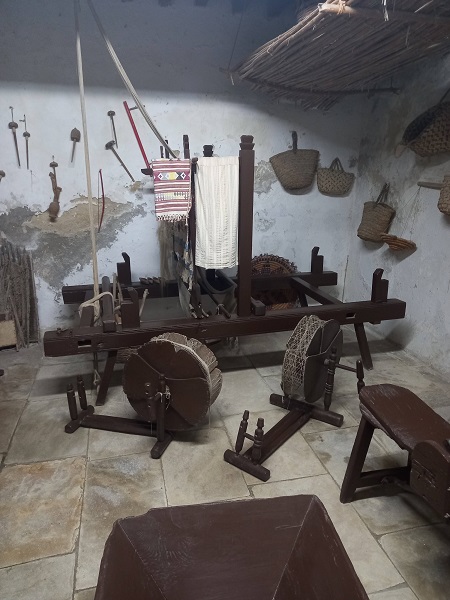
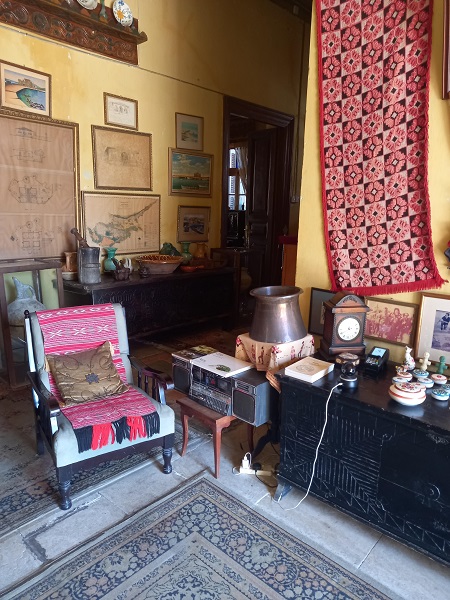
It is an amazing place to visit, not only to look around a traditional house, with room underneath to store wagons, and I assume stable horses. There is also space for workshops, one of the rooms was set up as a weaving workshop.

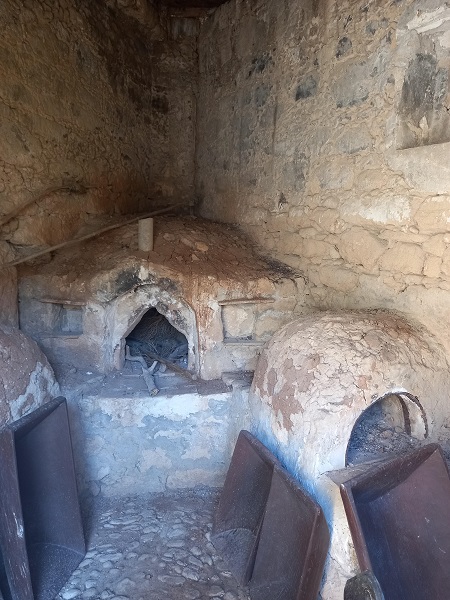
Outside there is a millstone, and a bread oven, water troughs and underground storage.

Three of the upstairs rooms are open, the library, dining room and entrance hall, all crammed with textiles and collections.

It is a beautifully eclectic place, a huge contrast to the carefully displayed and interpreted archaeological museum, but what a fascinating place.

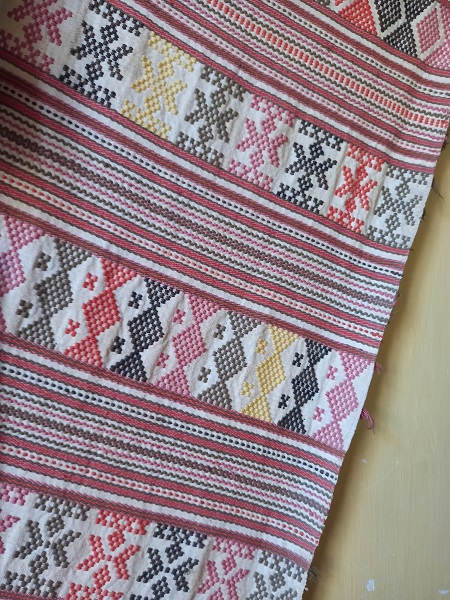
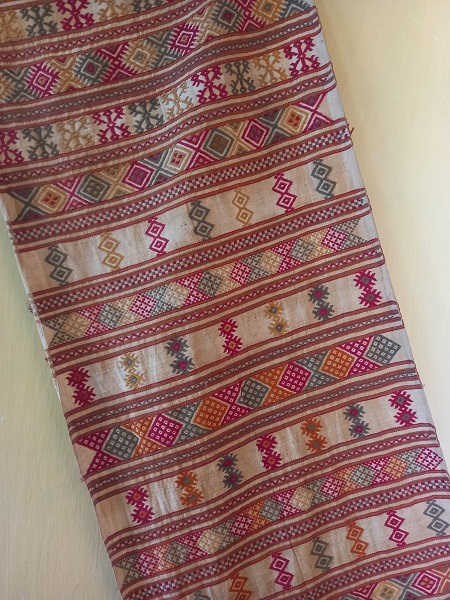
As always my favourite part was the textile collection. There were some gorgeous woven hangings in the upper rooms.

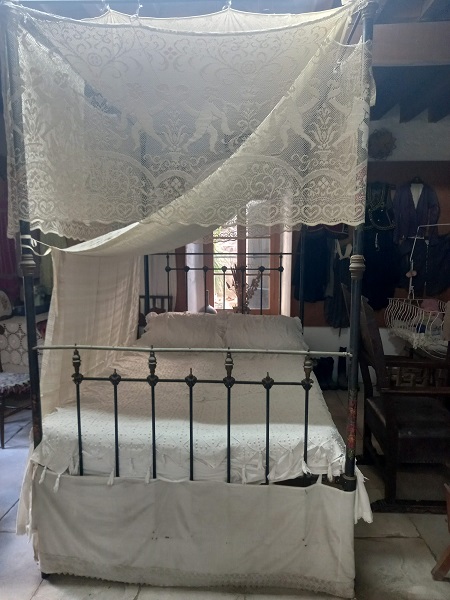
One of the lower ground floor rooms was set out as a bedroom, with hanging garments and some splendid and unusual seat covers made of pointed scraps.

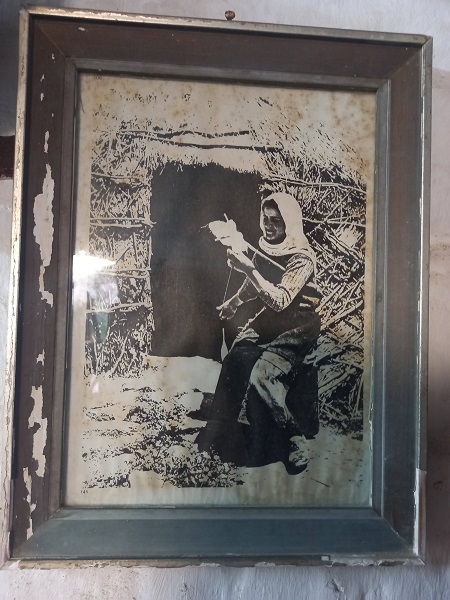
The interpretation was limited to framed information taken from reference books, and some photos like this one of a woman spinning.

However, it was the sheer enthusiasm of the original collector, and his family in keeping his collection, that was the real star of the place. It was an amazing collection and I am so glad that it has been preserved by them.

Both types of museums have a place to play in heritage, they represent very different aspects, and both have their merits and disadvantages. I am so glad that I have the chance to visit all of these wonderful places.

I am now back at Ellen’s for a little while, leaving Katy behind at my sister’s until July. I have been spending a lovely afternoon booking my campsites for the summer, and my channel tunnel crossing 🙂

I am so excited for that, and for all the lovely adventures yet to come. It will be great to get back to Spain, especially as I am going to do lots of research on my trip through France and Spain in October when I return to Spain.

I hope that you all are looking forward to the rest of the year, it really doesn’t seem possible that it is another season here in the UK, time is going so fast. I hope you are enjoying whatever you are doing, and are able to plan nice things for the months ahead. Have fun, take care, stay safe and thanks for visiting.
Paphos – old and new

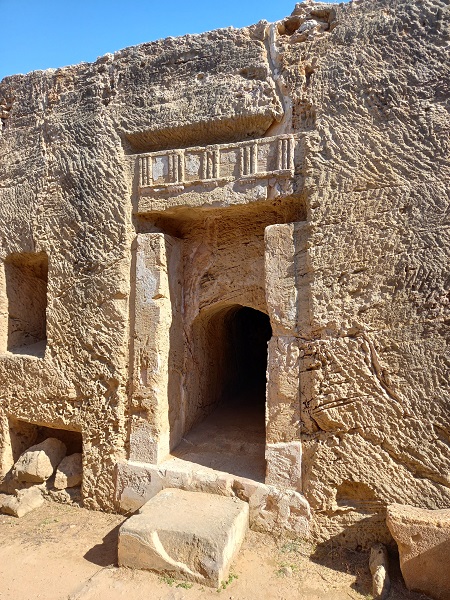
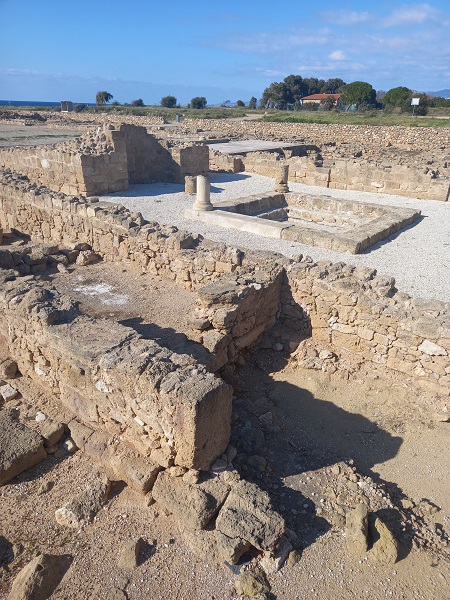
My last few days in Paphos were spent visiting the local museums and the last of the archaeological sites. There are some wonderful things at both of the main sites, Tomb of the Kings and Nea Paphos.

I hadn’t expected such a wealth of ancient history and it was very well interpreted with QR codes to access a detailed guide and audio tour.

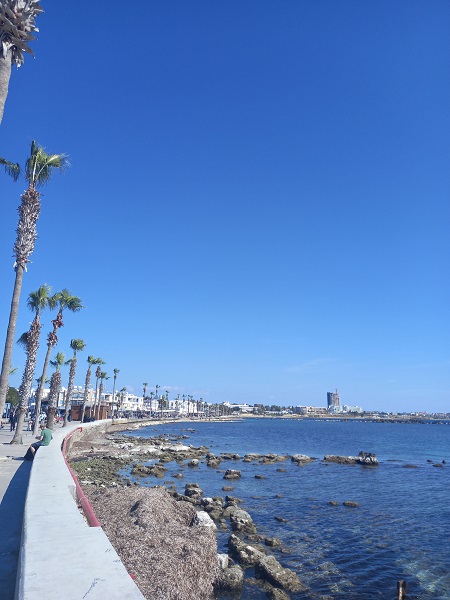
I was also very lucky with the weather, it was beautiful both days and there were stunning blue skies. After visiting the Tombs of the Kings I went on a walk along the coast as the sea was so beautifully blue.

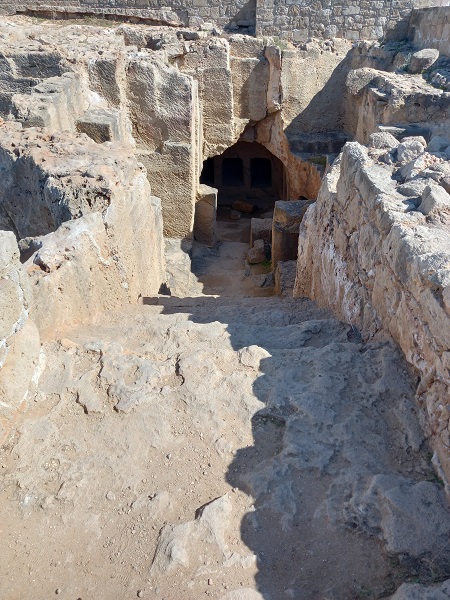
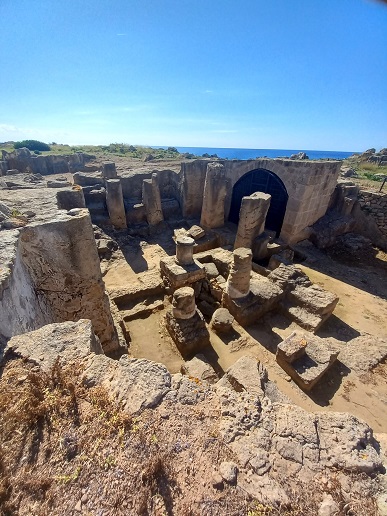
The Tombs of the Kings are hugely impressive structures, it is not known if any actual kings were buried here, there may have been an Egyptian Ptolemy, but they were probably built for local dignitaries from the 4th century BC.

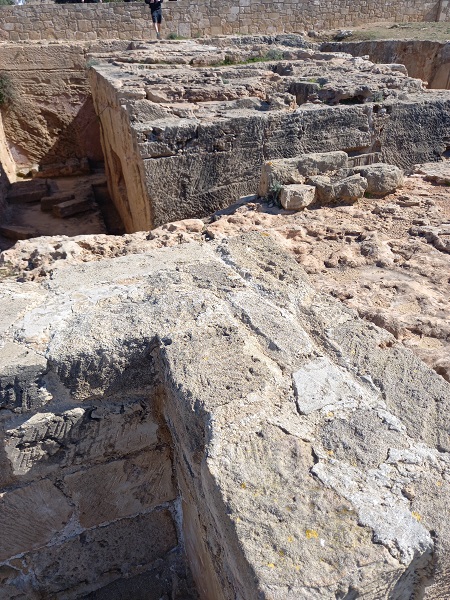
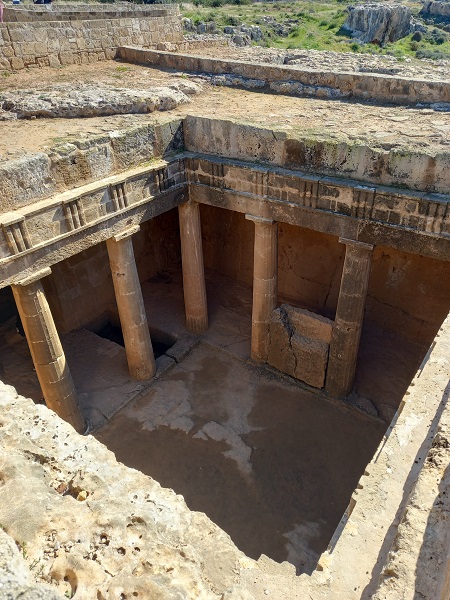
The scale of the site is very impressive. There are a range of different types of tombs, all carved down into the limestone.

My favourite one was this with the beautiful columns, the light inside the tomb was fantastic.

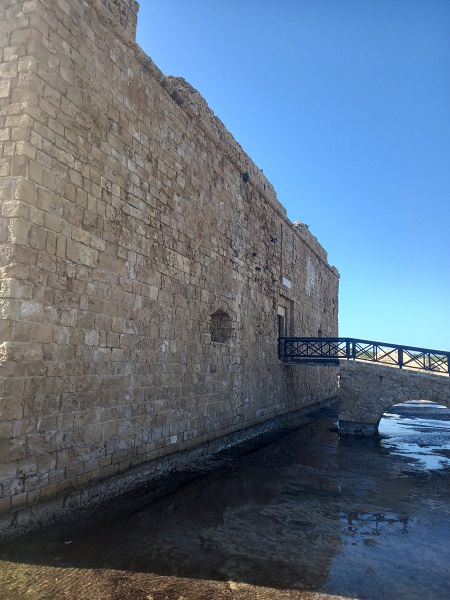
The second site, Nea Paphos, is near the harbour and the castle.

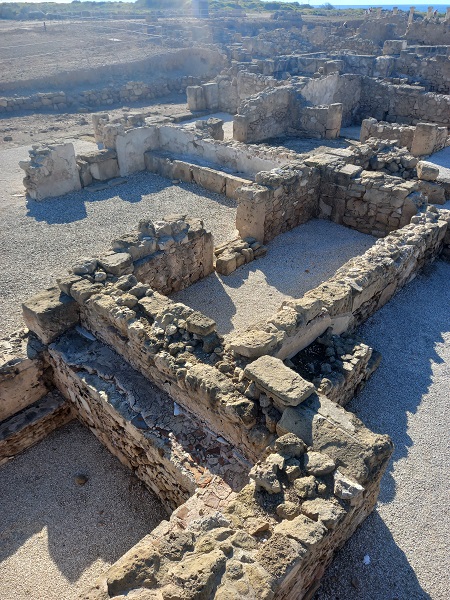
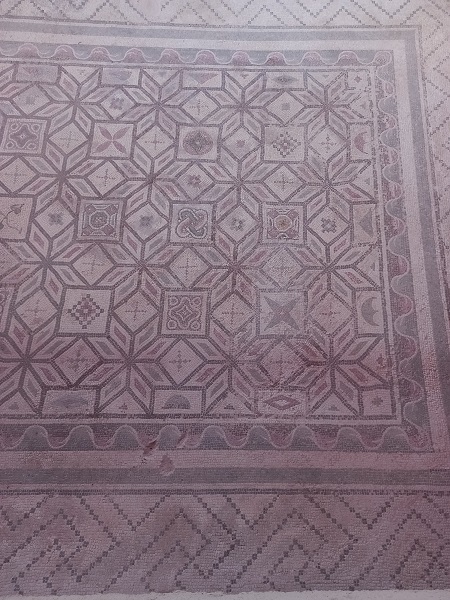
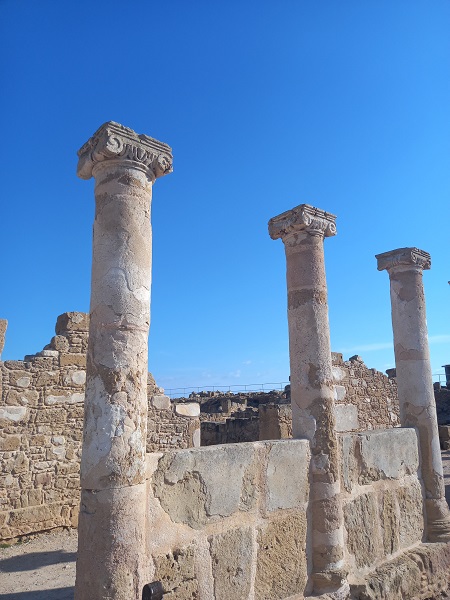
It contains remains of Roman villas, and a medieval castle. The site has been used for thousands of years and contains the most beautiful mosaics.

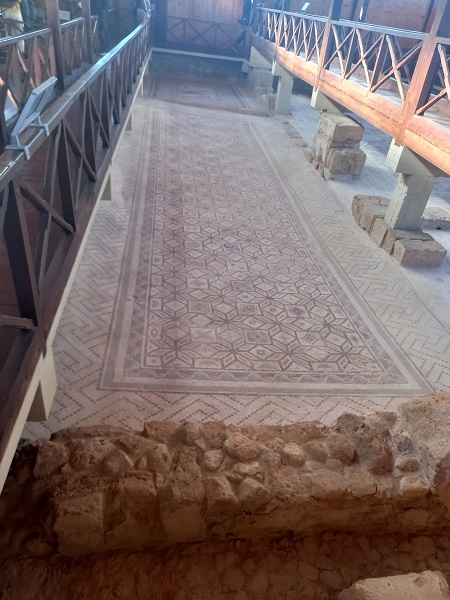
The largest house had mosaic floors in all of the rooms and this was in a covered structure.

Of course I kept seeing quilt inspiration everywhere!

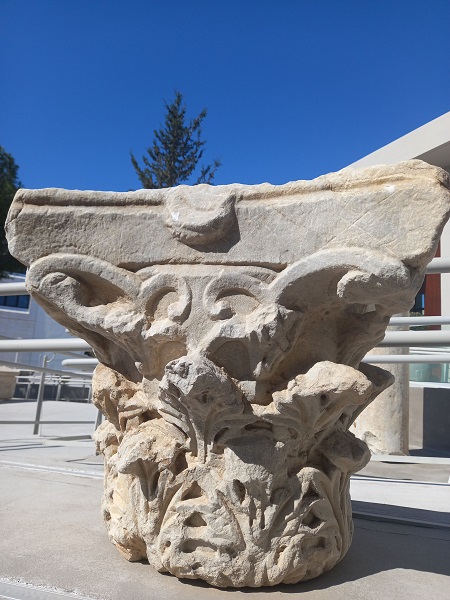
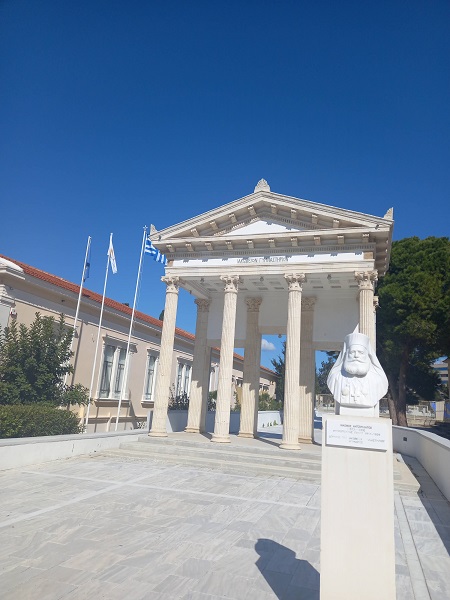
It is very clear to see where the architectural inspiration comes from for modern Paphos, and indeed the world.

These fragments below were part of the collection at the Archaeological Museum in Paphos, which I will write more about in the next post.

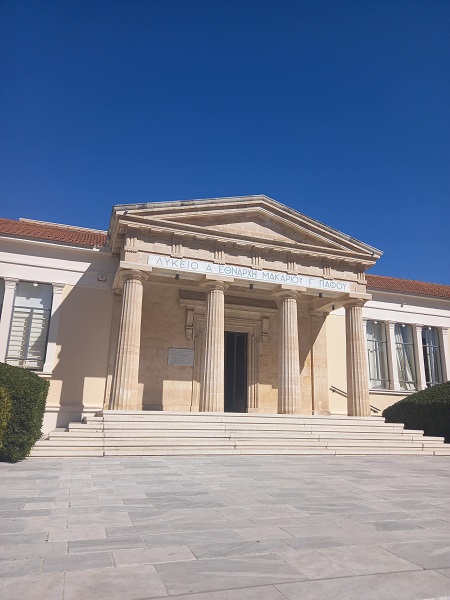
The iconic architecture of columns is everywhere and there were some beautiful examples on the official buildings in Paphos.

I had an absolutely amazing time in Cyprus, I feel that I really managed to see a lot of the country in my five weeks,and really enjoyed all of the different walks I did, and the museums that I visited.

I have been back in the UK for a week now, briefly at Ellen’s, and mostly at my sister’s in Worcester. We went to a very good music festival at the weekend. I have also been getting the van MOTed, insured, and sorting out booking campsites for the rest of this trip, and when I return to the UK in the summer.

It has been wonderful to be re-united with Katy, I have bought her some new seat covers which go beautifully with the latest mandala embroidery. When she is all set up again in a couple of weeks I will take some more pictures of her. I also bought a great new sticker for her from the festival.

I am off back up North tomorrow, spending a week catching up with family and friends before setting off on my next set of camping adventures. I’ll be doing some walking, hopefully, and a little bit of visiting canals, following upon some of the things that I learnt in my recent history of canals course.

I will be back soon with the final one of the Paphos posts, until then have fun, take care, stay safe and thanks for visiting.
Nicosia part 2 – more doors, and more textiles!

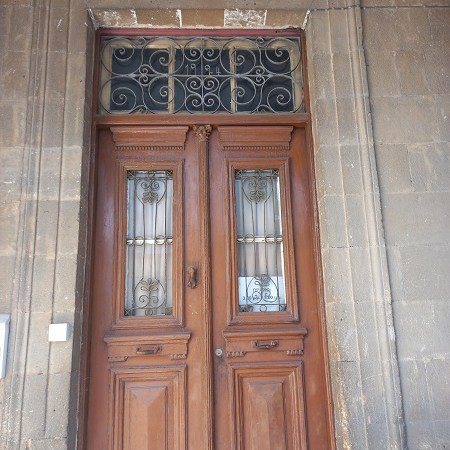
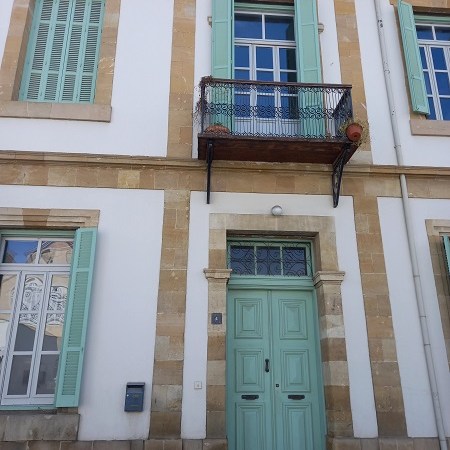
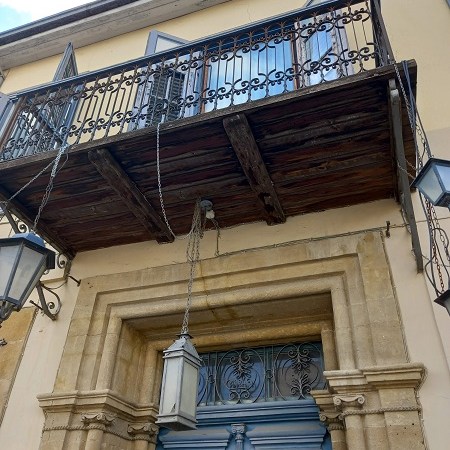
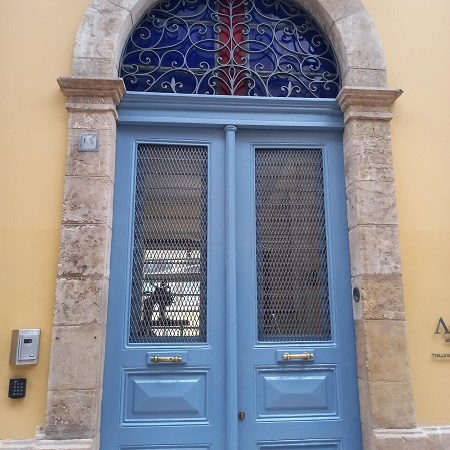
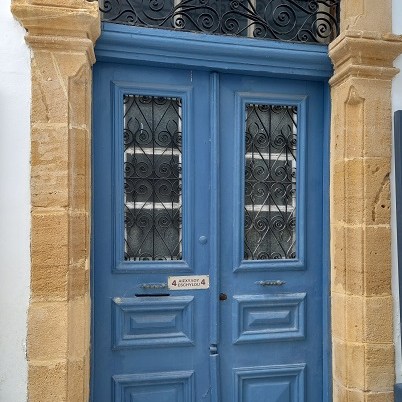
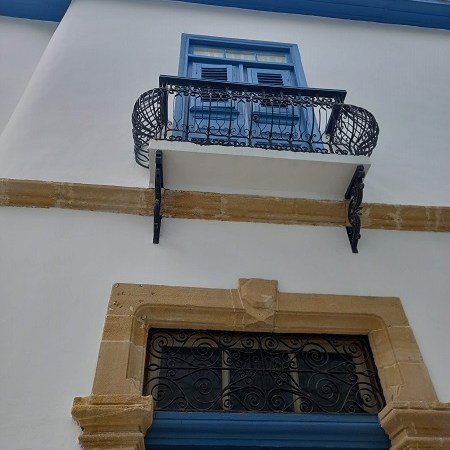
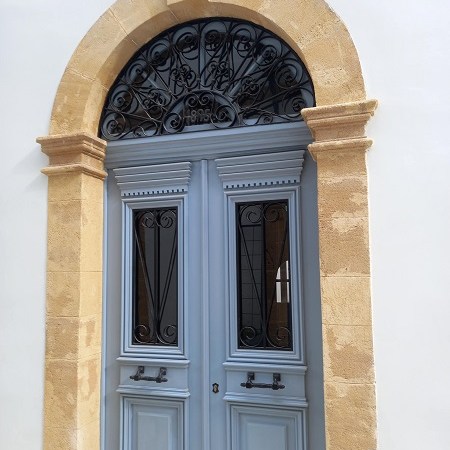
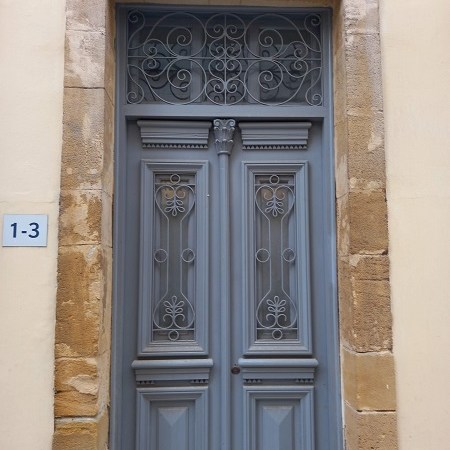
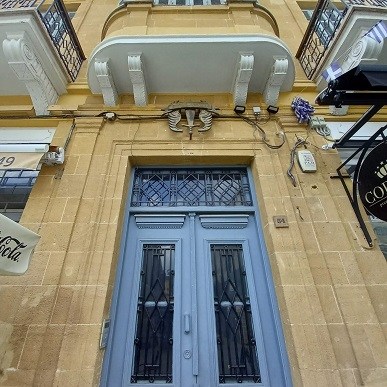
I am definitely loving the Cypriot doors, and balconies. Again most in Nicosia had the dates on, and all seemed to be from around the same era as in Larnaca, which I found very interesting.

I did find one dated to 1718, and part of the city walls with a gate, but all the others are a very similar style and from the early 1900s.
Being an amateur building historian I can only assume that they was a lot of building in all of Cyprus at this time, and that possibly a lot of older buildings were destroyed to make way for these ones.
Unlike other cities that I have visited there seems to be no specific medieval area, though the Venetian walls do date from the 1570s which is the later medieval period. I did see a medieval hall near the walls as well.

I can only assume that when the British occupied Cyprus from the 1870s there was a lot of building from that point, which may explain the lack of older buildings apart from things such as the forts and castles.

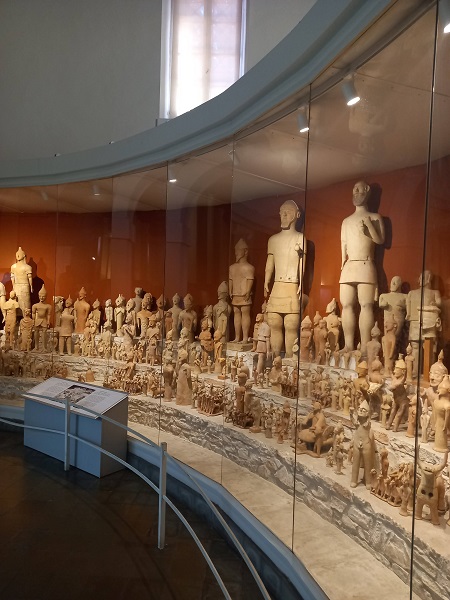
I visited three museums on my second trip. The first was the main Museum of Cyprus ,which had lots of pottery and statues. I am not normally that interested in the different types of ceramics, they just don’t get me as excited as textiles do. However, there was an amazing display that was all found together.

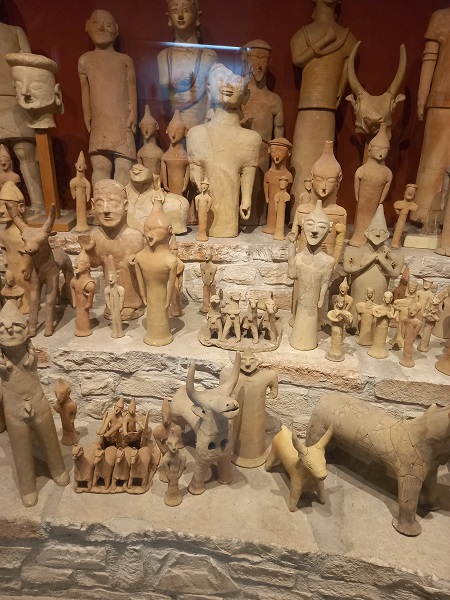
These 2000 figurines were found displayed like this in the sanctuary of Aiya Irini, and date from the 7th and 6th centuries BC. There are mainly soldiers, waggons and horses, and there are only two female figurines.

I love the face on the bigger bull at the front of this picture above, he looks as if he is smiling!

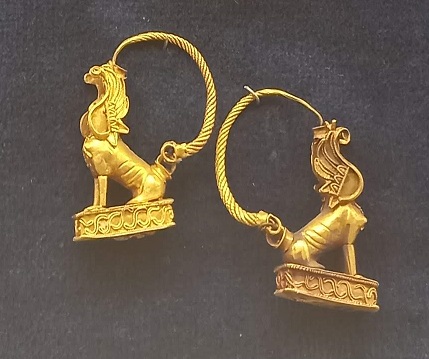
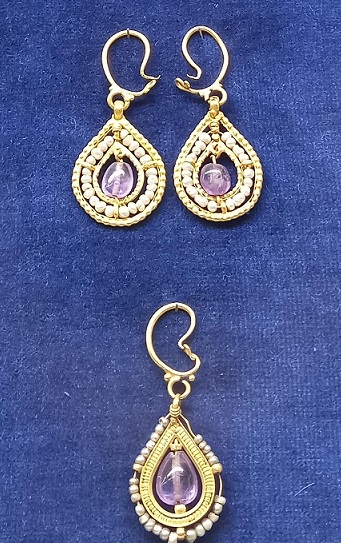
The other really interesting thing was this jewellery display, dating from the Byzantine period of the 6th century. As well as being beautifully detailed it was interesting to see how the designs have not really changed at all, even down to the way we fasten earrings all these centuries later.

My favourites were the winged creatures in the top left picture, they were so detailed at only about one inch tall.

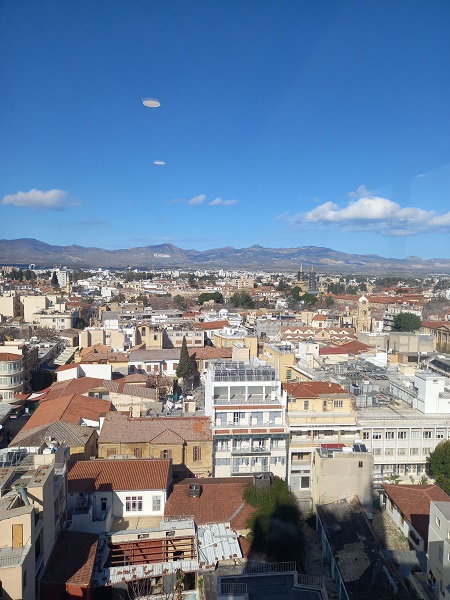
The second place was, The Shacolas Tower , which has a panoramic view over the city and a small exhibition and video about the history of the city. It is well worth a visit as it so interesting to see some of the landmarks from above.

I spotted the church and archbishop’s palace that I had visited in this first photo.

The one below looks towards the occupied part of the city where you can see the towers of the Selimiye Camii mosque that was once a cathedral, at the back right of the photo in front of the mountains. It has been a mosque since the Ottomans came to the city in the late 1500s so is very much part of the very diverse history of this city.

The final museum was the Leventis Museum, which is housed in three restored buildings within the city centre. This was a great museum for giving you a timeline of all of the different cultures that have lived in Cyprus, showcasing Venetian glass, Ottoman jewellery, and having some excellent examples of textiles.

There was a whole display devoted to maps and books written by the many people that had travelled to Cyprus, often on their way to the Middle East. I love old maps and the history that they represent so colourfully.

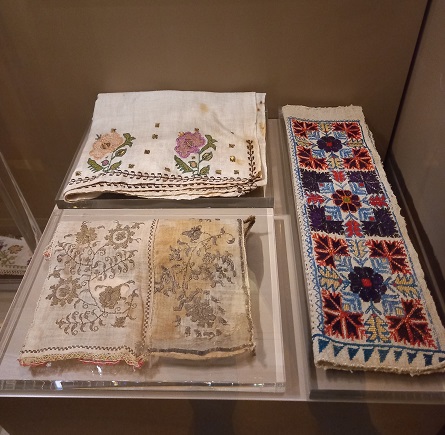
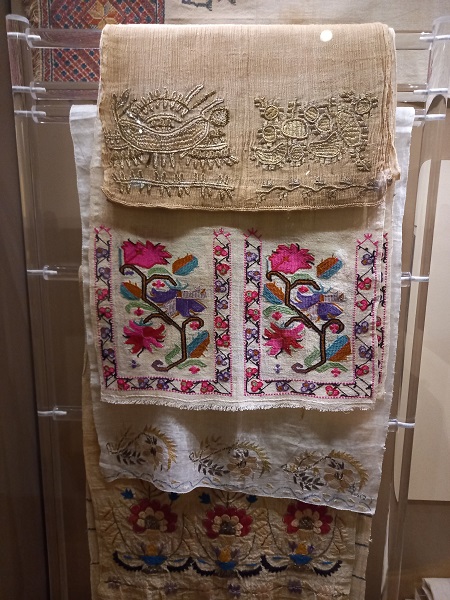
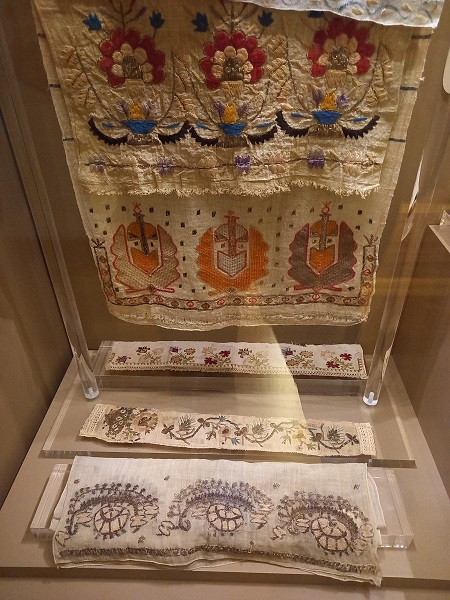
There was a costume display, and also some excellent examples of Cypriot embroidery and lace.

I think the motifs on this beautiful piece below are pomegranates, which reminds me that I really must get started on my pomegranate goldwork that I have been promising to make for about 20 years!

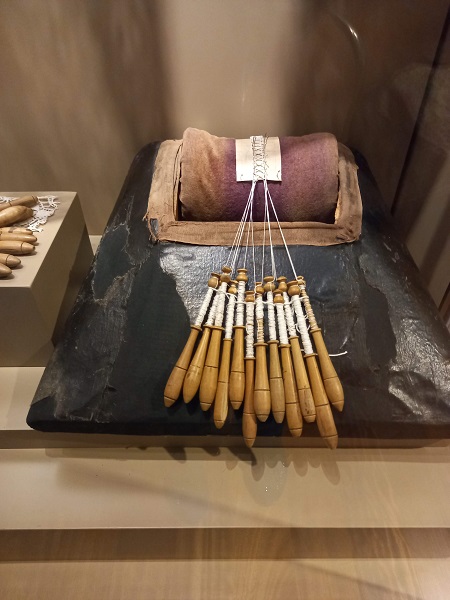
The lace is described as crochet lace on the label, so I am not sure how some of it was made, although they do show bobbins as well. I think there may be a mix of techniques used.

The embroidery examples were very interesting as well, Cypriot embroidery takes many forms, there is heavy influence from the geometry of cross stitch, but also flower motifs.

This top piece seems to use gold thread as well, as far as I could see through the case.

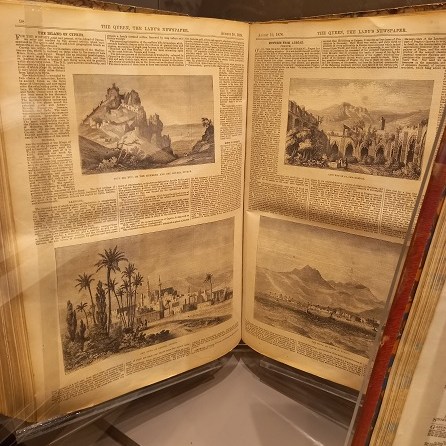
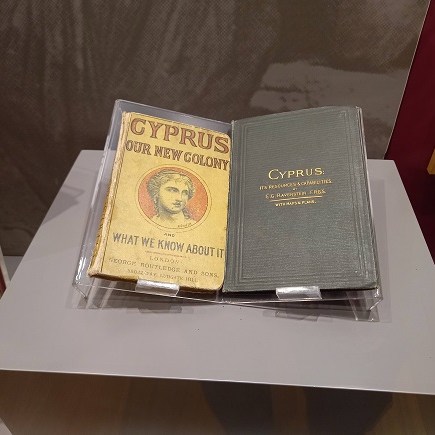
The final section of the museum looked at the influence of the British occupation from the late 1870s. There were some of the magazines published at the time, and this very interesting book. I would love to have read this to see what the impression was of Cyprus at this time by the British public.

The cross over of fashions was also mentioned, contrasting the traditional dress of the Nicosian people, with that of the Victorians who came to live there.

As with the kimono exhibition we saw recently in New York, it was interesting to see pictures of how the dress became adopted by the Cypriot people. There are few differences between the garments really, in terms of style, but dress was very much linked to social status and religion, so at first there was little mixing of fashions.

I just had time for a short wander before getting the bus back, and found another church, not hard when Nicosia is full of them!

This one was particular interesting for a mosaic of Mary, (I assume), with a distaff spindle in her hand.

Images of Mary spinning are knitting are quite common and I found this interesting blog post with more information and additional pictures.

I will be travelling over the next few days and settling into my next accommodation, so I will return soon with more adventures. I am loving this nomadic lifestyle and really looking forward to the last couple of weeks in Cyprus. I will then be reunited with my beloved Katy Kangoo for further adventures in the UK.

Until I see you next have fun, take care, stay safe and thanks for visiting.