The history of books

I spend a lot of my life reading. I always have, and consider it one of my greatest joys. As a child I was taken to the library every Saturday morning, and I still remember the thrill of graduating to the adult library, at around the age of 13, and being able to go upstairs. 

I buy books all the time, far too many, but am always tempted by an Amazon special offer, or a National Trust second hand bookshop, or charity shop. Often I get completely free books, all our campsites have a book exchange, and I have come across some lovely things on my travels.

I love books that have a historical aspect to them, either in the whole setting, or the very popular genre of duel timeline books. Most of the time though I don’t really consider the history of the book itself. Where has it been, who bought it originally, how many people have read it, and what impact did it have on them?

Ballachulish, centre of known civilisation around here, as it has the Co op, and a hotel with a pool and jacuzzi, (very handy at the moment as the campsite boiler has broken so no showers!), has a little wellbeing hub. It is full of books, toys, and often surplus veg, that people can help themselves to for a small donation. 

It was there I found this wonderful book a few weeks ago, and it really got me thinking about this book’s journey.

The original manuscript was written in Tasmania, or Van Diemen’s Land, in the late 1800s, so it in itself must have had a journey to be printed and distributed. 
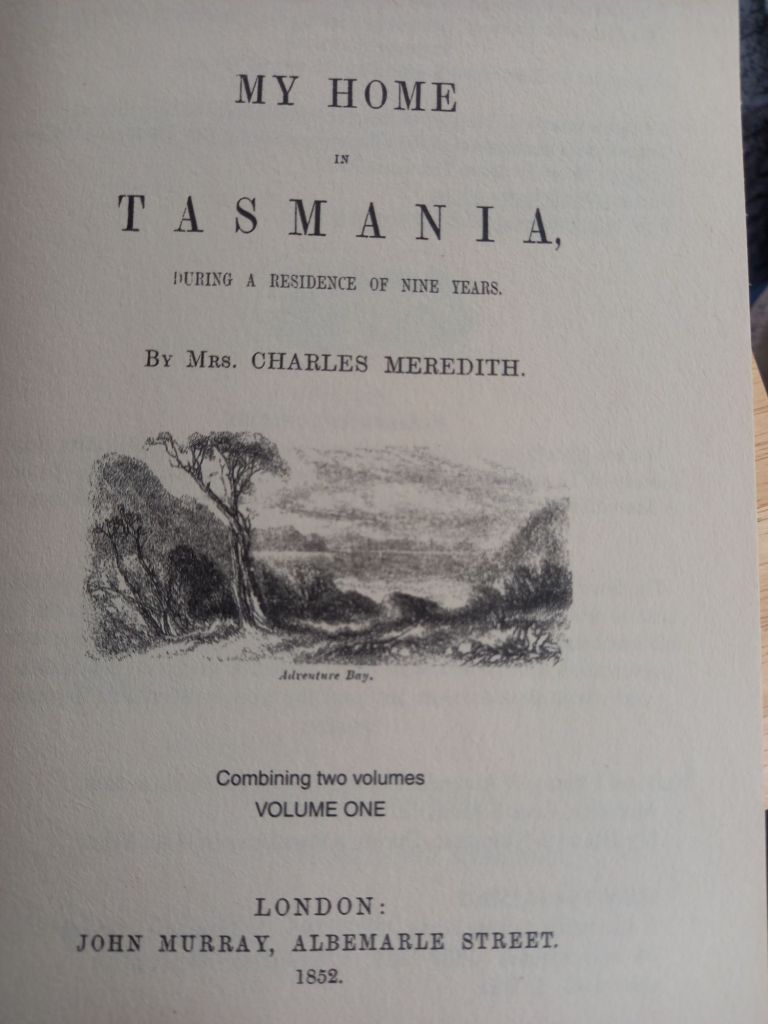
It was published in London in 1852. It was reprinted in Tasmania in 2003, by a local historical society.

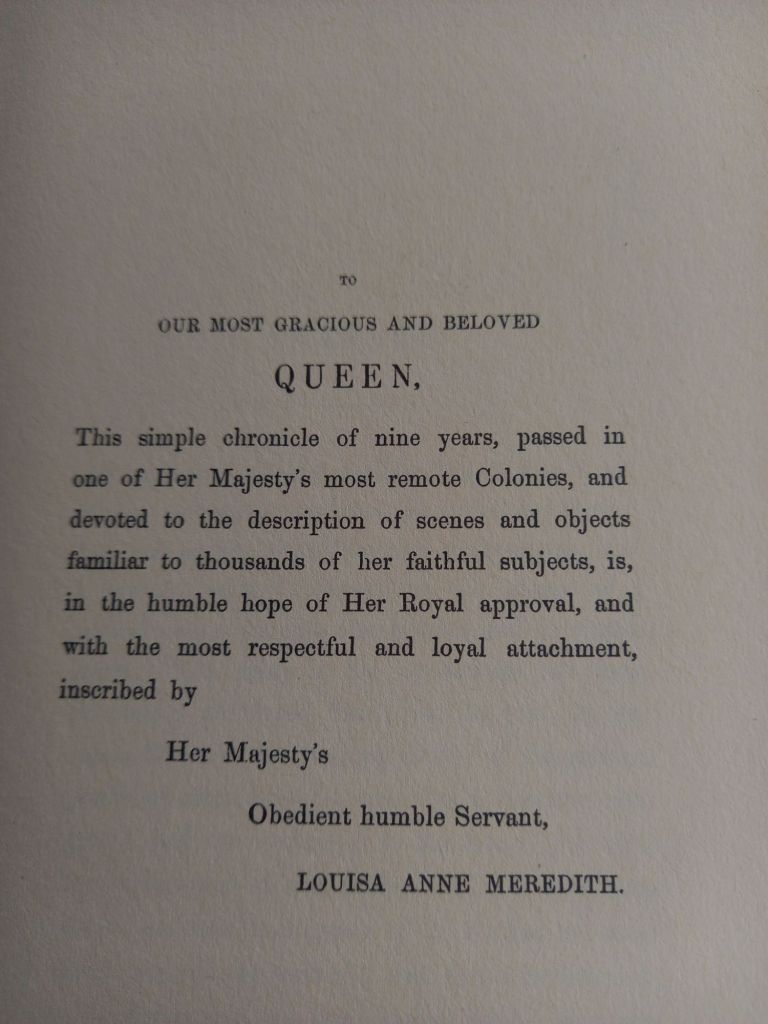
The author, Lousia Anne Meredith, although the original title page has her as Mrs Charles Meredith, wrote a dedication to Queen Victoria for her book, and I wonder if the Queen ever read it? Louise became famous in Tasmania for her work, but it is a hefty tome and maybe Victoria was too busy.
The book was absolutely fascinating, though quite difficult to read at first. The language is very much of its time, very formal and very convoluted. 

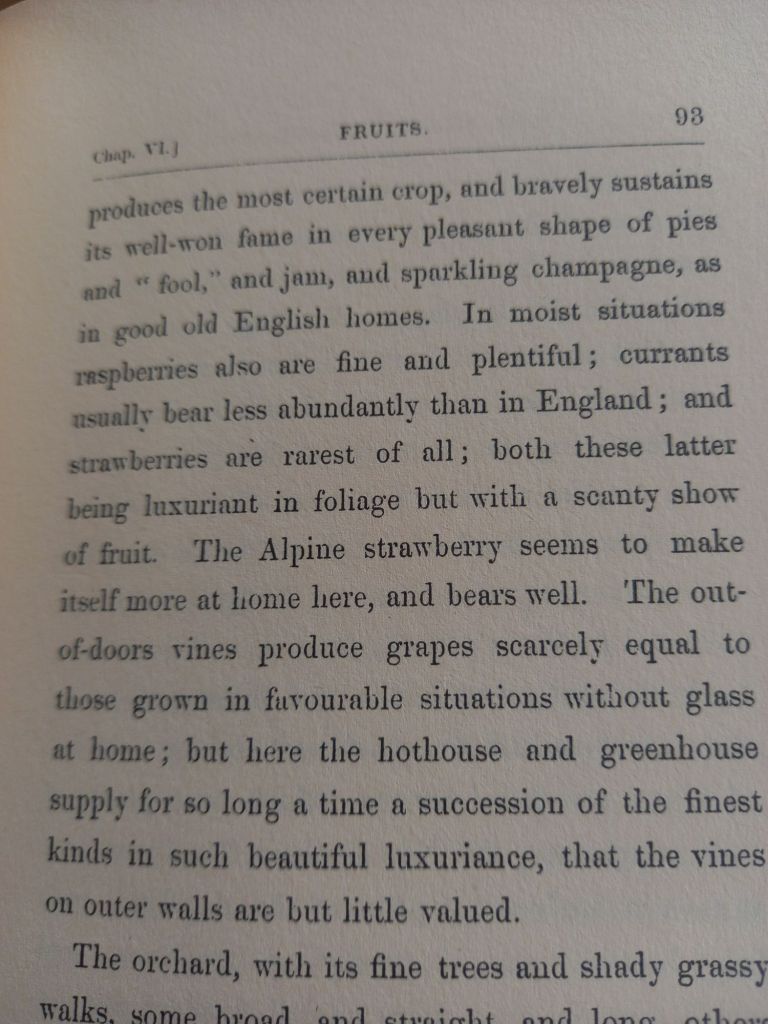
Louisa was an enthusiastic naturalist, and spends a lot of time describing the flora and fauna. She runs a homestead and so has a kitchen garden, and often compares what she sees or can grow to life in England. She also discusses social issues and everyday life.
She was born in England, and went to Tasmania after marrying her cousin Charles, who had emigrated there with his family 18 years previously but had returned to England, possibly just to marry her? The following year they returned to Tasmania. 

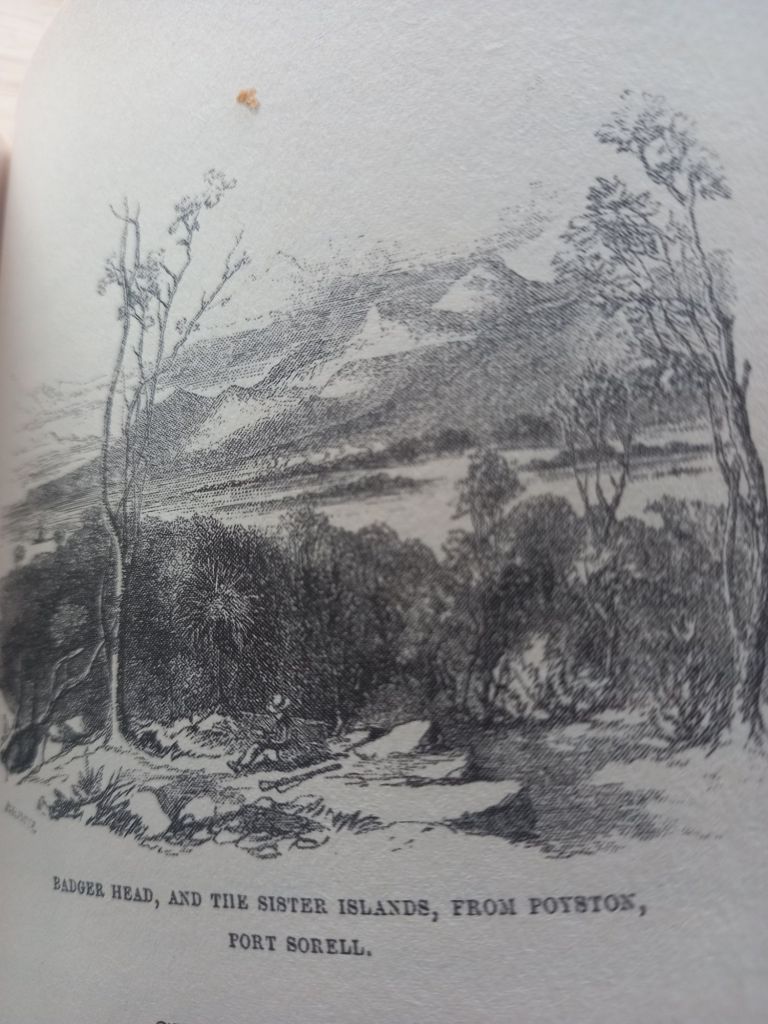
She was an illustrator, as well as writing other books for children, and may also have been an early photographer. She died in Melbourne aged 83. Her contribution to knowledge about Tasmanian wildlife is still celebrated there.
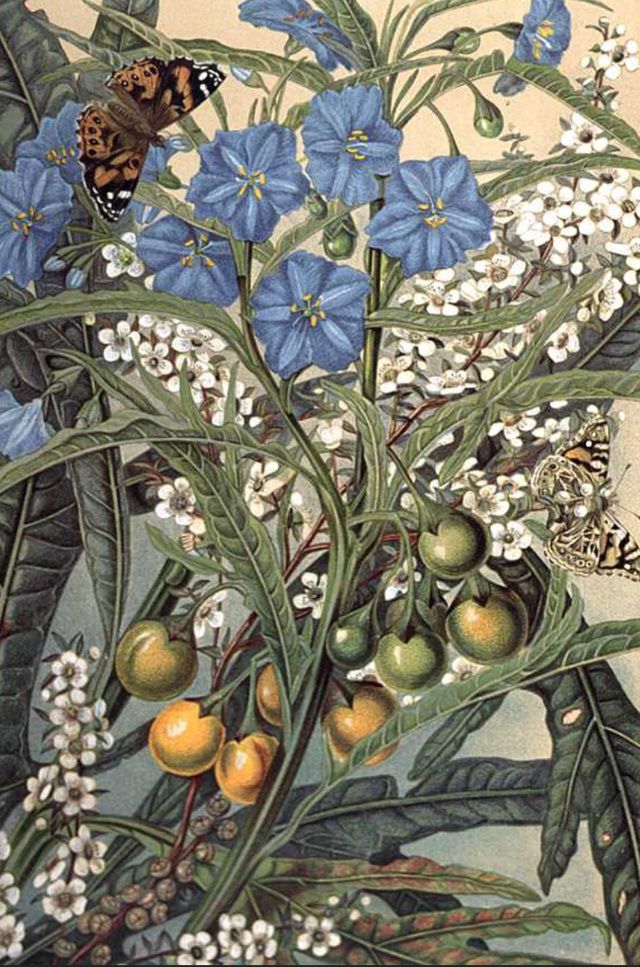
Here are a couple of her beautiful coloured illustrations, taken from the Wikipedia page about her life.
An amazing life, and to hear it firsthand is very special, but it also got me thinking about where this book has been, and the impact it might have had on its readers. 

There is a handwritten note on the second page, which leads to so many questions. 
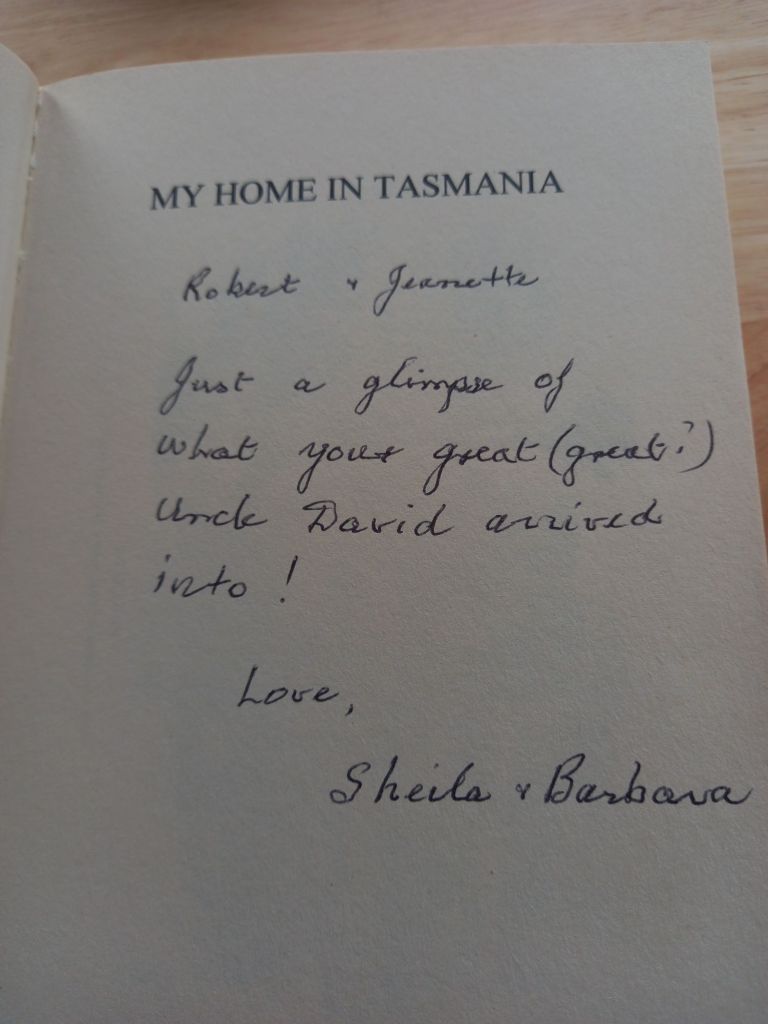
Were the givers and recipients all still in Tasmania at the time? Who was Uncle David and what was his story? Was he a settler, or one of the many people transported to the colonies for crimes committed in England.

Where did Sheila and Barbara get the book from? Did they buy it new, or was it a happy find as for me?

And the biggest question of all, how did it travel from Australia to a little Scottish village, and end up being donated?

I used to love it when I went to the library as a child and you could see all the date stamps showing when the book had to be returned by. That gave you a little glimpse into the history of the book. Was it a popular one that was constantly being borrowed, or had it languished on the shelf for months?

I have no way of knowing what has happened to this book, or all the people who have read it, but hope that they have found it as interesting as I have.

My current read is a Kindle one, so no physical book to pass through hands. I do love the convenience of Kindle’ especially as I travel so much. I have 119 books unread in my library at the moment, one of which is the complete Sherlock Holmes collection, so those would never fit in Katy!

However there is something so lovely about a physical book, especially a second hand one that can get passed on, so I am also enjoying the 40 plus of those I have got as well.

It has been lovely and sunny for the past few days, so we have managed to get some painting done of the backpacker huts.

We are due some wetter weather this weekend, but my days off today and tomorrow look good so amongst the knitting, more fundraising reindeer, and batch cooking, I will be having a couple more walks.

Hope you are having fun whatever you are doing, take care and thanks for visiting. 
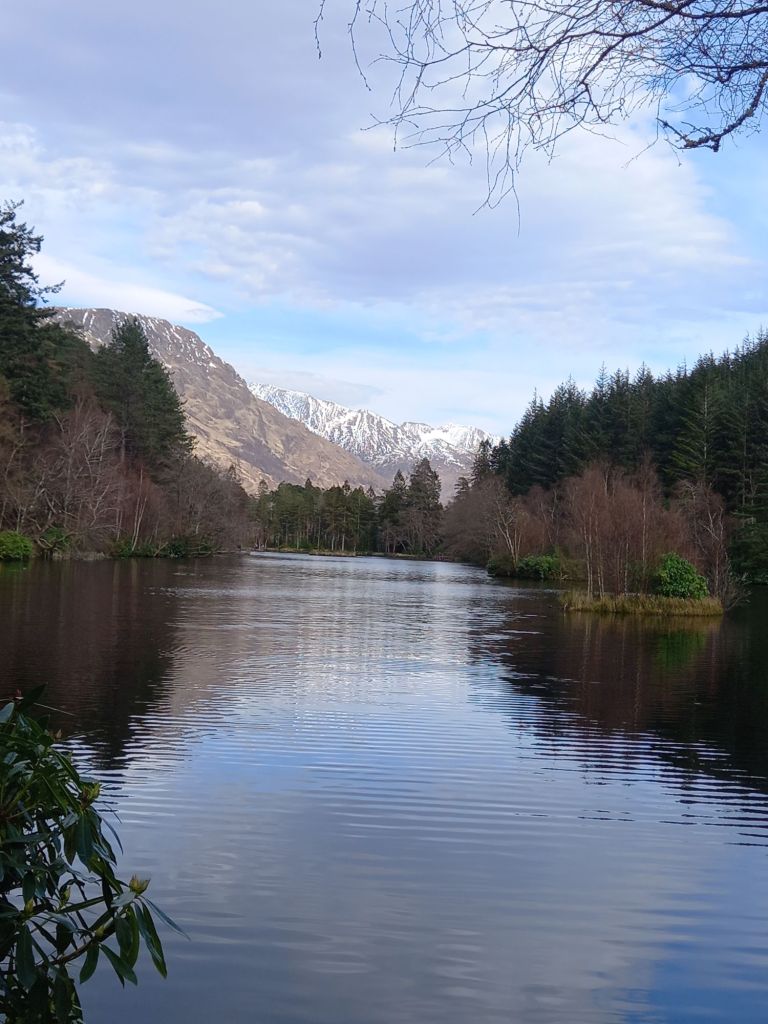
The most beautiful place in the world?

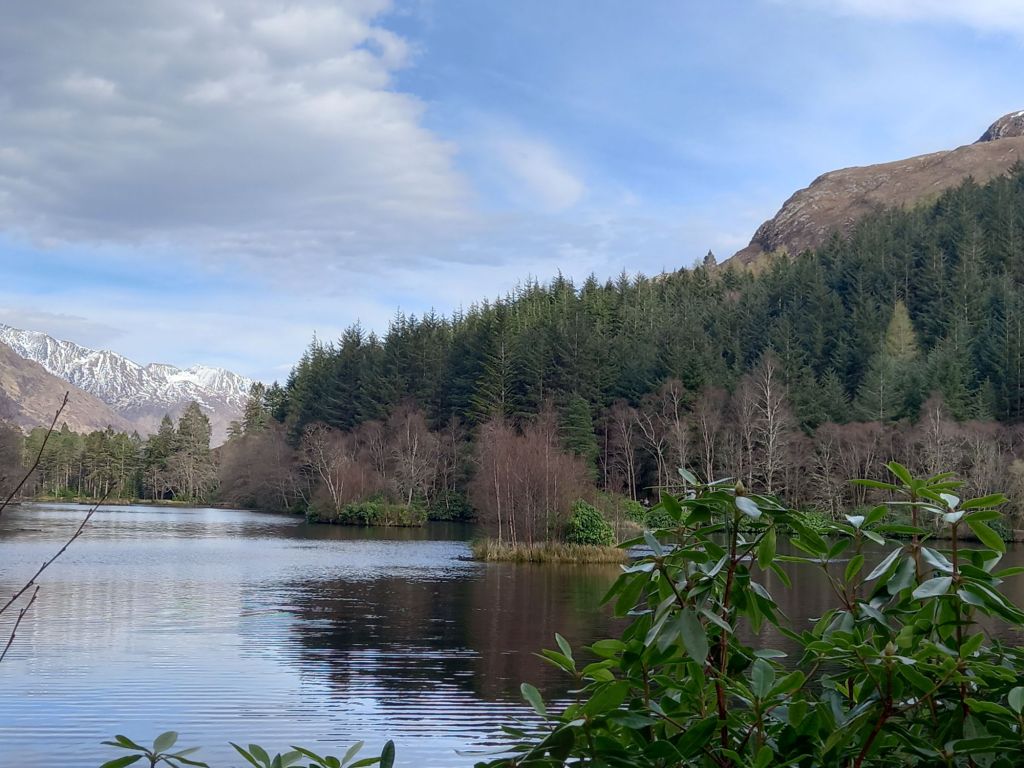
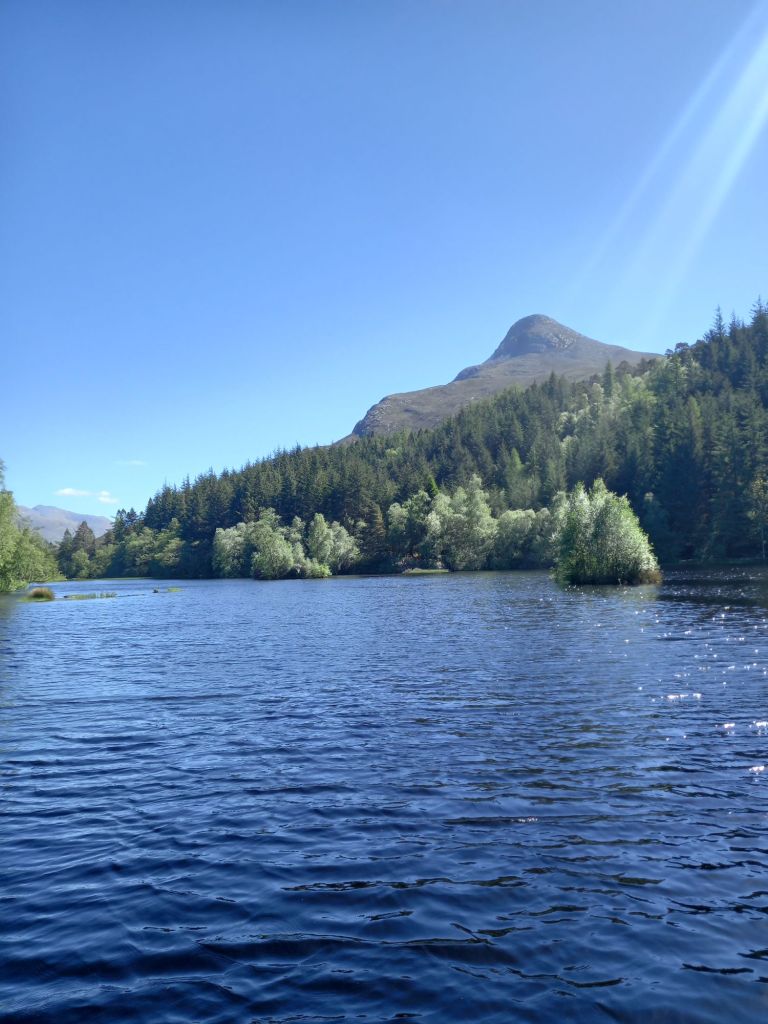
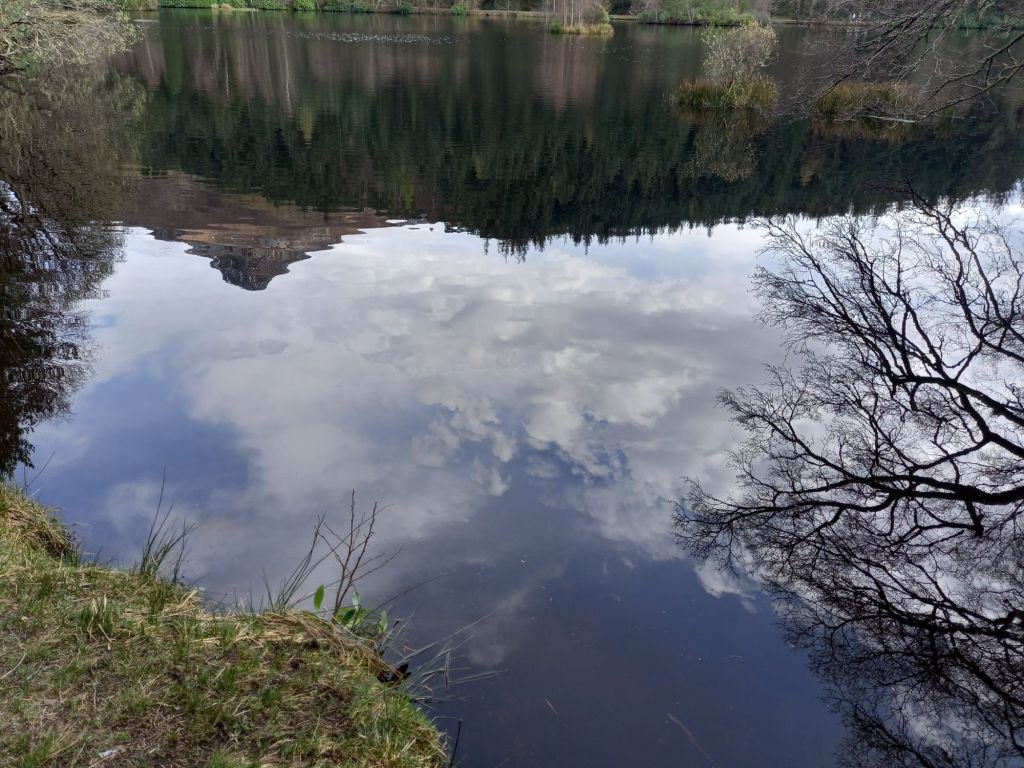
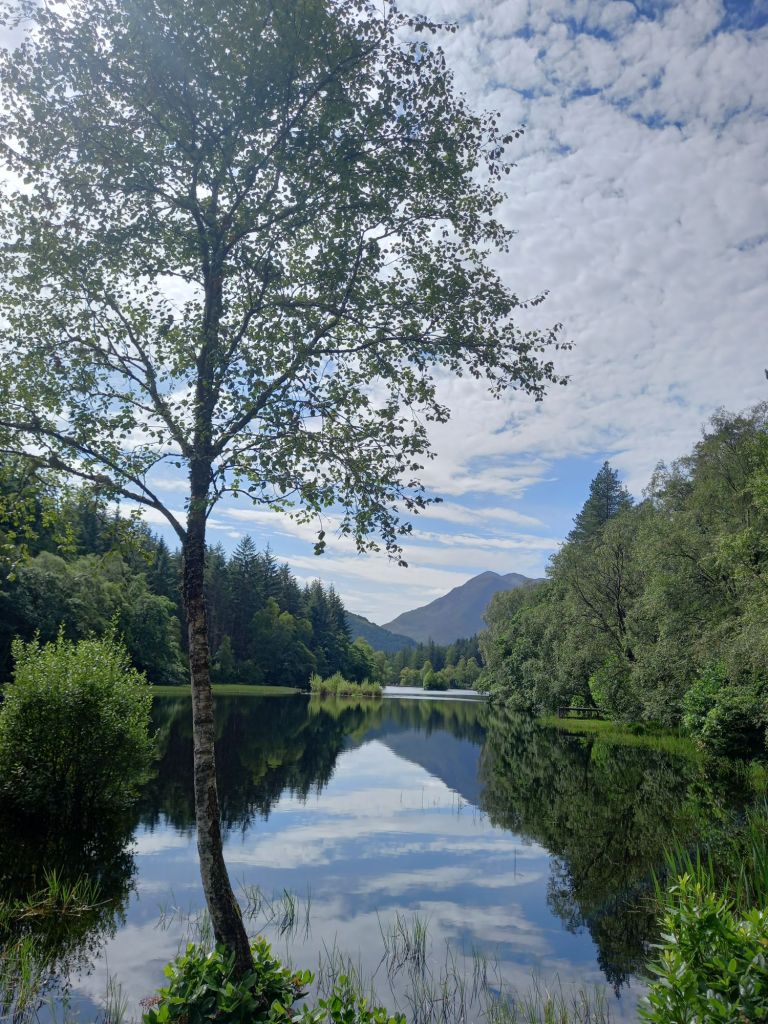
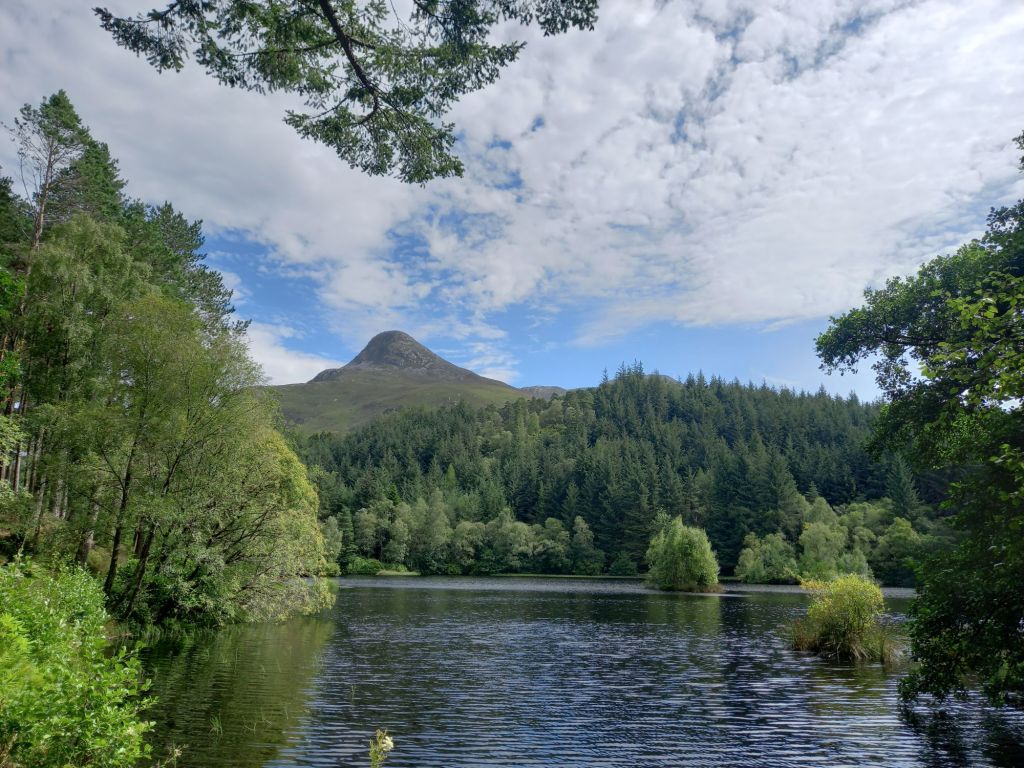
One of my favourite places around here is Glencoe Lochan. I have visited it four times now, and on my third visit with Kerry in May, I described it to her as the most beautiful place in the world.

Although I have been to many other beautiful places, wonderful cities, cathedrals and mountains I still think that this is my most beautiful place so far.

A lochan is a small lake or loch. The place came into being in the late 1800s, created by Lord Strathcona, who owned all the land in this area until 1935 when part of it was bought by the National Trust for Scotland.

Lord Strathcona made his money with the Hudson Bay Company and was a partner in the Canadian Pacific Railway.

He built a house here in Glencoe and created the lochan and its planting for his wife Isabella, as she was homesick for her native Canada.

He was born in Scotland, in Forres near the North Coast, and moved to Canada when he was 18. He was also involved in politics, being Canadian High Comissioner at one time, an MP in Canada, and Chancellor of two Scottish universities. He donated money to higher education and founded a college for higher education for women in Canada.

In 1895 he bought the land at Glencoe and built the house, later used as Glencoe Hospital. From reading the details of his life he sounds like a fascinating person, and I would love to find out more about him.

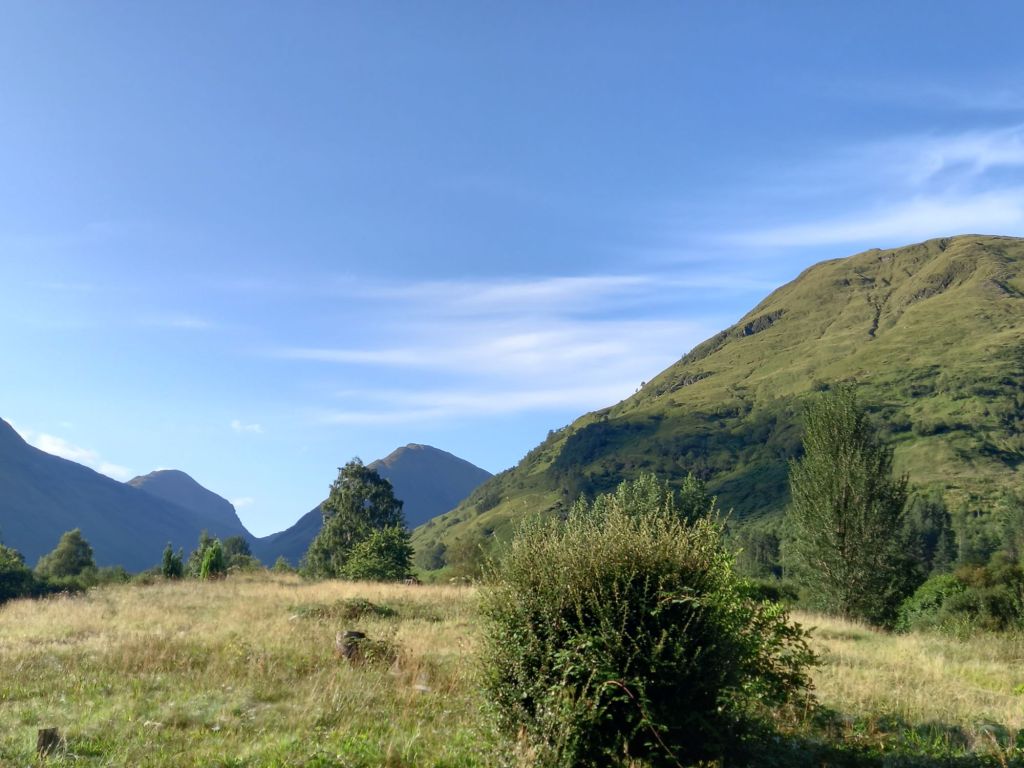
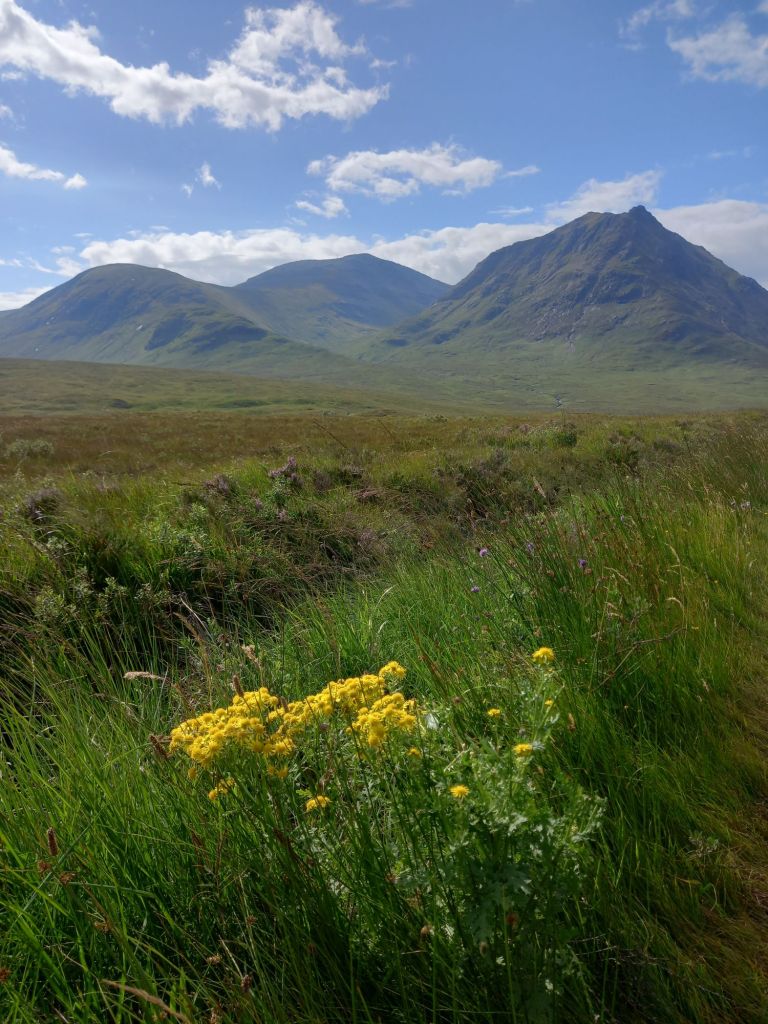
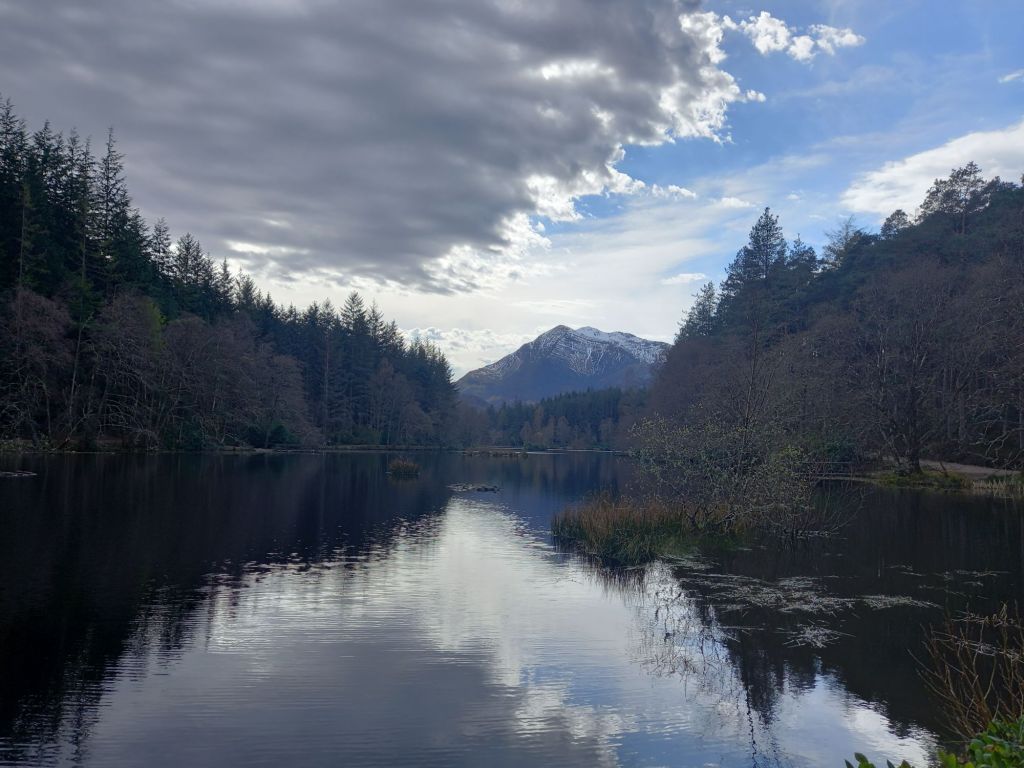
The lochan gives you a snapshot all the most amazing views around here. At one side is the Pap of Glencoe, the other the Mamores, and views across to the mountains near Loch Leven are just amazing.

There are three walking trails here, one round the lochan, a woodland one, and one up the side of the Pap, and my sister and I completed all of them last week during her visit. We had really good weather for most of her stay, so did 24km of walks over three days, which was brilliant. 

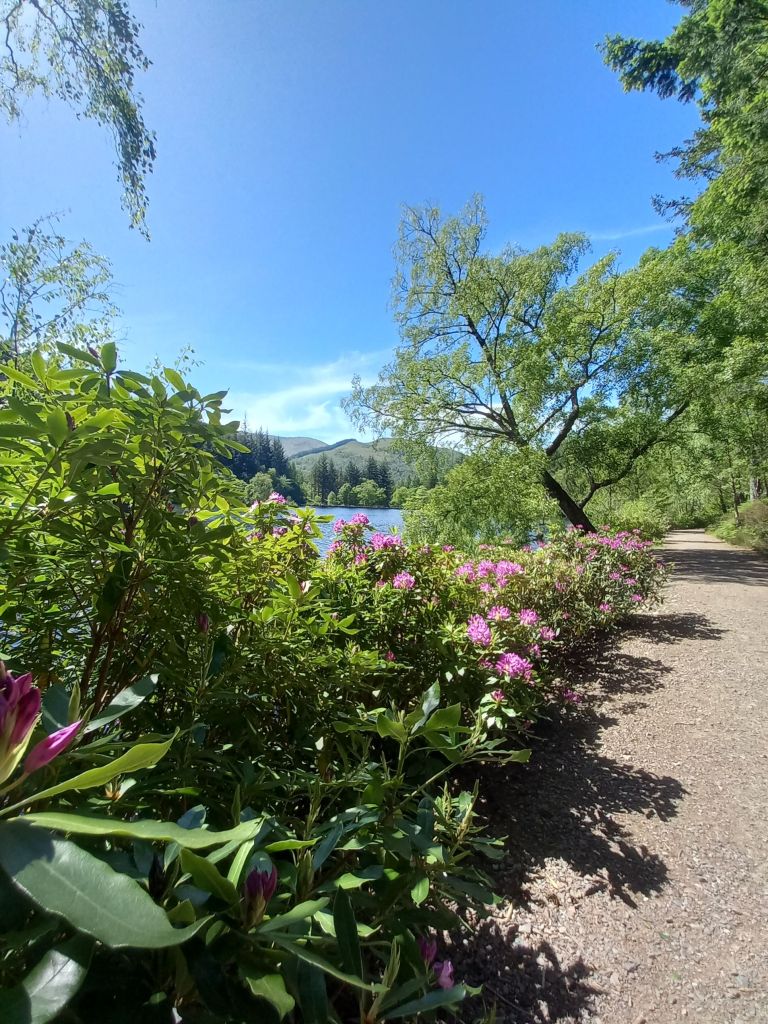
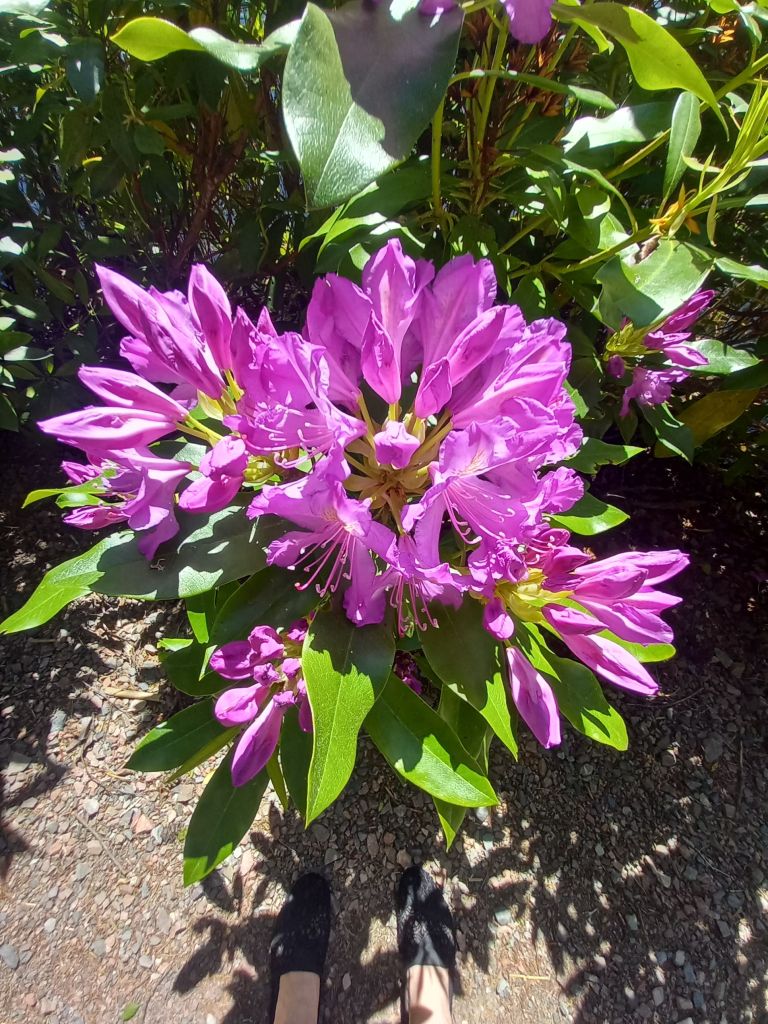
My four visits have all been in different seasons, and I will definitely go again before the end of my time here. I think my favourite time has to be when the rhododendrons are blooming, as I love them so much, but it is an amazing place at any time of year. Definitely worth adding to your list if you are in the area.

We are back to rain now and it is getting cooler, so I think this might be it for the Scottish summer. Leaves are falling and the fleecy blankets are back in use. Hopefully we will have a few more nice days for me to explore more. The heather is starting to bloom, which looked amazing when we visited Glen Etive again last week.

I only have 8 weeks left here now, which has gone so fast. I am busy planning my next set of adventures for driving back home to Spain in November!

Hope you are all having fun whatever you are doing, take care and thanks for visiting.
Following in her footsteps

When we first started visiting historic houses and castles, the family joke was that every where we went there was a reference to Mary Queen of Scots having stayed there.

What I didn’t realise at the time was that so many of these were during her 17 year captivity, or when she was fleeing from pursuers in Scotland after her third marriage to the Earl of Bothwell.

Mary’s story didn’t really become of interest to me until my daughter, Ellen, started working at Hardwick Hall. The house is now home of some of Mary’s embroidery, created during her time spent with Bess of Hardwick. 

It was then that I got really got to know more her story, and decided to find out as much as I could about her, and visit as many places she stayed at as possible.

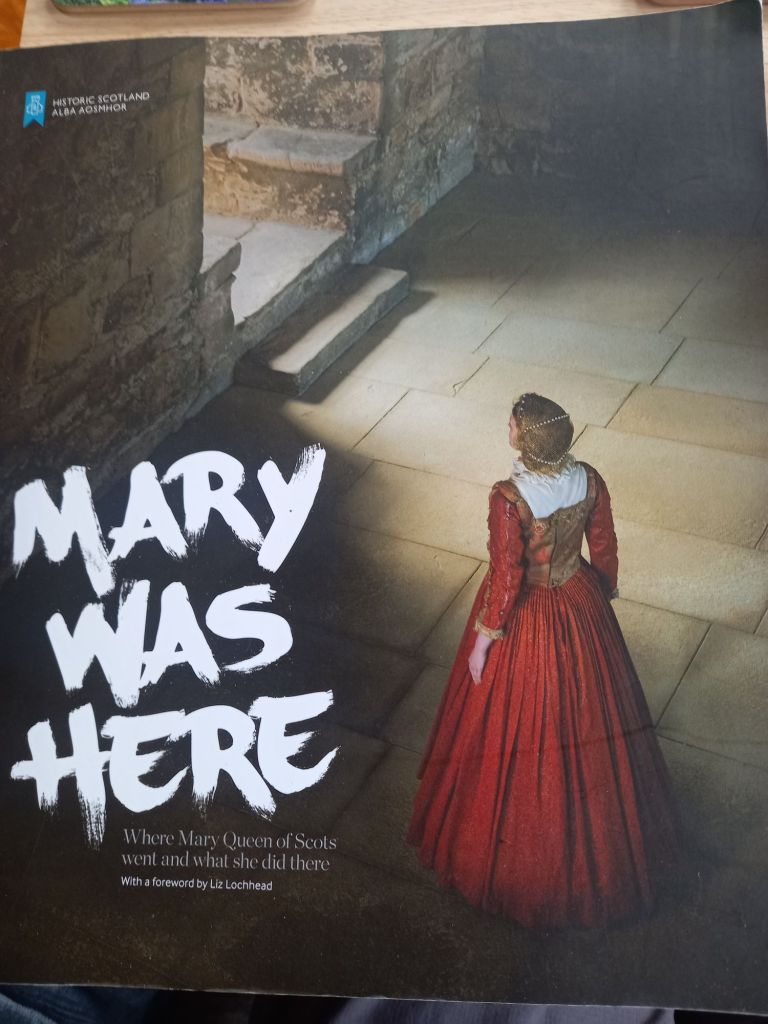
Part of this year’s trip up to Glencoe was dedicated to this, including a very special exhibition which I will tell you about later. In my quest I have been aided by this marvellous book that I bought at Mary’s birthplace, Linlithgow Palace, last year.

After leaving my static caravan at Moffat I went to Lochleven, near Kinross.  Ironically I am spending the summer near to Loch Leven, but this is a different place, where Mary was held captive for a year, in the castle on the island here.

As it was out of season the castle wasn’t open, but I had a lovely wander around the loch on a beautiful spring day.

Mary was imprisoned here in June 1567, after her surrender at the Battle of Carberry. She was pregnant, but lost the babies during her captivity here. It was here as well that she was forced to abdicate, in favour of her infant son, James, naming her half brother, the Earl of Moray as regent.

Records show Mary embroidered during her captivity here, whilst trying to get the French and English courts to intervene and free her. She did eventually escape, in May 1568, disguised in her friend Mary Seaton’s clothes.

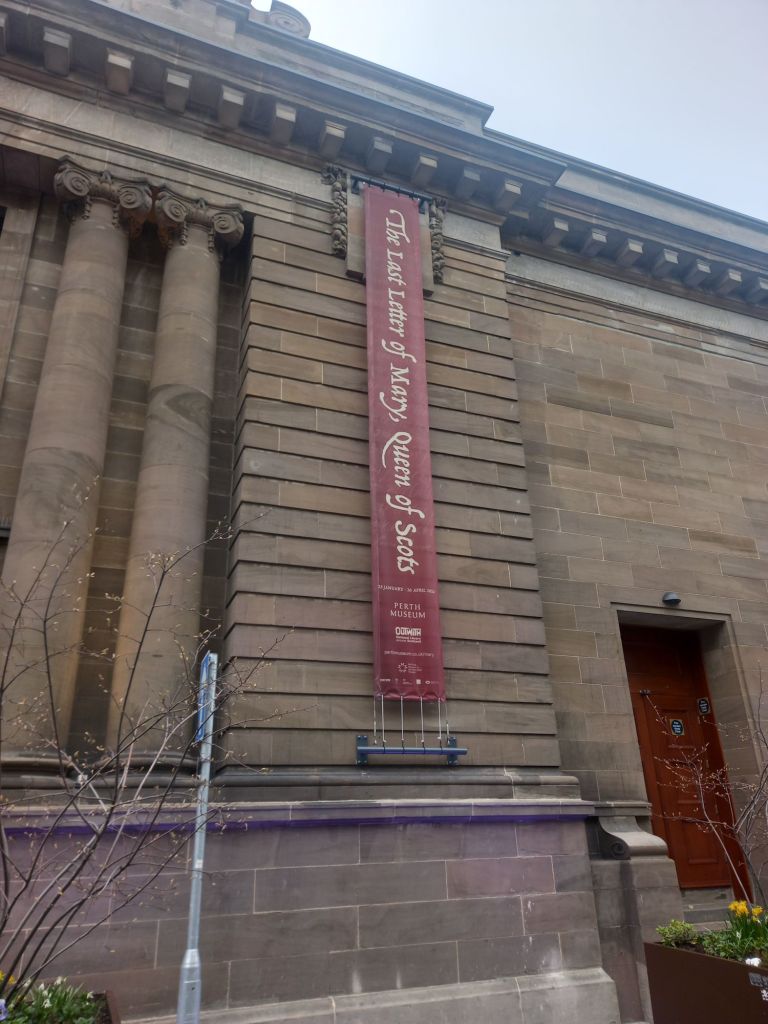
My next encounter with Mary’s history was a very special one. I was delighted to find out earlier this year that Perth Museum were having an exhibition, centered on the last letter that Mary wrote, in the early hours of the morning of her death, on February 8th 1587, at Fotheringhay Castle.

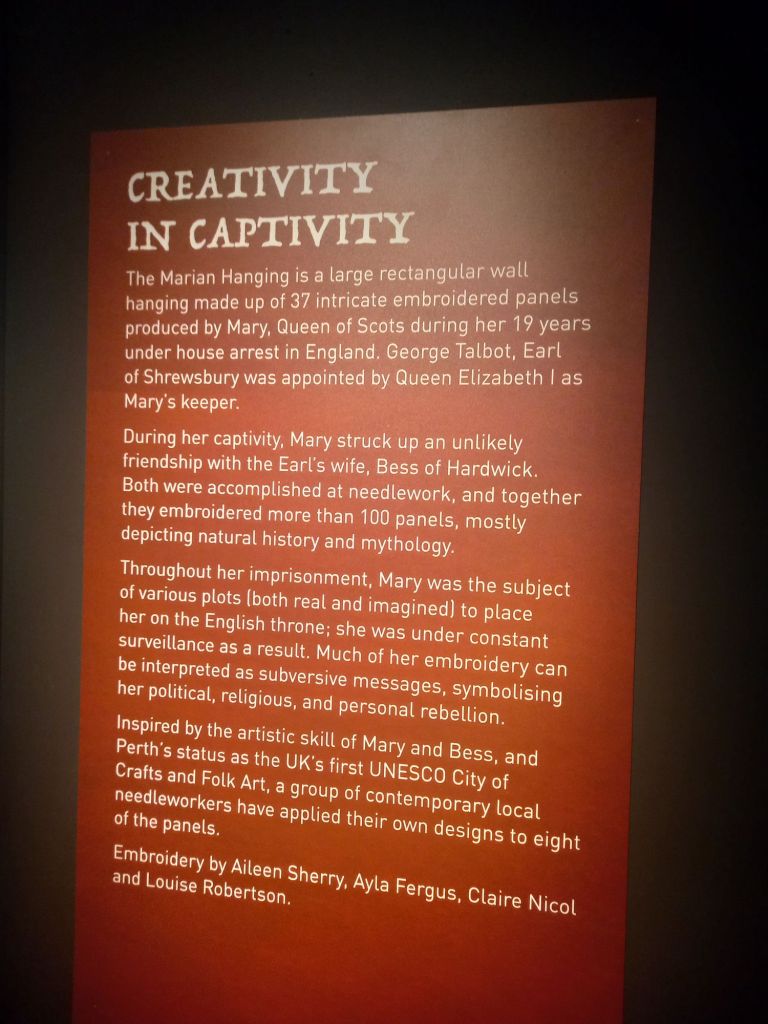
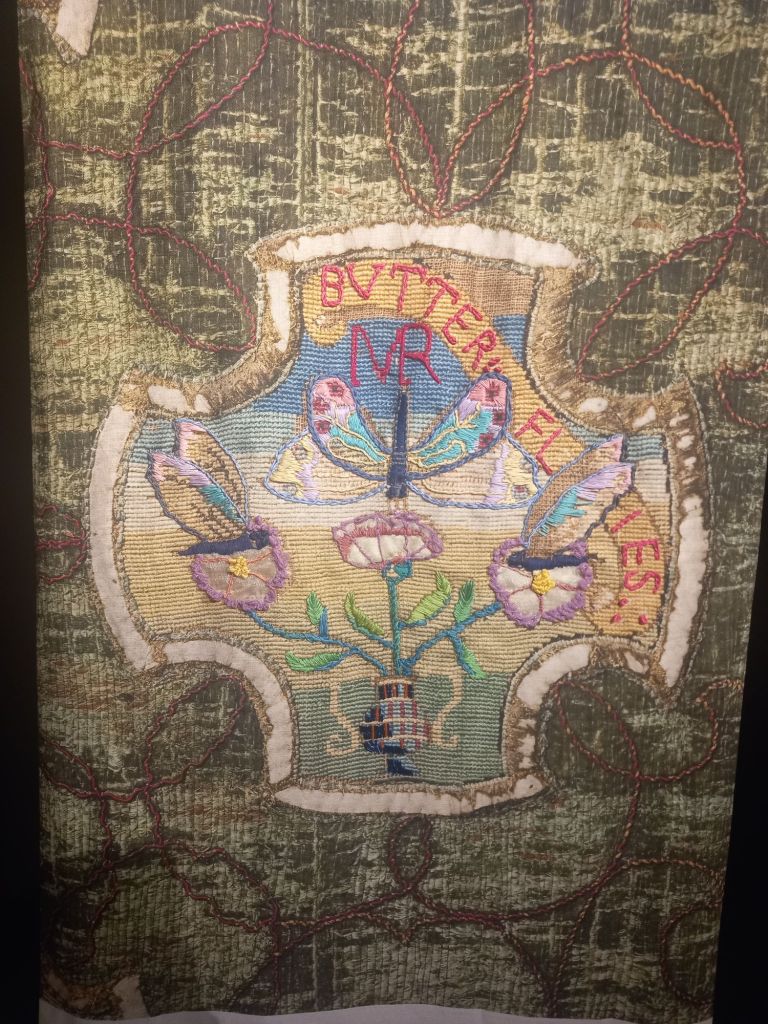
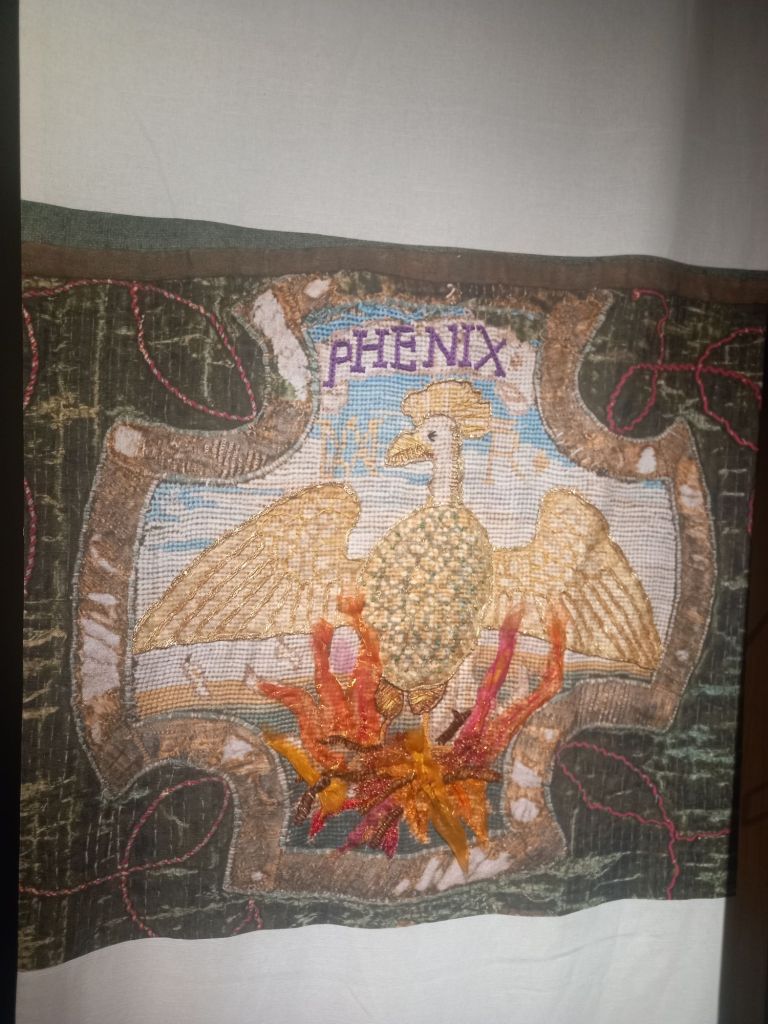
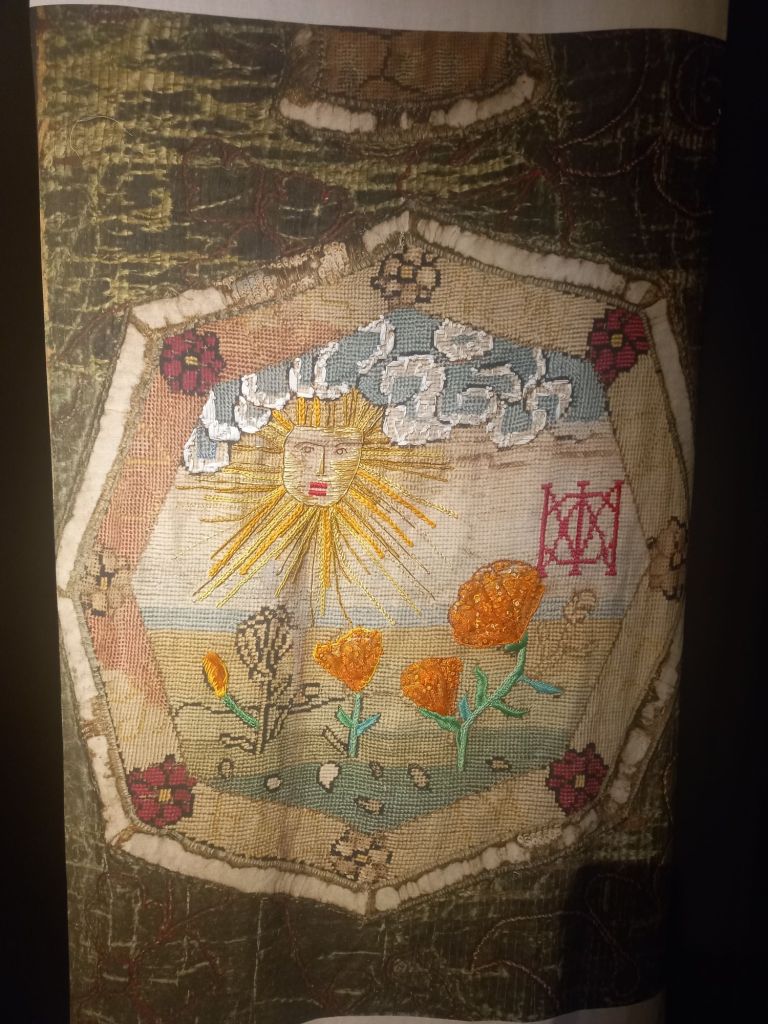
The exhibition was excellent, very moving, and made even more interesting for me as local embroiderers had embellished some of Mary’s wonderful roundels, with their own work.

The letter is very simple, written to her priest, asking for prayers to be said for her. A very moving piece of history, and I am very fortunate to have been in Perth at the right time to see it.

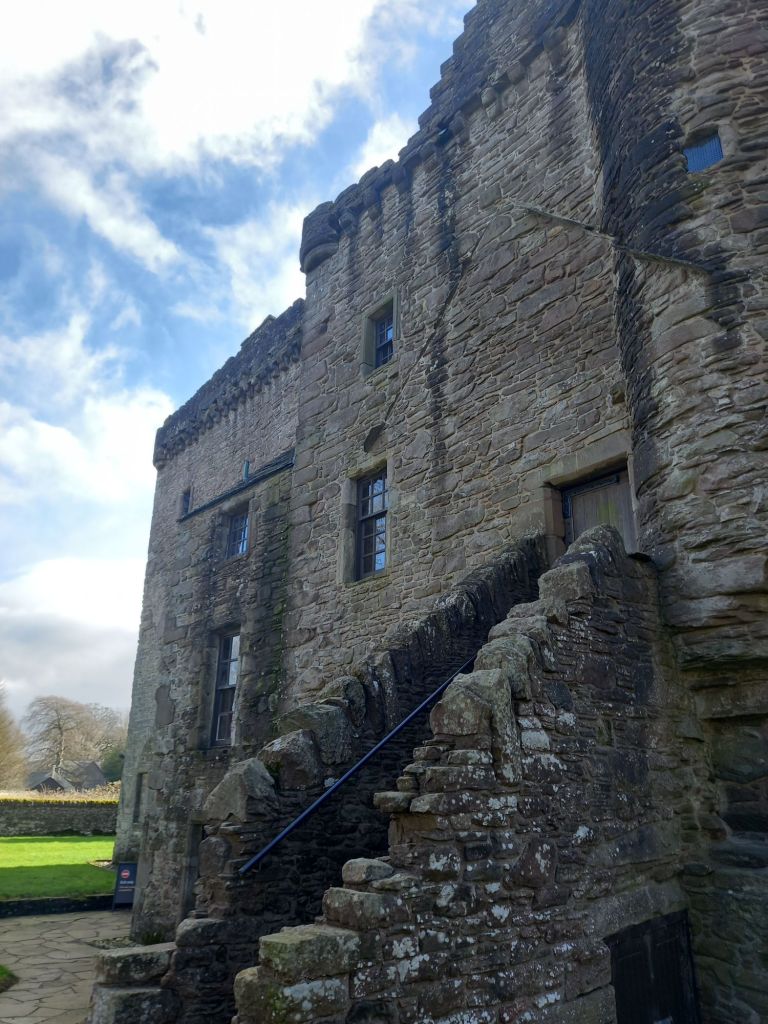
My last bit of the trail was just outside Perth, at Huntingtower Castle. Mary visited several times, in June and September 1565, just before and after her second marriage to Lord Darnley. At the time it was known as Ruthven Castle, owned by the 3rd Lord Ruthven, a man who features in many of Mary’s troubles.

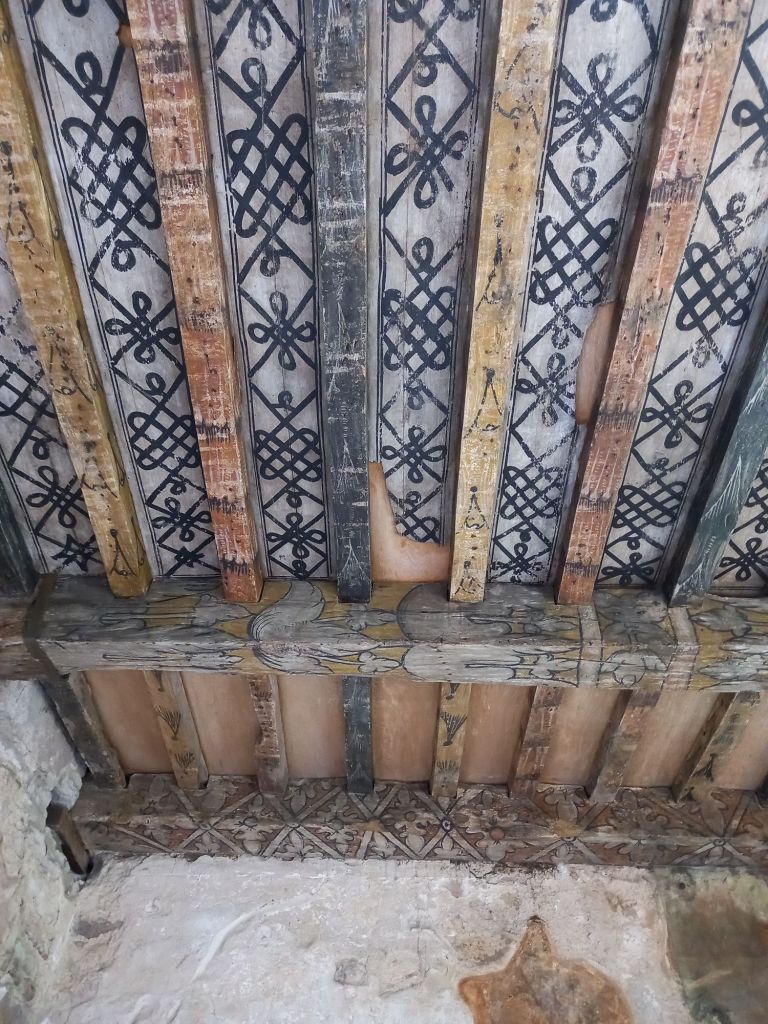
The castle is famous for its well-preserved painted ceilings, and was a beautiful place to be on another lovely sunny day.

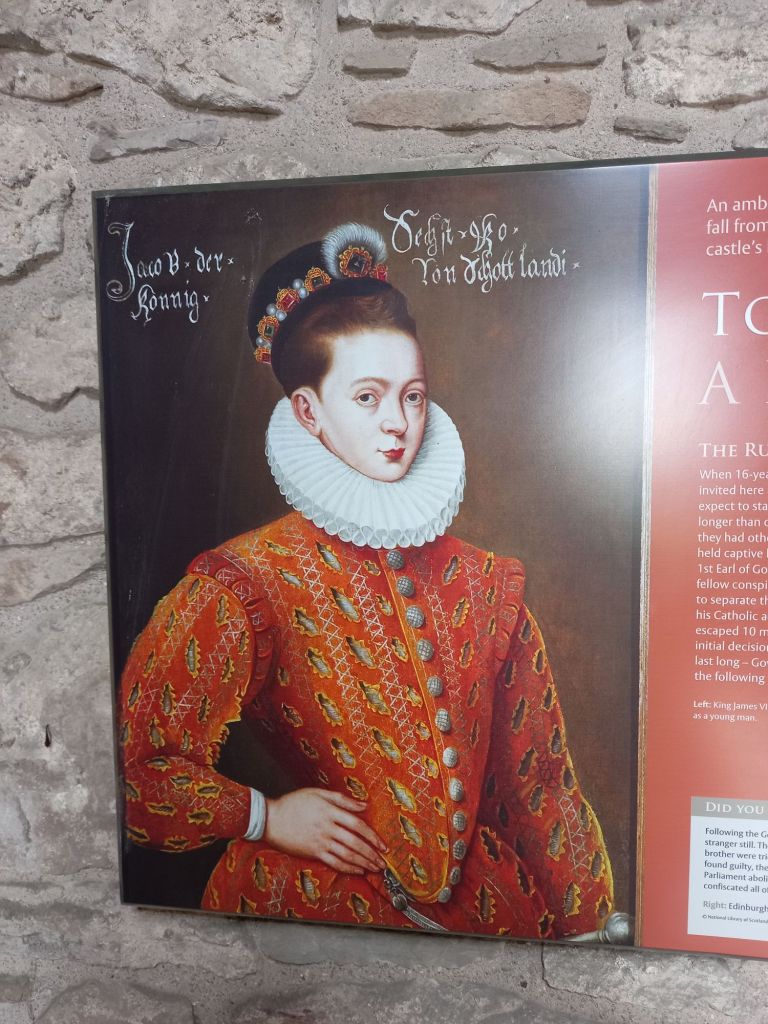
The castle is also linked with Mary’s story as her son was held captive there for a year in 1582 by rebellious nobles. I love this portrait of him in his royal splendour.

I am very much enjoying finding out more about Mary’s life through my visits. I am also hoping to maybe be able to visit some of the places that she stayed at in France on my next trips to and from Spain. There is a very useful section on that in my book.

I am planning those trips at the moment as will be driving home this autumn which is going to be very exciting!

It is also keeping me occupied on my days off at the moment, the weather has been pretty awful for the last two weeks, so I have not done much apart from visit a very nice local hotel which has a pool and jacuzzi, and knit!

Still it’s not a bad life sitting watching the clouds over the mountains, and better than a heatwave! I hope you are not suffering with the weather where you are, there seem to be so many extremes, and complications like wildfires this year, it is heartbreaking to see the damage such as that in the Cairngorms.

Wherever you are have fun, take care and thanks for visiting.