Minarets and museums

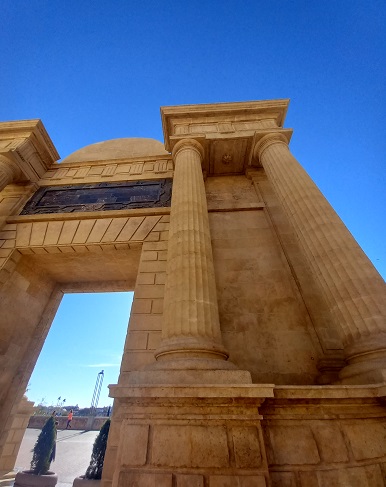
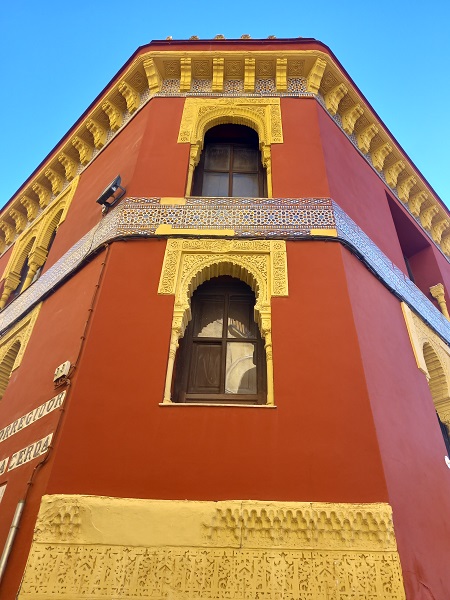
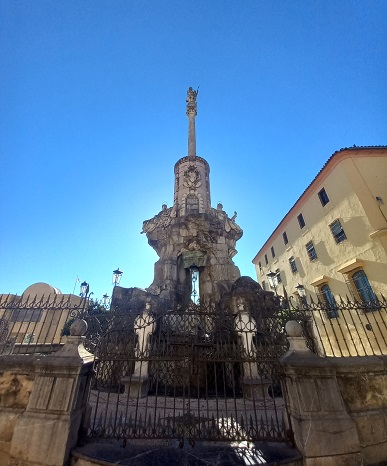
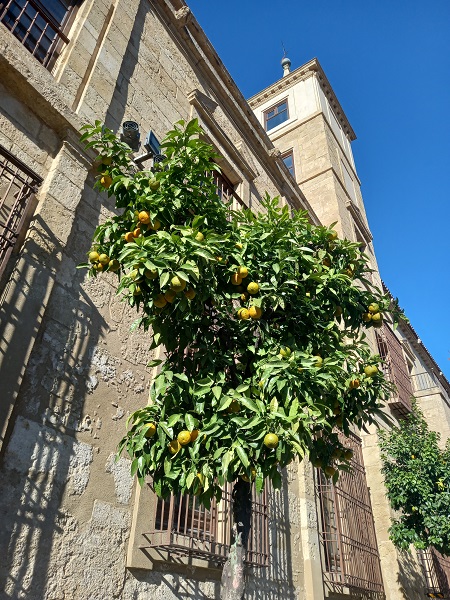
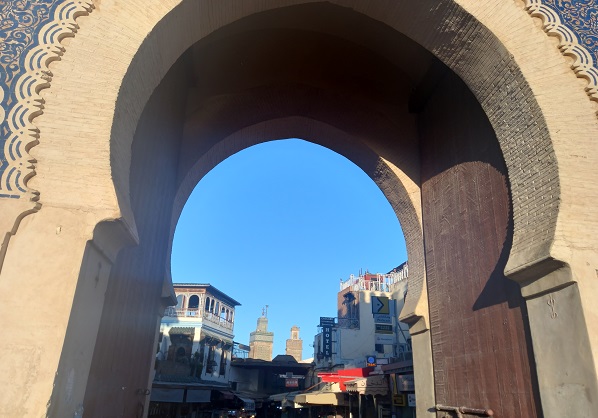
Antalya Old Town is full of the minarets of mosques, and towers dating from pre 20th century development of the city. This gives it is a beautiful skyline, especially against the blue.

I have peeked into most of the mosques, but they are very much working places of worship, rather than for tourists, and although visitors are welcome, I have not wanted to intrude.

Ramadan starts tomorrow, and in the main city park there are lots of stalls being set up, and a funfair. I am not sure if this is for the celebration at the end of Ramadan, or something that happens for the busy spring and summer period, as it is a popular tourist destination.

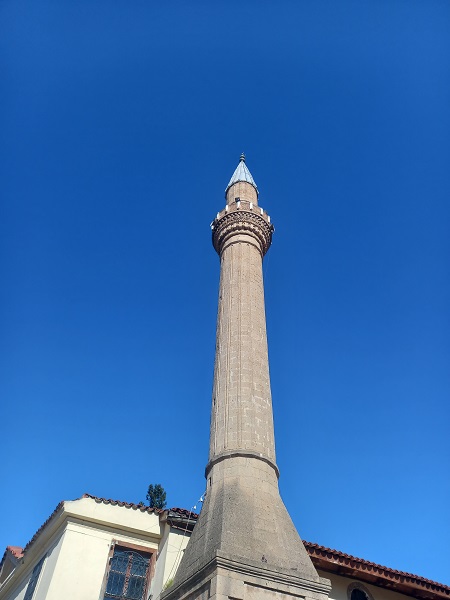
At the back of the Old Town is an area with one of the biggest mosques, with a very large fluted minaret, called the Yivlimnare Mosque, which you can see in the bottom left photo above. There is also a very beautifully restored mosque and tomb complex, which is now a museum about Dervish culture.

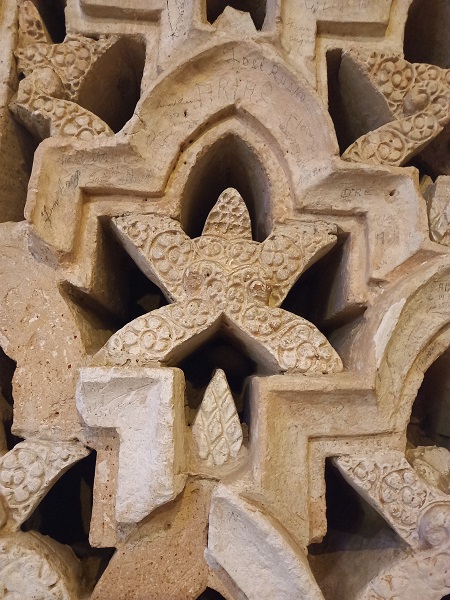
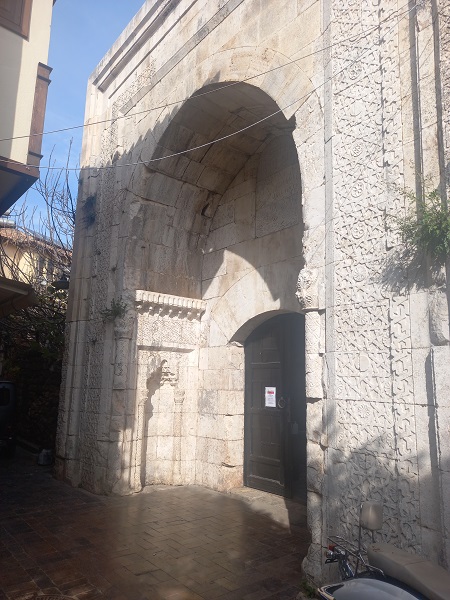
This area is still being redeveloped and also contains the remains of one of the madrassas, or religious schools. All that is left is this carved gateway.
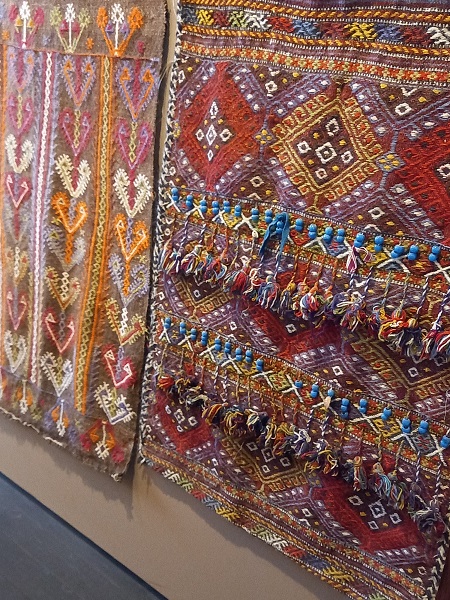
I have spent most of the last few days here visiting museums. Although small, they have been beautifully set out, and have contained lots of my favourite kinds of displays, textiles. They are housed in original mansions within the Old Town, so have been restored to show some of what family life would have been for people who lived here.

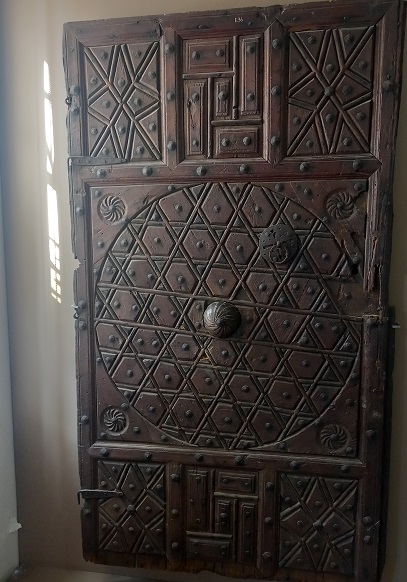
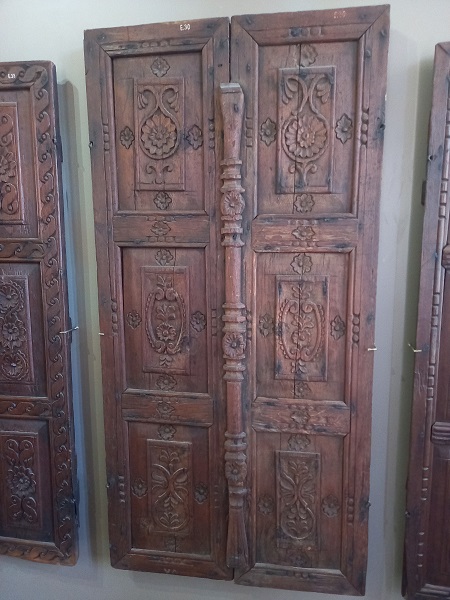
The Ethnography Museum is right next to the port. Housed in two buildings there are really interesting displays of crafts such as weaving and woodcarving.

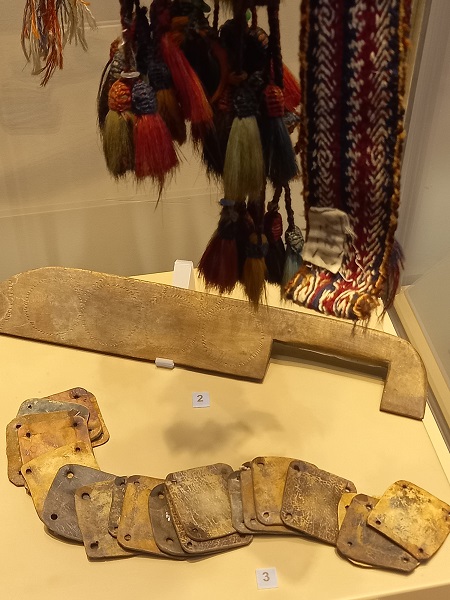
It reminded me seeing the tablet weaving cards in the top left photo below, that I did try and get to grips with this for medieval re-enactment, but never managed. These are useful for weaving strips which can be used for straps, or sewn together to made bags or saddles.
The loom is being used for a tufted carpet rather than a woven one, and you can see the individual knots of different colours on the warp.

These socks, which are knitted on five needles look very much like the ones my Norwegian friend in Spain knits, it must be so tricky doing patterns in the round, I can barely manage rib!

One of my favourite displays was this one showing a house bathroom, with the many different sorts of taps used. The household would also use the public hammams, so would take their soap and loofahs in a tin with them. Its little things like this that really bring daily life home to you, that little container and the old soaps, a simple thing but so relevant.

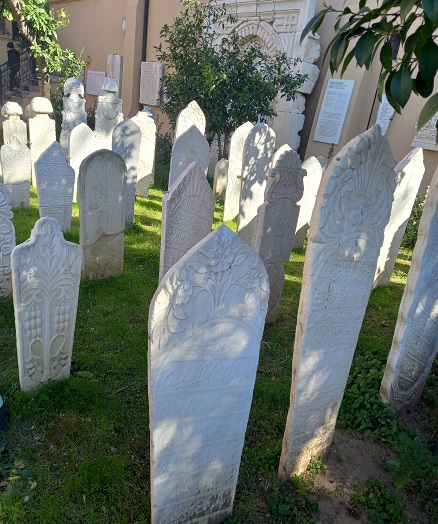
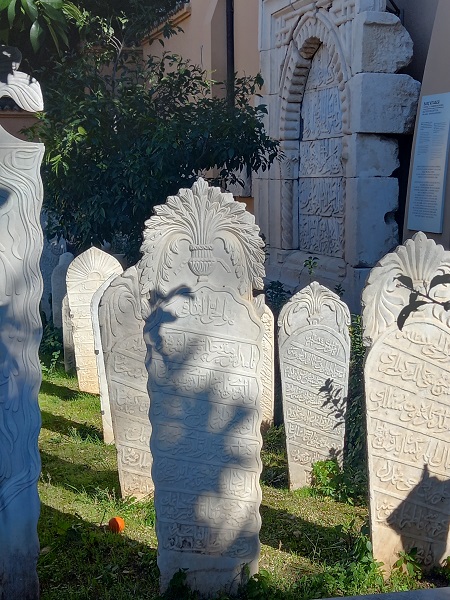
The gardens between the houses had a collection of Ottaman era tombstones. I saw some of the these when I was in Larnaca in Cyprus, at the fort. The men’s ones are those with turbans, and the women’s are decorated with floral shapes. If they died unmarried they were made to look like veils at the top. They are so gorgeously carved with different complex motifs.

The textile display was small but had some goldwork and embroidery displays.

This whitework was really interesting. There appears to be a combination of stitching and pulled work, much like Hardangar, which is very much associated with Northern Europe.

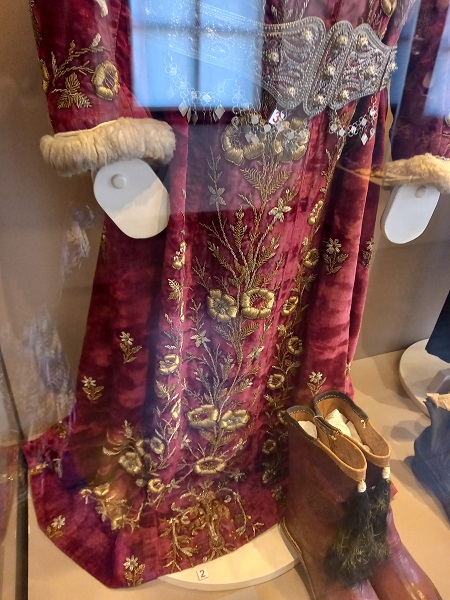
This white and goldwork robe shows so clearly the problems of looking after old textiles.

The museum answered the question of why I’ve not seen much in the way of tilework here. Even in the older restored houses it is absent. As it was so much a feature of decoration in other Islamic countries I have visited, I was surprised not to see more of it. The museum’s ceramics display stated that due to the ceramics experts keeping their methods secret, much of the craft had died out here.
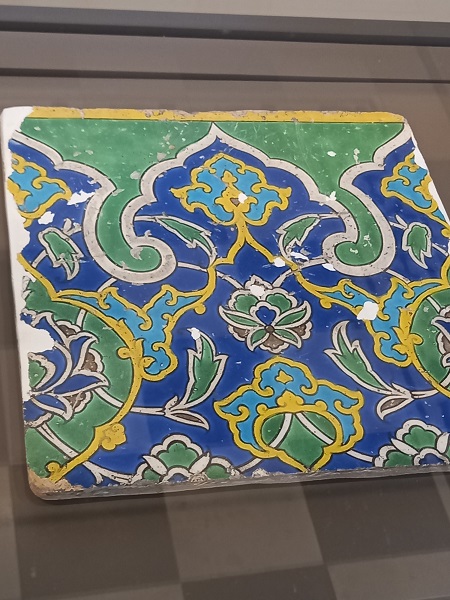
There is certainly a lot of beautiful ceramic ware for sale here, but it is very similar to what we have in Spain, so may be made elsewhere. I am trying to resist the urge to buy more of these bowls, just gorgeous!

The other museum belongs to the University here, again really well restored, and displaying life in the courtyard houses of Anatolia.
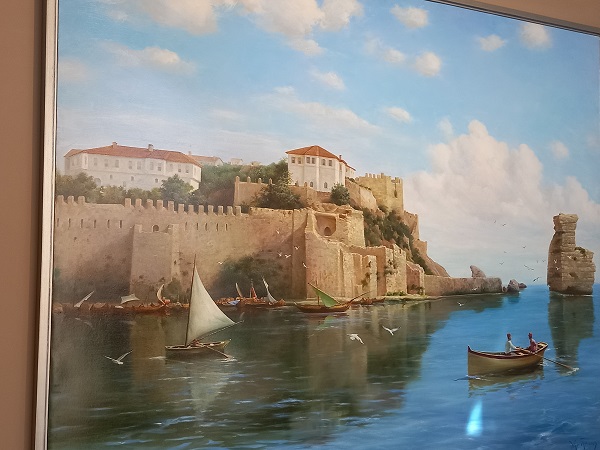
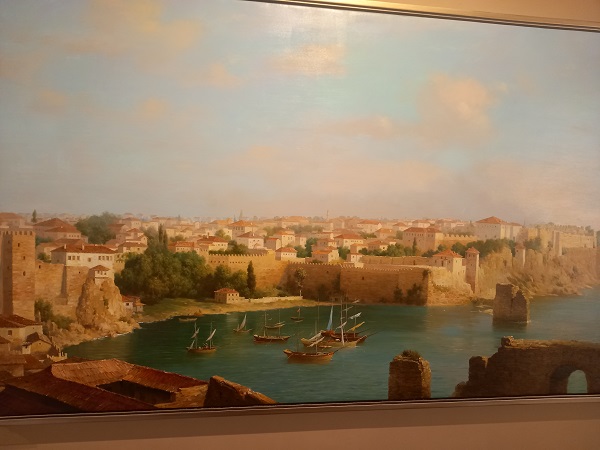
I love these paintings of the port, no date but I am assuming late 1800s, before any modern development.
Although I couldn’t get any very clear pictures, there was a display of an embroidery frame with a box of thread next to it.

Much of the embroidery I saw was on very fine materials, often gold and metal work on silks and fine linens, such as veils and gowns, so I assume a lot of it was frame based.
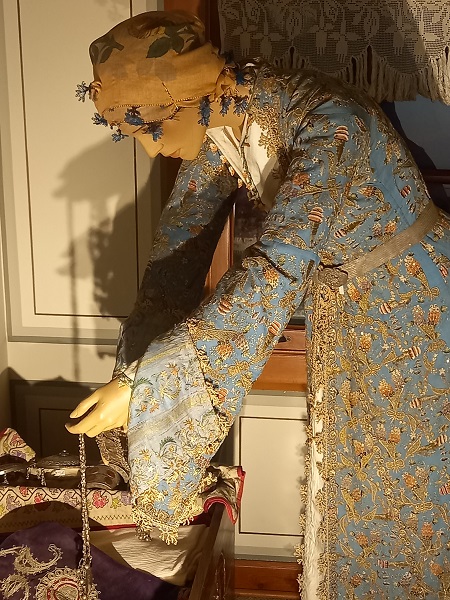
This picture is dated 1931, a woman and her friends. Possibly they are dressed for a wedding as the information was about wedding rituals.

There was also quite a lot of regular count work, that looked very reminiscent of cross stitch, but on evenweave, and some vibrant examples of flowers.

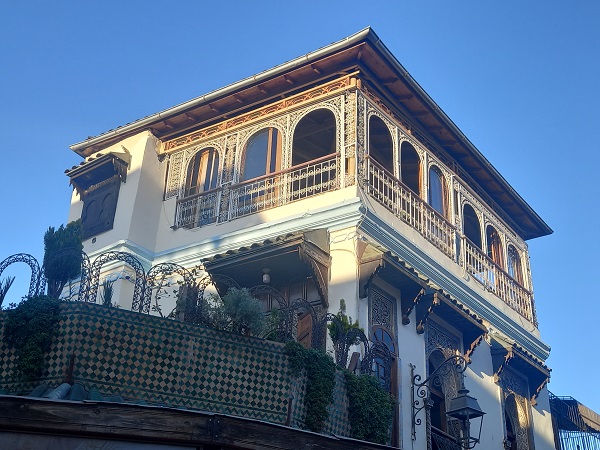
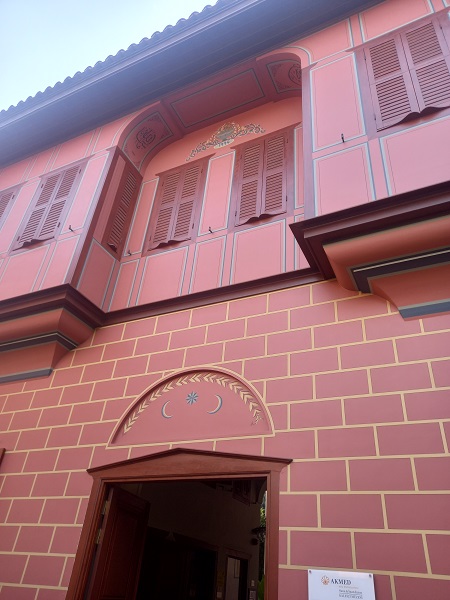
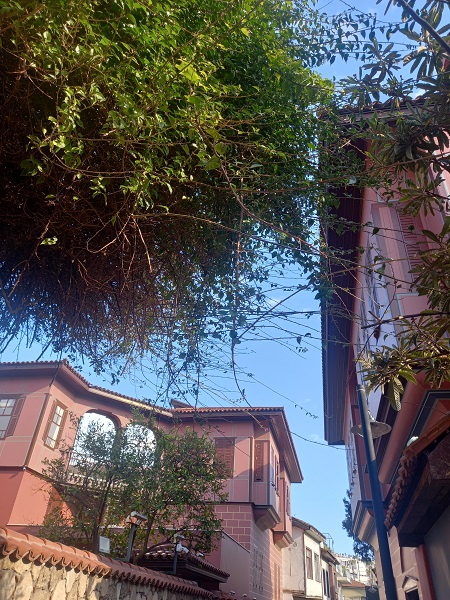
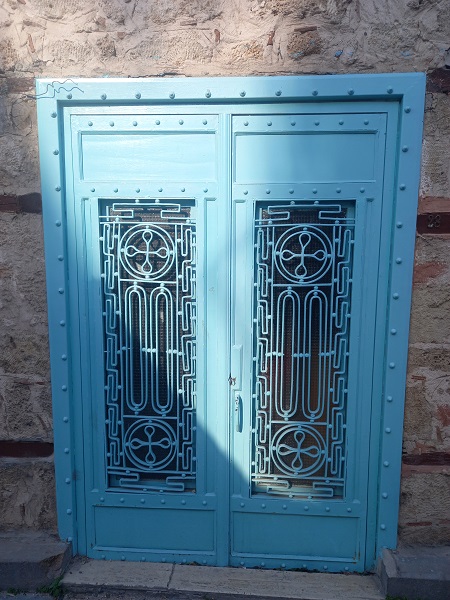
As well as the focused visits much of my time has just been wandering again, noticing little things about the architecture. I have discovered even more lovely windows and doors 😉

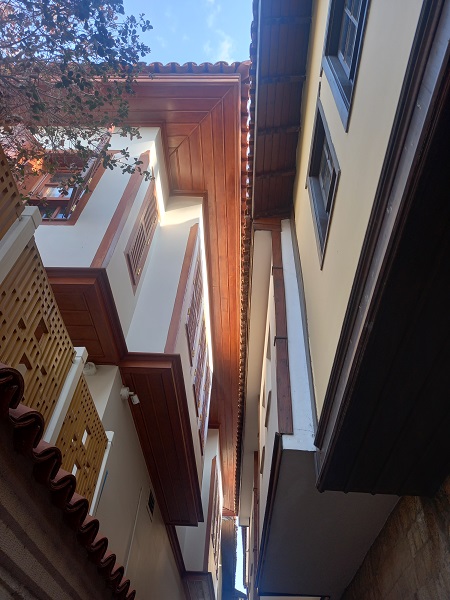
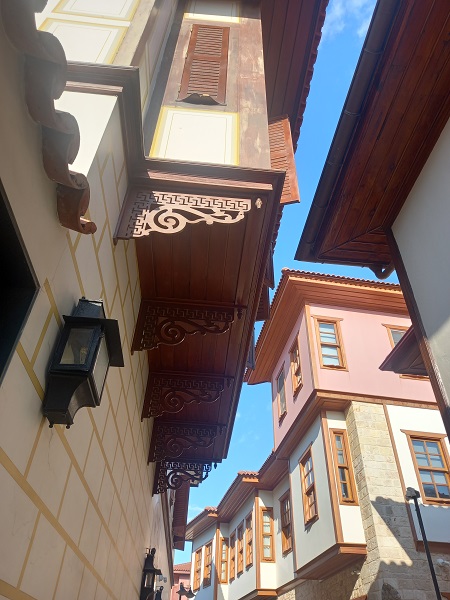
There are so many gorgeous little things that people probably don’t even see unless they look up. Like these carved supports for the windows, and the way that the roofs nearly touch in some places. It must make restoration really tricky here. I thought the same in Morocco, everything must have to be done with such care.
I have also had a little wander around the more tourist focused area, up at the top of the Old Town. Antalya is definitely the place to come if you want jewellery, I have never seen so many jewellery shops, and there are also some amazing sweet shops.

With those, and the incredible bakeries and cake shops you could end up eating something different every day for a month. There are so many varieties of sweet stuff here, baklava, rice puddings, meringues, as well as so much Turkish Delight of all shapes and colours.

I stopped one day for a coffee just because I loved the cups it was being served in, so detailed. I’m not a huge coffee fan, and when I do drink it I have it very milky, so the little cubes of Turkish Delight were much appreciated. It was so strong ;-0

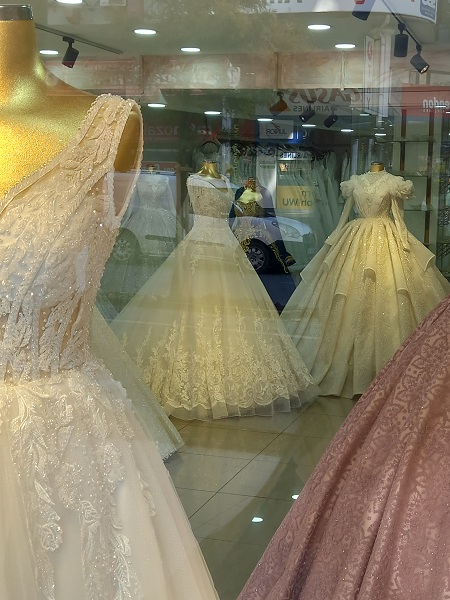
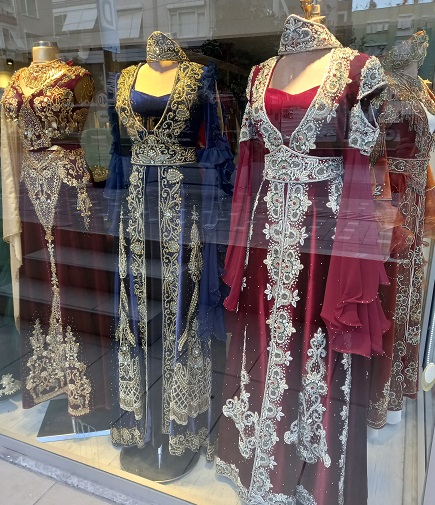
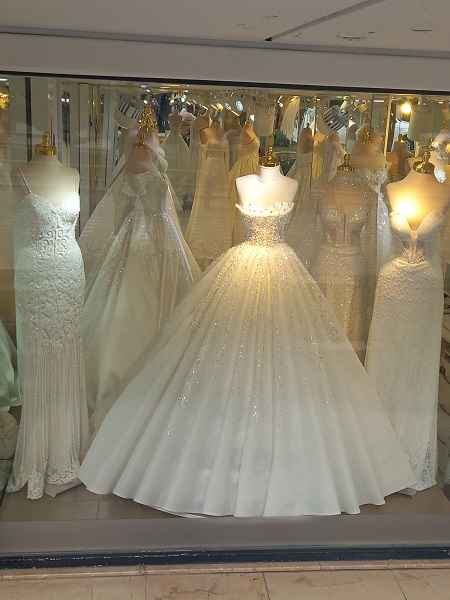
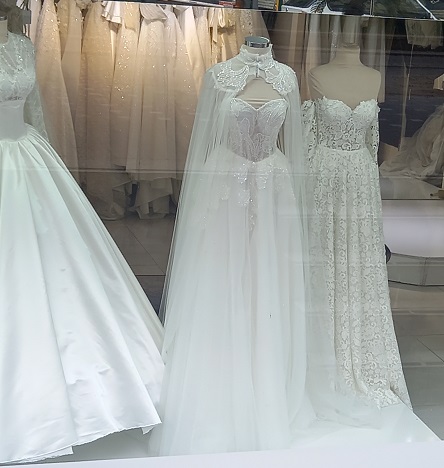
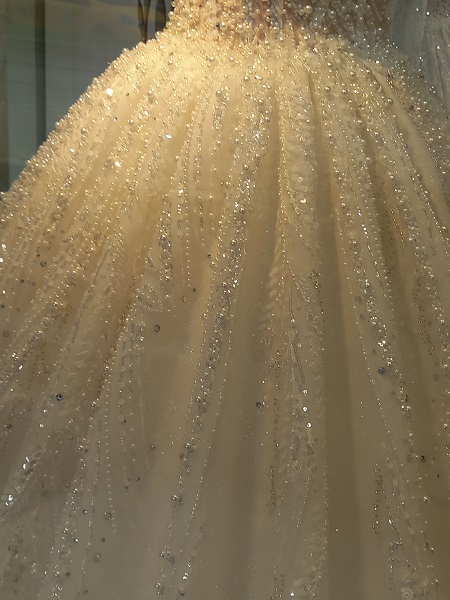
The other thing that has amazed me about Antalya is the sheer amount of bridal shops here, selling the most amazing gowns. There is one street near my hotel with about 30 shops. Most are white or cream dresses, but there are some more traditional colours displayed as well. If you are wedding shopping come and do it here, I saw one shop advertising bride AND groom outfits for £500 in total 😉

The detail in the beading is amazing, so you can guess what I’m going to be making next for my Barbies!
I only have two days left here. There is one more museum to see, and I shall have a last wander round the port to look at the mountains. The weather is going to be glorious tomorrow, 20 degrees, so you may well find me with a cold beer in a bar overlooking the harbour. I shall really miss these mountains. Turkiye you have been brilliant, and I am looking forward to more of your joys on future visits.

I do have a few more mountains coming up in the next few months though, and am excited that next week I am reunited with Katy, and we are on the road again. It seems forever since we were adventuring, and we are going somewhere that holds a very special place in my heart. I have been before, but not to some of the area, so am very excited. All will be revealed in a couple of weeks!

Until then, as always, have fun, take care, stay safe and thanks for visting.
Exploring Andalucía

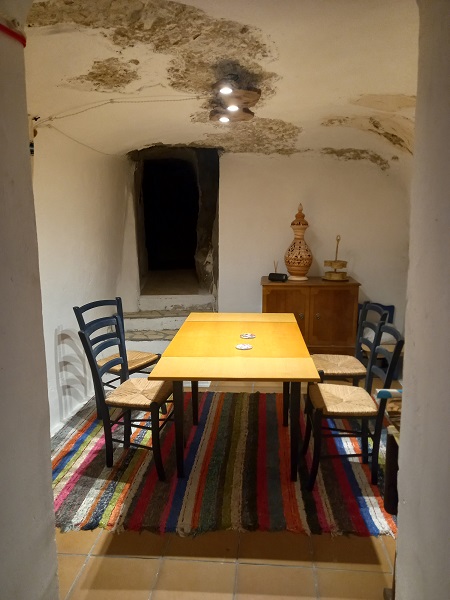
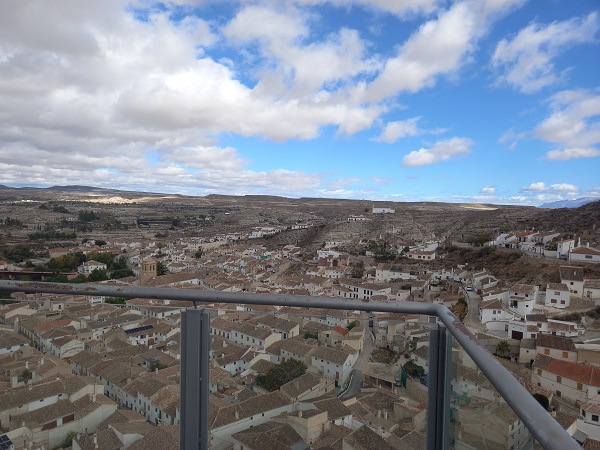
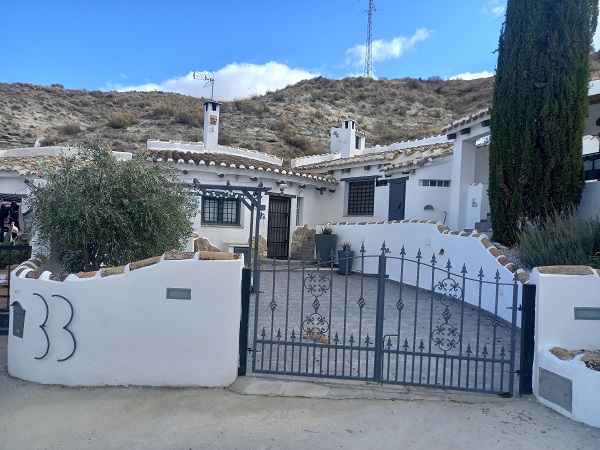
On my return to Spain in October I had two trips to Andalucía in the first two weeks, firstly to visit my brother Ben, and sister-in-law Amanda, at their cave house in Galera. I have been to visit once before, three years ago when I first retired, but they have done a lot to the house since, literally creating new rooms at the back of the cave. Their dining room is now just about completed, and they have some steps up to the first floor, which is still a work in progress. The first two pictures below show some of the other cave houses in the town.

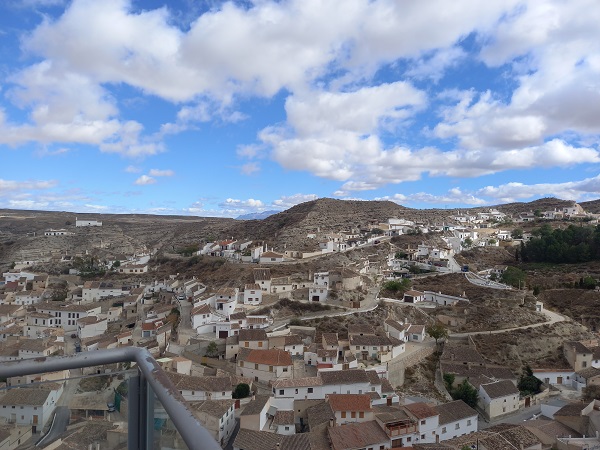
The town is so beautiful, with its houses snaking up the ravines of the valley. There are so many cave houses here, due to the rock being soft enough to dig into, and so many different varieties of house to admire. This visit the mirador, or look out point, had been completed, so Ben drove us up the winding tracks to the start of the path. Such amazing views, like looking at a living map of the centre of the town, and the stunning mountains and cloud formations all around.

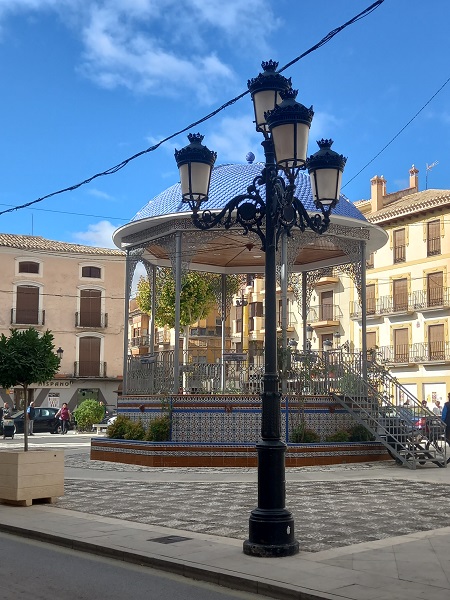
We had a visit to the nearby town of Huescar, for the weekly market. This is still a very traditional area of Spain, although there are quite a lot of people of different nationalities in Galera who have bought cave houses, the surrounding towns are very much rural Spain, with tiny traditional shops, and most of the weekly shopping done at the market. It is a gorgeous place.

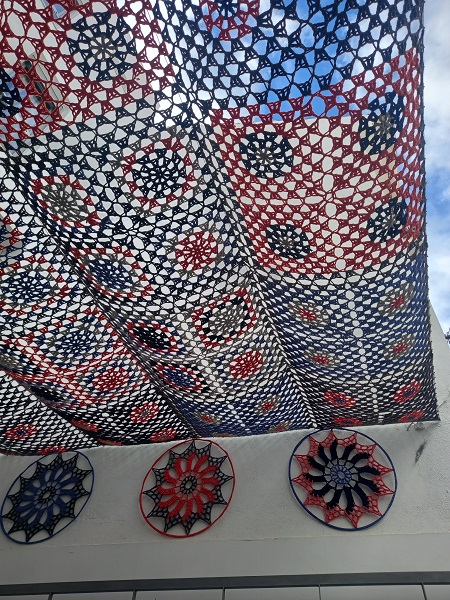
There was one area, next to a wool shop that I was very good and didn’t go into 😉 that was decorated, both with a crochet sunshade, and a painted wall, celebrating local women in different occupations.

Lots of lovely food, and one of my brother’s famous bbqs, as well as drinks at the bar and hotel, and we were back to La Marina, four hours on the coach for a week at home before our next trip.

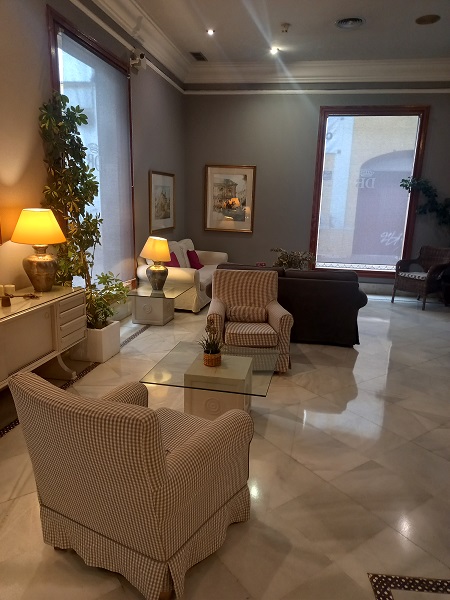
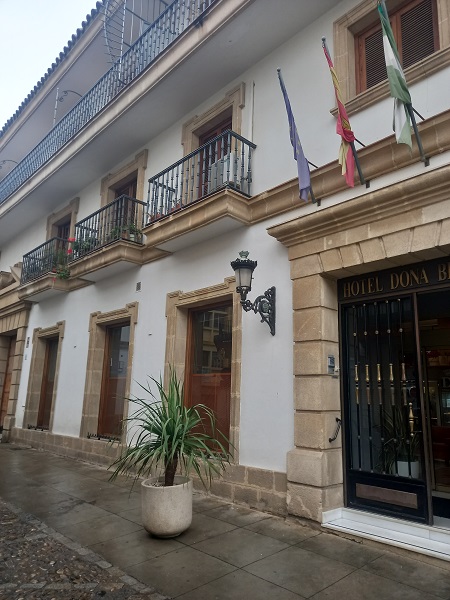
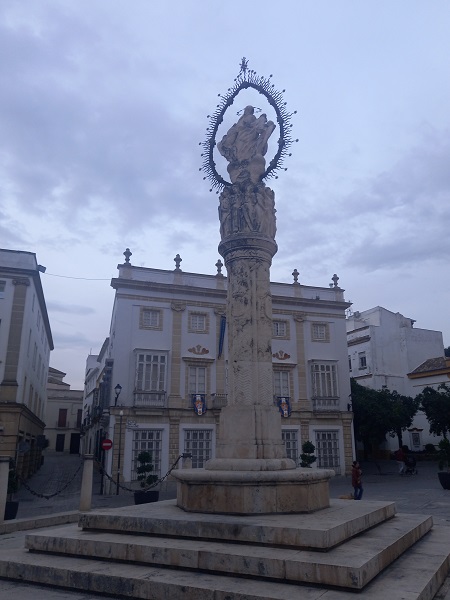
Jerez and Cadiz have been on my wishlist for a long time, to complete my exploration of the southern cities of Spain. This time we went on an organised coach trip, which meant another ten hours there, through the gorgeous Sierra Neveda, to Jerez where we were based for the three nights. The hotel Dona Blanca was beautiful, and situated right in the middle of Jerez.

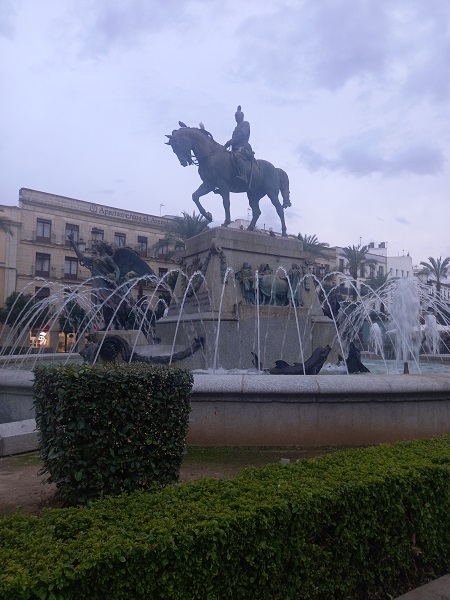
We spent the first day visiting Jerez on our own, while the rest of the group went to Seville, as we had been there a few years ago. It was quite wet, but luckily we were able to see most of the things that we wanted to see.

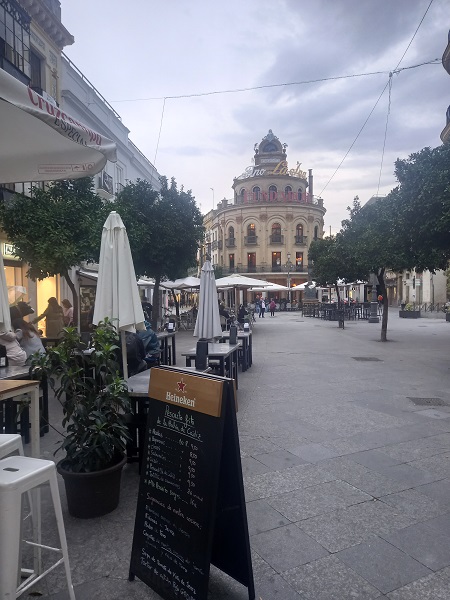
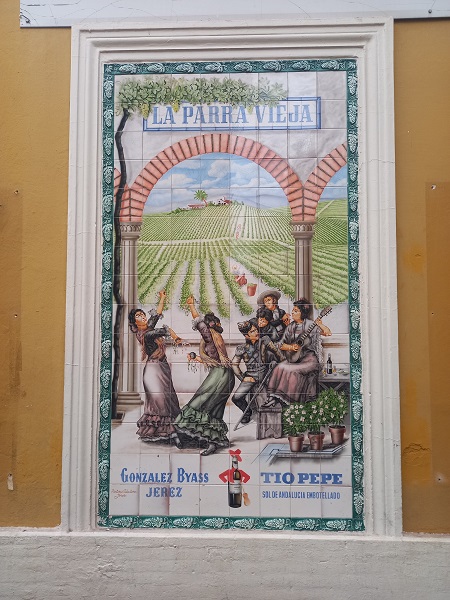
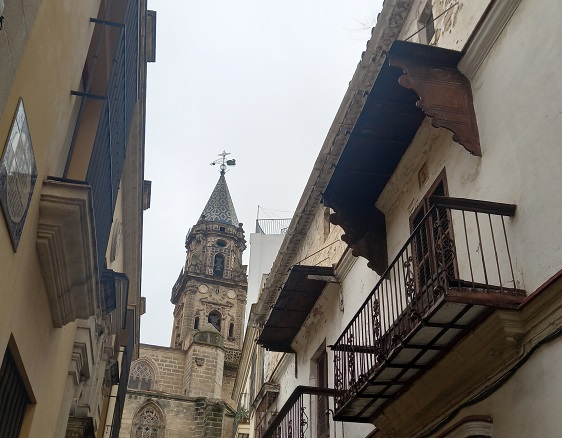
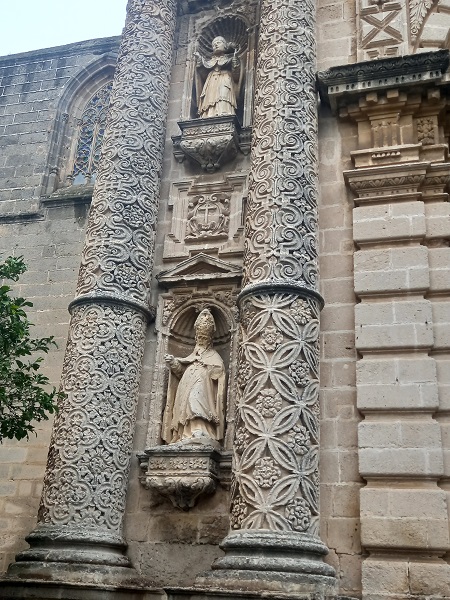
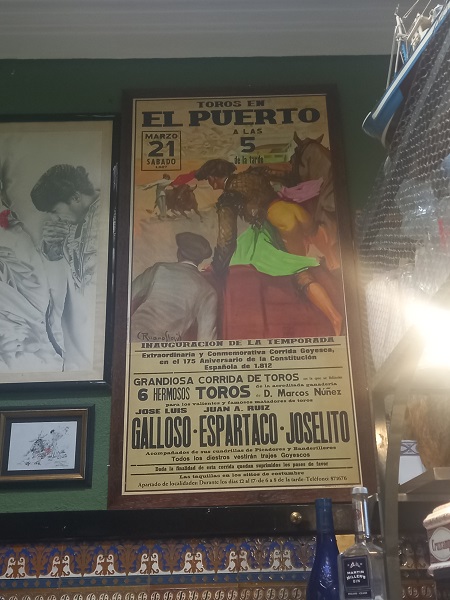
It has such grace as a city, very small, but famous for the production of sherry. I loved the old tiled adverts that were still on many of the buildings. We did end our day sipping sherry at that gorgeous bar that you can see in the photos in the middle of the top row above, while people watching in the main square.

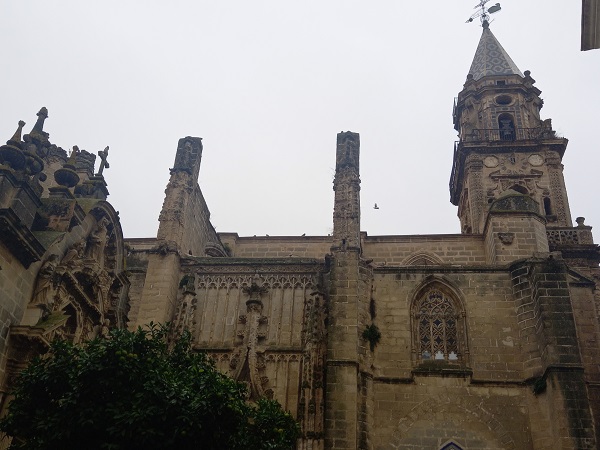
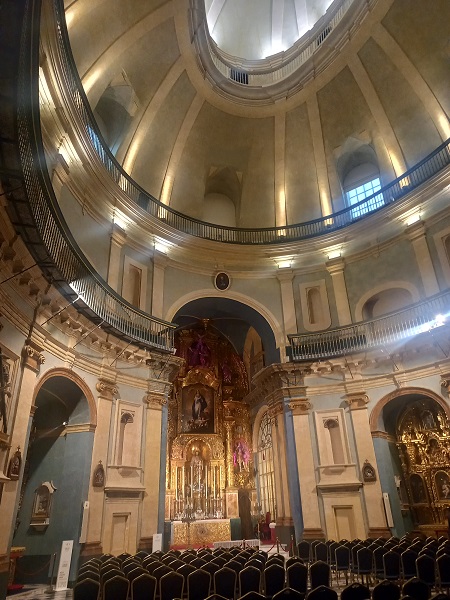
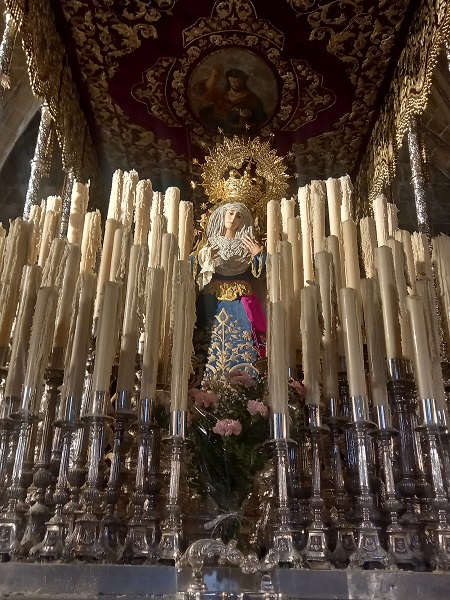
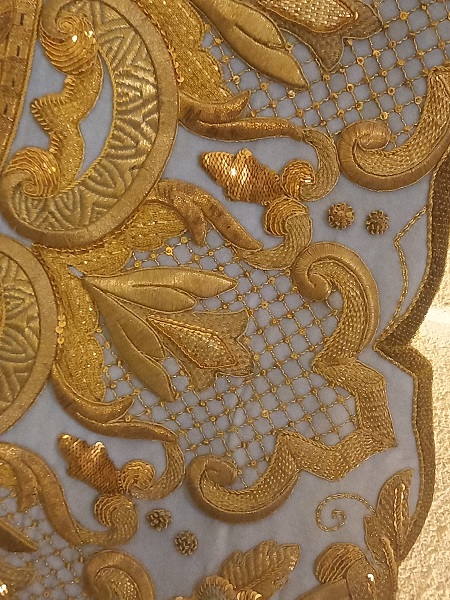
I have never seen as many candles surrounding an icon as the one in the cathedral, and there was some exceptional goldwork as well.

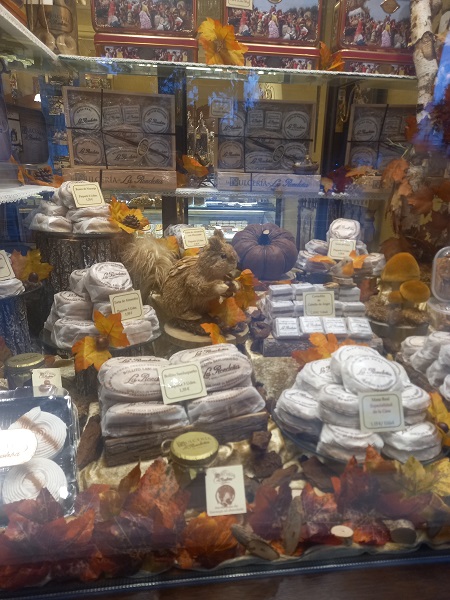
Another notable aspect was the number of speciality shops for sweets and biscuits, this one had the best autumn themed display.

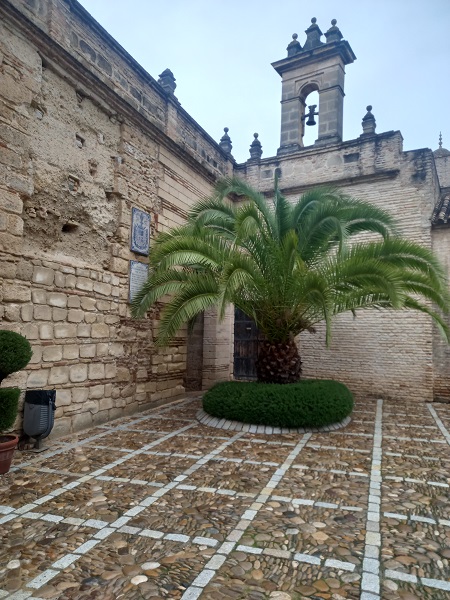
The Alcazar, the Moorish fort with added 17th century palace, was beautiful. The original mosque has been restored, and it is a brilliant blend of the different cultures that have lived in the city. There was an olive press there that must have been at least thirty feet long, it was incredible.

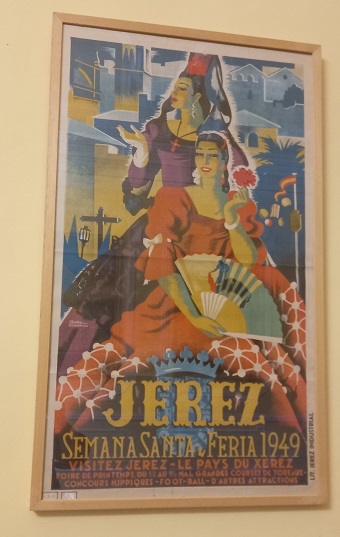
One of my favourite things was the display of fiesta posters in the palace, such wonderful examples of the development of graphic design and art.

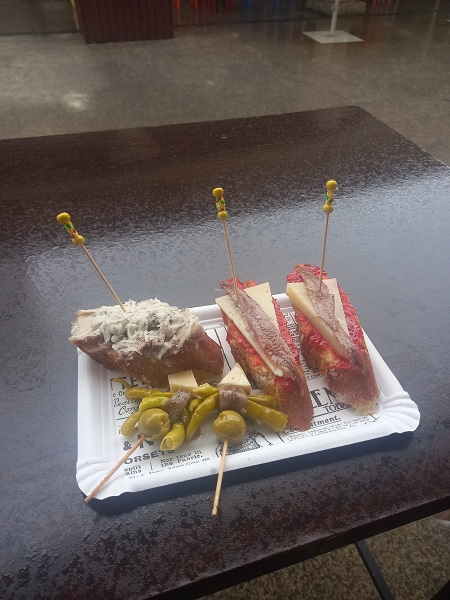
Sadly the second day, the trip to Cadiz, was very, very wet. We weren’t able to do much sightseeing, as the rain was torrential, but we did see the cathedral, a beautiful chapel, and have a lovely tapas at the market, which has now become a food hall.

We didn’t realise at the time, but this was the edge of the terrible Storm Dana, which killed so many people in our region of Valencia. While we were in Cadiz, the centre of Jerez flooded, and on our return the city centre was closed. We cut the trip short the next day, due to flooding and more storm warnings, and came straight back rather than visit a mountain village as intended. We were very, very lucky as our area avoided severe damage, and were able to help with fundraising efforts through our local charities when we got back.

I would love to return to Cadiz one day. I am already provisionally planning a return to Spain in Katy, and possibly to Portugal as well, inspired by so many You Tube and Instagram accounts that I follow that are there now. I loved the previous trip I did, and have collected so many more pins on my Google map of places to visit. It won’t be this year though but 2026 is looking promising!

For now though I will concentrate on this year’s adventures, but it doesn’t hurt to plan, it is half the fun if not more, and I have spent some of this week doing the final planning for the next two months. Hopefully there will be one more blog post before I can share that, as I need to show you all of the things I spent the rest of my three months in Spain doing. It was a lovely quiet time, and there was actual crafting going on, a miracle!

Until then, have fun, take care, stay safe and thanks for visiting.
Cordoba – architectural harmony

Our trip to Cordoba had been long awaited. Mum had been briefly years ago, as part of a coach trip including other cities. We had planned to go back last year, however, life intervened. After visiting Seville some years ago, and Granada again a couple of years ago, I really wanted to go and see this third, very Islamic inspired city.

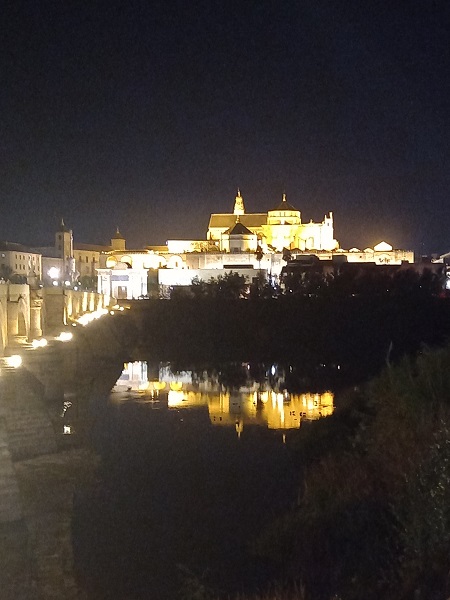
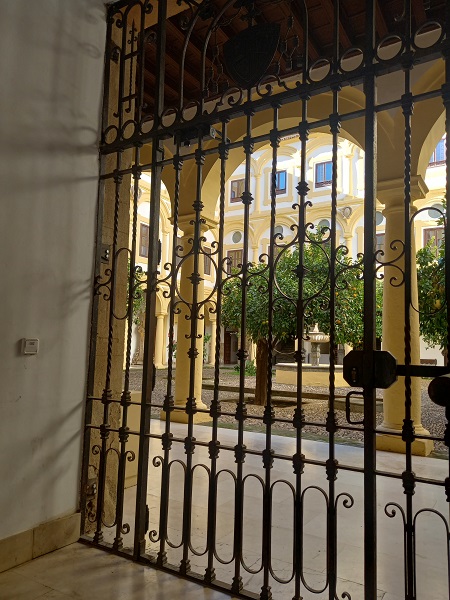
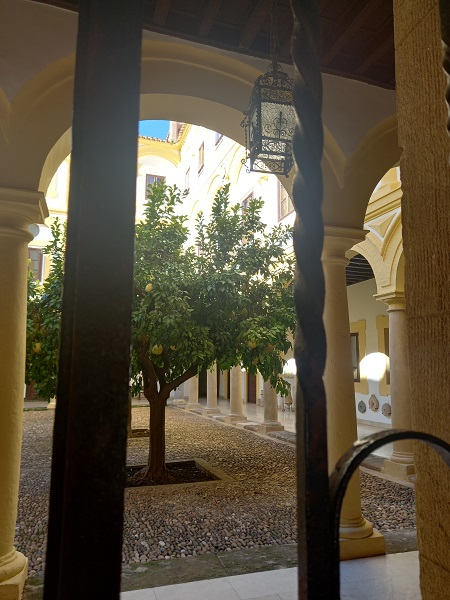
We stayed in a very well located little apartment, La Casa del Rio, part of a traditional courtyard house, just near the Roman Bridge, within walking distance of the old part of the city. They had a very clever little kitchenette in the cupboard and plenty of space for four people as the sofa turned into a double bed.

The views on the first night were stunning. This was a trip that we put together ourselves, so we went by train from Alicante, and arrived about 6pm. Train travel in Spain can often be a little longer as we had to go north to Madrid to get the train for Cordoba.
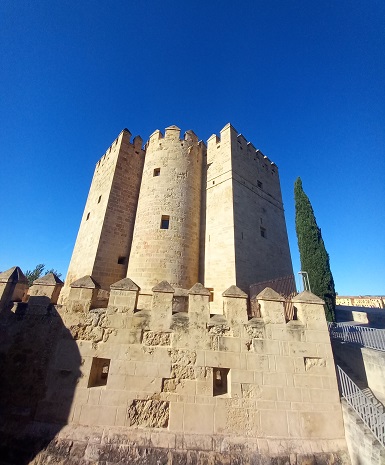
The first day was beautiful and we went straight over the bridge, past the defensive tower, over to the square just below the cathedral.

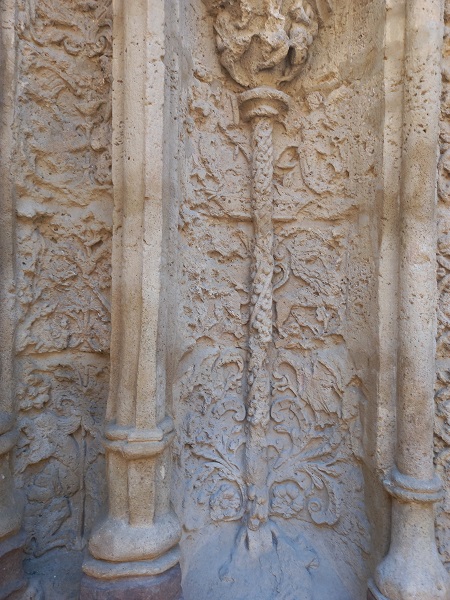
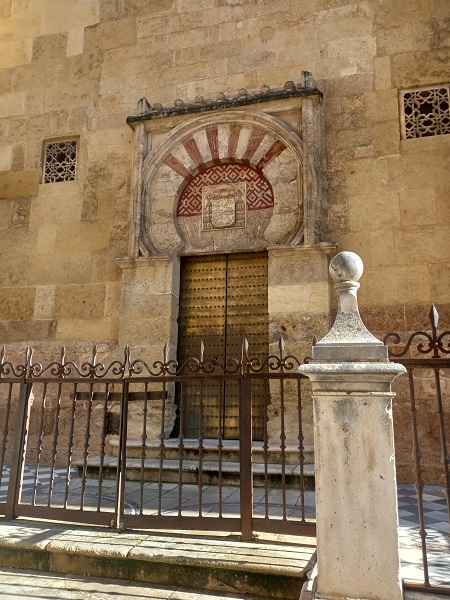
Cordoba is such a beautiful place, and as always with Spanish cities there were amazing doorways, and a little glimpse into the Bishop’s Palace.

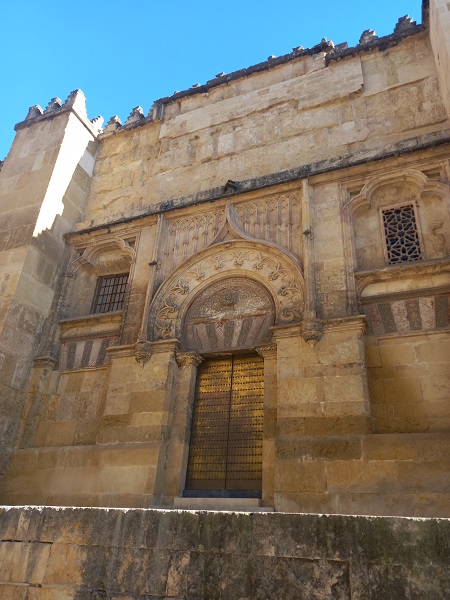
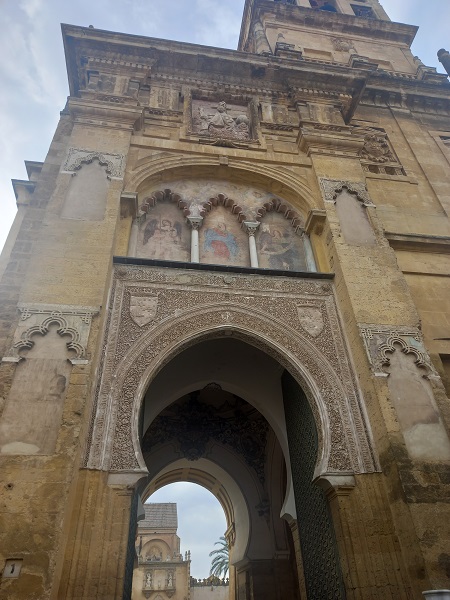
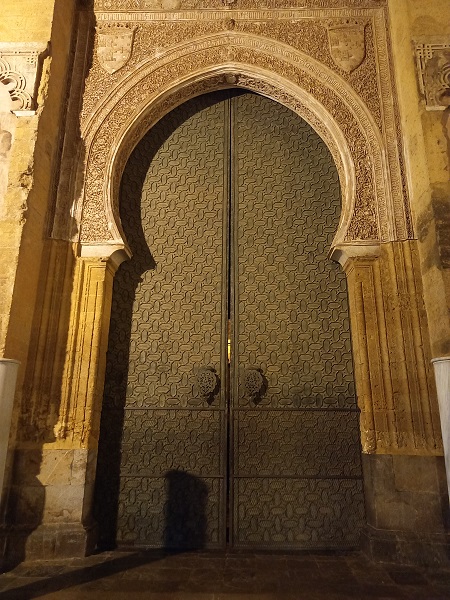
I think the doors of the mosque / cathedral are possibly my favourite of any building yet. They are amazing.

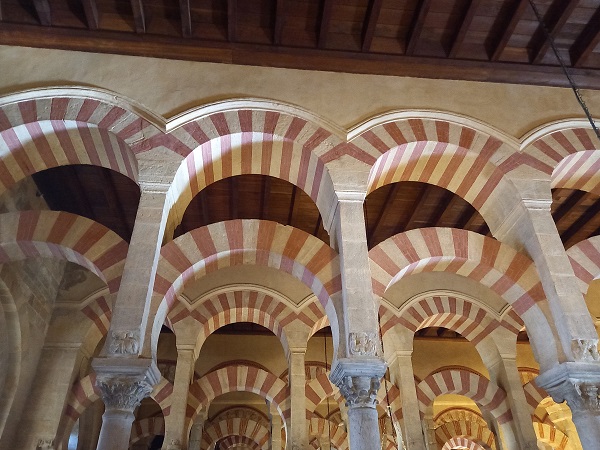
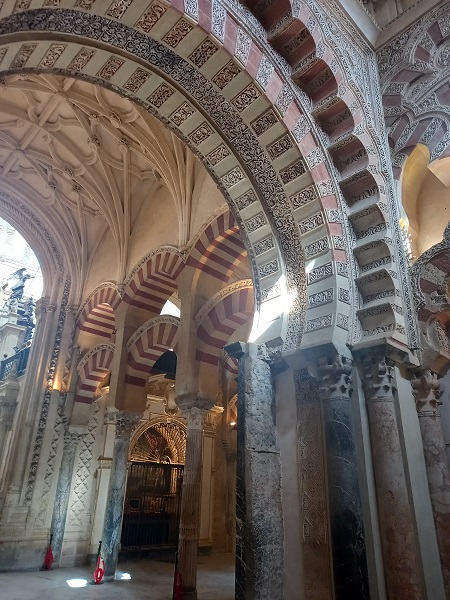
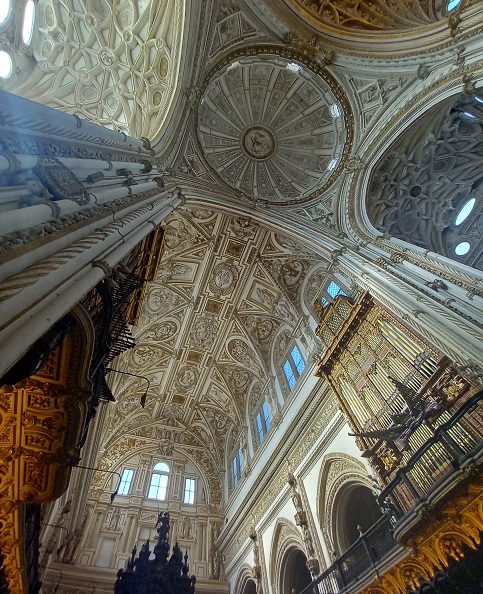
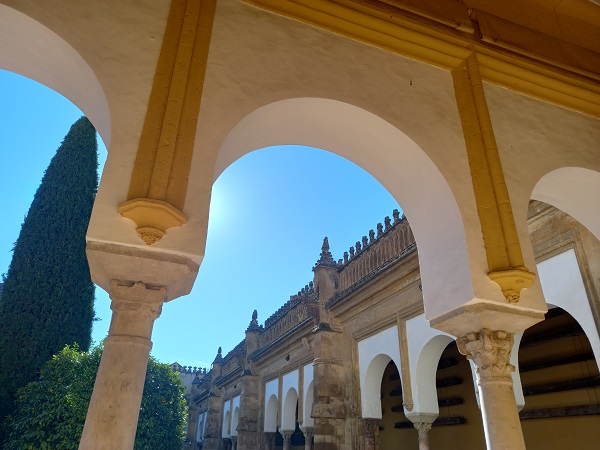
The real joy for me was seeing how the original structure of the mosque has been incorporated into the cathedral. The arches that form the original part of the mosque are so iconic, this is another national heritage site so I have seen this image many times before. When you first enter you see these amazing, yet quite simple red and white arches that seem to just go off endlessly in the distance, like some kind of hall of mirrors in stone.

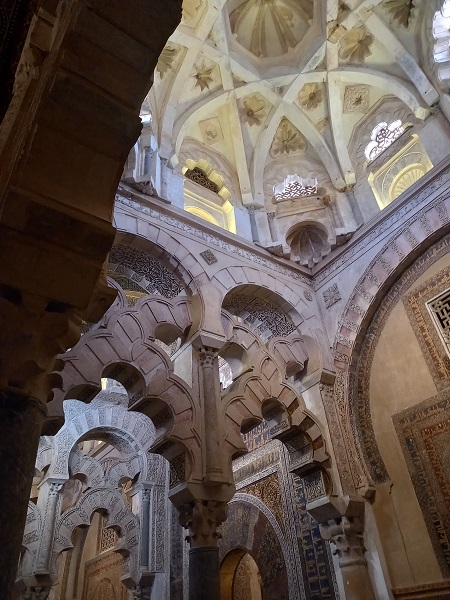
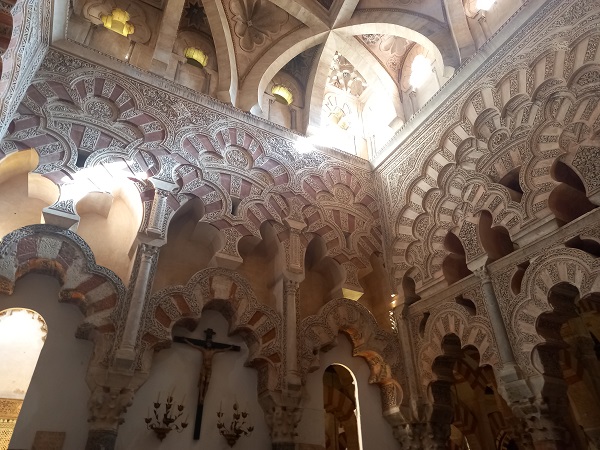
The original mosque was built in 785, and was a very small section, which is now in the centre of the building. Later developments as the Muslim population grew led to expansion, including this stunning ceiling, and the highly decorated doors around the mihrab, the alcove that shows the direction of Mecca. The decoration here is just breath-taking.
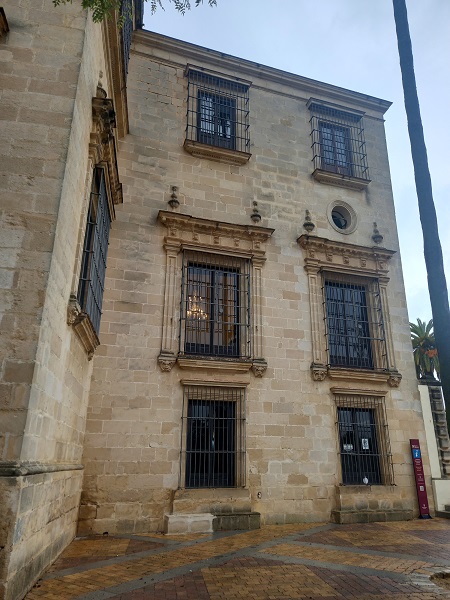
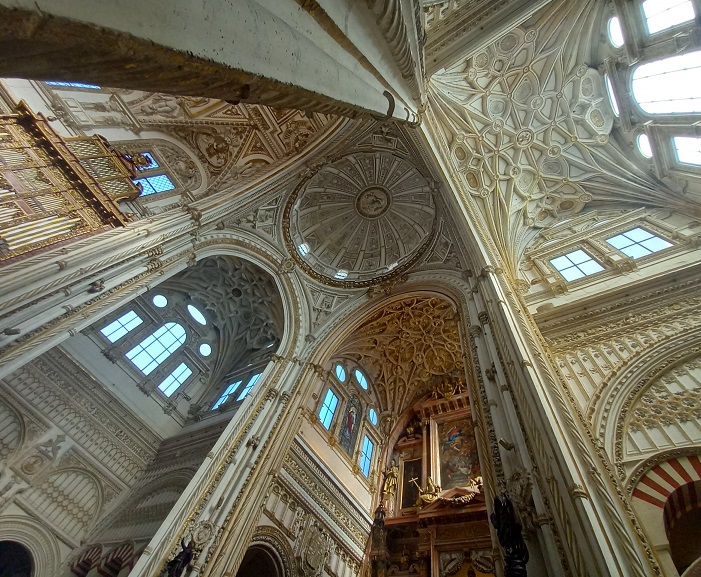
Further on is where the original part of the cathedral was first added, and you can see how clearly the lines of the arches have been used as the basis for the design. This then becomes an area with the classic Gothic cathedral architecture on the ceiling.

Towards the centre of the cathedral is the specifically Catholic part, added in the early 1500s, and this has been blended with the original pillars to form a unique religious space.

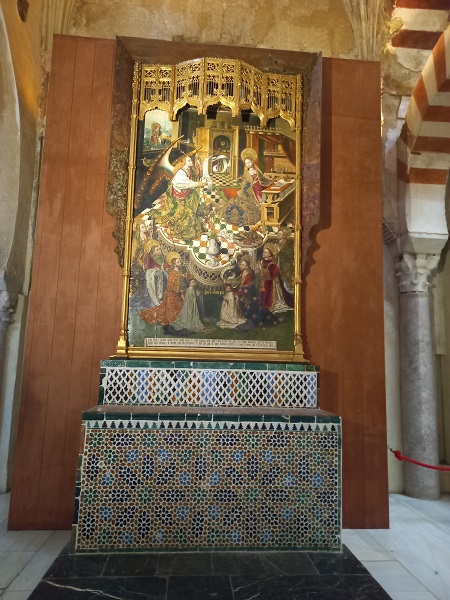
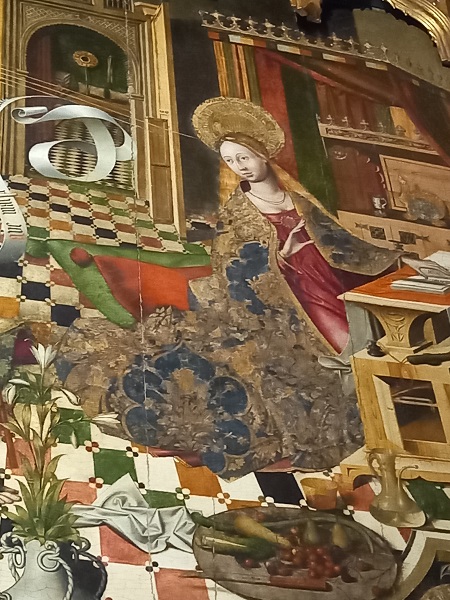
All around are places where the Islamic and the Catholic come together, such as this wonderful painting, on top of a zelige tiled plinth.

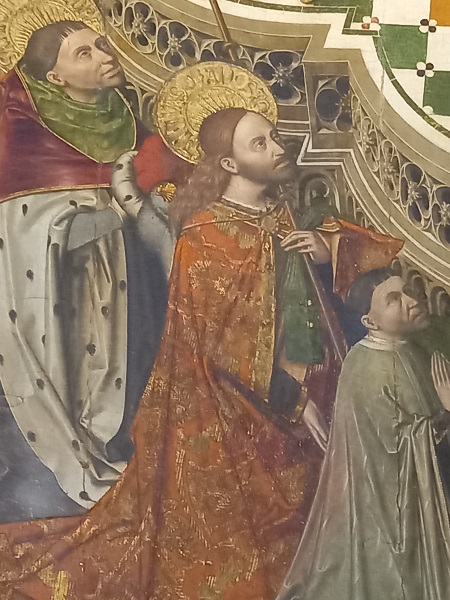
As well, there are the more traditional Catholic artworks.

The plaster work is all of different ages, from the original works, to the Royal Chapel in the second photo, finished in 1371, which used the Mudejar style of decoration.

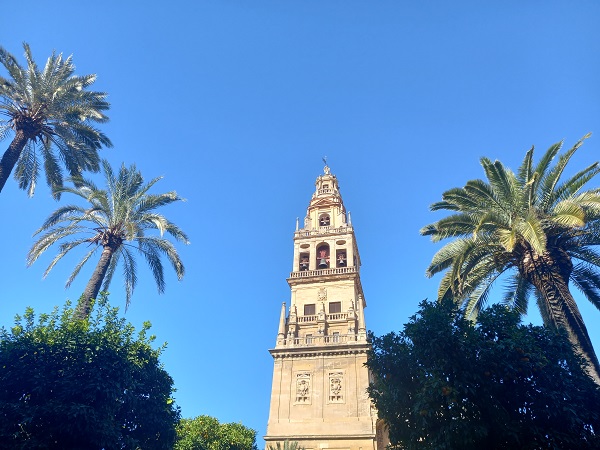
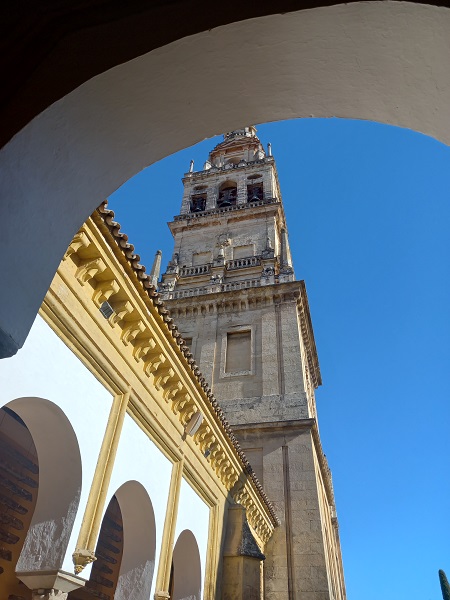
Outside the main mosque the courtyard has the original minaret, now a bell tower, or giralda.

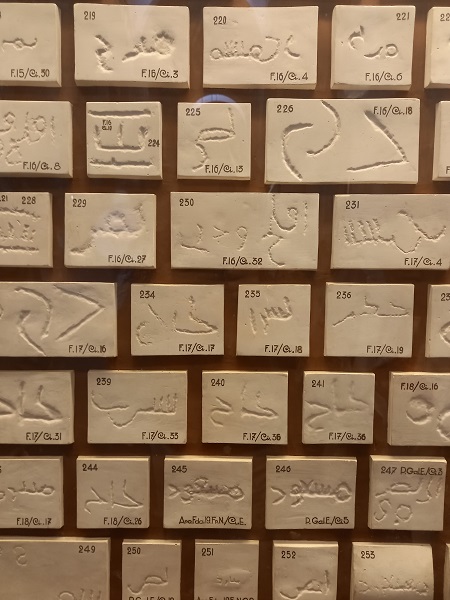
Tucked away on one side is a display of masons’ marks, some in Arabic, that have been copied by the teams that look after the building.

I loved this, as I said in my Burgos post, I always wonder who built these places, so it was brilliant to see this evidence, and imagine them making these marks throughout the centuries.

It really is one of the most wonderful places that I have ever been to, although there were lots of visitors it didn’t feel crowded, there is so much space to wander and to reflect on all of the changes this building, and this country has seen.

We spent a further two days in Cordoba so will be back next time with more beauty. The city has a very unique character and it was so nice to just wander around all the small streets. There was also plenty of my favourite tapas!

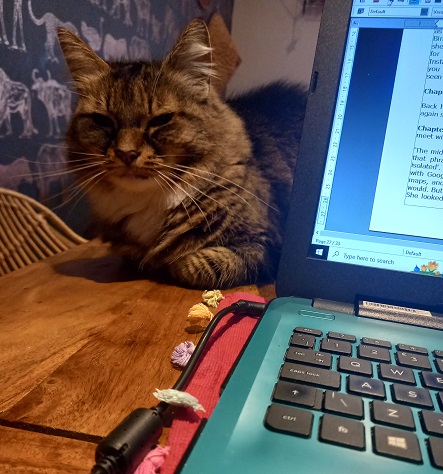
I am having a lovely time here in Marsden. I have been working on my writing and Frankie has been helping. She’s sitting watching me type now, I think she might be checking my punctuation!

Until next time, have fun, take care, stay safe and thanks for visiting.

Aladdin’s Cave

It may sound like a cliché, but the medina here in Fes is like going into a wonderful world of treasures. The first part of the street that I am on is mainly food, with piles of sticky sweets, all wrapped in cling film to stop them toppling over, stalls selling spiced olives, and lots and lots of sweets and nuts.

There are also many butchers, and you can tell the chicken is fresh as there are live ones in cages at the back of the stalls. It’s not a place for those who don’t like to think about where their food comes from!

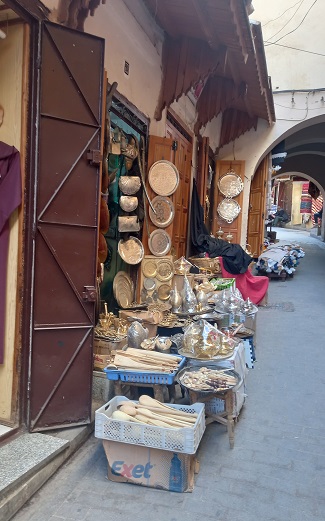
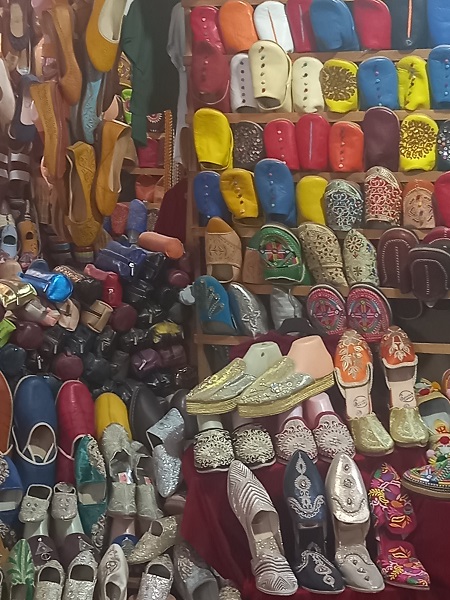
Further in and you start to see the leatherwork, the pottery and carpet stalls, and the shoe stalls. I have never seen so many pairs of decorated slippers ever, they are beautiful with crystals and embroidery.

Luckily I have such poor feet I haven’t been tempted. With my dodgy knees and tendon issues I need to wear things that feel like slippers and have support at the back, but I can dream about lounging around in palaces on couches looking as if I am from an Arabian Nights’ tale.

There are so many little food and drink places as well, and on every wander I have to stop for a mint tea, usually served in a gorgeous little teapot here, rather than by the glass as in Tangier.

I have eaten twice in this restaurant with views overlooking the tops of the medina, a jumble of towers and walls, and buildings with terraces which are other restaurants and riads. There are lots of cats living on the roofs, and this one was very interested in my chicken skewers!

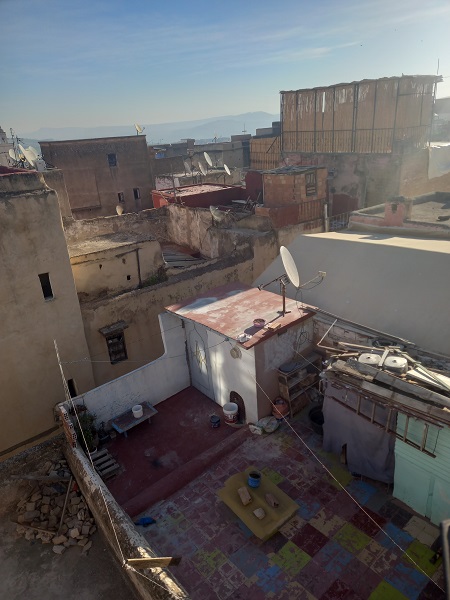
From my riad terrace I can see the buildings at all different heights, some restored, some crumbling. Working in town planning must be a nightmare here, especially as the World Heritage Site designation will limit what can be done. As with all the other cities that I have visited there is so much restoration taking place here.
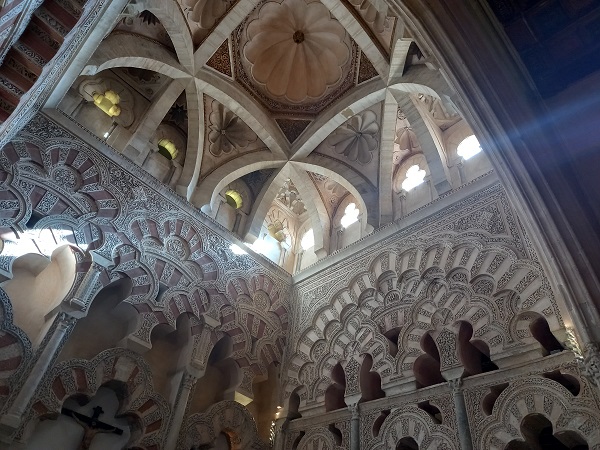
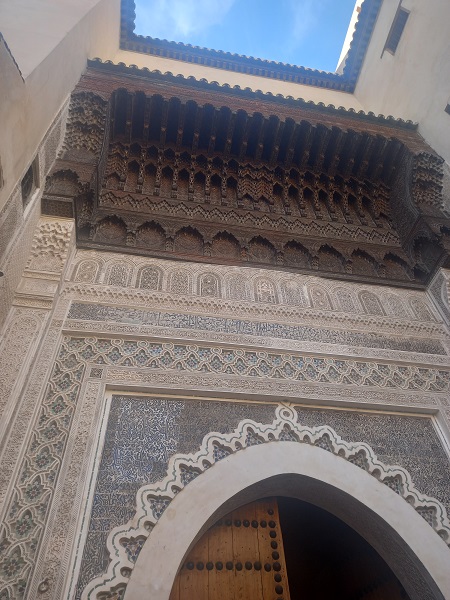
I managed to have a peek into this doorway where there are some amazing pillars, it looks as if another one of the palaces here are being restored.

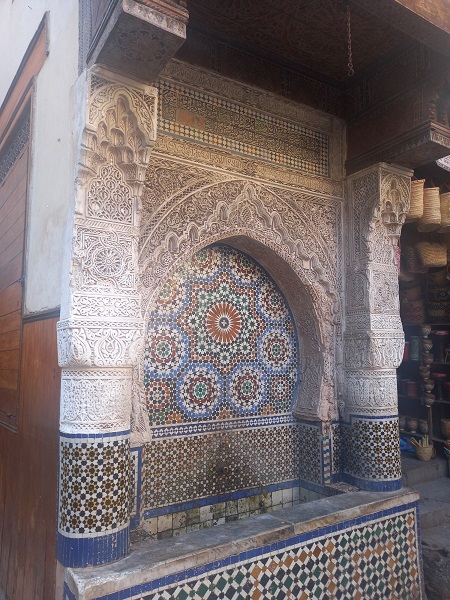
On one of my wanders I managed, eventually, to find my way to the Museum of Woodwork, housed in an old trading inn. The wonderful tiled and decorated public water fountain outside was provided by the inn.

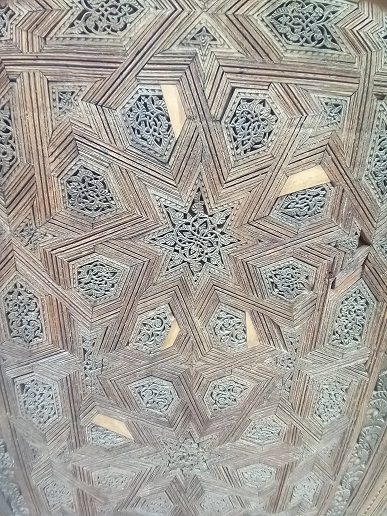
The Nejjarine Museum is in the carpenters’ area, and houses displays of both functional and decorative woodwork. I wasn’t able to take pictures of the exhibits, such as the highly decorated doors, windows and chests, but as you can imagine they were stunning. The museum itself showcases the balconies made with ‘mouchearabie’ woodwork, which is formed of geometric patterns and is used for window shutters and room partitions.

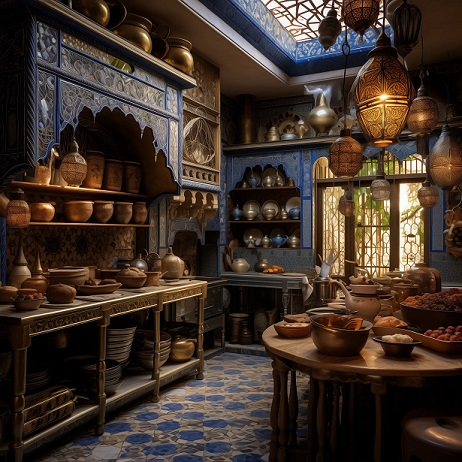
I did find this picture of a modern kitchen shelf for spices, there were lots of these in the museum and they were so beautiful.

While searching I also came across this Moroccan inspired kitchen, if only I had a bigger house I would love this, the woodwork is so gorgeous.

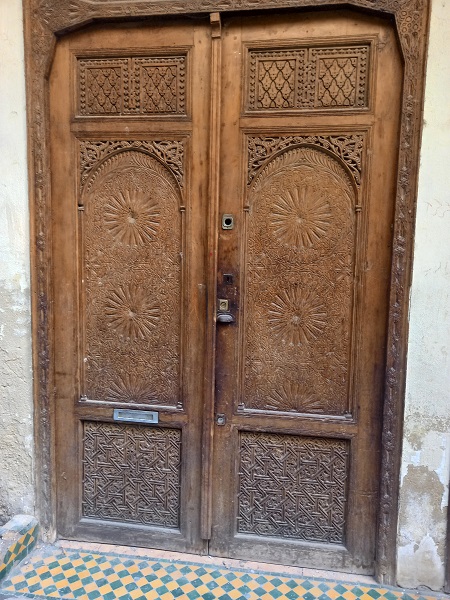
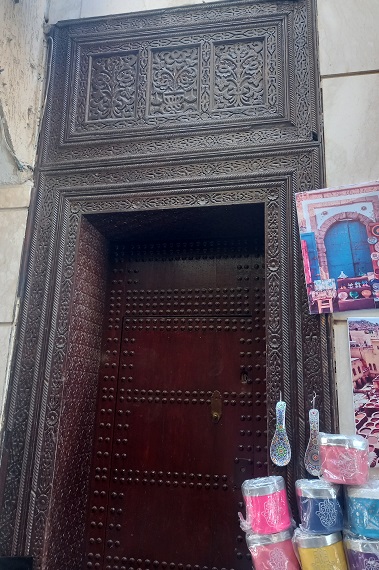
There were a few ornate wooden doors as well. Much of the wall space beside the little shops is covered with goods so the doors aren’t visible, but I found these in a side street.

As this is very much a place where local people live and work there are mosques along the small streets and two madrassas, Islamic schools, and one of the oldest universities in the world, founded in the 9th century by a woman.

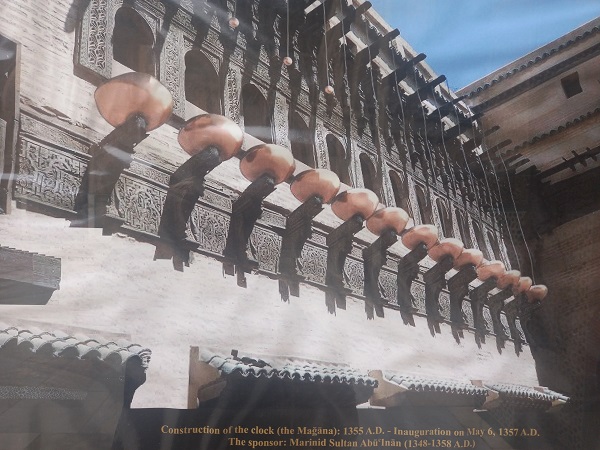
My riad was next door to a 14th century water clock. It was built to drop metal balls into bowls below on the hour, and is part of the nearby madrassa. It is not currently working but may be restored at some point if the historians can work out exactly how to do that.

This picture in the madrassa shows the clock with the bowls and the balls suspended from their chains. When they dropped into the bowl the noise indicated another hour.

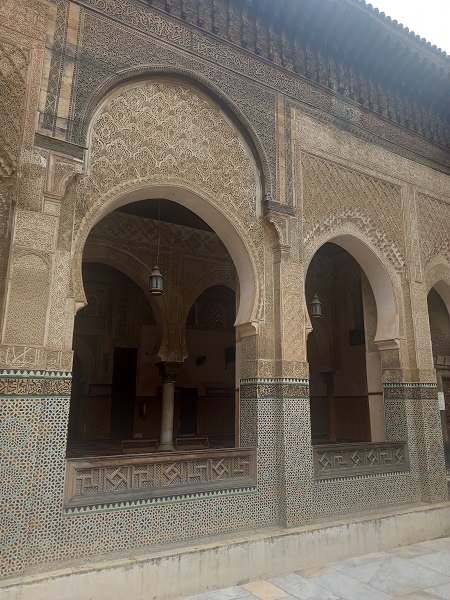
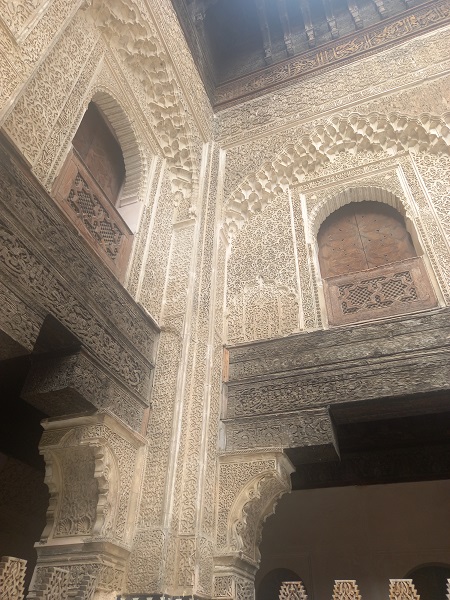
The madrassa was beautiful, I remember going to to see the one in Marrakesh which is similar. It was built in the mid 1300s, and has been restored, but even so it is looking marvellous considering all the wood and gypsum plasterwork is exposed to the elements.

There were some good examples of the ‘mouchearabie’ screens here on the passageways. Such incredible work by those craftspeople, I am in awe of their skills.

I am so glad that I was able to stay here in the medina, it was lovely walking back and forth every day and seeing this amazing place, definitely one of the most wonderfully colourful and interesting places that I have visited in Morocco.

Oh, and the answer to the question everyone wants to know, the petit taxis here are red, as they are in Casablanca. That may well be because Casablanca and Fes were both considered as capitals of Morocco, before Rabat was designated as the official capital. That leaves only Marrakesh to go and from my vague recollections from 13 years ago, they may have been green. All will be revealed soon!

I will see you soon with the other delights of Marrakesh! Until then have fun, take care, stay safe and thanks for visiting.

The wonders of Islamic art

When I used to teach maths to my teacher trainees I used the marvels of tessellation that are Islamic decorative pieces to introduce the subject the my students. There are so many parallels between art and maths that people rarely see, and of course tessellation is a key part of other things that I love, such as quilt patterns.
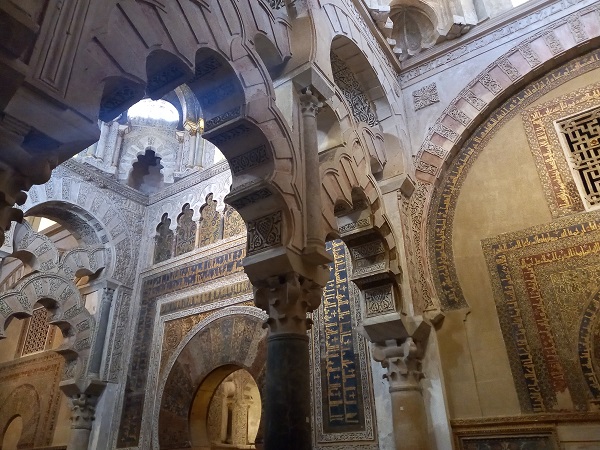
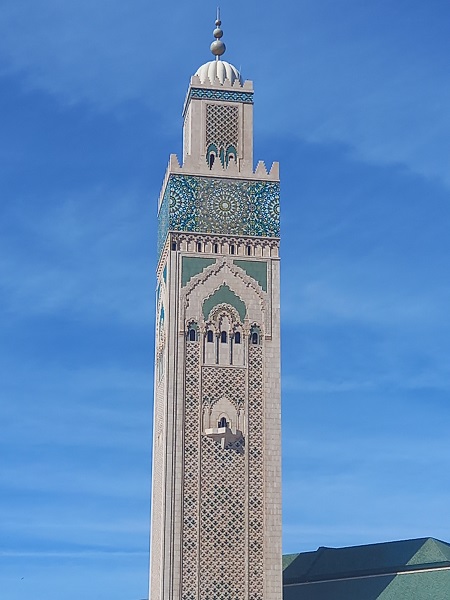
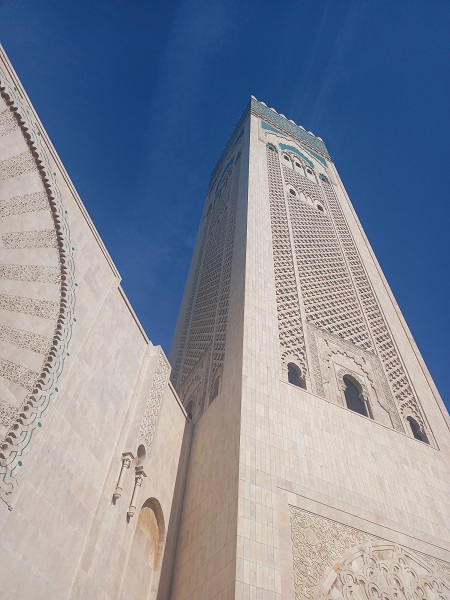
I have long been fascinated by how these patterns are made, and the history of their design, so my trip yesterday, to the Hassan 2nd Mosque here in Casablanca was brilliant for having some of those answered. The mosque is the third largest in the world, and the largest in Africa, and it was built in the 1990s. It took 6 years, and over 12000 craftspeople were involved. The scale of the place is incredible, 25,000 people can worship inside at a time, the mosque covers 2 acres out of a total 9 acres site, and underneath the plaza there is parking for 1000 cars!

It is one of the few mosques that can be visited by non-Muslims, I booked my tour with Get Your Guide, and I had a great time. I don’t usually book tours, as I am too busy photographing doors to keep up 😉 but you can only go in as part of a tour group. I am glad I did though as the guide was fantastic, and and I had a nice chat with a Muslim family from London who were telling me about their local mosques, and other places they have visited in Egypt and Iran.

One of the really interesting things for me about the visit was that, unlike the cathedrals that I visited in Spain, we know who built this, who these amazing craftspeople were. The complex has a training facility, and is still teaching people these skills. Obviously the place needs to be maintained, but also it is great to know that there is still the opportunity to train in these wonderful arts.

If you want to know more about the history of the place then read this blog post by The Whole World or Nothing. I have been following James and Sarah on Instagram for a while now, and they have a really useful website with so many great destinations covered. They have given me good tips of where to eat in my next destination, Tangier.

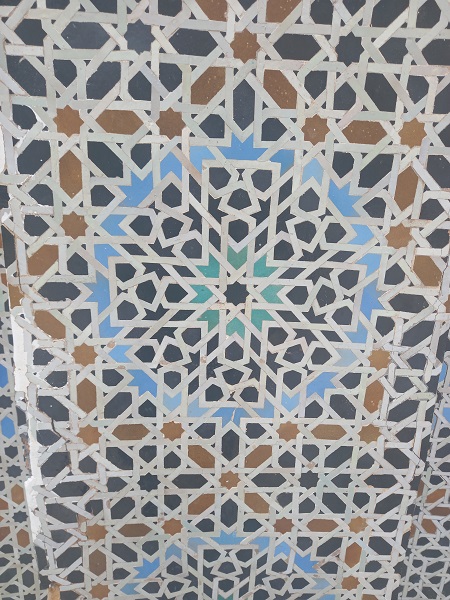
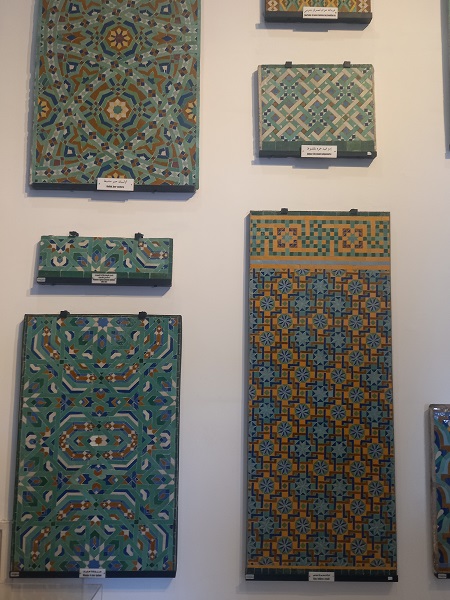
The tour starts with a small exhibition about the crafts, which is great. The tessellation technique used on the panels is known as zellige (or zellij) and there is a really useful Wikipedia page that tells you more about the technique. I have seen so many of these types of mosaic in Spain, and I really wanted to learn more about it here. There are going to be other amazing examples in Fes as well, which I am excited to see.

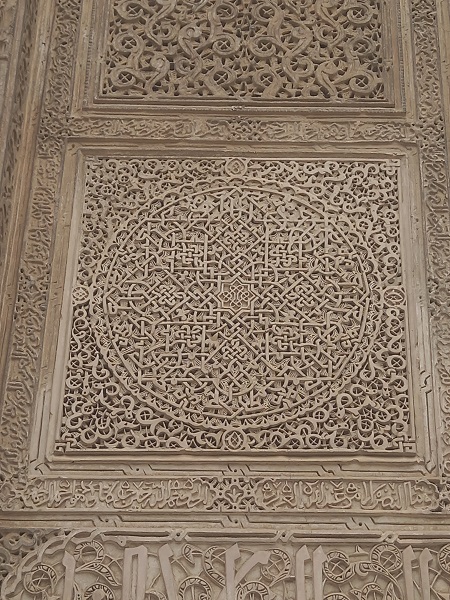
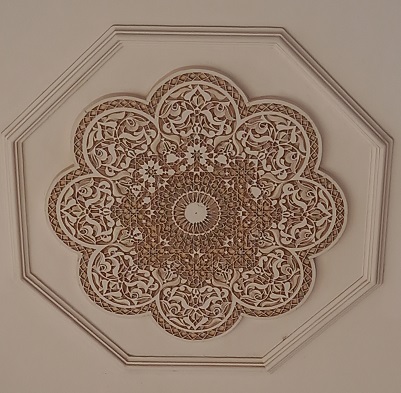
Inside the prayer hall is just breath taking. The skills of the mosaic makers, wood carvers and gypsum craftspeople combine together into the most stunning works or art. The tour also answered some of my other questions about the plaster work. I have seen many examples and always wondered whether is was carved or not. It is moulded, from wet gypsum, and then painted. The ceilings are made of cedar wood and are carved and painted.

Most of the materials come from Morocco, with the exception of some of the white marble from Italy and the crystal chandeliers, which are from Murano, the glass making island I visited with Mum last year as part of our Venice trip.

There are the most stunning brass decorations and lamps everywhere. I have a few small ones Moroccan lamps at home, and love the patterns they give with candles in.

The second half of the tour takes you downstairs to the washing rooms, past some amazing doors.

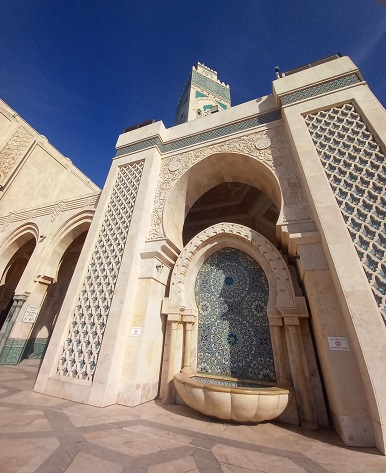
As well as the beautiful tiles and pillars, there are all these flower shaped fountains for the ritual washing before prayer. The water comes from the centre of the flowers and falls into the drains below.

The mosque cost $800 million, and a third of this was paid for by the king, the rest by public donation and subscription. It is a truly amazing place, and such a testament to the skills of the people who made it and look after it. The tours finance the running costs of the place, so it is self supporting now.

Whenever I visit a religious monument, be it cathedral, or mosque, and look at the amazing work inside, I can’t help thinking about the costs of all that gold, marble, and labour, and wonder about the needs of the people that live in the communities around these wonderful places.

Although I love visiting them, and truly appreciate them, they represent an investment that is often not reflected in the practical lives of the people who live near them. You could argue that an investment in a spiritual place is just as important to people as investment in housing, education or healthcare. Or that places like this, and all of the cathedrals I recently visited, bring tourists to the place, and that benefits the local economy. It is always a difficult question to answer.

It really is an exceptionally beautiful place though. The mosque is partly built over the sea, and it was a windy day yesterday so there were really high waves. It was lovely to see all the children watching them, from the walkways near the mosque, daring each other to go nearer the wall and get splashed.

I have a couple more days here, and then it is my first trip on a Moroccan train. If the bus experience is anything to go by, it will be a very comfortable and efficient service. It is just a short trip this time of a couple of hours, but I am very excited!

Until next time, have fun, take care, stay safe and thanks for visiting.