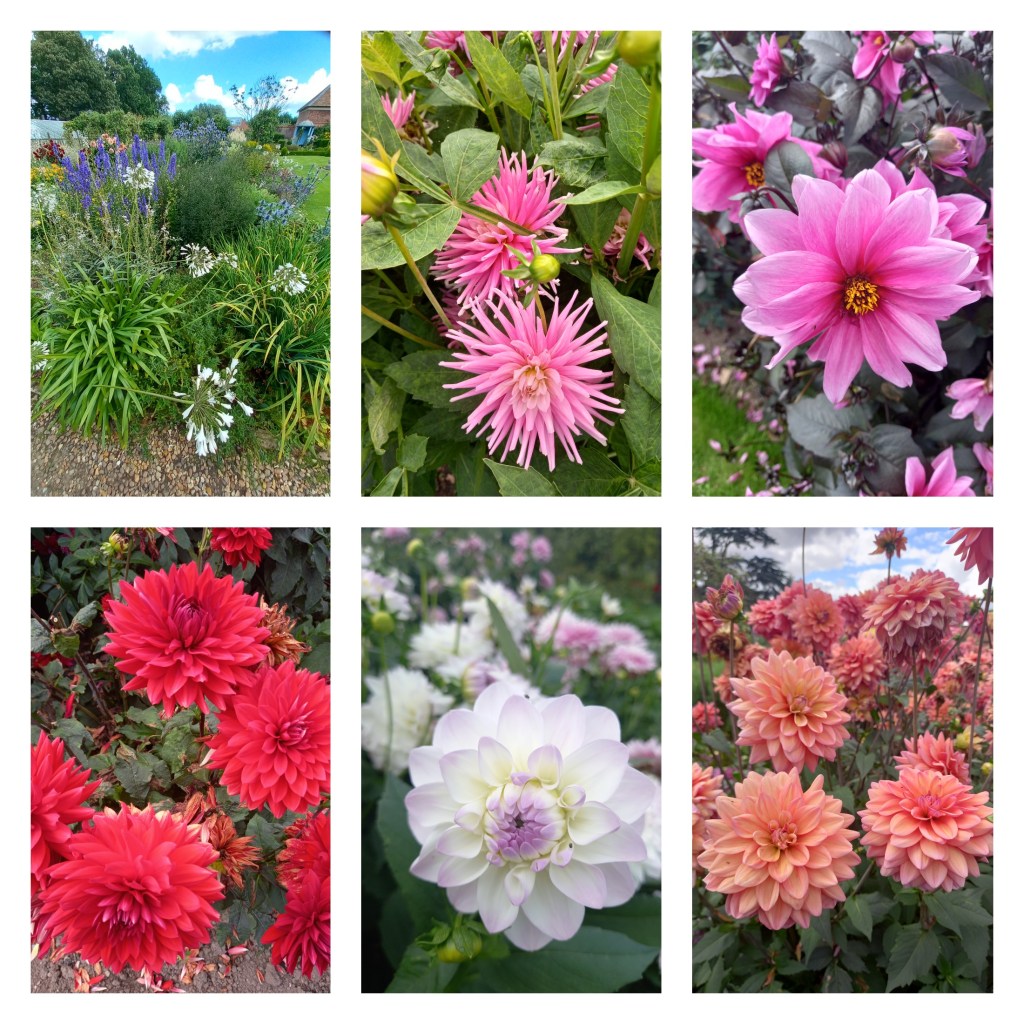
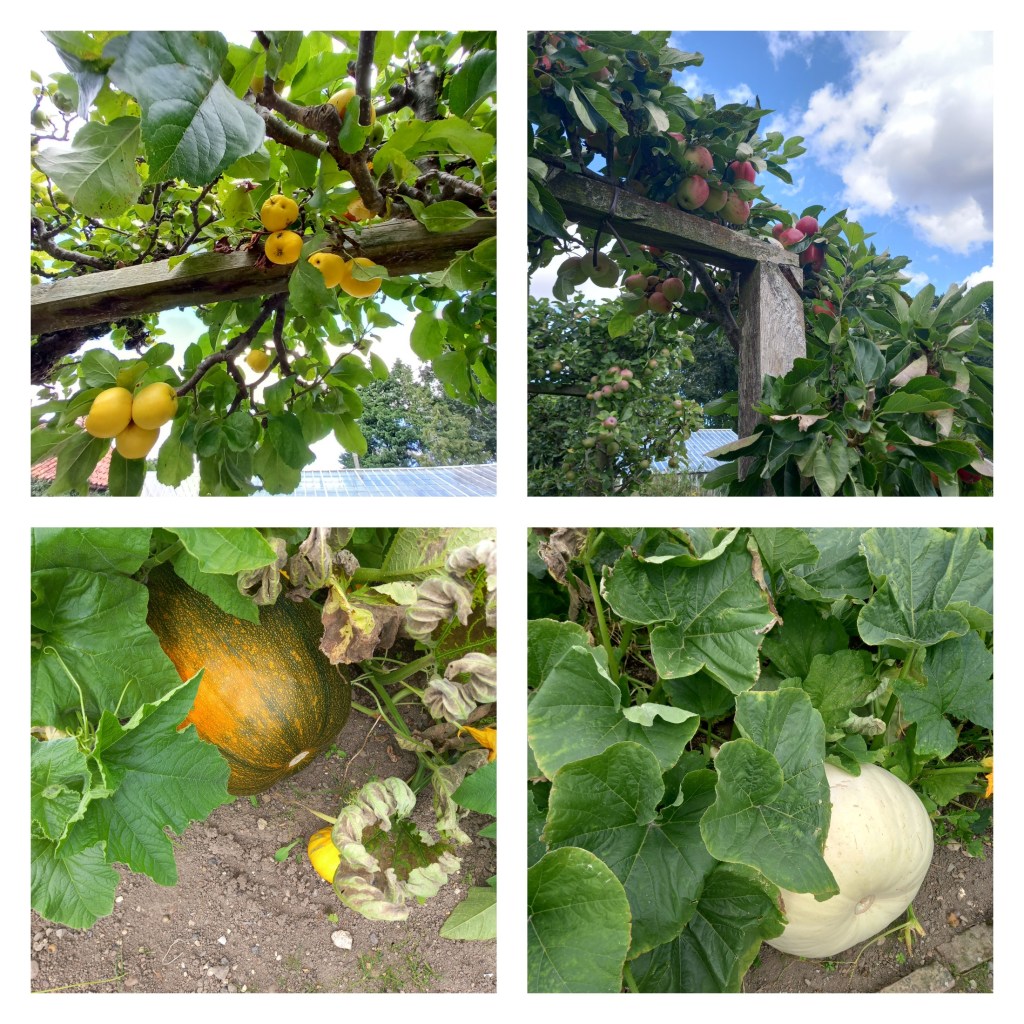
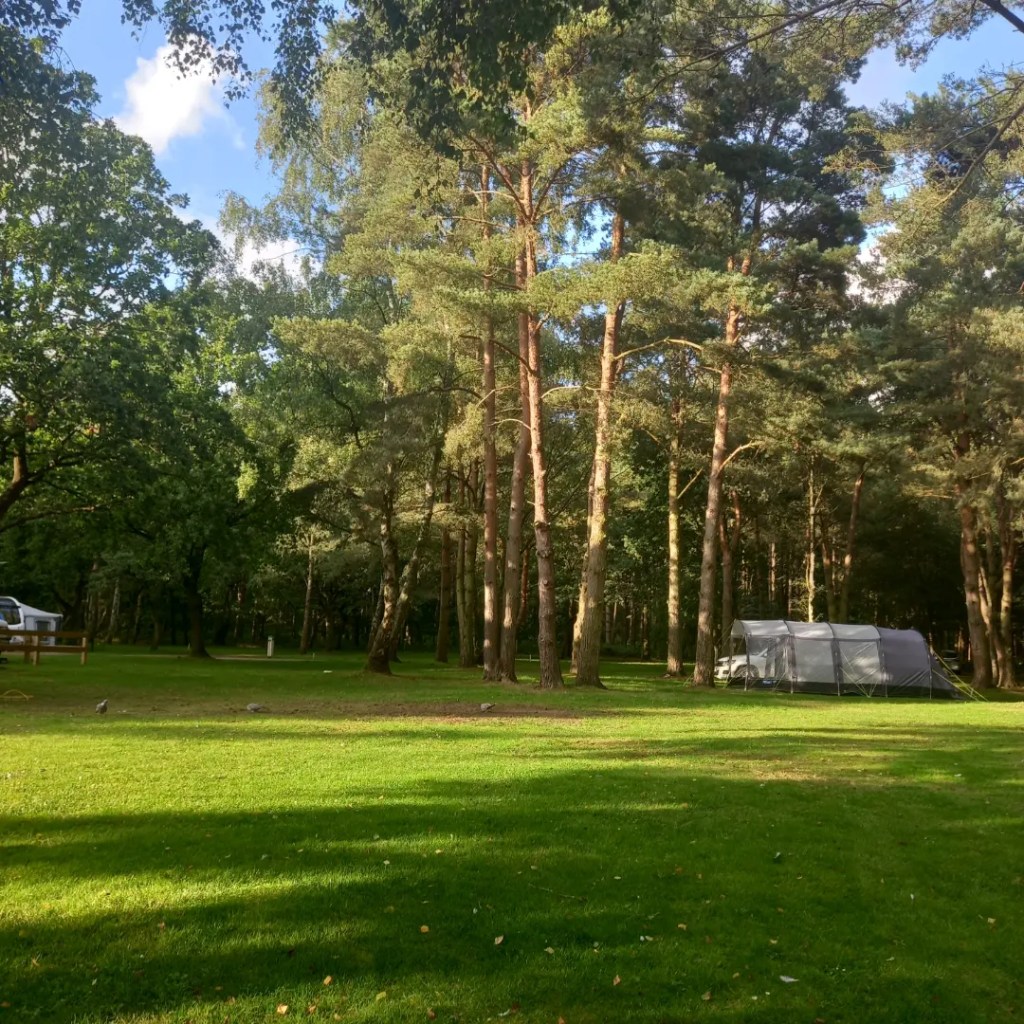
Well worth the twenty year wait!

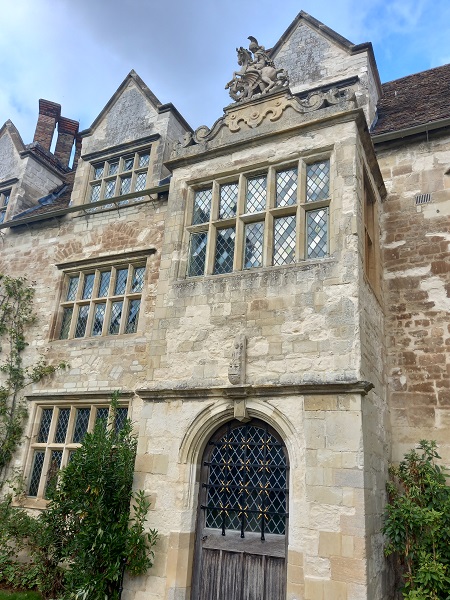
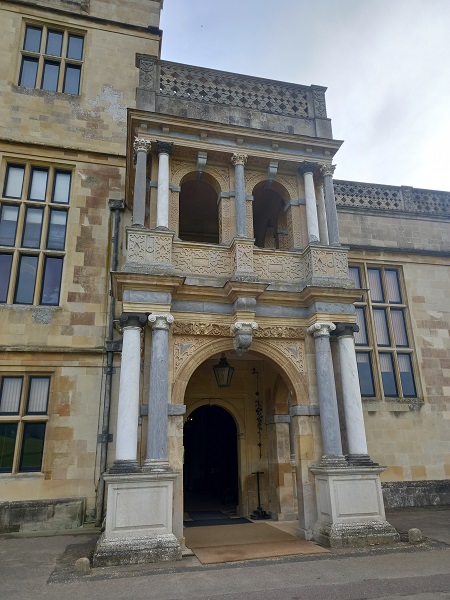
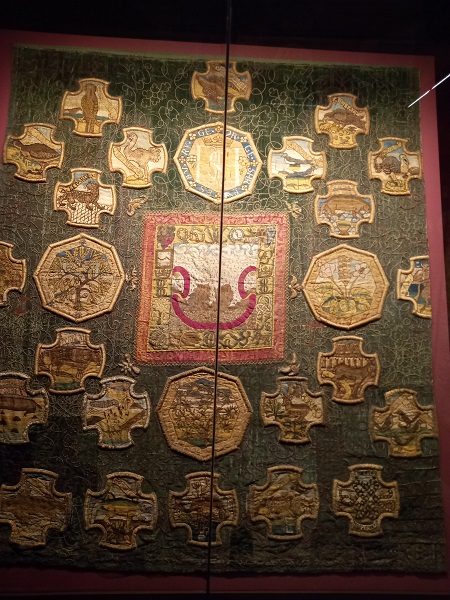
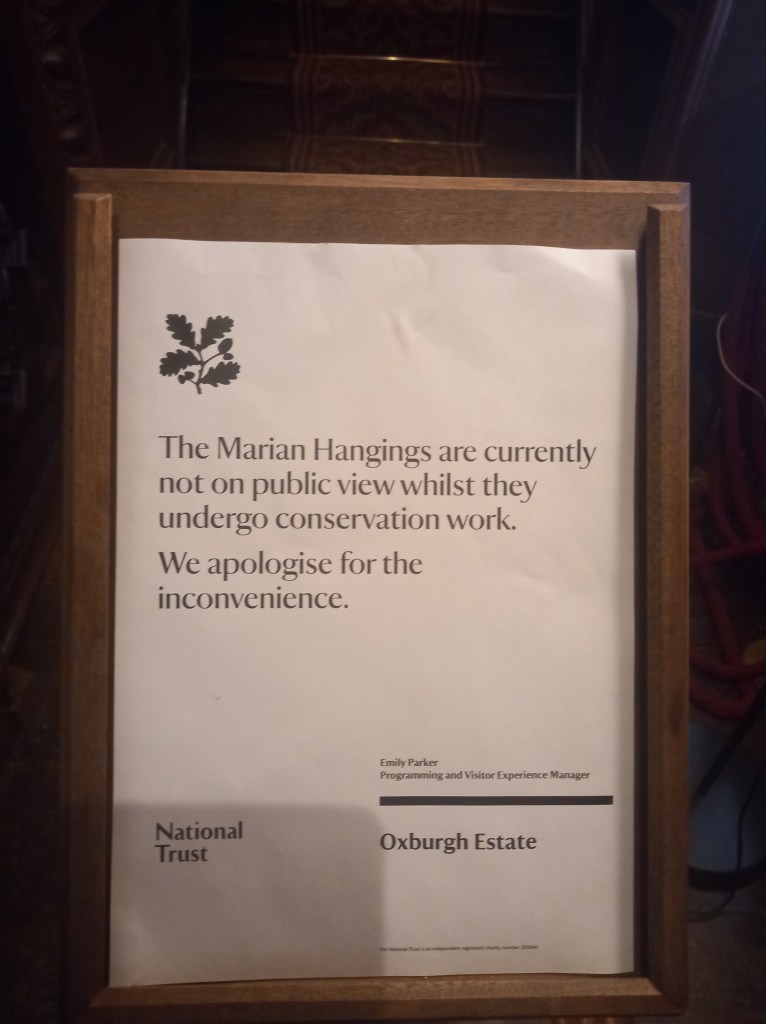
I am very pleased to tell you that I did get to view the Marian Hangings at Oxburgh Hall, later on in the month that I was in Norfolk. You may recall that I took a trip with my friend from Spain, Linda, when I was camping at Sandringham, only to find a notice at the entrance to the hall saying that they had gone for conservation.

No-one knew at the time when the hangings would be available, as they were waiting to hear from the textile conservation team at the Victoria and Albert Museum in London. The hangings are in their care, but are loaned to Oxburgh.

Later in the month, when I had moved on round the coast, my lovely friends Allison and Alistair, who were one of the reasons that I went to Sandringham, as they are working on the neighbouring site as wardens during the summer, visited the hall, and sent me a photo of the hangings. They were back! Or so I thought. I was able to fit in another visit to Oxburgh on the way back to Huddersfield for my reunion.

When I arrived at the hall, the volunteer greeting me asked if I had been before and told her about how sad I had been about not seeing the hangings the previous visit. It turns out that they had not been removed from the property. There had been an infestation of wasps, who had built a nest inside the glass casing that houses the hangings! The team from the V and A were going to take the hangings away at a later date, but were very busy, and as the damage was thankfully minor, the house staff had been able to open the room again.

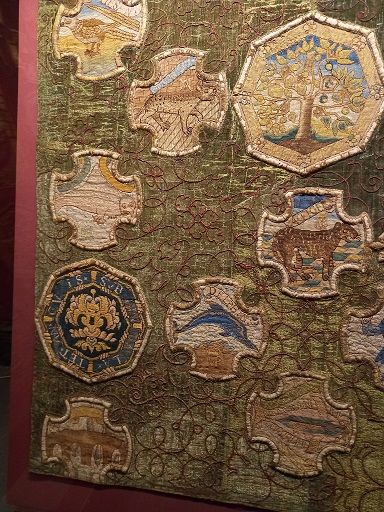
It was a very lucky escape for the hangings, and I am so grateful to be able to see them. These are one of the most significant pieces of needlework in the UK, not only because of their age, but because of their provenance.

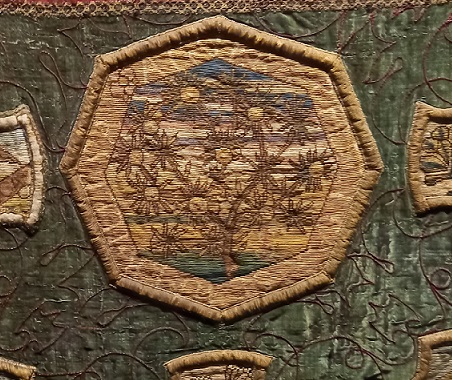
That they were stitched by Mary Queen of Scots is interesting enough, but that they were stitched during her captivity in England, designed by her and Bess of Hardwick, and that we know so much about these two women, their needlework, and their inspiration for the designs, is hugely significant. Because of their importance, a lot of research has been done about them.

The hangings at Oxburgh are the companion set of embroideries to the needlework at Hardwick. Those at Hardwick are not attached to background fabric. Many of them are framed in screens, and this work was done by Evelyn Cavendish, the last owner of the house before it was given to the Trust. In total there are over 100 embroidered pieces between the two locations, and it is thought that they were originally meant to be assembled on one piece of cloth.

There may have been other people stitching these pieces as well as Mary and Beth, it is known that Mary had embroiders with her, and Bess employed embroiders as well. What is certain is that the overall project is very much about the two women, their lives and experiences. Thus it forms a very significant record of, not only their skills, but their challenges and inspirations.

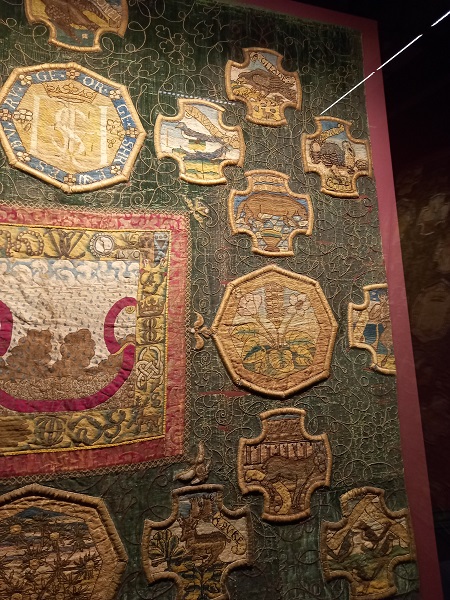
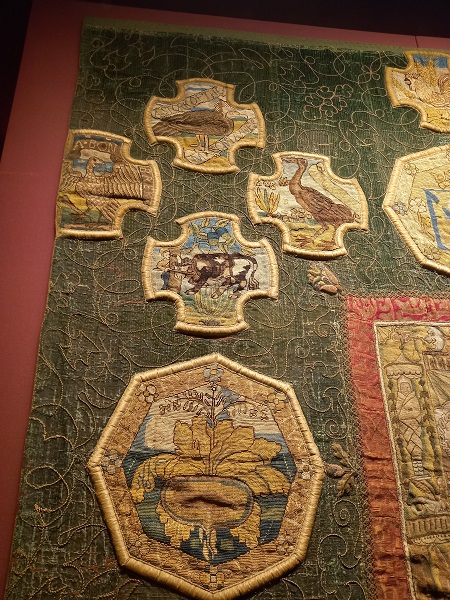
So many of the pieces are symbolic, and portray both icons that we would recognise, such as animals from illustrations, and tales such as those from Aesop’s Fables. Others are more complex, and textile historians have been left to try and unpick their meaning. Many of the pieces have mottos, or have been designed to portray something specific, particularly in Mary’s work, where recurring themes of imprisonment and loss are evident.

It is thought that this choice of a dolphin or delphin is linked to her marriage to the Dauphin of France, as the words are similar. In the piece she has ‘signed’ herself as MR with a crown, even though at that point she had lost her crown in both France and Scotland.

While she was working on these needleworks during the early years of her guardianship by Bess and her husband, George Talbot, Earl of Shrewsbury, Mary was clearly reflecting on the traumas that had brought her to her current situation, and how she could maybe get back to Scotland, her son, and her throne. Sadly that was never to happen, and after many years imprisoned in England, she was executed at Fotheringhay Castle.

I love this quote from the book.

‘In the sixteenth century, women’s writing and embroidery were seen as interchangeable, each a medium of female thought and emotion, each carrying the ‘hand’ of their author’.

I think that is true of women’s textile work in any era, the pieces we make are chosen to express ourselves in different ways, to convey our favourite colours and designs, to celebrate and to commemorate, and to pass on our love to the recipients.

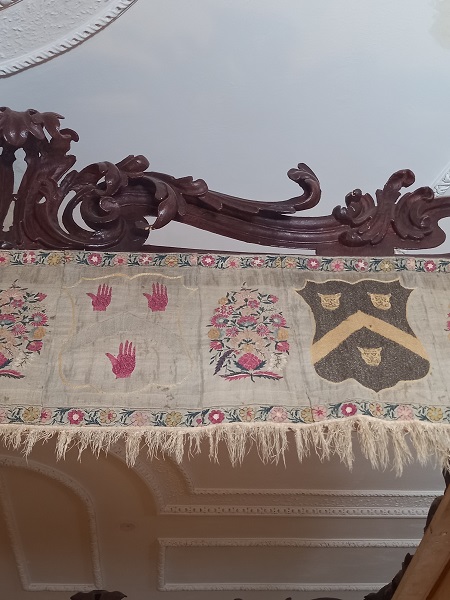
It is thought that Bess’s granddaughter, Aletha Talbot, stitched the pieces to the bed hangings. This means that they are not in the order that the original stitchers intended them to be in, and does mean some of the cruciform pieces have been cut off to fit the hangings, as you can see here.

The hangings arrived at Oxburgh in 1761, when Mary Browne married Richard Bedingfield, but no-one knows how she got them. It is fascinating to think where they might have been in the years since Mary’s death, and how easily they could have been lost forever. They were used as bed hangings until the sale of the house in 1950.

As you know if you are a regular reader here, I am working on my first novel, which is set around Hardwick Hall and one of Bess’s companion needleworks. So I am particularly interested in these pieces. I have read many articles about them, as well as biographies of Bess, and done some other study online, such as this excellent free course from Future Learn, The Life and Afterlife of Mary Queen of Scots. I can recommend this as being a really good exploration of Mary’s life, if you are interested.

My latest read, which I am absolutely loving for its detail about Mary’s textiles, is by Clare Hunter and is called Embroidering her Truth: Mary Queen of Scots and the language of Power. This is an excellent read, with a wealth of detail about Mary’s life, clothing and needlework.

I also have Clare’s other book, Threads of Life: A History of the World Through the Eye of a Needle which I am looking forward to reading next.

There is also another book about Mary’s embroidery by Michael Bath, called Emblems for a Queen, but at £167 on Amazon, I will have to try and find a library copy somewhere!

We have had a very lovely couple of workshops at my sewing group, I posted about the ribbon flower one last time, and this week I led one using fabric applique before embroidery, based on the wonderful designs by Jenny of Elefantz. It was brilliant to see everyone enjoying themselves, and sharing our skills, I am so lucky to have met this very talented group of women. We have more workshops planned before Christmas as well so I will have to slot in a catch up post with all of the textile happenings in Spain in between the summer catch ups.

I hope that you have all a good week, and are not too cold where you are. Friends are posting snowy pictures from Yorkshire and I am glad not be trying to negotiate getting out of the village to get to work, as I used to have to do at this time of year! See you all again soon, meanwhile have fun, take care, stay safe and thanks for visiting.

More Jacobean splendour, and a crafting update

There are many houses that I have visited that look very similar to each other. Sometimes, as with Hardwick and Wollaton Hall, as well as Gawthorpe, it is because they were designed by the same architect, Smythson. Others are similar as they were built in a style that was fashionable at the time.

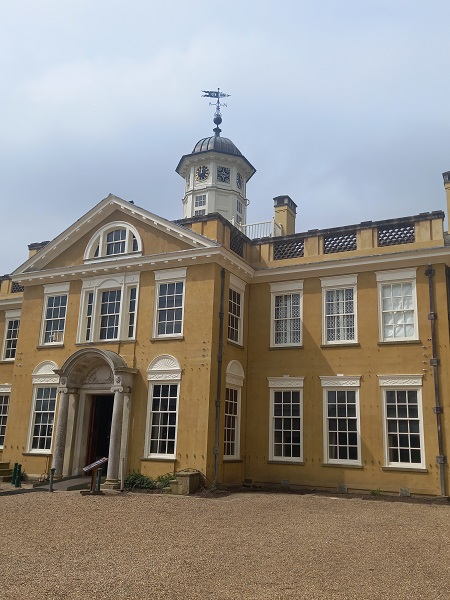
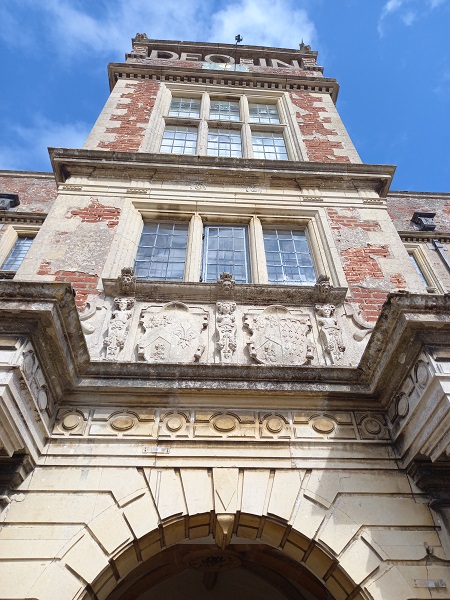
To me, Felbrigg Hall, near Norwich, looks very similar to Hardwick, particularly the top of the original façade.

You may notice, if you are familiar with Latin, that the carving on the top of the hall reads differently to how you might expect it to. We are familiar with, ‘Gloria in Excelsis Deo’, partly from the hymn of that name. The phrase means, ‘Glory to God in the highest’. The carving at the top of the house reads, ‘Gloria Deo in Excelsis’. I am not sure why this is, and neither was the guide. it may be that was a more familiar phrase when the house was built.

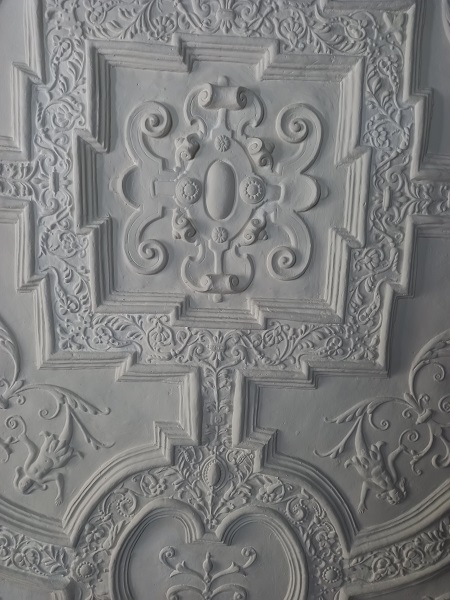
The hall was extended, so it has a very different feel at the rear, far more Baroque in style. The original part of the hall was my favourite, partly due to the stunning ceilings again. I am not sure if this one was originally Jacobean, or from the remodel they had later but it it very beautiful.

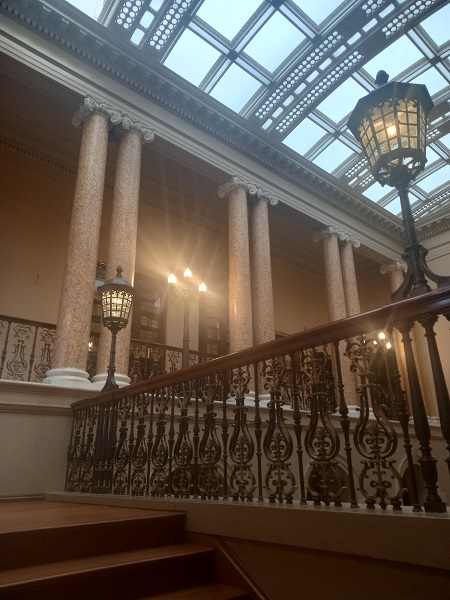
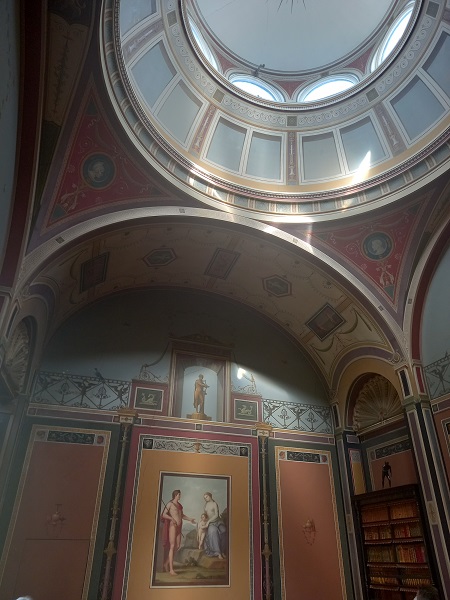
The hall was full of books, and beautiful works of art, collected by the family on their travels, and they had remodelled rooms to display their collections of stained glass and art, as in this room, specifically decorated to look like an art gallery.

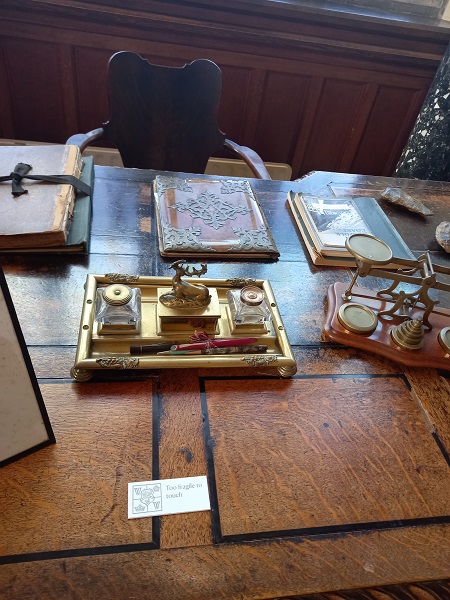
The last squire of Felbrigg, Robert Wyndham Ketton-Cremer was a keen historian, and I thought that one of the loveliest things in the house was his desk.

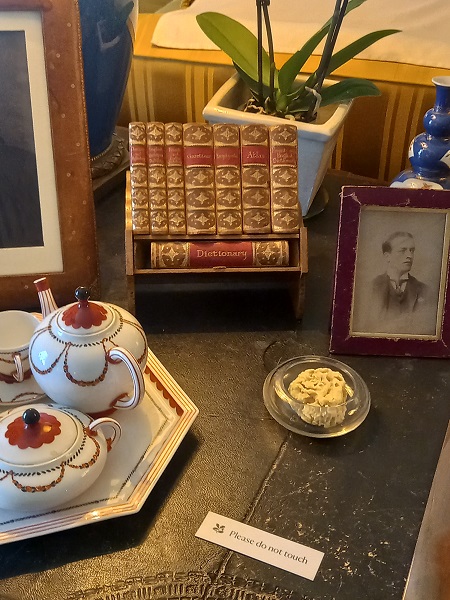
I particularly love that book with the beautiful cover. I have visited so many fantastic places this summer, but have had to stop myself from buying notebooks at every one, I already have too many unused, but I do love a gorgeous notebook. I can just imaging him sitting in his sunny study writing using that gorgeous inkwell.

I love the human touches in these houses. More than the grand paintings, or the splendid architecture, the thought of someone sitting in the rooms, and appreciating them, is wonderful. As Robert had no heirs, and his younger brother died in WW2, he made sure that the house was safe by passing it on to the Trust in 1941. There are also gorgeous gardens, including a very colourful kitchen garden.

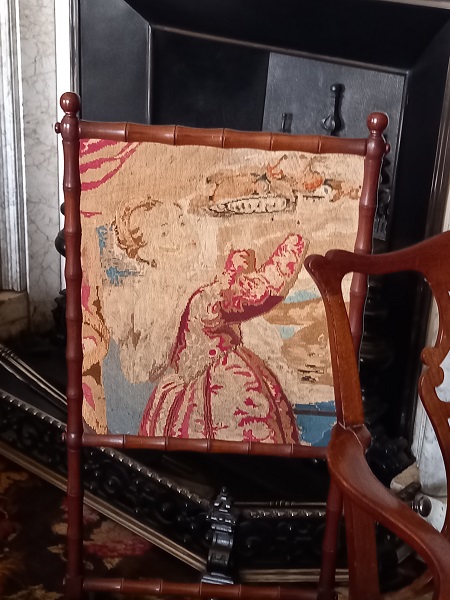
As for textile treasures, I think the prize has to go to these two lovely fire screens in one of the library areas, now sadly faded, but what hours of work must have gone into these.

They look like the sort of thing that would have been bought in kit form, possibly late 1800s, but I am guessing as there was no provenance. They have a look of the kind of paintings people saw on their Grand Tours, then replicated for use in their houses.

I had an amazing time in Cordoba last week, so many things to show you, but I must stick with the timeline and finish the UK posts before I even get to the wonders of France and Spain. It is now probably only little day trips in Katy until end of Jan, so I will have plenty of time for updates on a more regular basis. Katy is loving being in the sunshine, and driving around La Marina, and I am loving the freedom to travel to all those places that are too far for my bike.

I have been busy with some finishes. I have finally put together a set of reindeer for a friend who really loved the ones I did for the fundraiser last year. These I have named Rudy and Ruby.

This year’s fundraiser will be a knitted mouse, I have been knitting dresses while I have been away, so just some shoes to finish and the making up to do.

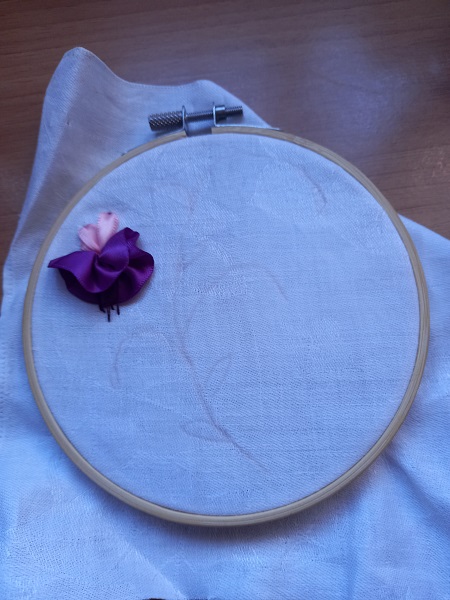
It has been great to be back at my knitting and sewing groups and catching up with everyone, and practising my Spanish again! We have had the first of a few workshops that we are having this ‘term’, a ribbon embroidery one led by Vivien. I didn’t get it finished, but am pleased with what I did.

I am running another embroidery workshop next week, this time with added bits of fabric applique. The lovely thing is that a couple of people who have never embroidered before the last one really enjoyed it, and have been doing lots more over the summer. These are Lynne’s mandala designs which are fantastic, especially as she had never stitched before. She has used children’s colouring books and traced the designs, as they are a great source of inspiration.

It is still sunny and warm here as well, unseasonably so as it has been around 24 degrees this week. Apologies to all my UK friends and family who are freezing, damp and cold!

I had a very nice, and unexpected visitor last week before going to Cordoba, a fellow van owner, and solo traveller, Debbie, who I met in the summer at a festival in Worcester. She was in my area, on her way to Morocco, so she spent a few days parked up at my house, enjoying, and hiding from, the 29 degrees we had that week. It was brilliant to see her, and I am following her adventures now, as she has just arrived in Morocco. That has been one of the very best things about my travels this summer, meeting so many other people who enjoy van life as I do. Being at home is great, but I still have very itchy feet 😉

I need to stay in one place for a while though, if only to have time to plan the next trips! I will be back soon with more of my textile related adventures in Norfolk. Hope you are all having a good time, wherever you are. Have fun, take care, stay safe and thanks for visiting.

Blickling, a paradise of plasterwork

I have long wanted to visit Blickling Hall in Norfolk. Ellen visited many years ago, as part of her role at the Trust, a their textile conservation studio is based there. It was a brilliant day out, the drive there was beautiful and the hall looked stunning.

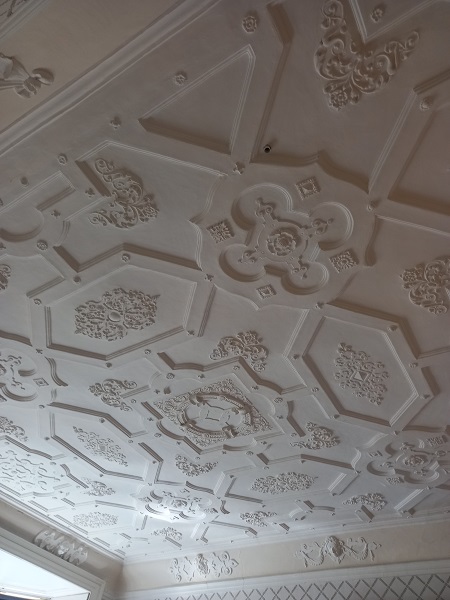
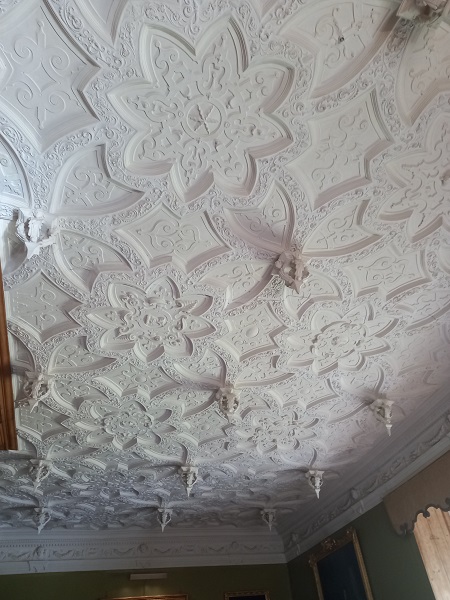
It was built in the early 1600s, and the house that it replaced was believed to be where Anne Bolyen was born. It is the most stunning piece of Jacobean architecture, and the ceilings are amazing. I have rarely seen such ornate ones in any of the Trust houses that I have visited, of particular note were the very large finials on the designs, the ones in the lounge were huge.

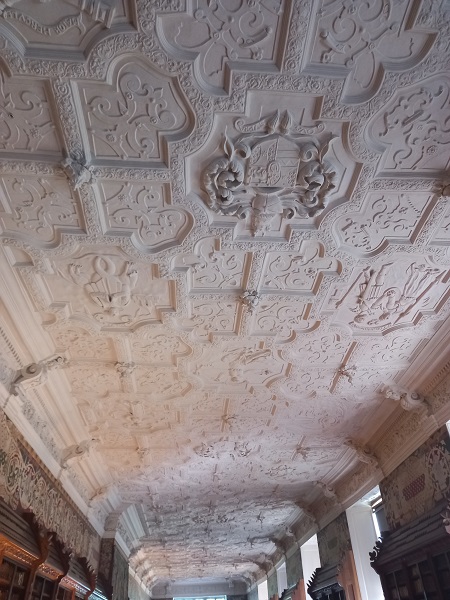
The library, in the bottom two photos, was one of the most ornate ceilings that I have ever seen, this was originally the Long Gallery, until the 1740s when it was remodelled.

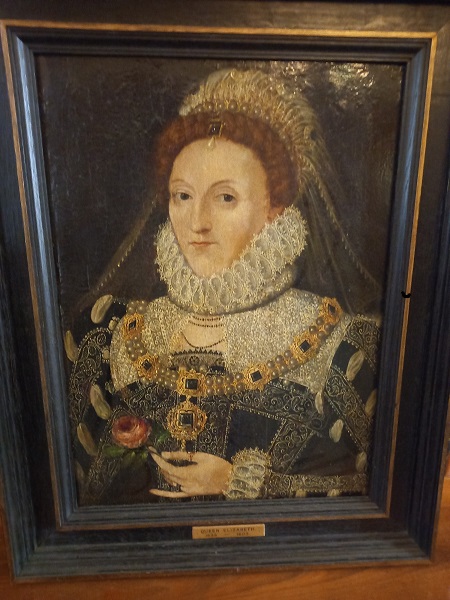
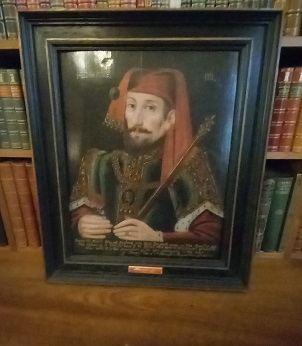
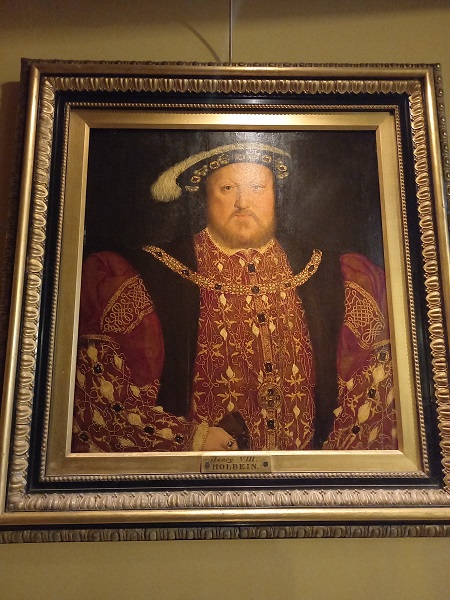
Because of the royal connection there were some gorgeous portraits, again with such stunning lace details. There were portraits of Henry 8th and Elizabeth 1st, as well as some other Elizabethan nobles.

I was very interested in this one, of Anne of Denmark, many years ago Mum and I visited the castle where she was brought up when we went to Copenhagen. The castle was a very beautiful place but in quite a remote coastal location, and I remember wondering at the time what she felt about her marriage and moving to Scotland and England. She was the wife of King James 1st of England and mother of Charles 1st, and by all accounts led a very tumultuous life.

One of the things that I love about visiting historic places is how it allows me to fill in the gaps in my historical knowledge, and make connections between people and places. Anne appears to have no direct connection to Blickling, but no doubt the portrait was acquired for its own sake, as it is beautiful.

There were some lovely beds on display, this first one dates from the Jacobean period and is in beautiful condition, with the colours on the crewel work so vibrant.

This was a very unusual set of bed hangings, on a bed in the fashionable Chinese bedroom. It has a mixture of heraldry and embroidered flowers, and looks as if it may have been pieced together from separate components.

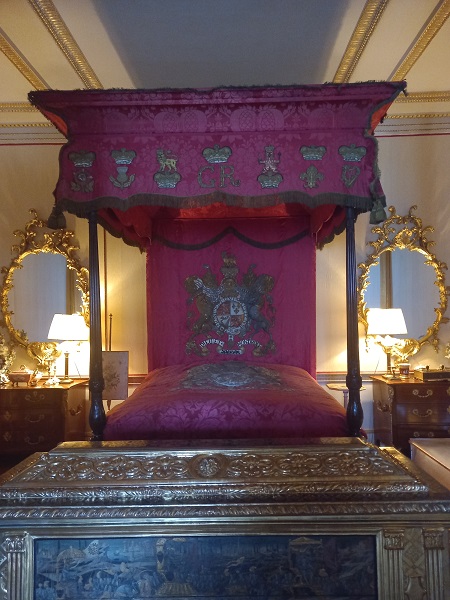
There was also a very impressive state bed, which has recently been extensively restored. It dates from the late 1700s, and has the heraldries of King George 1st, 2nd and 3rd.

There is no information that I can find about whether any of the kings ever slept in it, but I loved the information about where the component parts came from, taken from this link at The National Trust collections site.

The tester and headboard (which bear the Royal Arms as used 1714 – 1800) are said to have been made out of a canopy of state given to John Hobart, 2nd Earl of Buckinghamshire in 1762 on the occasion of his embassy to St. Petersburg whilst serving as envoy to the Russian Court, a post he held between 1762 and 1765. Throughout the eighteenth century, every British ambassador representing the monarch abroad was supplied by the government with a state canopy, a chair of state, a pair of portraits of the king and queen as well as an allowance for ambassadorial silver.

I love the idea of this textile travelling to Russia and back again and ending up in Norfolk!

As well as the very impressive beds there were many gorgeous pieces of hand worked textiles, such as this cushion, and the fire screen in the photo below. As always when I see pieces like this I think of the hours of work by someone in the house to make these items.

There was some active conservation work happening at the time with the cushions in the lounge. I do like the way that the Trust are making this work more explicit now, rather than closing houses for deep cleaning. I know it must make it more difficult to do all the necessary work, but I really love to see all this in action.

I have been doing a lot of deep cleaning myself, it’s amazing how dirty the house gets even when I’m not here. The cockroaches are partly to blame for that, did you know that they poo? It’s like little mouse droppings, so I have to have a good clean out of all of the cupboards whenever I return. Luckily I don’t have any precious textiles here that are at risk.

Mum and I have been out, making the most of having Katy here so we went for lunch at the beach, and then an exciting trip to the DIY shop to buy new taps for the bathroom sink 🙂 We are off out again to some of the gorgeous coastline today, then off to Cordoba next week for a little city visit as it is so long since I have been in a historic Spanish city 😉 I will back as soon as I can with more of Norfolk, until then, have fun, take care, stay safe and thanks for visiting.

Bridgerton settings and the case of the missing hangings

I had planned to visit Belton House anyway en route to Norfolk, but was even more keen after Ellen told me it was used in the recent Bridgerton prequel about Queen Charlotte and King George.

I loved that series, not only for the costumes, which are always fabulous, but also loved the sets. I am one of those people who always wants to know where things are filmed. Thank God for Google so I can find things and add them to my list of places to visit.

Ellen’s friend, Nancy, was actually there while they were filming as she used to work there. The location they used was the beautiful conservatory, which became George’s observatory.

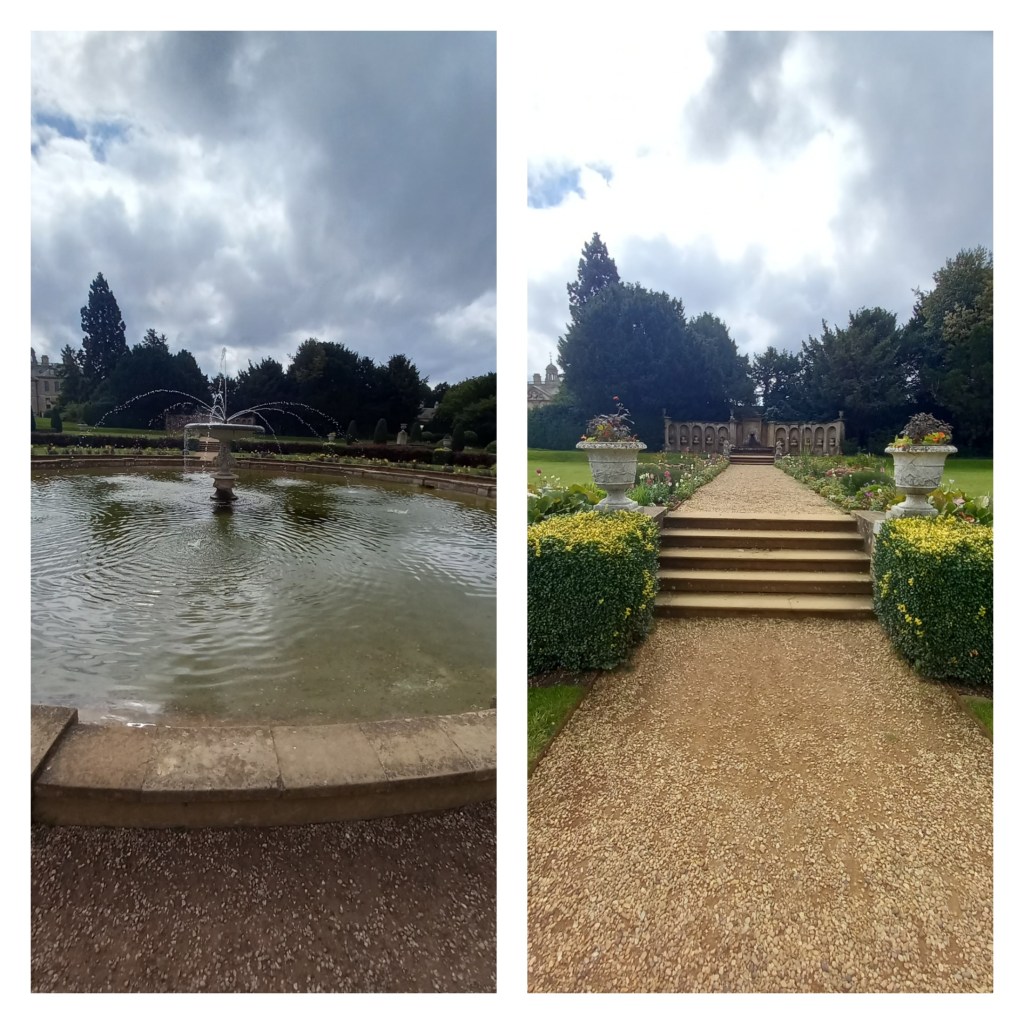
This is located at the back of the gorgeous Italian garden behind the house.

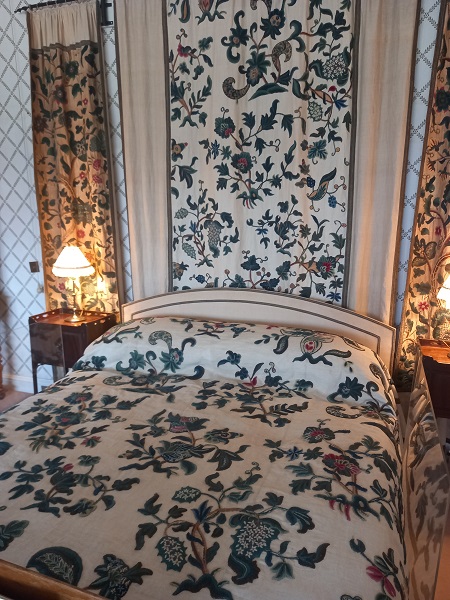
Inside there were some beautiful examples of furniture, including my favourite, needlepoint chairs, and as is common with these era houses, a Chinese bedroom.

One of the main reasons for visiting Norfolk apart from a reunion with some former work colleagues, was to visit Oxburgh Hall. I have wanted to go for about 20 years, ever since first visiting Hardwick, as this is where the companion stitching to the ones there by Bess and Mary Queen of Scots are. Except ….

I had met up with my friend Linda from Spain, who was staying nearby with relatives. We did have a very lovely day out, despite the lack of hangings! It is a stunning moated property and it has been beautifully restored.

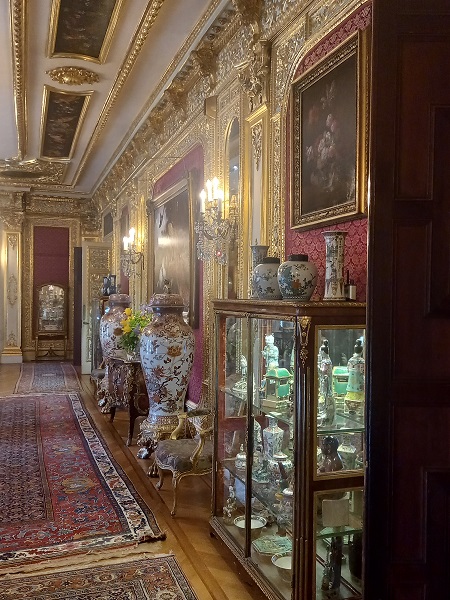
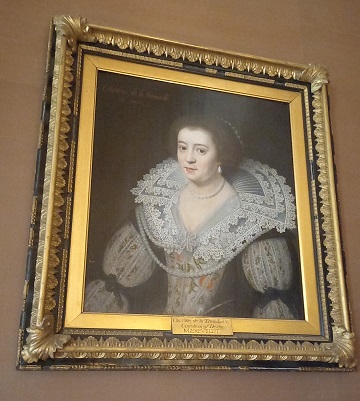
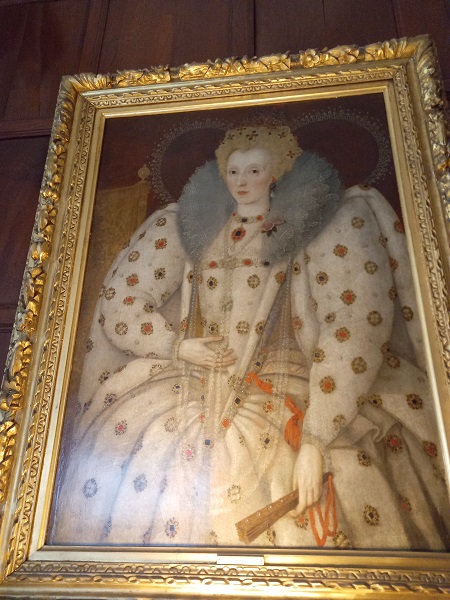
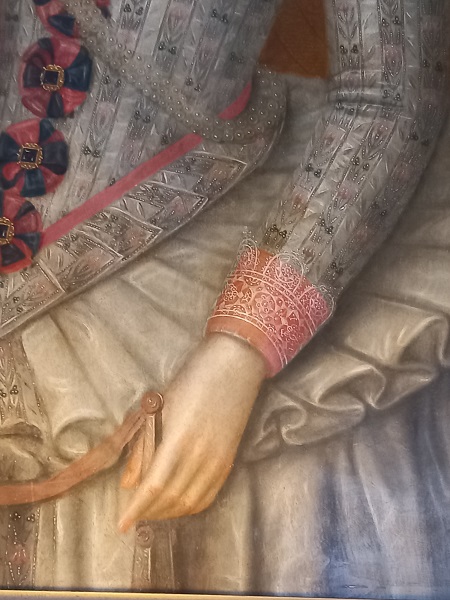
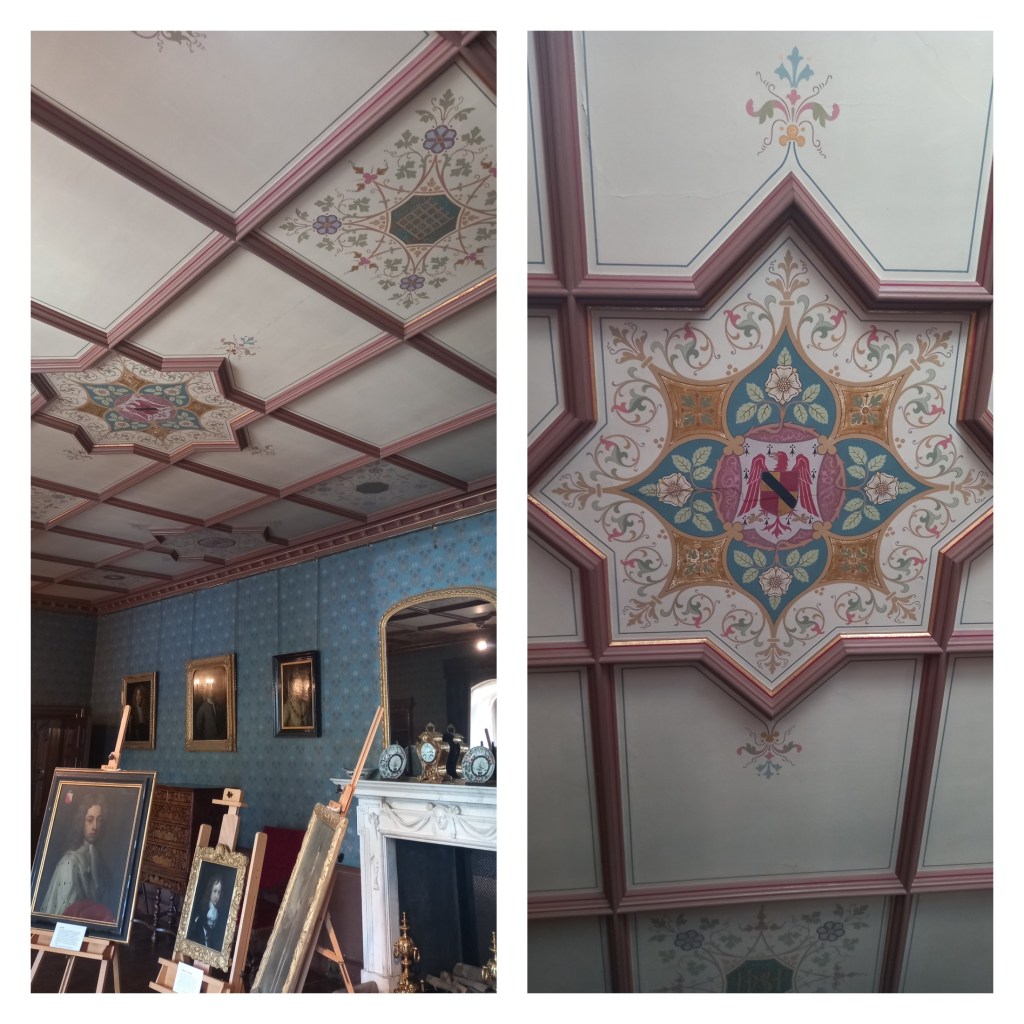
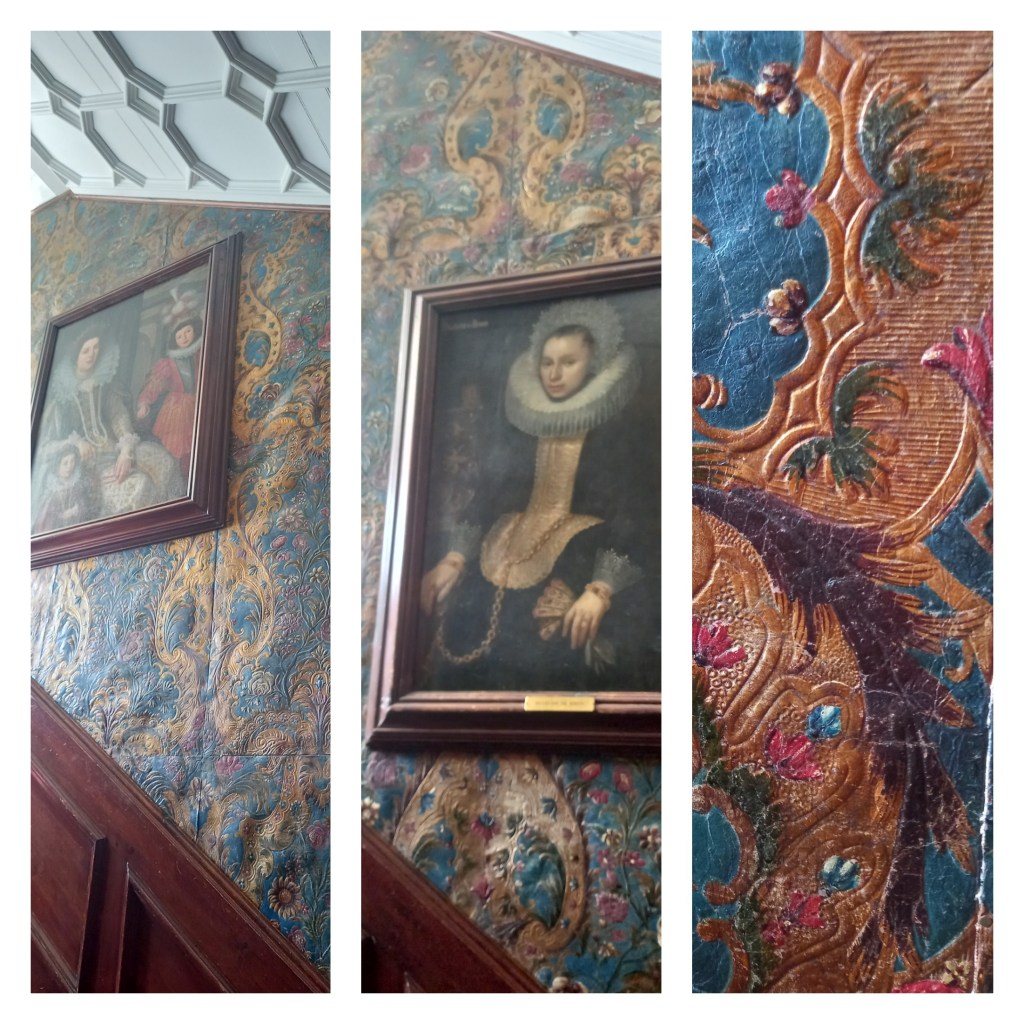
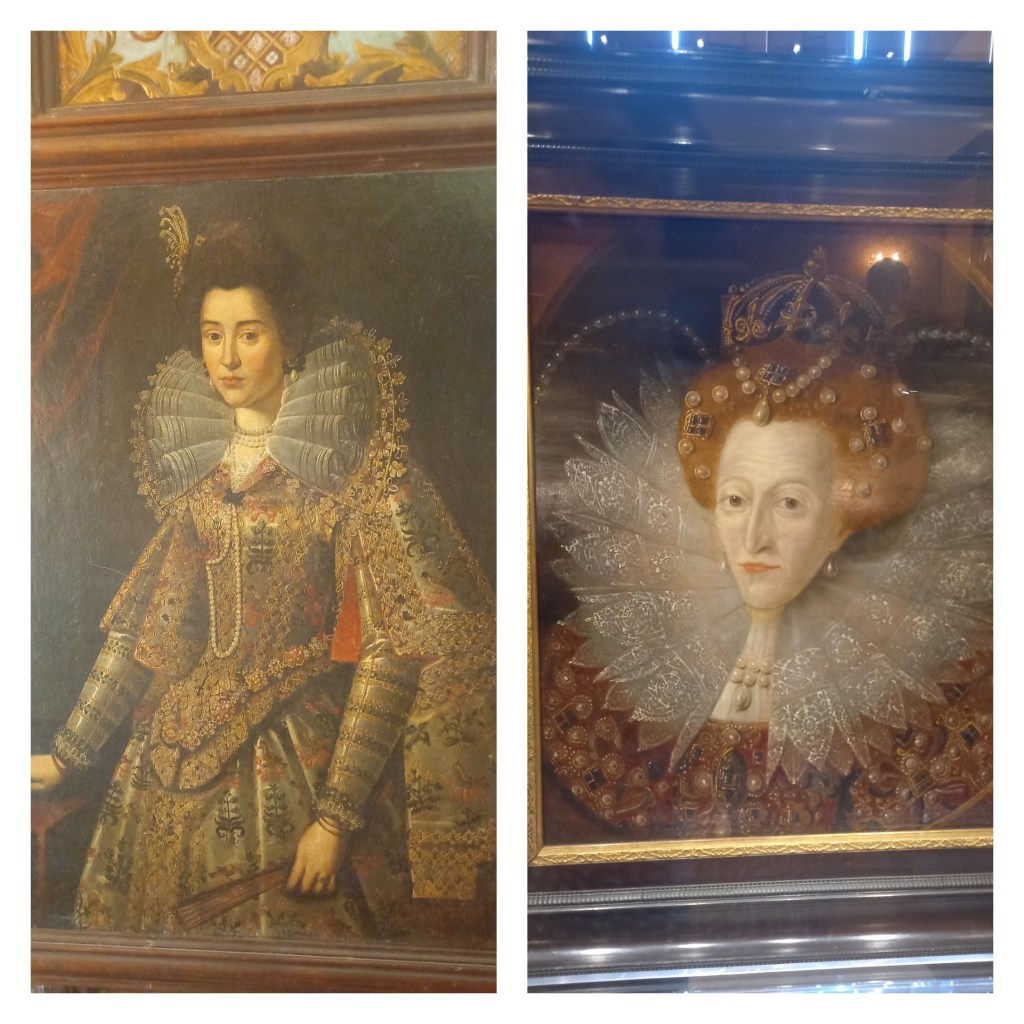
There were some very gorgeous Elizabethan era portraits, I love the lace in these. The whole house was so ornate with painted ceilings and leather wallpaper.

I will have to try and organise another visit to see the hangings, hopefully before another 20 years is up!

The rest of the week at Sandringham was very peaceful, I spent a lot of time with my friends which was lovely and quite emotional. Sadly the School of Education, where I worked for 20 years, has been closed and many people have lost their jobs. I feel so sad for my colleagues, who have always worked so hard and wish them all the best for the future.

I will be back soon with more of lovely Norfolk, it has been so nice to have time to explore and I have been lucky to have mainly very good weather. Until next time have fun, take care, stay safe and thanks for visiting.

Stops along the way

I like to plan some Trust properties or other sites of interest to break up my journeys so here are a few I have visited recently.

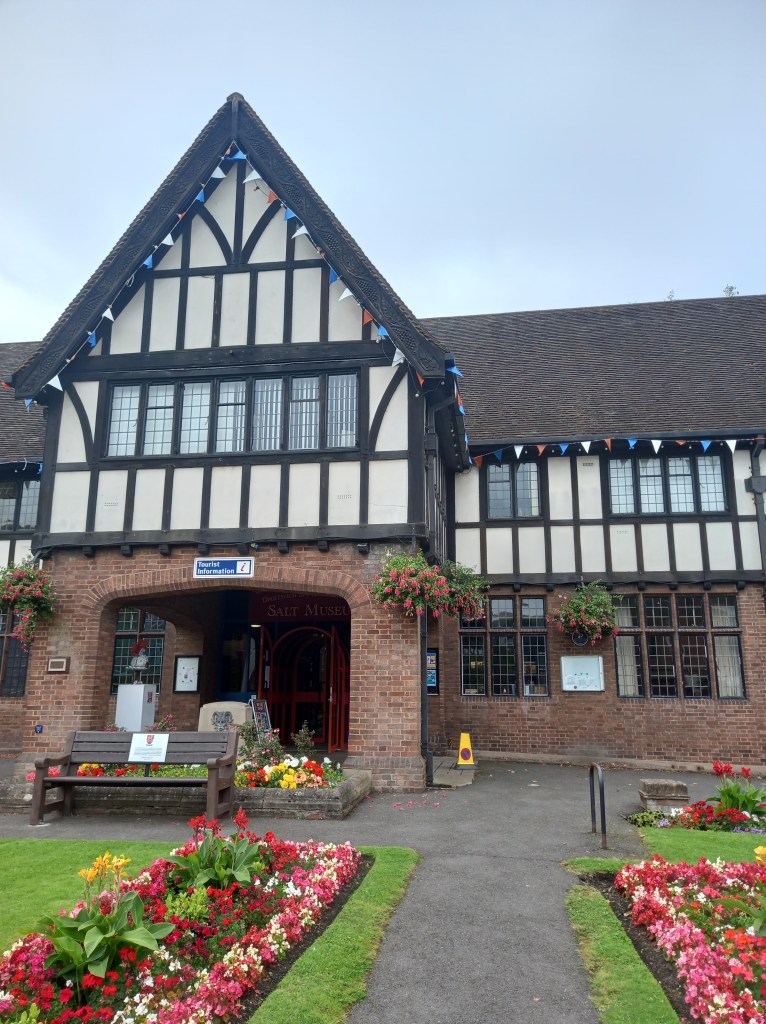
Ellen’s best friend from University, Becky, now manages the Droitwich Spa Heritage Centre, a lovely little museum about the salt industry. The town has lots of left over industrial heritage from those days and some beautiful Tudor buildings.

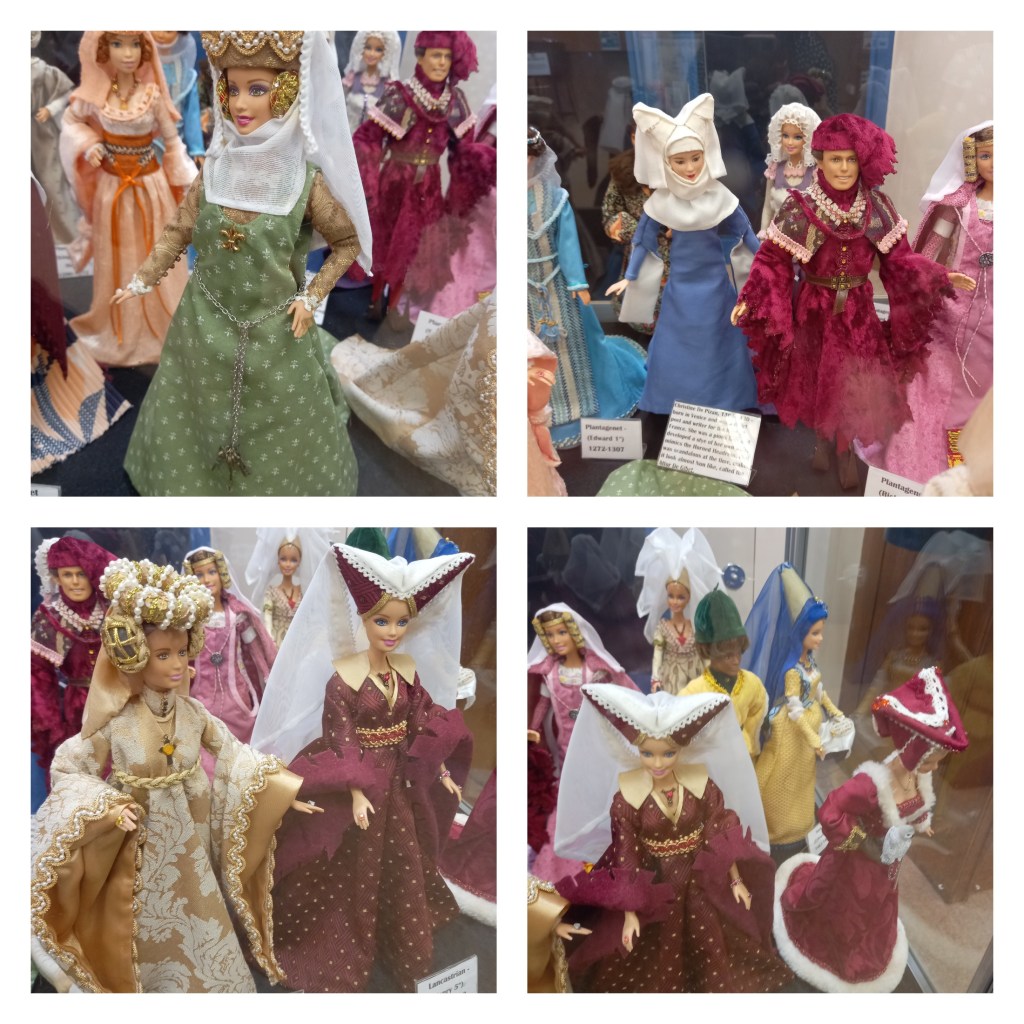
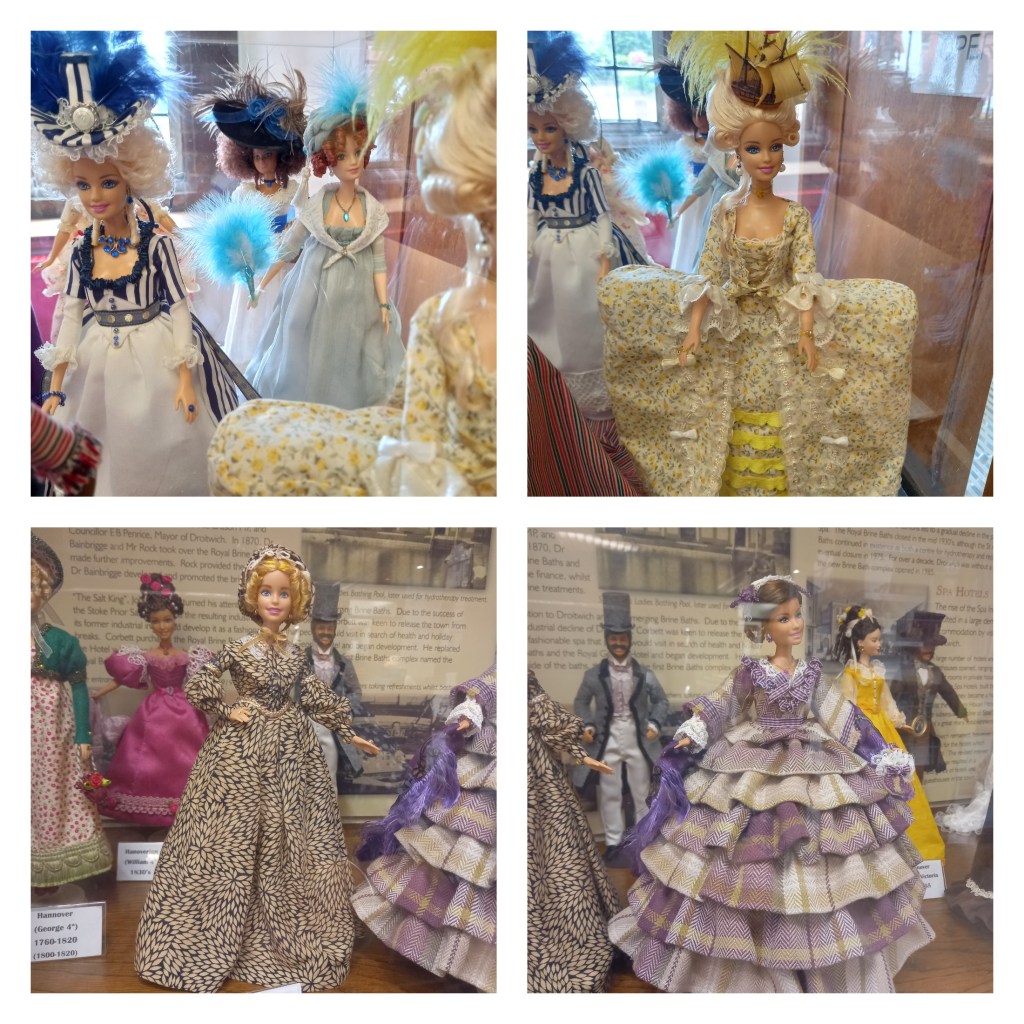
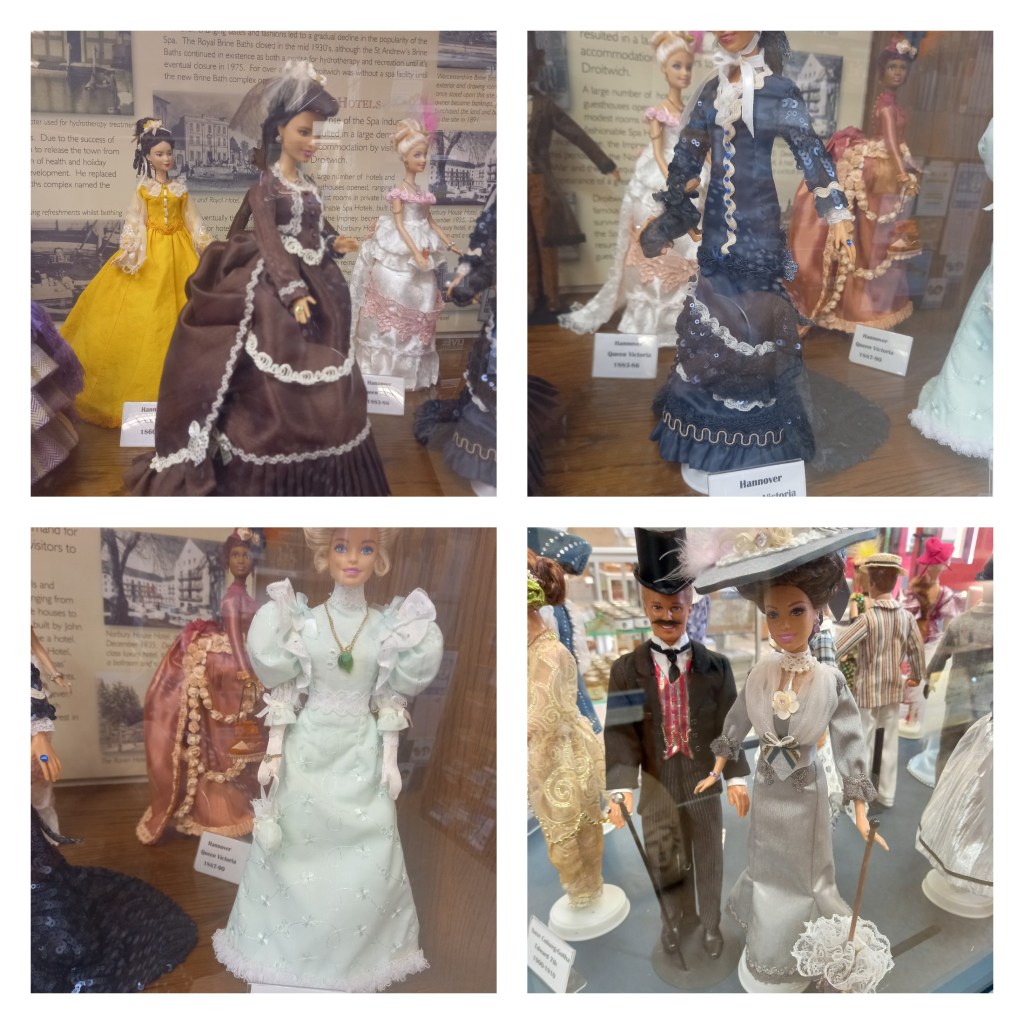
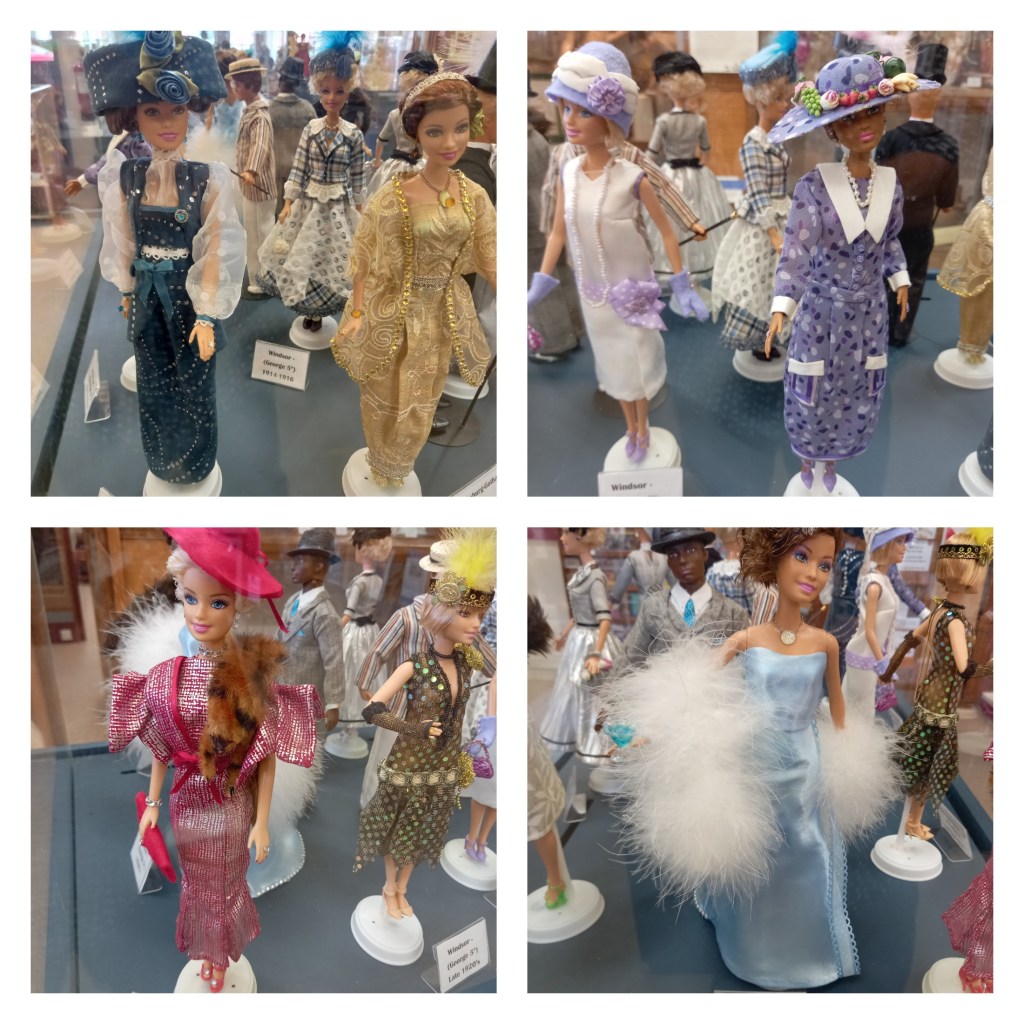
They had a special exhibition a while ago that I just had to go and see, Lisa- Jayne Smith, a retired theatre costume designer, had decided to make 85 Barbie costumes, representing fashion from 1066 to the 1980s.

Such beautiful details on all of the costumes and such a lot of work!

As you can imagine I was thrilled and the costumes are amazing. I must get on with the Tudor one for my dolls that I have been meaning to make since lockdown.

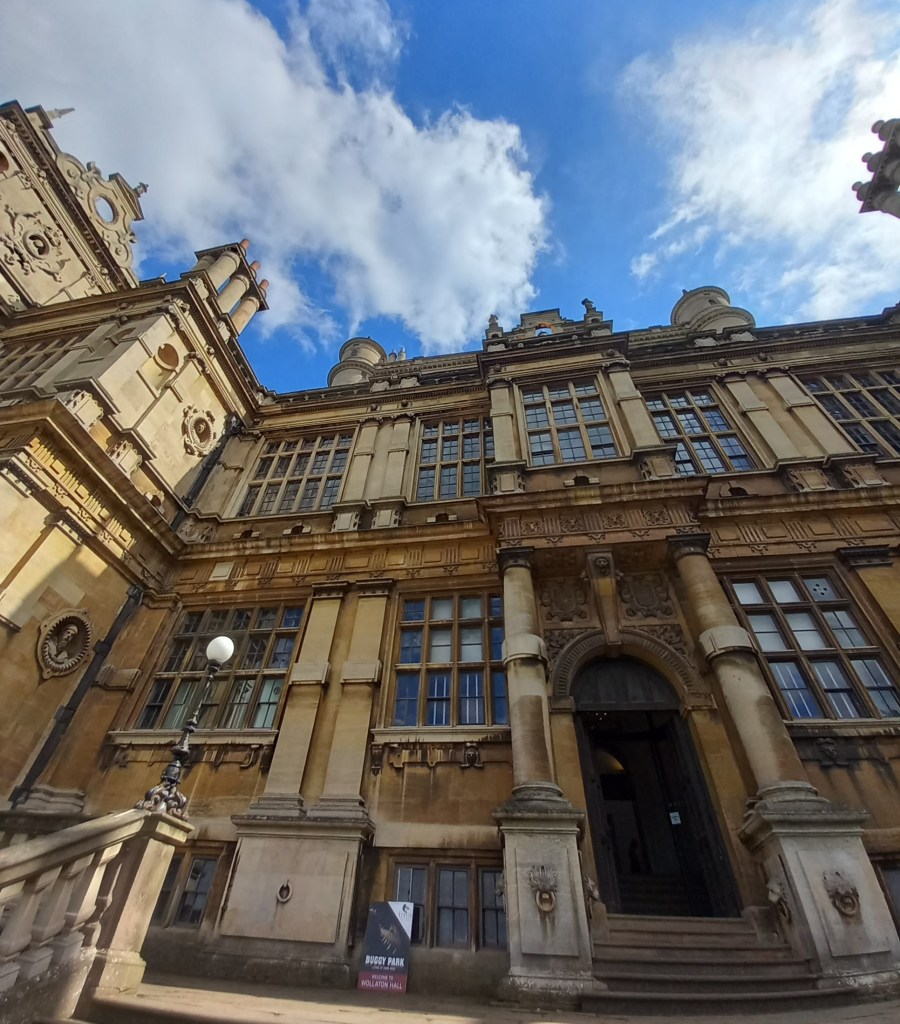
I managed to make a quick visit to Wollaton Hall in Nottingham the same day. If it looks familiar it is because it was designed by Smythson, who also designed Hardwick Hall. It is now the Natural History Museum so the interior is very different.

I also met my friend Lynne from Spain, at Gainsborough Old Hall, a beautiful building with a very unique kitchen complete with serving hatches.

Apologies for the abrupt ending to the last post, whatever I did I could not get it to save anything, so after a week just gave up. As always I hope you are all well and happy. Have fun, take care, stay safe and thanks for visiting.

Lincolnshire skies

After the Slumber on the Humber festival I went to stay at Mablethorpe for 10 days. I had a really lovely relaxing time here on the coast and was joined for the weekend by my friend Sharon, from Marsden. She is thinking of buying a campervan so had rented one for the week to get an idea of what type she would like.

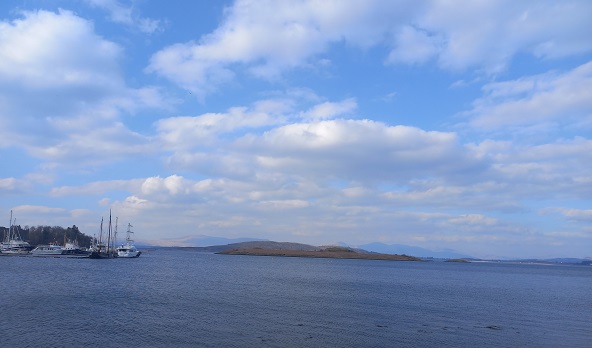
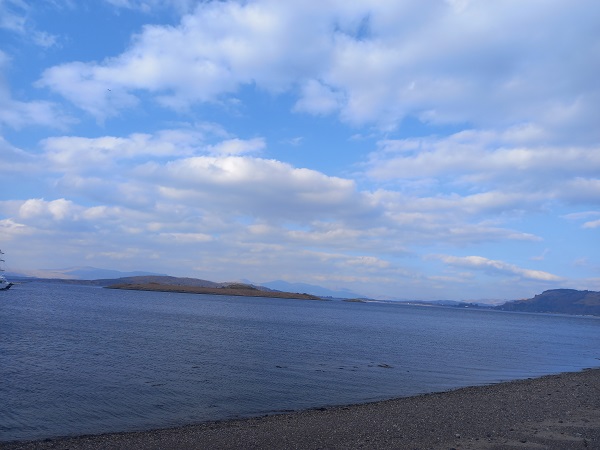
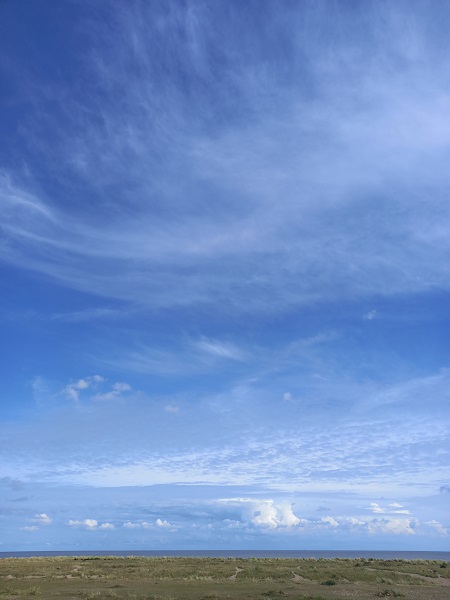
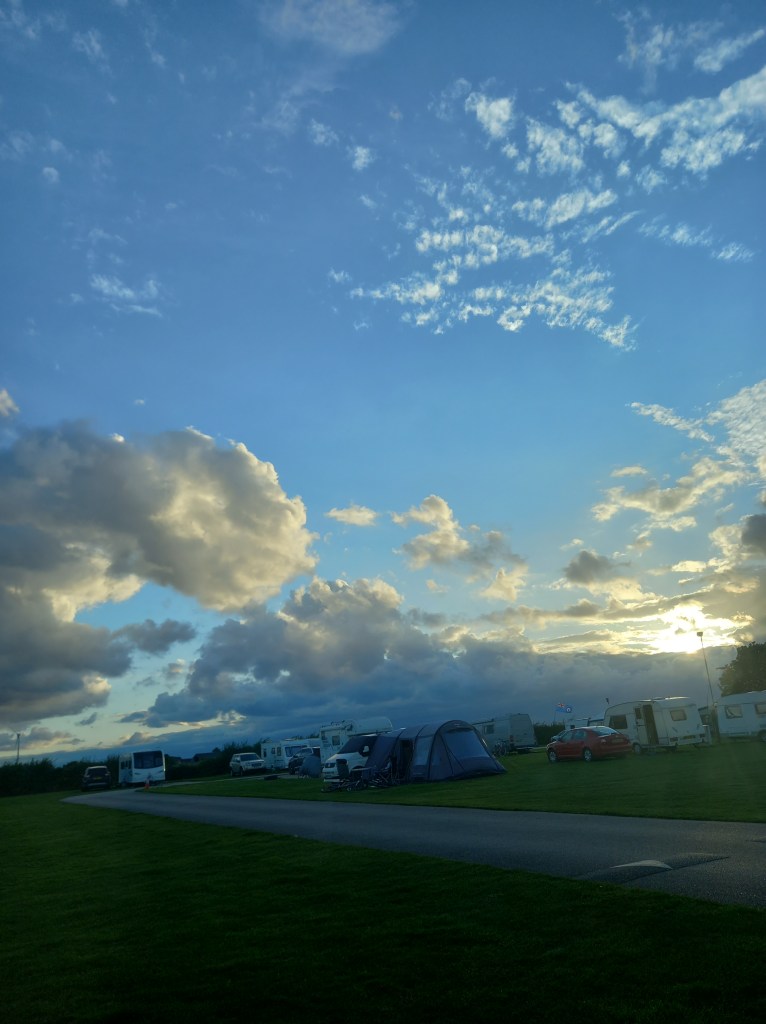
The weather was really good and I spent most of the time along the coast, and looking at the clouds. Lincolnshire is very flat and the campsite was next to fields, so apart from the windmills in the distance, all you could see was sky and there were some brilliant sunsets.

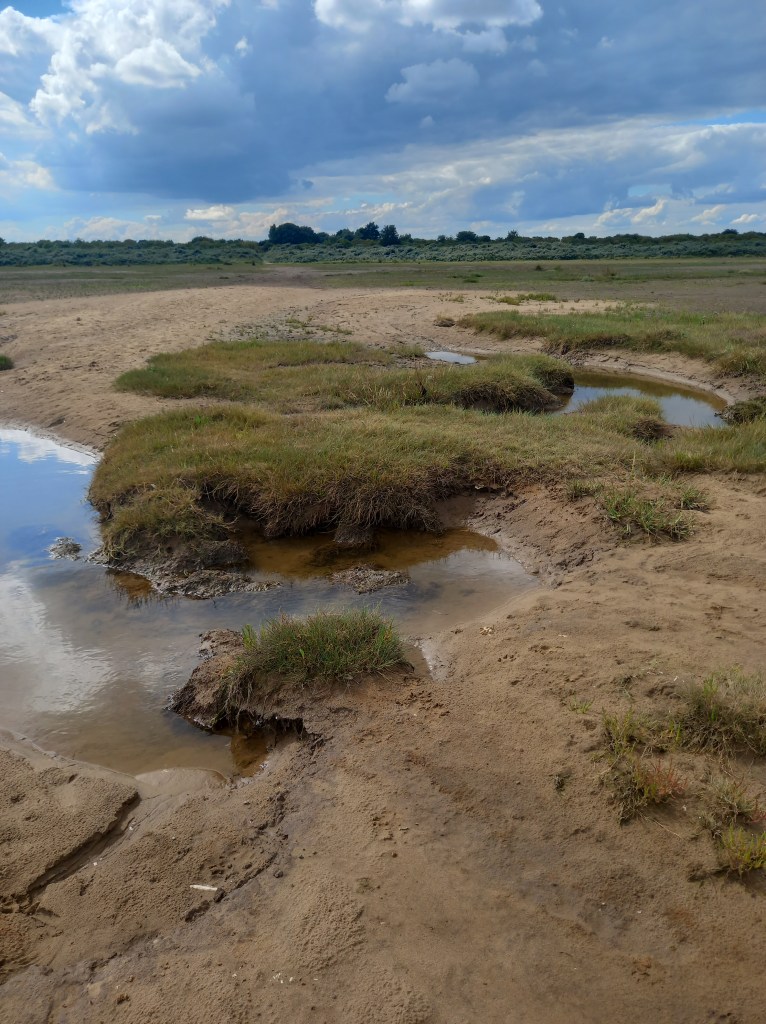
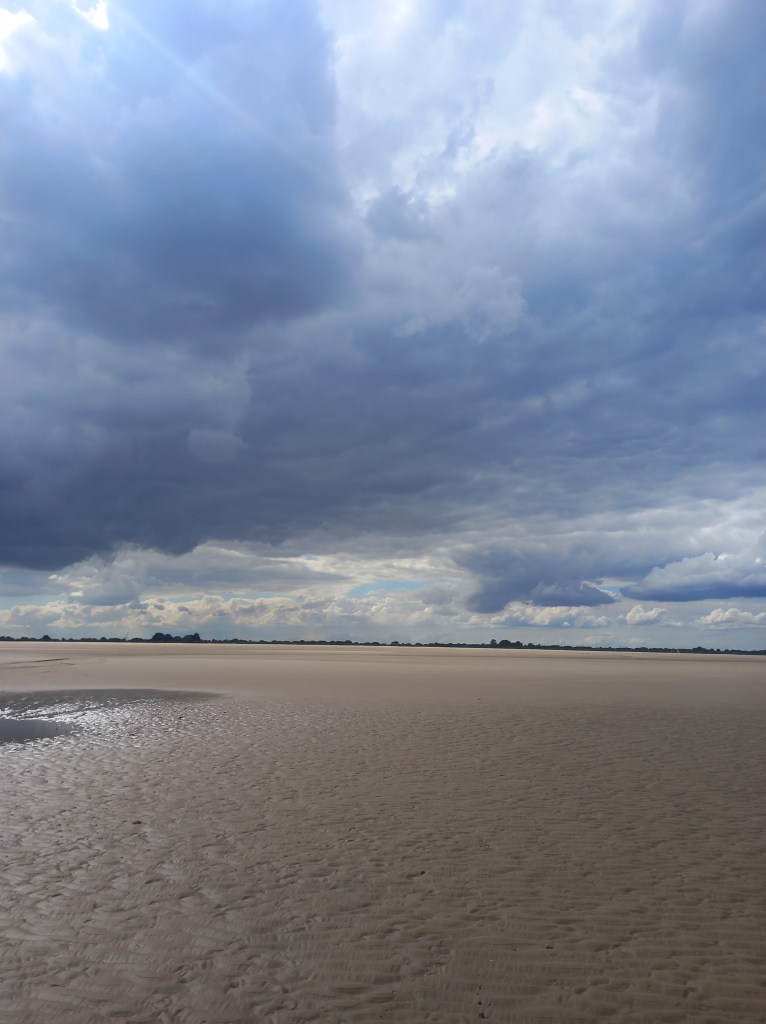
I went for a few walks to local beach nature reserves, there are lots of salt marsh reserves here and there were amazing clouds over the beaches.

I particularly love this last picture where it looks like there is a fight between the good and bad clouds with the evil.darkness about the envelop the fluffy white one.

We loved the patterns that the water made flowing through the sand and found shells that had worn away to form beautiful patterns of holes.

We did do a little bit of National Trust visiting, to Gunby Hall, which had the most gorgeous gardens and orchard.

The family that lived in the house in the Victorian era had lots of links with the famous writers artists and thinkers of the era. One of the daughters, Emily Massingberd founded The Pioneer Club in 1892 to support women’s suffrage.

Another daughter, Sybil, was friends with Gertrude Bell, the traveller and Middle Eastern specialist who I have blogged about before.

I really enjoy learning about links between all of these inspirational women. It sets all of their lives into context.

We had a lovely time and Sharon enjoyed her cute little campervan. Hopefully she can find one of her own and we can have more adventures together.

I am very much enjoying my time here in Norfolk, after a busy weekend at the Steampunk Festival in Lincoln after my stay in Mablethorpe and then a week at Ellen’s decorating.

Herefordshire heritage

I had a lovely time a few weeks back when I was staying at the Hereford Caravan and Camping Club site.

There are lots of Trust properties in that area so I was pleased that I managed to visit two as well as Leominster for the embroidery exhibition.

The first of two that I went to in one day was Croft Castle. Like Dunster, in Somerset, this started life as a castle and was then modified into a family home.

The family had close links with the court of Elizabeth 1st, so there were some wonderful portraits in the entrance hall.

One of the exhibits was a, ‘Croft Cloth’, that was made in 2018 to celebrate the centenary of the Representation of the People Act, which gave more people the vote.

The cloth has oak leaves with the names of staff, volunteers and visitors, this being the symbol of the Trust. I love collaborative projects like these, reminiscent of the signature quilts from Victorian era fundraisers.

There was also some interesting embroidery in the form of a collage featuring the castle done in 1960 by Frances Kay.

There were some stunning ceiling and wall decorations that I will add to my possible future designs for needlework, these would look amazing in white work.

The other visit was to Berrington Hall, a Georgian property with a surprise textile treasure.

A dress owned by one of the Georgian occupants of the house, Ann Bangham, was acquired at auction and there is a display of the dress and its construction.

The dress consists of many parts so the textile historians had to reconstruct it. It dates from the late 1700s.

As well as this very good interpretation there is a room devoted to a display by the needlework volunteers who each created their own version of the missing stomacher.

It is brilliant to see so much information about these wonderful people. Often there is no information and little credit given to the volunteers who also produce such high quality garments for visitors to dress in at the house.

The detail on the embroidered jacket here is wonderful, well done to all who contributed to this collection.

I shall be back as soon as I can as I have lots more to share with you. The app for mobile is very slow and as I have only limited WiFi as well posts take a long time to do. Meanwhile I hope that you have fun, take care, stay safe and thanks for visiting.

Dunster and the delights of Devon….featuring roads I will only ever drive on once!

I do tend to base many of my holidays around National Trust properties, and although this was primarily booked for the coast and moorland, I have been making good use of my membership again.

A couple of days ago I went to Dunster Castle which has a lovely little village below it, and a very interesting history, having originally been a fortified castle from the time of William the Conqueror and survived the Civil War to now be a very impressive former family home.

There was not a huge amount of textile loveliness but I did find this wonderful quilt, made of silks and satins, probably Victorian looking at the fabric.

As well as the interior, featuring Elizabeth and plaster ceilings, Jacobean carved staircases and all the lovely things you would expect to find in a house in almost continuous occupation for 1000 years, there was an amazing garden and Riverside walk, ending at a working watermill.

I love hydrangeas, the colours and shapes are so amazing, and there were so many of them.in the castle gardens.

I have become slightly obsessed with English cottage gardens as well. All this time amongst the bougainvillea and cactus has made me really appreciate the very delicate flowers that were growing in this memorial garden in Dunster Village.

The garden was in the grounds of the old priory, next to the Tithe Barn and a fascinating dovecote dating from the 13th century that had space for 500 pigeons, all bred for eating.

Yesterday I drove across the border into Devon again, to visit the Valley of the Rocks. The coastal path runs along here and the views are amazing.

The rock formations look like ruins of castles themselves.

There are wild goats that live here, one family of which was perched on a ledge so high above the sea.

To get there I had to put on my big girl pants and drive up Porlock Hill, 25% slopes and so many sharp bends!!! I also happened to be following the coastal bus.

Katy and I did really well but I did opt for the route back across Exmoor with slightly flatter roads, stunning views and only the odd sheep and cow in the road. Since I started learning to drive in Marsden that is something I am very used to.

I only have one more day here before I go to my first festival. A few days of meeting other van people and hopefully chilling listening to blues in a sunny field.

I will be back soon with a new location, spending a couple of days in between festivals at a childhood day out location pretending I am 12 again. Until then good bye from my sunny campsite.

Have fun, take care, stay safe and thanks for visiting.

Clouds, coastlines and cottages

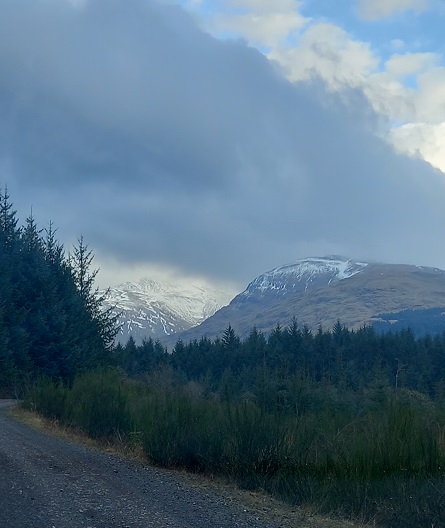
I have now been in Somerset for nearly a week and am very much enjoying my time here. The weather has been variable, but that has meant lots of opportunity to watch the cloud formations over the sea and moorland so I don’t mind at all.

There have also been some fabulous rainbows across the bay.

I have had various posts from friends who are melting in Spain, so am enjoying my 17 degrees!

Minehead is a very cute little town and is the start of a coastal walk, of which there are many sections. I have only done a bit so far due to the rain, but have enjoyed the sea and pebble beach views, very different to my Spanish scenes.

The harbour at Minehead has some cottages with beautiful little gardens.

Somerset is full of quintessentially English thatched cottages and today I went to Selworthy, a National Trust village.

There are four gorgeous little cottages, grouped around the village green, with gardens with some of my favourite flowers in.

Two are a tea shop and gift shop and I think the others can be rented.

There were lovely views over the valley.

The church there was also very impressive, with stunning carved pews and a ceiling full of carved angels and bosses.

There was also another of the Mother’s Union Virgen Mary banners that I have seen in so many churches.

I would love to know if the patterns were centrally supplied for these, as I have seen so many that are similar on my travels.

I also went to Porlock Weir, for another set of cute cottages and pebble beach, and one of the smallest museums I have ever visited.

This was a packed room of all things sea related.

There was some great stuff, like this set of signalling flags from the 1800s.

I am trying out a new app that allows me to make collages which are faster to upload while on the road so I hope you like the layout.

I have another four days here so there will be yet more Somerset fun to share later in the week. Until then have fun, take care, stay safe, and thanks for visiting.

Venice, palazzos, pizzas and more

Our recent trip to Venice was very interesting, and not just for all the usual reasons such as the stunning scenery and the delicious food. Yes, there was all that in abundance, however there was also a chance to think about the city in its modern context, not just as a fascinating historical city.

One of the things that I remember seeing in lockdown was photos of dolphins swimming in clear waters in the canals of Venice as the tourists were not there, and consequently there was not the constant traffic of vaporettos, water taxis, ferries and gondolas.

The Grand Canal is amazing, and I loved looking at all of palazzos as we passed and wondering about all the people who had built them and lived in them over the centuries.

Venice is one of the most visited cities in the world, with over 25 million individual visits in 2019 and the pandemic and the restarting of travel has prompted Venetians and others to try and think differently about the city.

There are around 250,000 residents in the greater Venice area and only 55,000 who live on the main island. The population is shrinking by around a thousand a year, partly because properties get sold for tourist purposes rather than being affordable for locals.

I was glad that we had already planned lots of the things that are recommended to make travel there more sustainable. We were staying for a week, when many visits to the city are for just a day, especially from people on cruises.

That makes the central areas, such as St Mark’s Square above, very crowded, and also does not benefit the whole of the city as much. One of the arguments for tourism is always the economic benefit that it brings so I was pleased that we had the chance to visit the more outlying parts of the lagoon in our time there.

I knew that Venice was in danger of degrading, but had not really considered what I as a visitor could do about it. However reading information left at the apartment, and later some websites and books about Venice, made me think about my trip in a different way. I travel not just to look at wonderful things, but also to learn about the places that I visit, and this holiday really made me think.

We also stayed on the outskirts of the main island, a decision made out of practicality for us, as I remember the difficulty of finding our hotel last time, but one which is recommended by those who are trying to save Venice from becoming overloaded.

We had the most gorgeous apartment, Apartment Ganeo, in an area called Sant Elena, situated in a beautiful and quiet wooded area, but still on the main No 1 vaporetto route.

That meant that we could use the local facilities there such as the little shops, and three excellent restaurants and bars minutes from our apartment, that served the most delicious pizzas. I can heartily recommend Vincent Bar for the food, hospitality and the view, as we also got to enjoy some amazing sunsets over the Grand Canal.

We also got a chance to see some of what real life was like for the residents of Venice. Being in a more normal part of Venice, where we were finding out about how the rubbish is collected, (door to door each morning and you sort your recyclables before collection), really makes you think about your individual impact as a tourist.

I came across this book in one of the museums and downloaded the Kindle version when I got back. Reading something like this makes you think far more about the impact of mass tourism, especially in such a small city. I love to travel, obviously, and live in an area of a country famous for mass tourism, so it is good for me to think about what I do, both here and when I go away, so that my travel can be as beneficial as possible for everyone.

I have also ordered Jan Morris’ book about the history of Venice to read, which will be waiting for me when I return to the UK.

One of the things that we did was buy a museum pass, and that meant that we visited museums that we not have otherwise, as there were eleven included. This meant we visited some of the smaller, and less well know ones, as well as the wonderful Doges’ Palace pictured below.

That gave us a really good sense of the history of Venice in many different aspects, as well as the chance to admire some truly splendid ceilings, such as these in the Correr Museum!

On the top floor of the modern art gallery in Ca’ Pesaro is the Museum of Oriental Art , there was an amazing collection of Asian weapons, art and lacquerware. It was fascinating to see this, especially having just visited Japan.

I will share some more of the museums in a future post as there were some really exciting textile finds, as well as wonderful medieval art and maps in the Correr Museum.

I appreciate that by visiting Venice I may be considered part of the problem, rather than part of the solution. However I was glad to know that my impact might have been more beneficial than other types of stay. It is good to be aware of these aspects and was something that I will definitely apply to my future travels.

My friends who were visiting me in Spain have now all left. I have had a brilliant ten days and despite dire forecasts the weather was fine most of the time. It is a really hot day today, so I am getting all of my washing dried and planning an afternoon sewing quilt blocks, possibly followed by another trip to the pool if the forecast rain does not appear this afternoon.

I hope that you have had a lovely week, and are enjoying sunny weather and the Bank Holiday if you are in the UK. Whatever you are doing enjoy it, have fun, take care, stay safe and thanks for visiting.