I have created this blog to share my interest in all forms of stitching, quilting, sewing, knitting, medieval re-enactment and costume making – particularly my love of historical embroidery. I also love travelling,especially when it also involves any of my other interests.
As you know, I love visiting historic houses and castles, preferably with lots of lovely textiles. However I also enjoy different types of historic buildings, and though I wouldn’t consider myself particularly into military history, I do love star forts.
These were popular during the Napoleonic era, as their design makes them able to defend against attack more robustly.
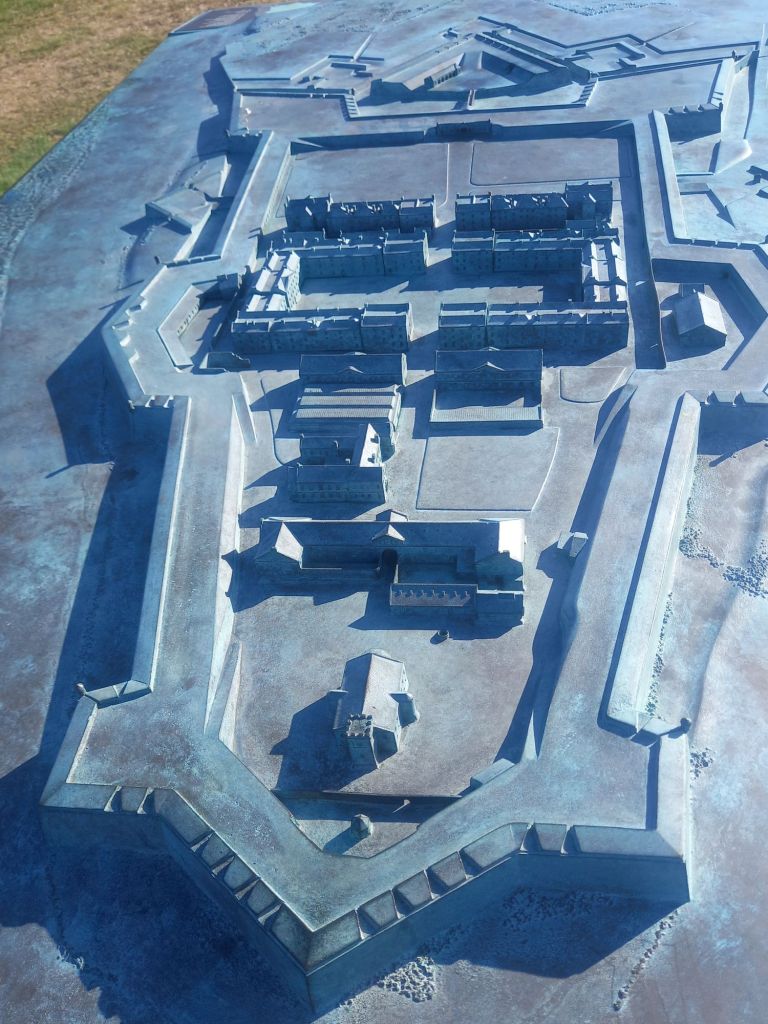
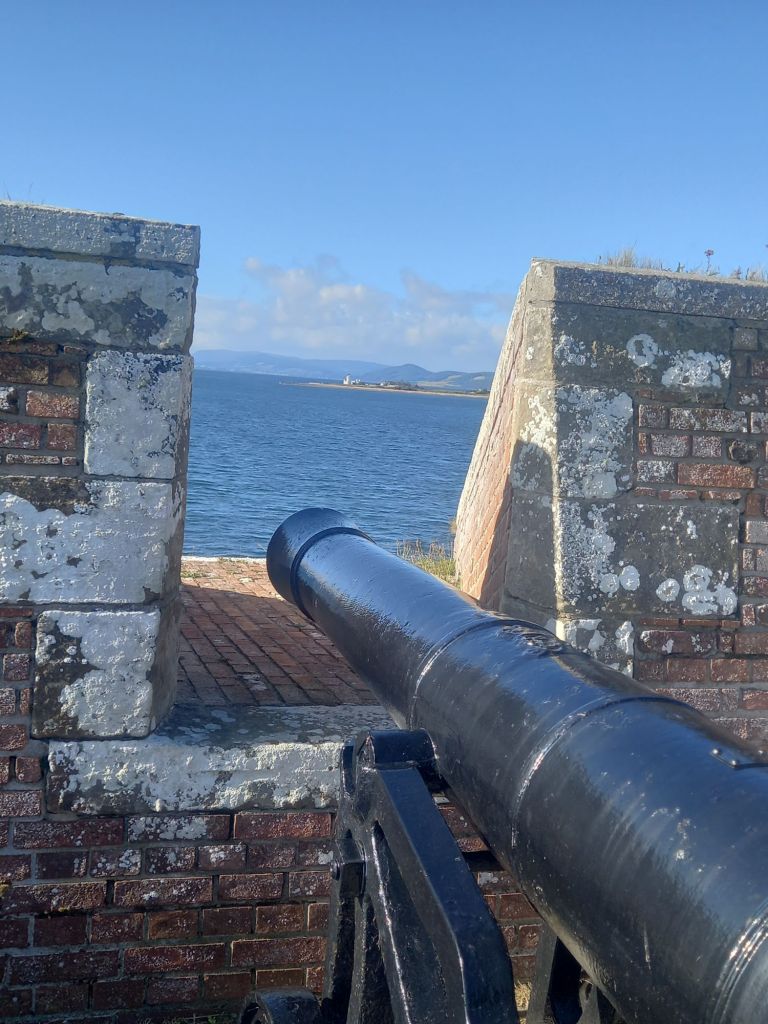
I have visited quite a few in Spain, and on the way back from Rosemarkie went to Fort George, on the Moray Firth not far from Inverness. This is more of an elongated star, but still has the distinctive pointed outer ramparts.
Although it was built in 1746, after the Battle of nearby Culloden, to house troops to suppress the Jacobite Rebellion, by the time it was finished it was no longer needed for that. It9 is still a working army base, as well as being a historic tourism attraction, and the site of the Highlanders Museum.
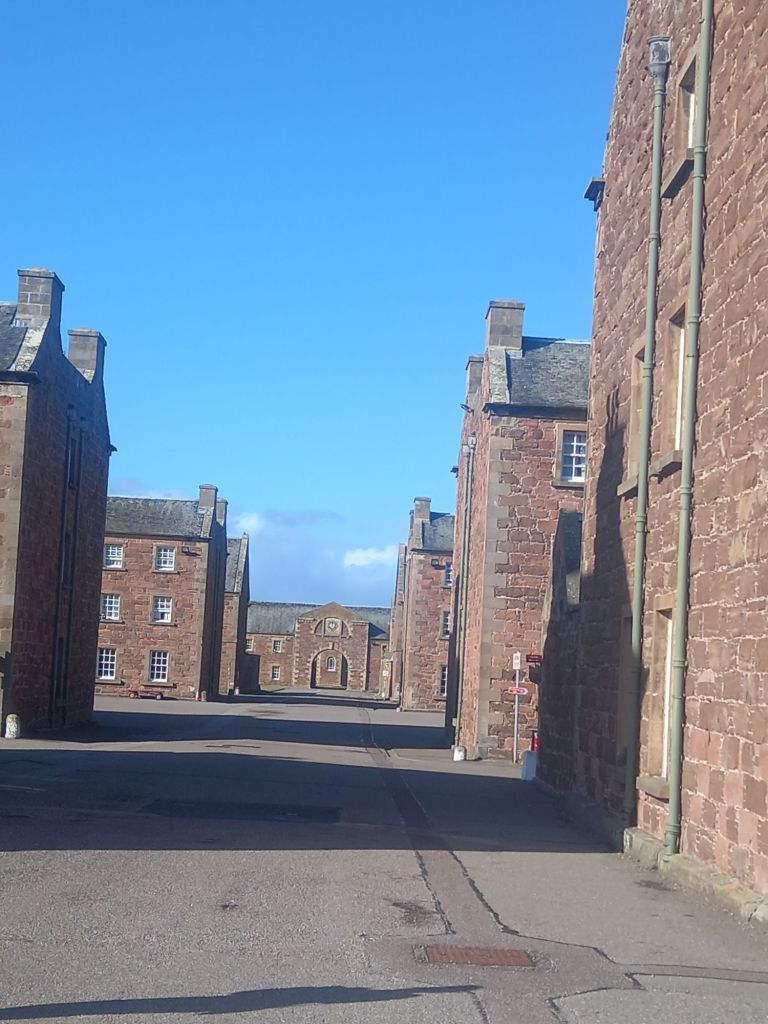
It was quite strange seeing the modern mess, cars parked outside the barrack blocks, and groups of young recruits doing their morning runs, with backpacks, around the ramparts, in and amongst all the visitors.
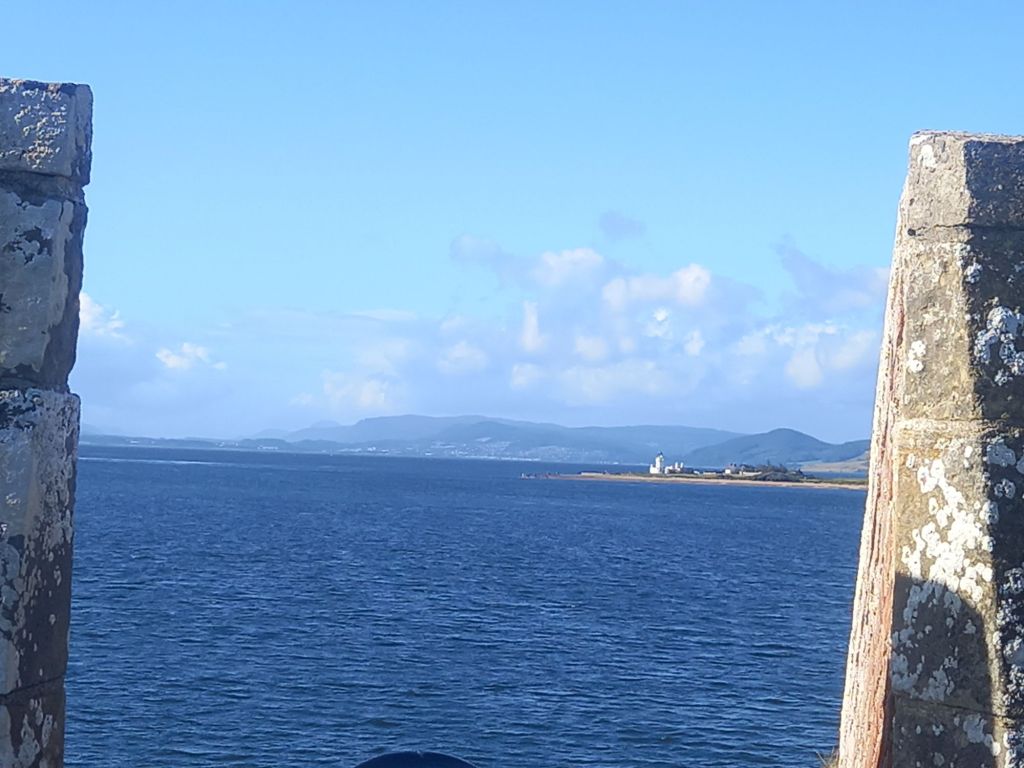
It has an amazing location on the coast, directly opposite the Rosemarkie campsite, in the photo below you can just see the lighthouse I walked to when I was there. It also famous for dolphin spotting.
It was a really interesting visit, there is some interpretation in one of the barrack blocks, showing aspects of soldiers’ lives throughout the different eras.
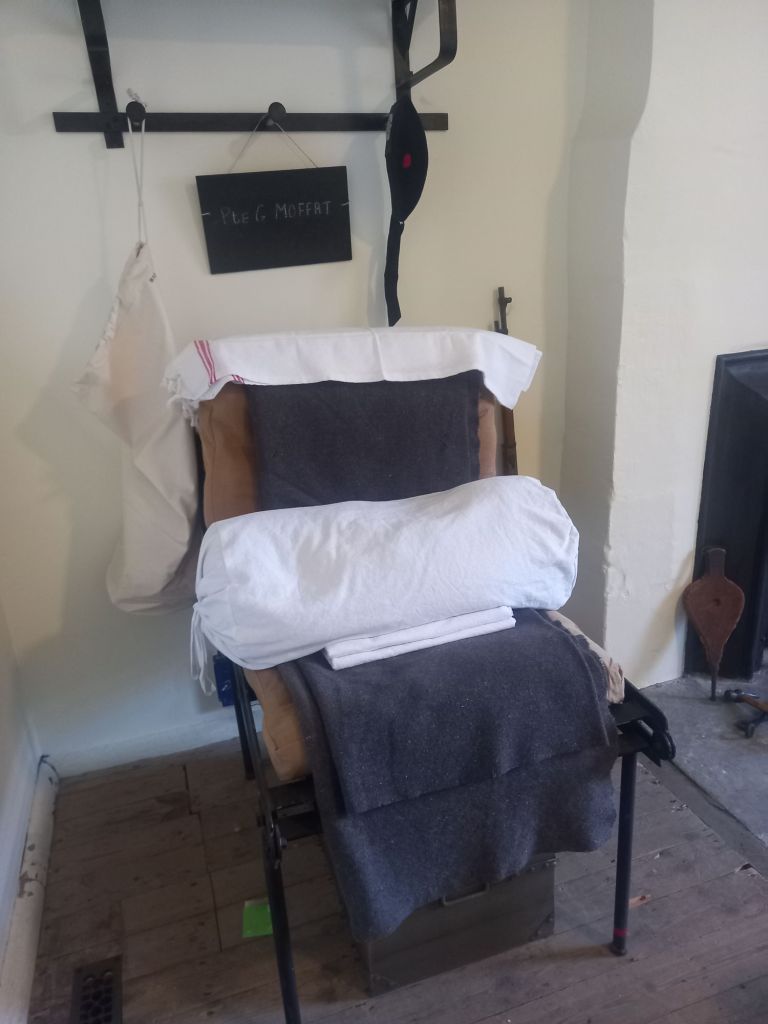
These folding beds were really interesting, this is from one of the rooms for single men in the early 1900s.
At one point in its early usage, wives and children used to live in the rooms with the men, four families to a room, which was also used for cooking.
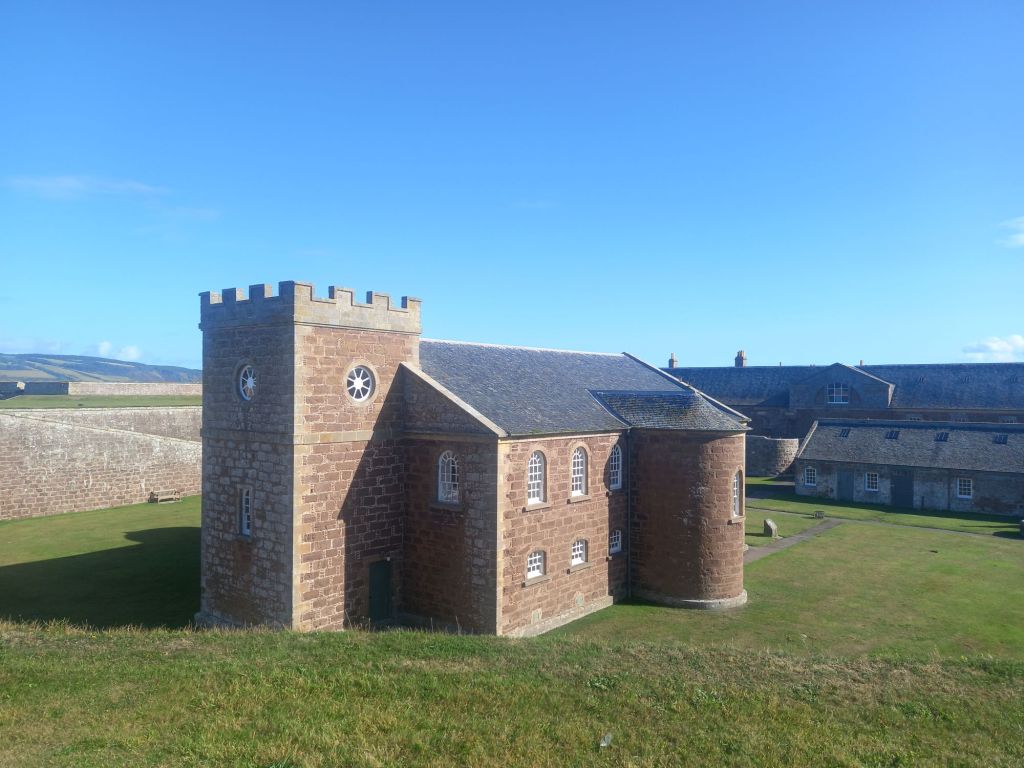
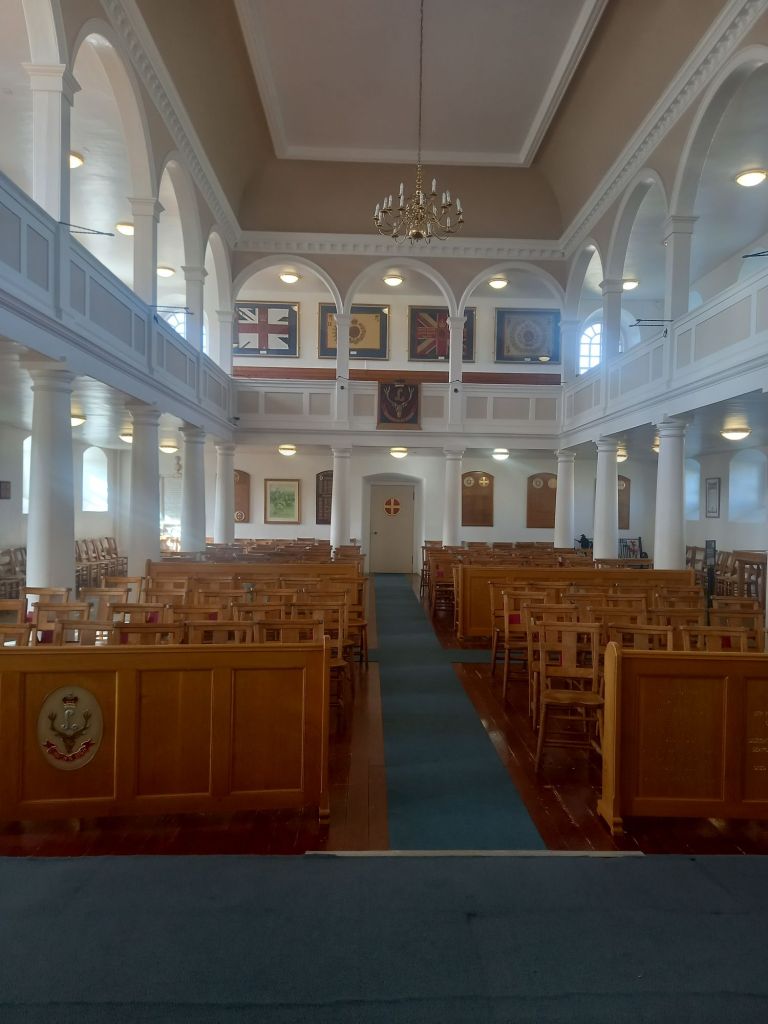
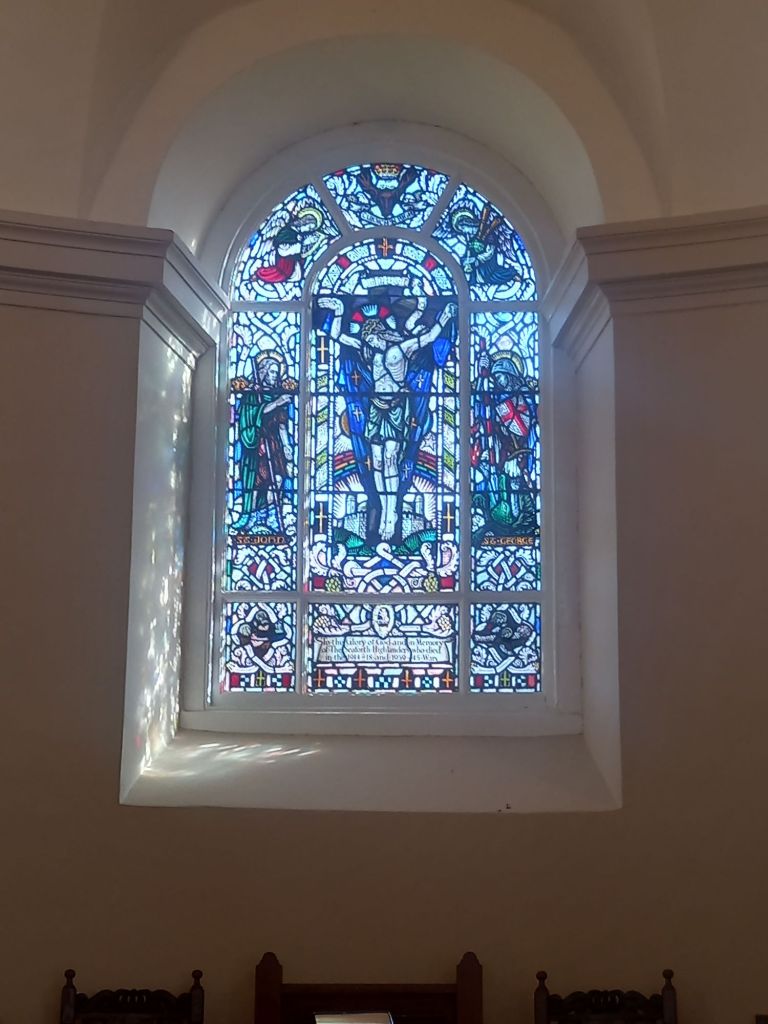
There is also a beautiful Chapel, the last building to be completed, and a nearby exhibition about Scottish gardens.
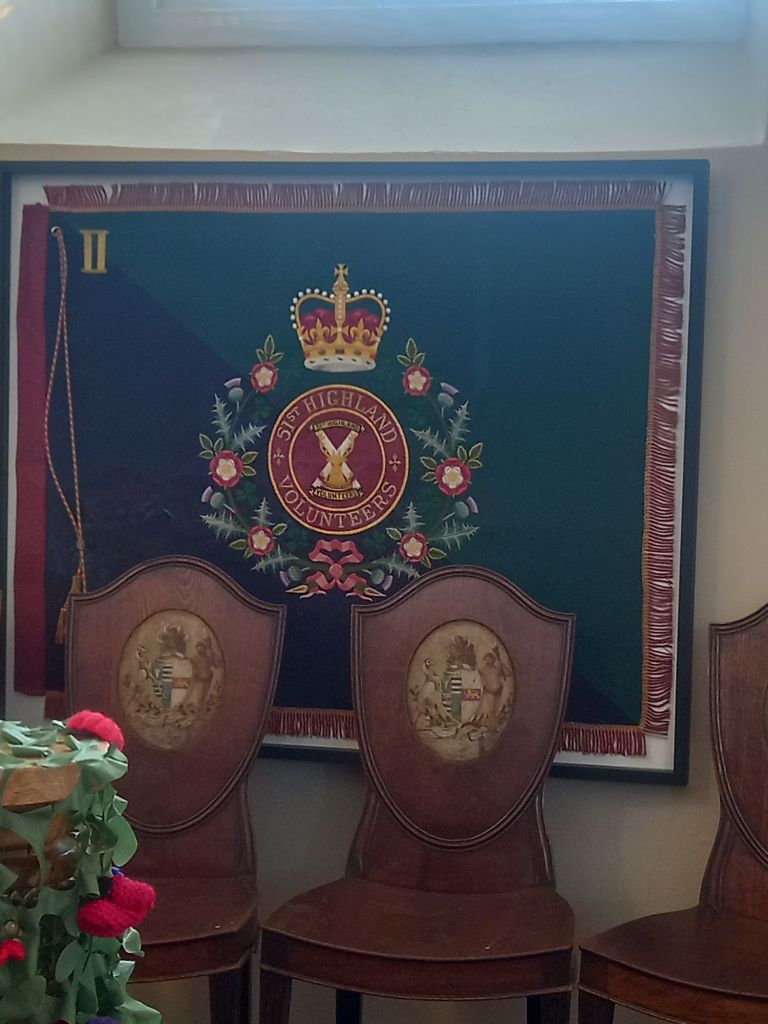
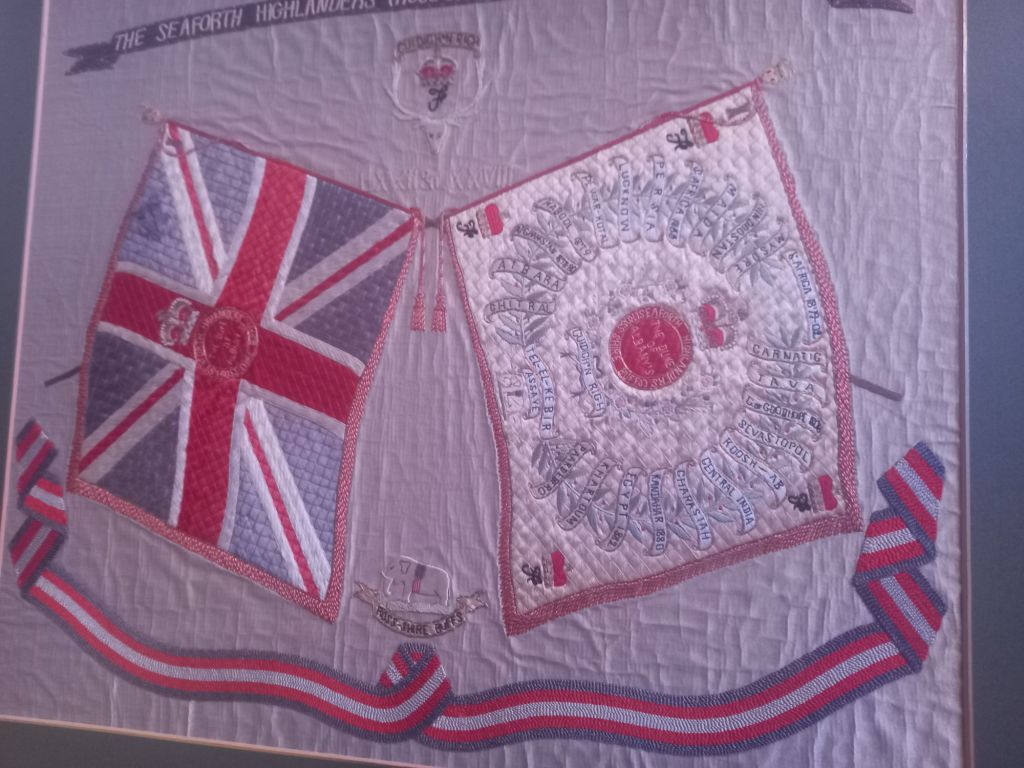
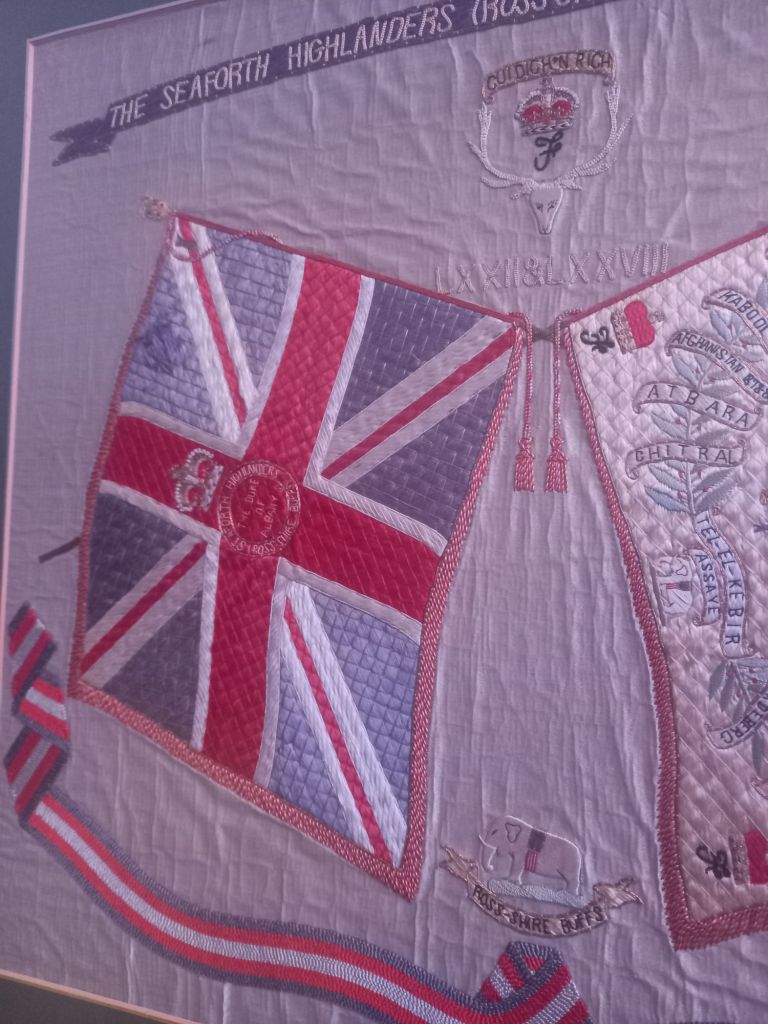
Of course there were textiles as well, the modern poppy tributes in the Chapel, as well as beautiful flags and banners there and in the museum.
A really excellent place to visit, for its location, and the sheer scale of the construction, especially when you consider when it was built. It took 22 years to complete and I can only imagine how that was done in the 1700s without the mechanisation we have now.
The exterior walls and ramparts are so impressive, and it was fantastic to see a fort in almost the same condition as when it was first built, as the restoration really helps you visualise what it was like for those early soldiers.
Well worth a visit, if you are ever in the area, sadly no dolphins when I went, but amazing views.
I have been on the Yorkshire coast again, just a little further south than the previous site, and still enjoying the fabulous walks in the area. Such an incredible environment, which I will share in a future post.
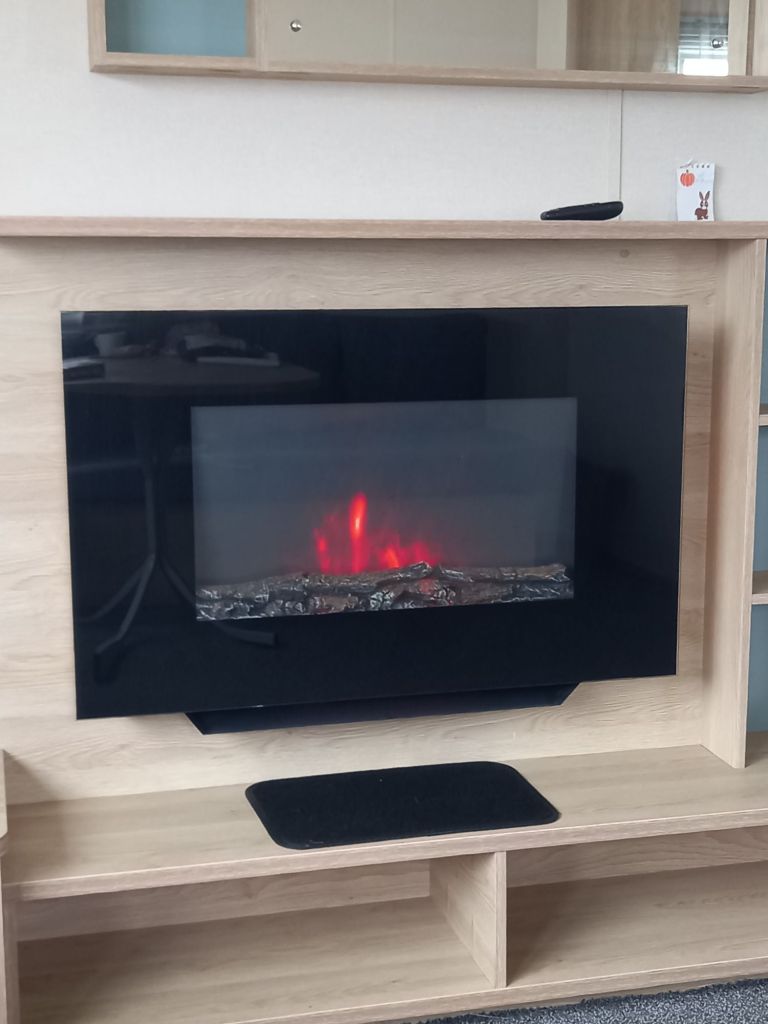
I have also enjoyed being back in the luxury of a static caravan, which is very nice after a few nights in the tent. I have a very lovely fake fire keeping me warm! However I am now in Wales on my final camping trip of the year, with my sister.
Until next time, have fun and thanks for visiting.
After I left Speyside I went to the coast. There were so many beautiful places that I wanted to visit, and some park ups that I had on my list for my coastal tour. I will talk about the park ups in a later post, this one is all about the power of nature, and the importance of the wind and the waves.
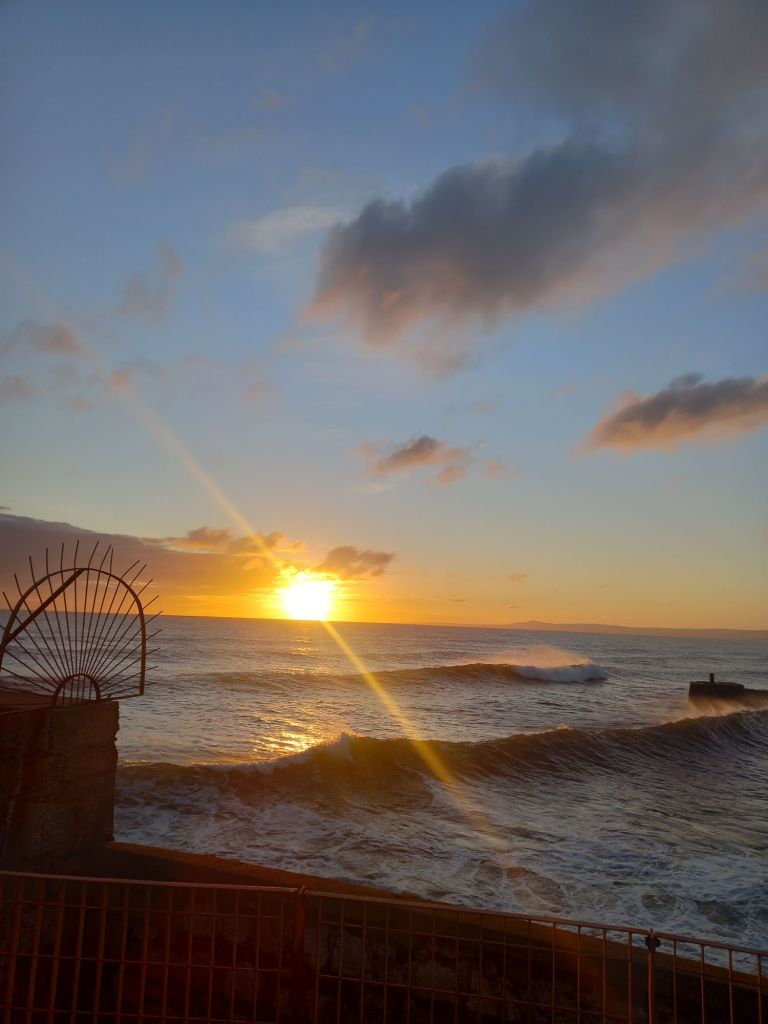
I started my day with the most amazing sunset, and stood and watched as the early morning surfers took their boards out at Lossiemouth. The power of the waves was just incredible, after the stormy conditions of the previous day, but these confident surfers were out there loving it.
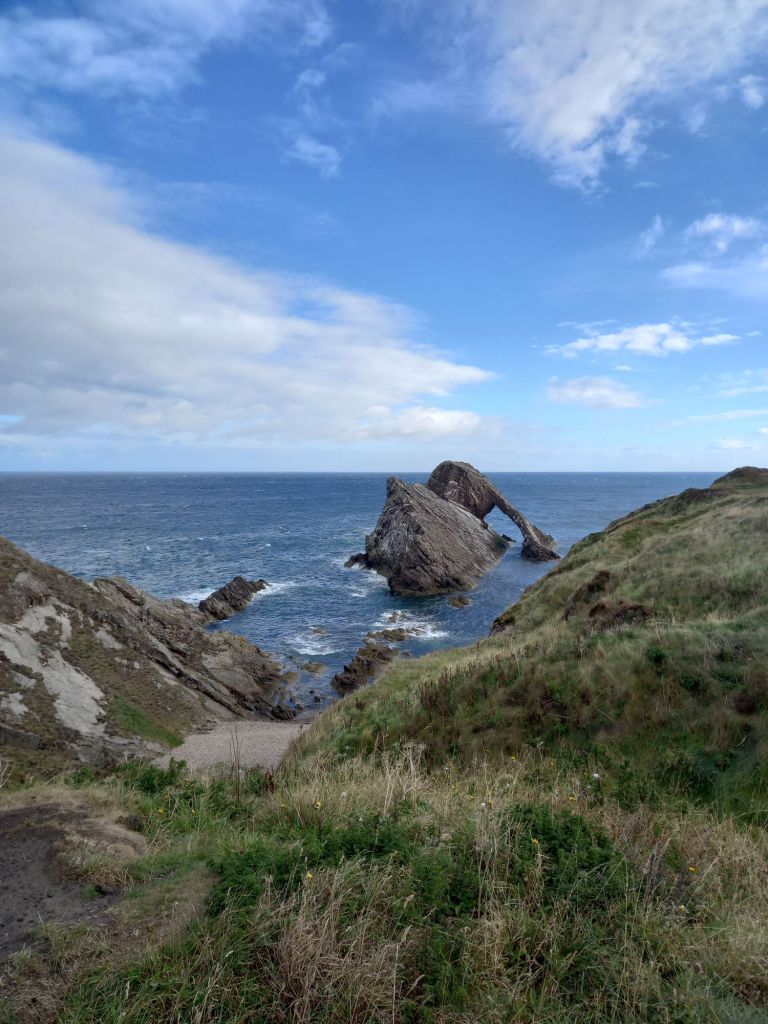
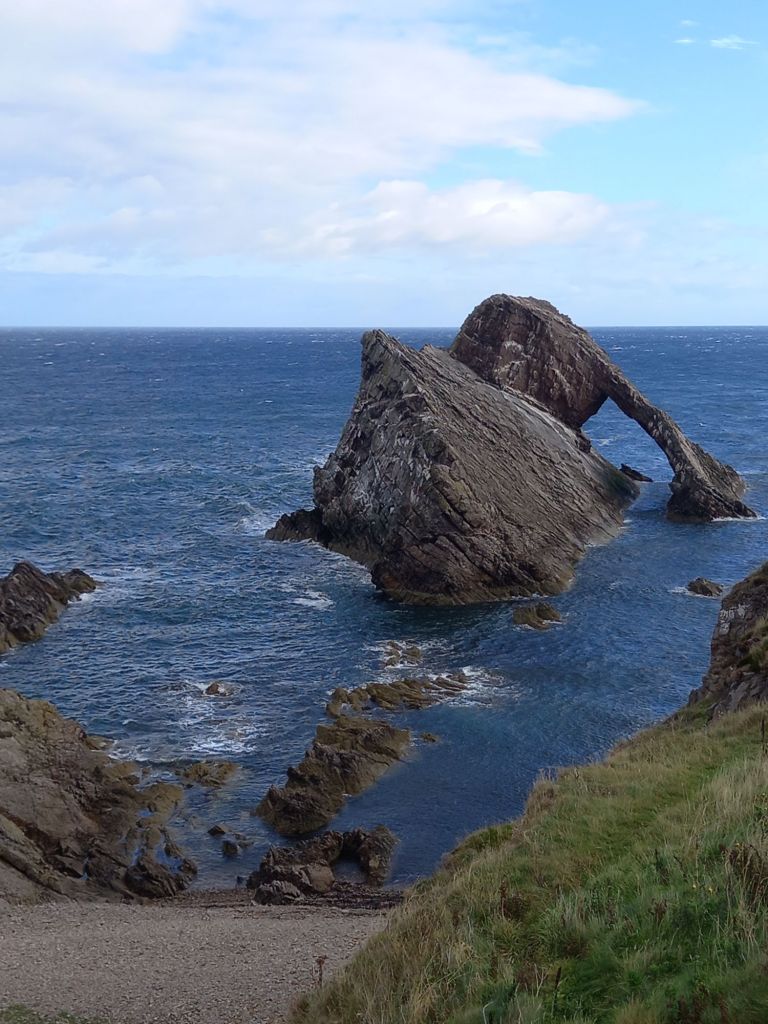
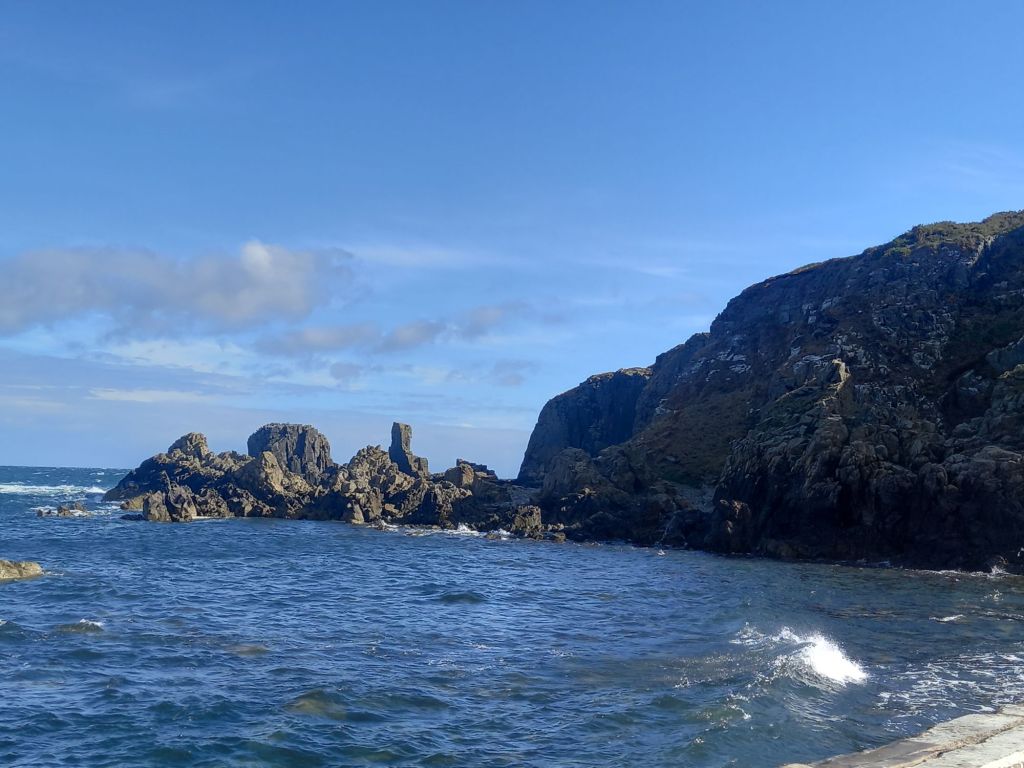
This part of the Scottish coast has some unique rock features, developed over time by the power of water against stone, wearing away in such minute steps, over millennia. Bow Fiddle Rick, just outside Portknockie, was my first stop on this journey.
The day I visited was very windy, but beautifully sunny, perfect for watching the waves crashing against the rocks here. Most of these small towns are also fishing ports, most now only used for leisure, rather than commercial fishing, superseded by the large Atlantic trawlers.
However the wind, and the waves, are still important here, it may not affect livelihood in the same way as when hundreds of fishermen lived here, but this area has a number of offshore wind farms, and the coastal town of Buckie is a centre for the offshore support.
The towns of Banff and Macduff, separated by the River Deveron, are still important ports, but I had come to see a lesser known area, just a bit further along from the port of Macduff.
The Needle’s Eye rock formation is another magical creation of the sea, and a little further on is somewhere I had been alerted to by one of the many van lifers I follow on Instagram.
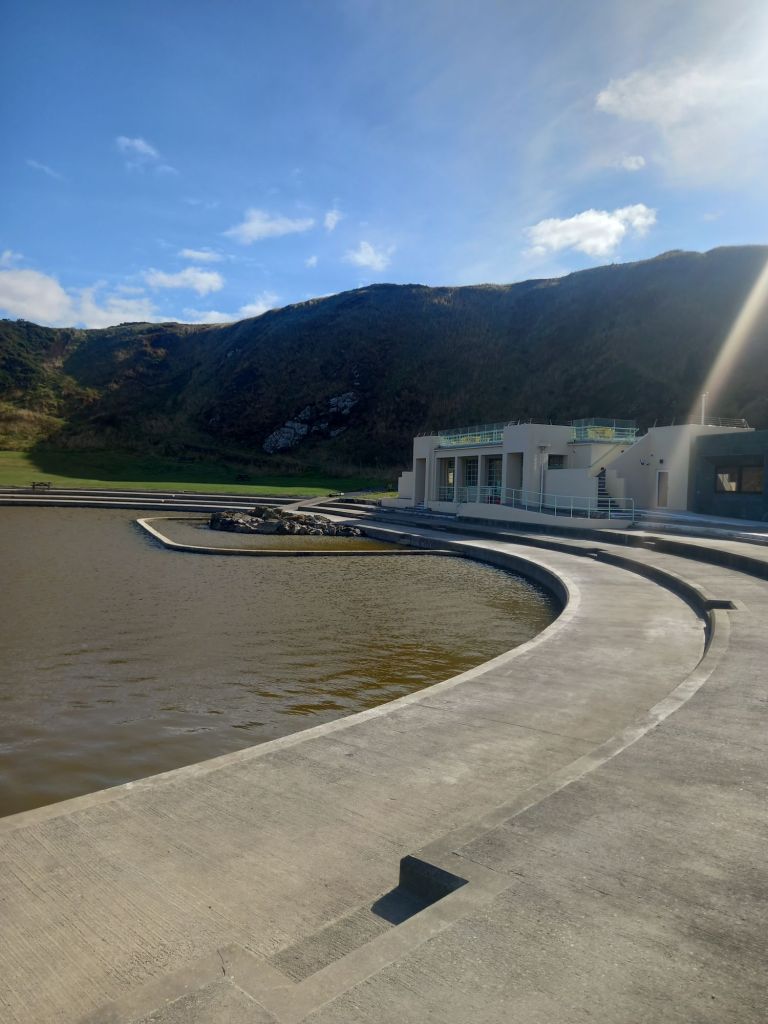
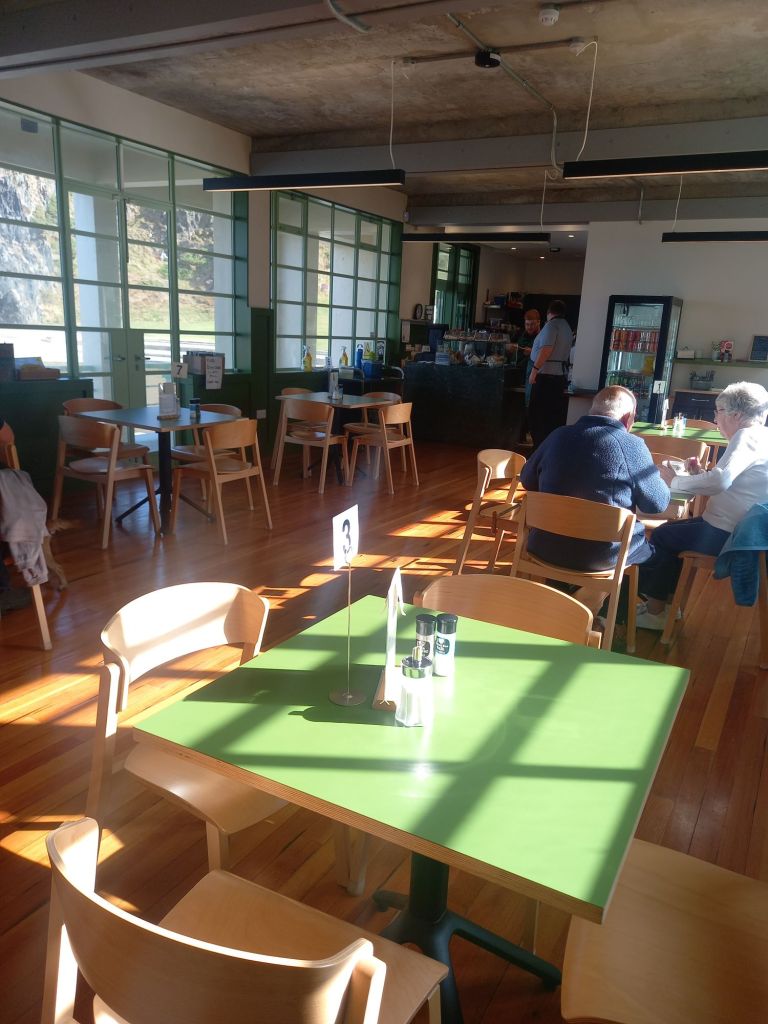
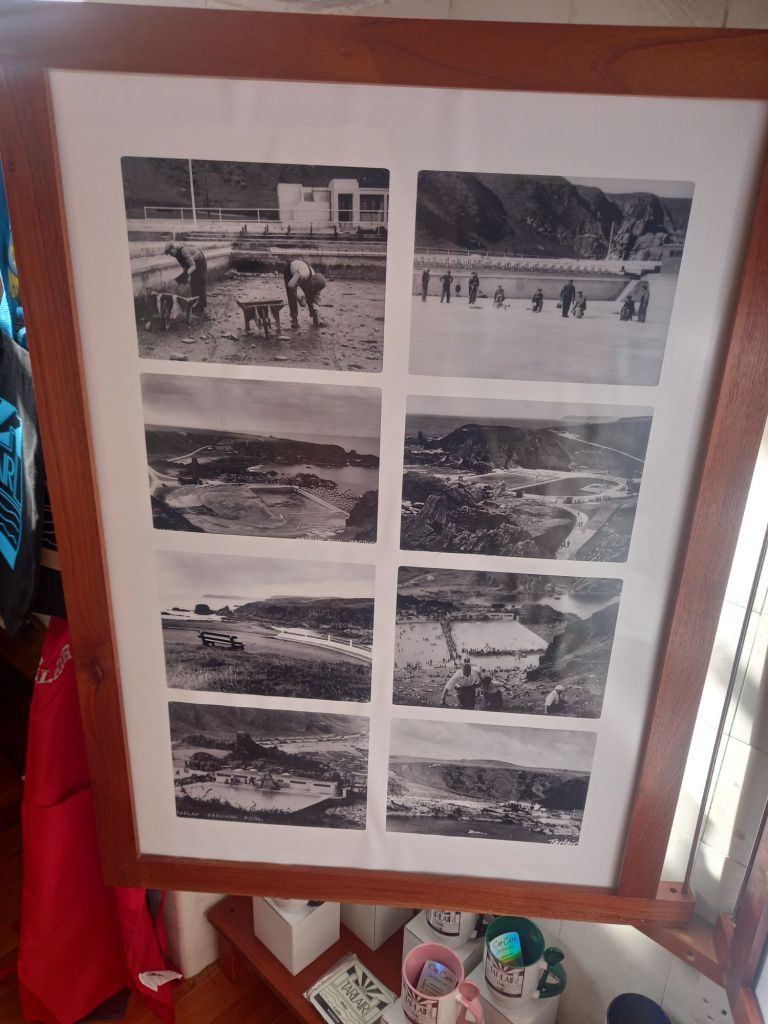
The Tarlair Open Air Swimming Pools were built in the 1930s, and was open until the 1990s. The gorgeous Art Deco cafe has been restored and I had a very nice lunch there. The cafe is run by volunteers, has a great photo display of the pool’s history, and it is hoped that the pools will be open again at some point soon.
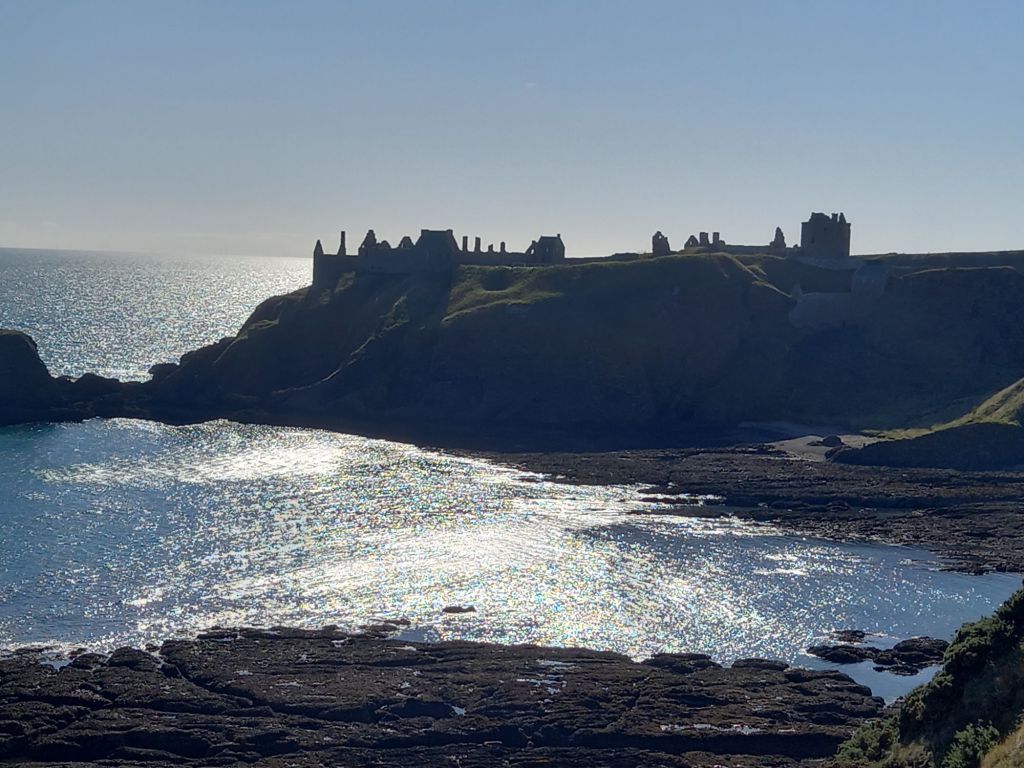
There are also open air pools at Gourock, a place I briefly visited last summer, and at Stonehaven, my destination a few days later when I went back to the coast. It was another gorgeous sunny day, for my cliff top walk along to Dunnottar Castle.
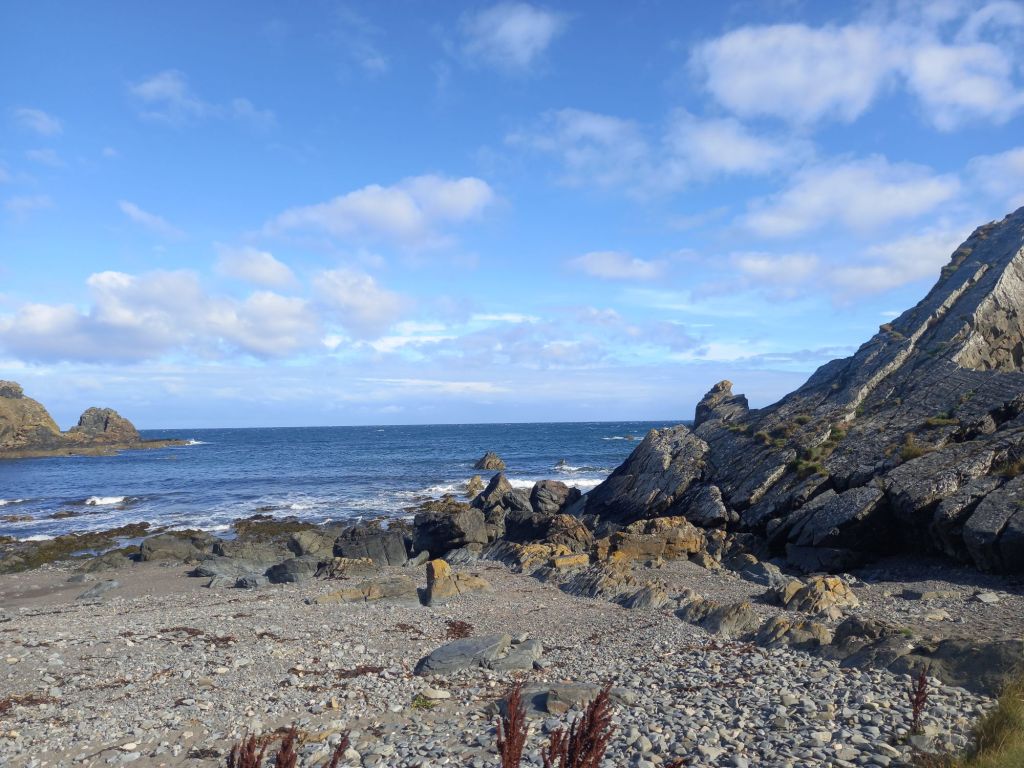
There is something so magical about watching the waves against the cliffs, knowing that this landscape is not permanent, that over time it will change, and that we won’t be here to see much of that change.
There is such a thrill at being at the edge of the land, just staring out at the horizon. I can’t imagine what it must be like to have never seen the sea, to never feel this wind, or watch the waves. It is such an amazing and mesmerising thing to do.
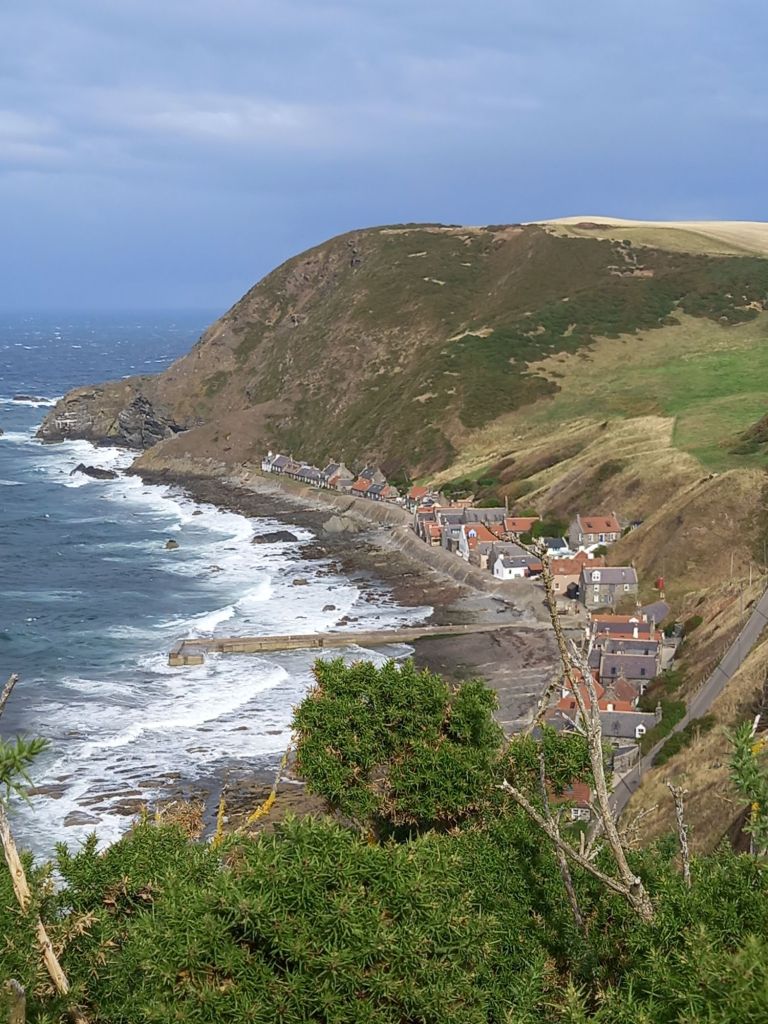
However, wind and waves can also destroy. I had a brief visit to Crovie, or to the cliffs above the village. It was too windy to walk down to the village, which was badly flooded in the 1950s, leaving it devastated as a fishing village.
It is a reminder, as we see almost daily on the news with severe storms and flooding, of the power of nature to obliterate.
I am currently at another incredible coastline, in North Yorkshire, enjoying more cliff top walks, which I will tell you about in a future post. Meanwhile enjoy life and thanks for visiting.
For those of you who watched British TV in the UK in the 1980s, you may remember a series called Hi De Hi, set in a holiday camp.
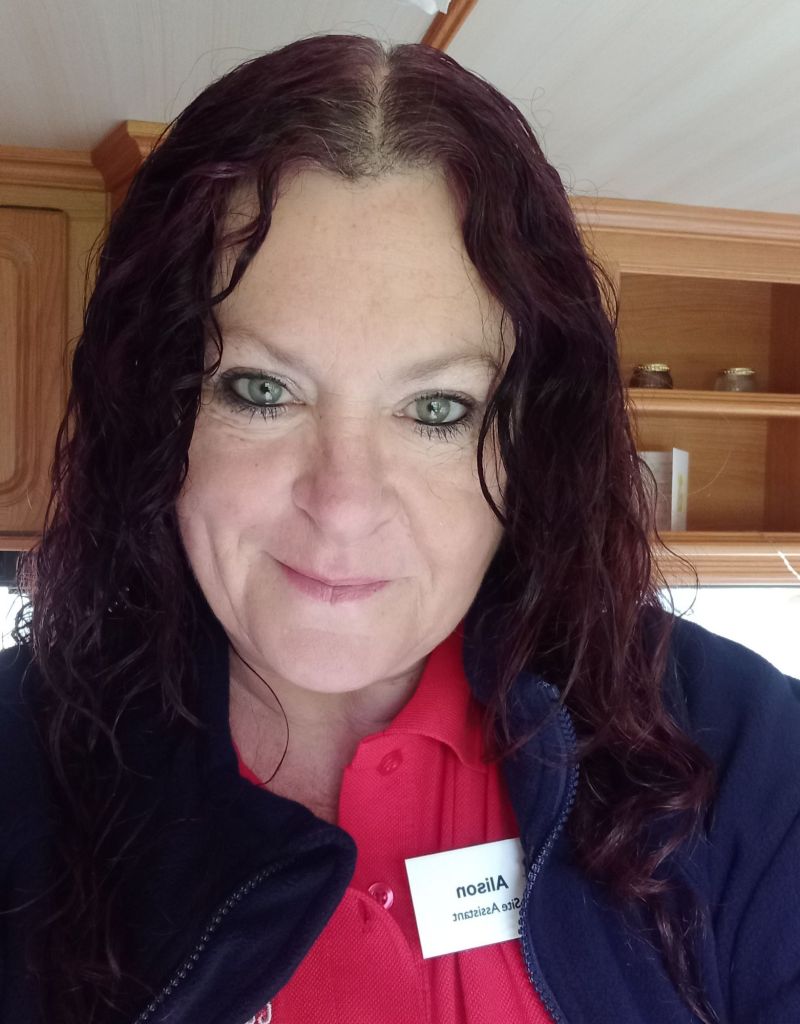
Friends joked when I started my new job as a Site Assistant that maybe I would need a xylophone to make my announcements, reminiscent of the lovely Gladys, played by Ruth Madoc. You can actually still watch the series on UK TV Gold, and I remember it with great affection.
Although there are a few similarities between my new role, and what the staff at Maplin’s Holiday Camps did, most of it was very different, so I thought I would share a little bit more about the role. I know a few people who follow my blog also travel, and it’s a popular second career choice for nomads.
I have already told you a bit about the site in a previous post, so this one will focus more on the actual job.
After my recruitment day in early December I found out at the end of that week that I had been successful, and had got through to the recruitment pool. I was lucky enough to find out just before Christmas that I had got a contract, but that can vary, as the club have a large amount of work to do sorting out staffing.
There are currently 85 UK sites, and over 400 staff, and as staff move sites at least every 3 years, that is a lot of organisation. Once I was sorted then there is a process of liaising with HR, ordering uniform, and getting contacted by your area manager and site manager.
Top tip, don’t do what I did and order large sizes for your uniform. They are very generous and I looked like a kid whose Mum had bought it to last the whole 5 years of secondary school!
The support from company is excellent, from the initial recruitment day, to the end of this year’s contract I felt really happy, knowing what was happening and what I had to do. I have mentioned the training before, there are a few online modules that you do in the first couple of weeks, things like Health and Safety, Equality and Diversity, and retail training.
The rest is hands on, and covers things like the cleaning procedures, how to use all the equipment, and how to greet and pitch campers. This is specific to each site and camper of course, but there are some basic things that are common to all sites, such as the gap that needs to be left between tents, and caravans, for fire safety.
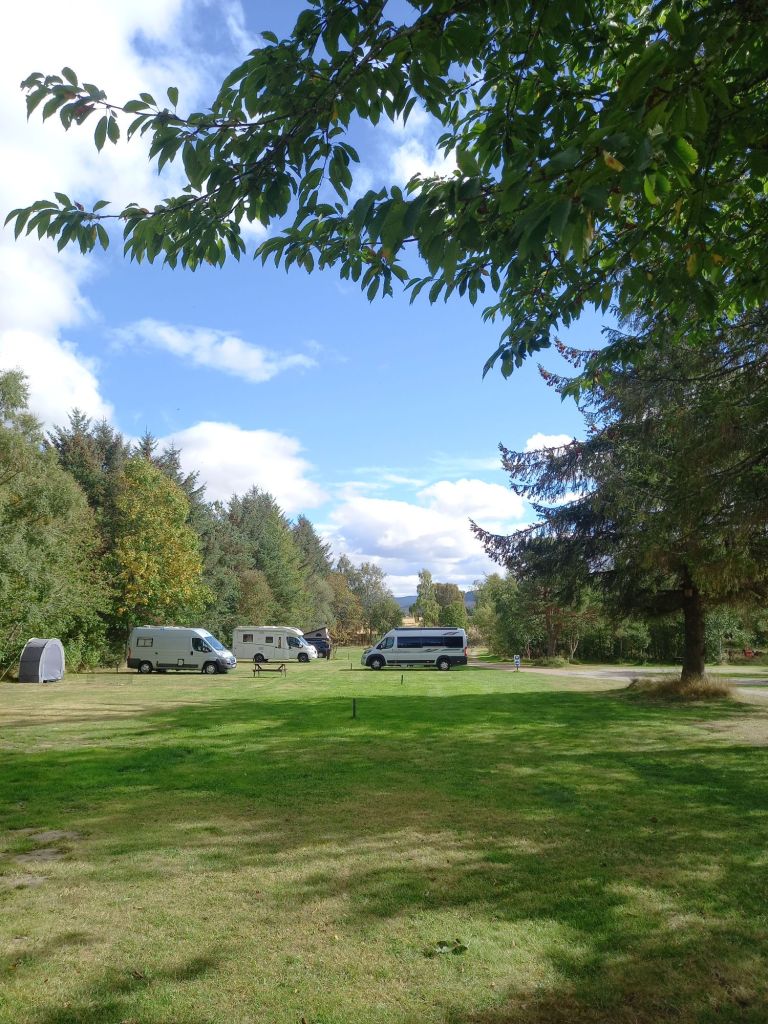
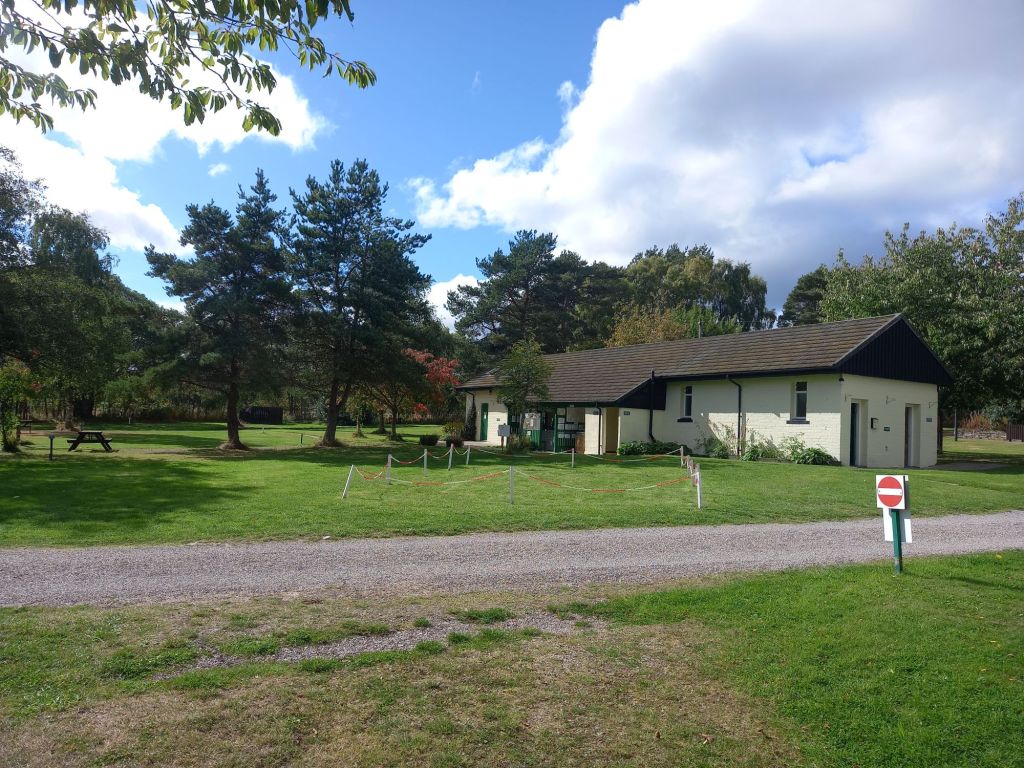
On our site, in common with many others, we had gravel pitches, which were clearly marked, as well as grass ones as in the photo below. It was important that you were clear with people where to pitch, so you didn’t end up having to tell them to move later, especially once they’d pegged their awnings in!
You have a 12 week probation period, with reviews at 4, 8 and the end of the probation. They gave me a chance to get some feedback, set targets and give you a really clear idea of how you are doing. With only three of us on site, and due to days off, usually only two on duty any day, you get involved in everything really quickly.
The working day depended on what shift I was on, I had the same ones each week, which did surprise me, as I thought they might vary. I worked 10 until 7, Mon, Tues and Thurs, and 8 until 5, Weds and Friday, with Sat and Sun off. There is also an hour break for lunch halfway through the shift.
Mornings on late shifts always started with a quick catch up with my colleagues, usually sorting out what we would be doing, depending on the weather, and how many campers were expected that afternoon.
Campers leave by 12, and start to arrive from 1pm, so we could schedule grounds tasks for late morning, and the afternoon, in-between arrivals.
My first task on lates would be to do the cleaning, which was my choice. I really enjoy cleaning, so volunteered to do it Mon to Fri. Cleaning is always done between 10.30 and 12, so I would start at 10.15 with brushing up around the shower and toilet block, and sorting my equipment.
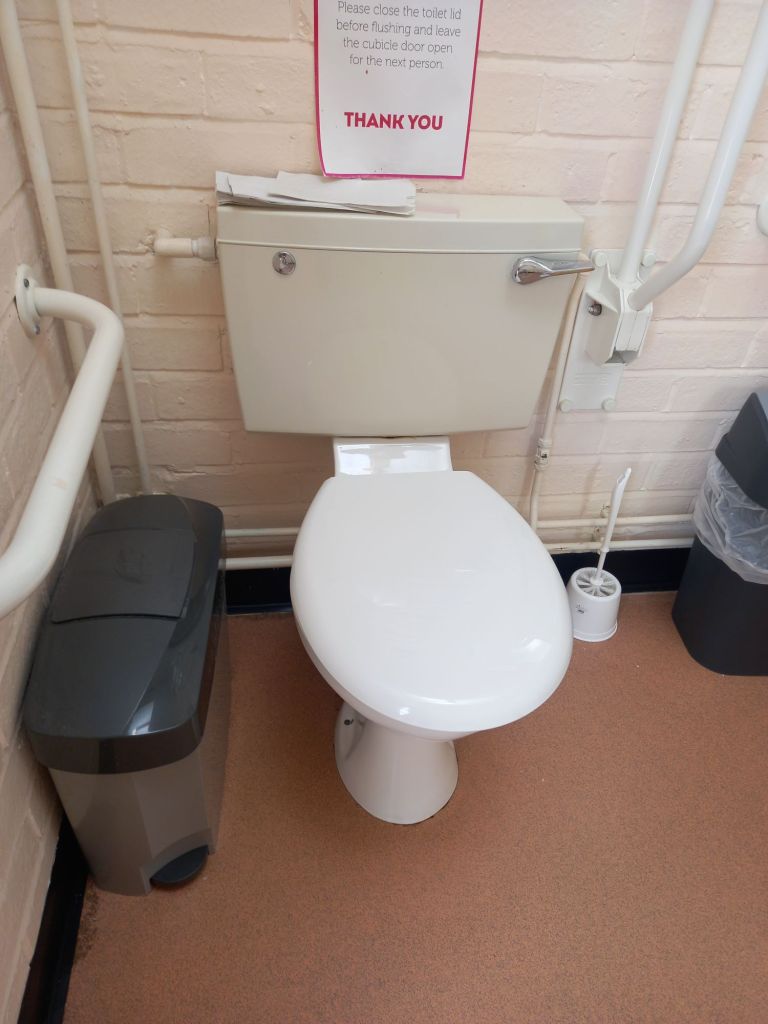
At my site I had 5 showers, 8 toilets, a urinal and 9 sinks to clean across the male, female and accessible facilities. I estimated that by the end of the 4 month contract I had cleaned the toilets about 750 times! This was the very last one of all of those.
After cleaning there would be check out admin, checking the pitches, then on to afternoon tasks. Mostly this was grounds work, mowing, weeding, and lots of general tidying up. What was particularly nice was seeing the later blooms, such as these daisies and Jerusalem Artichokes that we had decided not to get rid of the earlier weeding.
The first task on early shift would be an 8.30 check on the facilities block, as well as a walk around the site. This gives you a chance to check on any grounds work tasks. Luckily we had great weather, apart from one big storm, but we would check for fallen branches, soggy ground etc.
Facilities were also checked at 4pm and 7.30, which also gives you a chance to wander round and chat to the campers about their day.
As well as the outdoor work I was also on Reception duty some of the time. The office and shop was open 9 till 10.30 and 4.30 till 6, so one of us would be there then. Some of this time was for general admin, like daily check ins, giving advice, extending stays, checking up coming bookings.
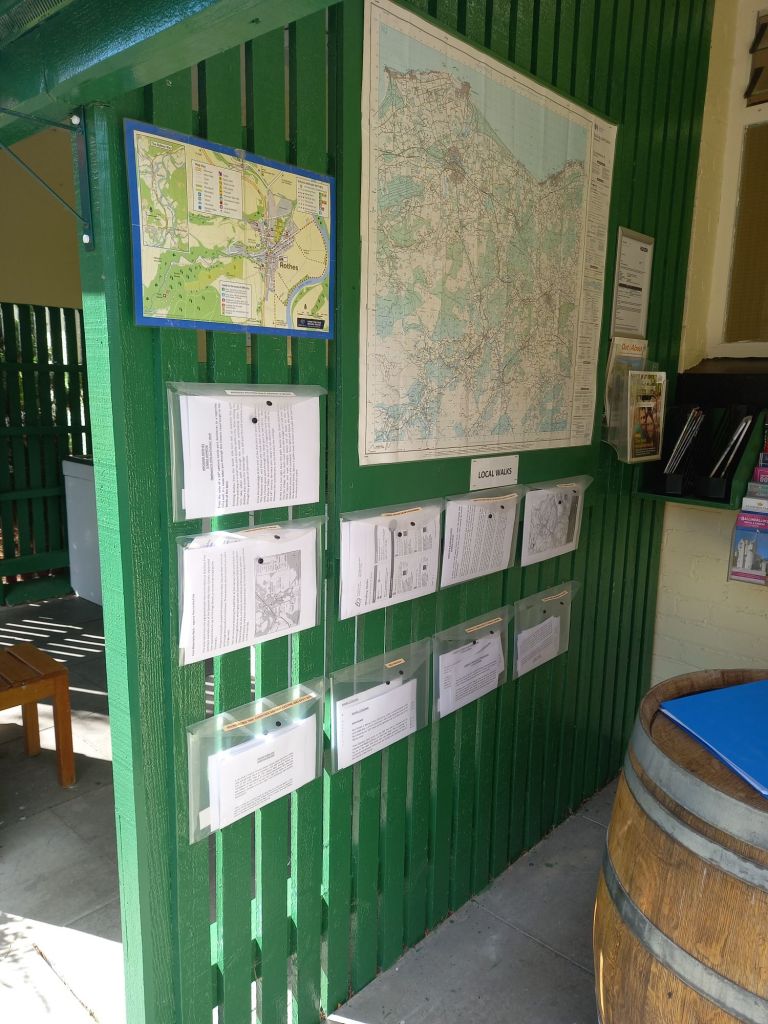
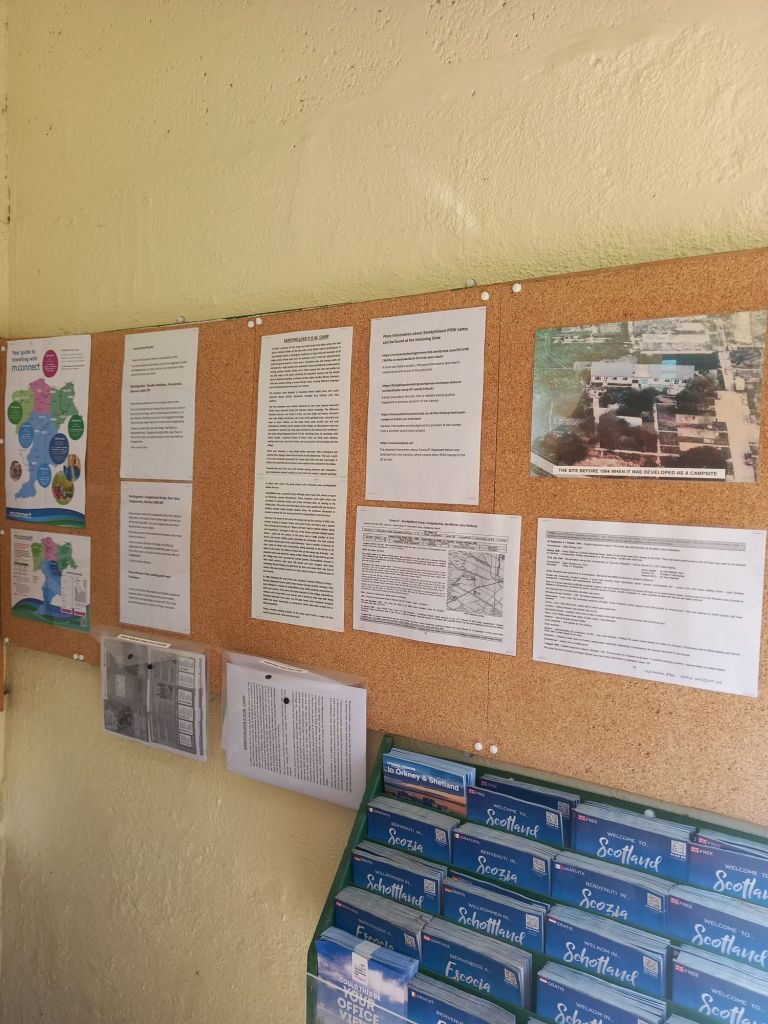
I also did some specific things during my time there, such as reorganise and update our walks section, and add areas to our information boards about local facilities, local events, and more about the prisoner of war camp.
We always had lots of interesting people staying on site, and it was a great privilege to be able to help people with advice about where to walk or cycle, or how to organise a distillery visit. Many of our European visitors were particularly keen to do that as the region has over 30 whisky distilleries.
Meeting and talking to the campers was definitely the highlight of the job, especially as they were all so kind about the site and complimentary about our hard work to keep it looking good. I was always especially happy when they told me how clean the showers and toilets were!
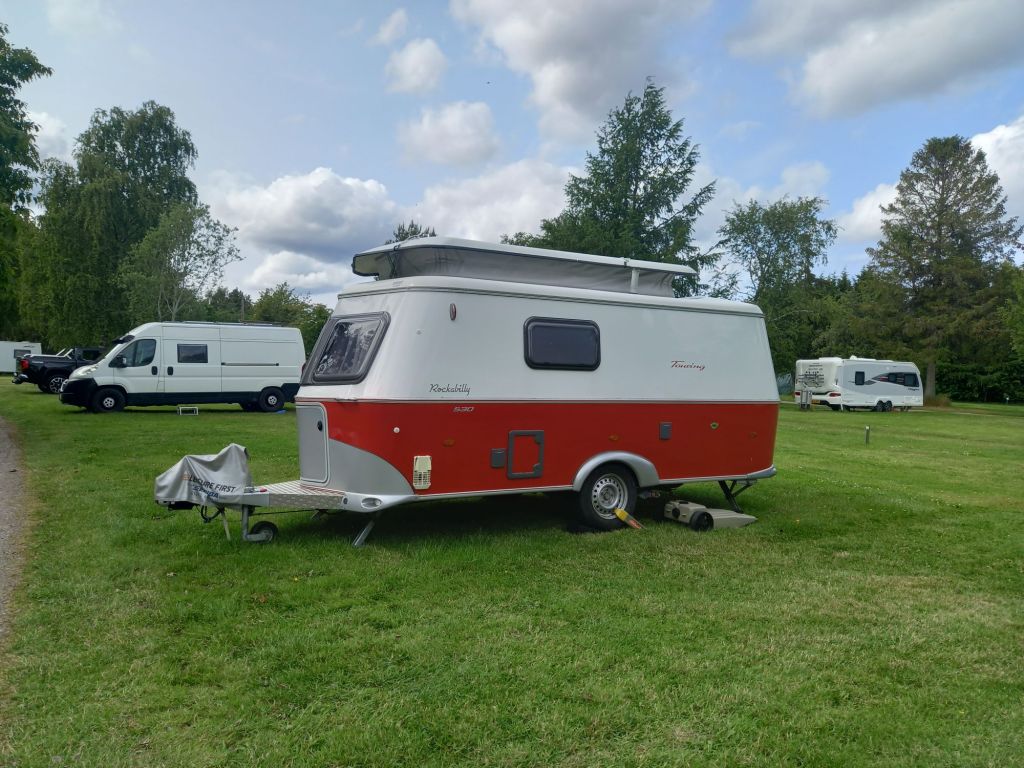
We had visitors from so many different places, lots of Dutch and German, but also Swiss, South African, American and Australian. It was brilliant seeing all the different vehicles that they arrived in, these are just a few that really stood out.
I loved the Overland truck, but think the little micro caravan, or red and white Eriba are more me!
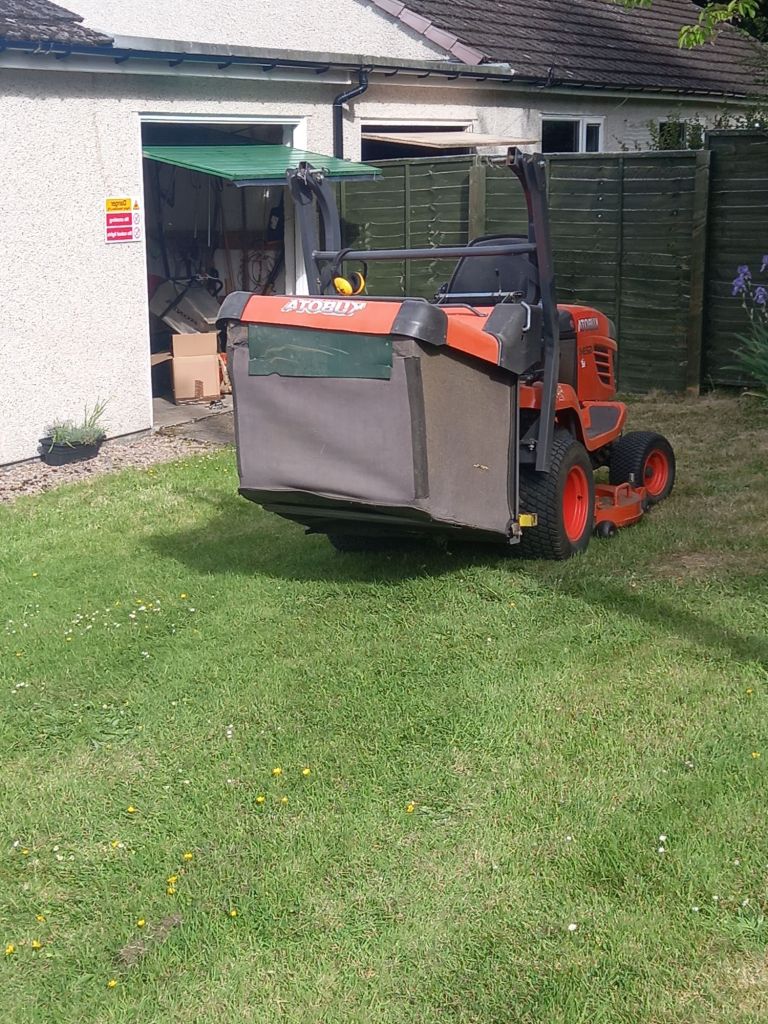
My colleagues, Steve the manager, and Tony who was a new starter like me, were absolutely wonderful. They were so helpful, not only with work related things like when I couldn’t start the tractor, but also helping me sort things out with the caravan.
I honestly didn’t have any issues with living and working on site, one of the things that was mentioned a lot at the recruitment day. I think it helps that I have spent the last three summers living on sites, and that my colleagues are both nomads, as many of the staff are. They live in their motor homes, and love travel, so we already had lots in common.
So to conclude this very long post, loved the job, the people, the area. Never had a day when I wasn’t really excited to go to work. To be honest it didn’t really feel like work, just an excellent way to spend the summer in the company of like minded people. So, very much looking forward to starting again next year and for the new adventures I will have.
I am really pleased I took that step, and went for it, it has been amazing, and I am proud of myself for all my new skills, especially driving the tractor!
Until next time, hope you are enjoying life, see you soon and thanks for visiting.
Maybe it’s because I am a water sign, or maybe it’s something else but I just love being beside the sea. Even if it’s just having a glimpse of it as I travel, or the little view from my house in Spain. It just instantly makes me feel calm and happy.
I was lucky enough to have four sets of visitors this summer, and so spent more time at the coast again with them, revisiting some of the coastal beauties of this part of the UK.
I did have sometime off for some of these visits, though not when Dave and Louise came from Somerset. We did have the evenings together, and my first bbq of the season.
This really is an undiscovered area for me, I had no idea how stunning these places were, and will always feel blessed that my first job with the club was in such an amazing area.
I now know where I am.going to be next year, it was a surprise to me, and everyone else, and I shall reveal all in a bit.
Most of my coastal trips were beautiful weather, however the only inclement one was when my sister, Jacky, and her dog Ryan arrived at the end of July. This was the week before that very big storm that hit Scotland, and poor Jacky was in Orkney by then!
We had a visit to Spey Bay, to the dolphin centre there, and although it was grey and damp, and there were no dolphins, it was still a lovely place for a walk, at the mouth of the Spey River and the start of the Speyside Way.
When my friend Sharon arrived from Yorkshire we were a lot luckier, and visited the fishing village of Buckie, and then on to Findhorn again, for glorious views. I think Findhorn may be one of my favourite places on this coast, but there are other strong contenders.
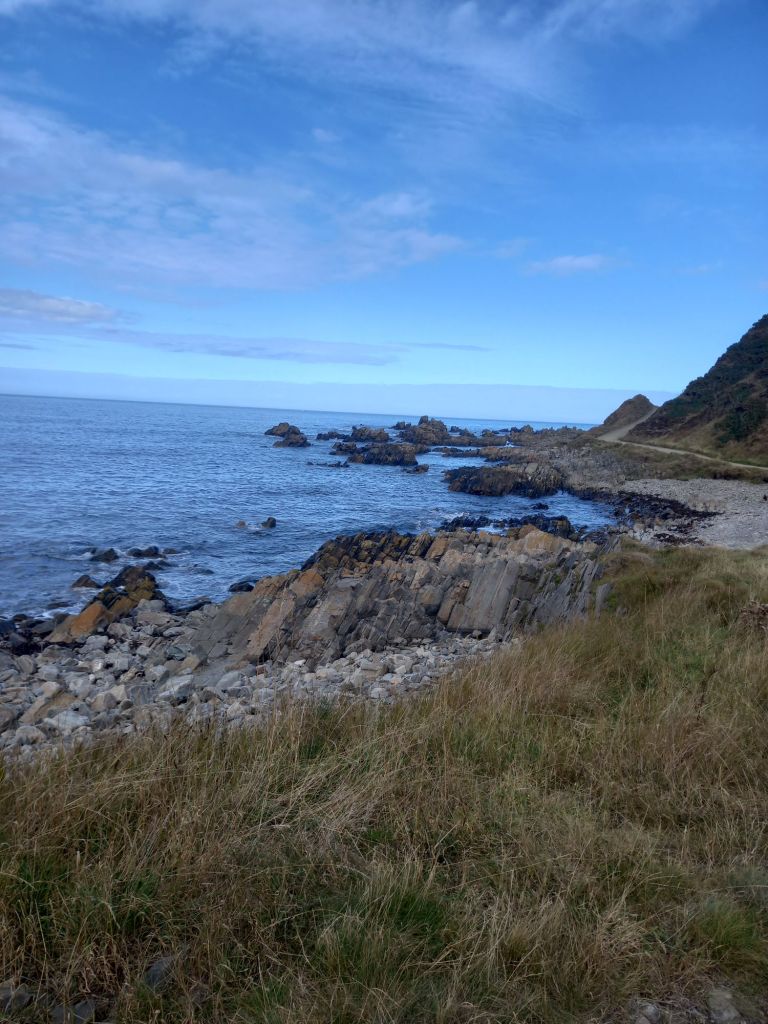
Maggie and Peter, also from Yorkshire, and the previous owners of Lotte my lovely caravan, also came that same weekend, and we went back to Cullen, to do the coastal walk, on a wonderful hot, sunny Sunday. My photos just don’t do justice to this amazing coastline.
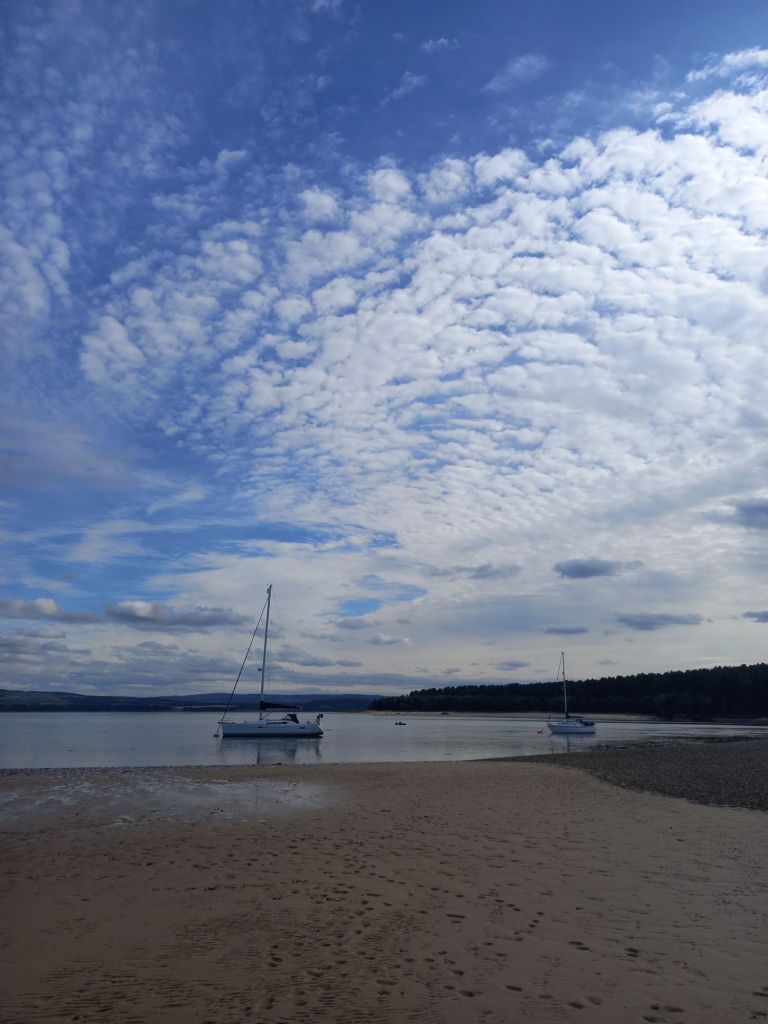
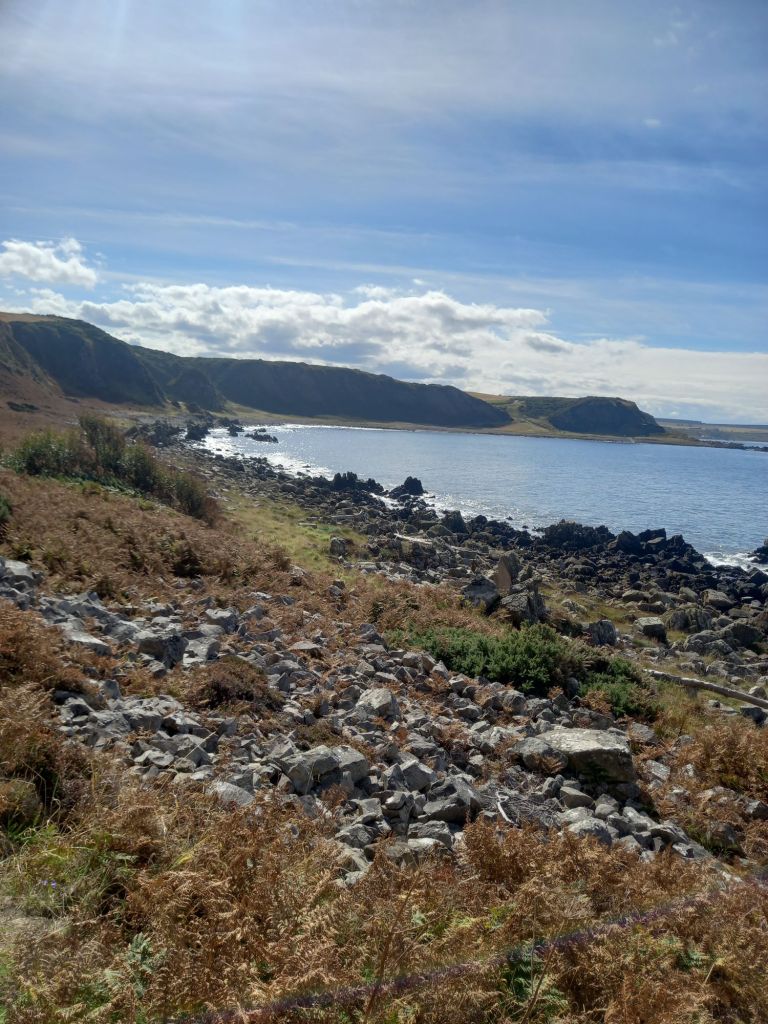
At the very end of my contract, on the last weekend, I used my welfare nights to go to Rosemarkie, one of our sites on the Black Isle above Inverness. Rosemarkie is famous for dolphin spotting, and I did see some, but the choppy waves made it difficult to photograph them.
It was a beautiful evening walk to the lighthouse though, and more chance to.practice arty photography.
I also took a trip to Cromarty, at the end of the Black Isle, one of the many historic fishing villages in this area, now home to oilfield pipe terminals, and a cruise ship port in the Firth.
There is still so much to see and do in this area, and I will come back at some point. I am now on my end of contract busman’s holiday, making my way down the coast, via Northumberland to Yorkshire for a catch up with friends, before I fly back to Spain at the end of October.
However I won’t be back next year, as my contract is going to be at Glencoe! I was really surprised, as thought I would be staying but am so excited to be given this site. I stayed there for a few nights last year so know a bit of what to expect. It is going to be a very busy site, and very different to Speyside. This will be my office view though, so I think I am going to have an amazing time there.
Lotte has been moved to winter storage, and I am going to be back to pick her up in early March. Meanwhile there are historic houses galore, and the excitement of getting back to Spain and planning more adventures.
So I hope that you are all still enjoying life as much as I am. I can’t tell you how brilliant this summer has been, and I am so looking forward to next year. See you soon and thanks for visiting.





























 Stitches of Time