
One of the very interesting things for me about travelling around the UK is filling in the gaps in my knowledge of history, as well as geography. For me visiting Kent was realising how much of its history is composed of defence, being so close to Europe, and threats over the years from invading forces.
Spending much of my life in Yorkshire, the history has a very different focus, and so it was really interesting to see so many different types of castles, and to learn more about why they were built.
My first stop, after that trip via the M25 and Dartford Bridge, was to Upnor Castle, a Tudor artillery fort. I visited the nearby Rochester Castle many years ago, so I was interested to see this one. Its scale can only really be appreciated from the water, as it is right on the coast, opposite the docks, so this first picture is from Google.

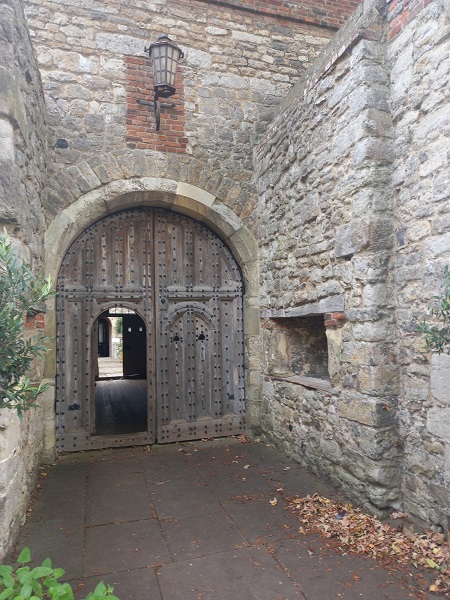

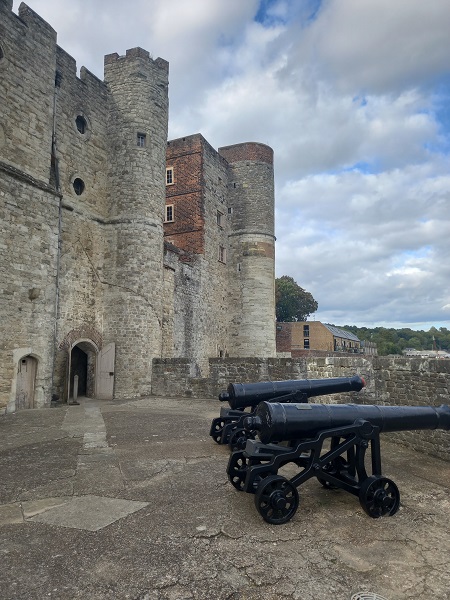
There was a lot of really interesting interpretation about the castle’s role in various battles against all our European neighbours, a vital point of defence when warfare was conducted at sea.
The castle was controlled by the Ordnance Board, who managed stocks of weapons, particularly for cannons. This sign reminded me that some years ago I read a fascinating book on the history of maps in the UK, which originated from this ordnance survey, and we still use the name today.


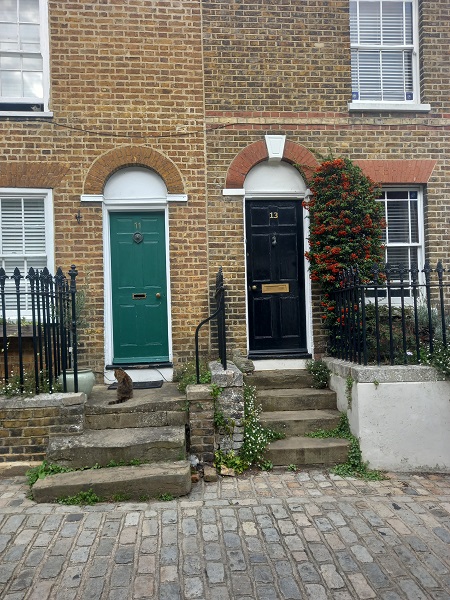
The streets leading to the castle were full of beautiful little houses, with clapboard siding and some seriously stunning windows. I loved the little lookout at the end of the street.
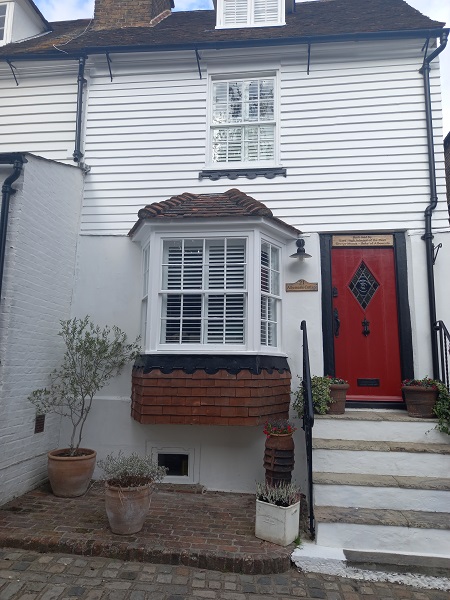
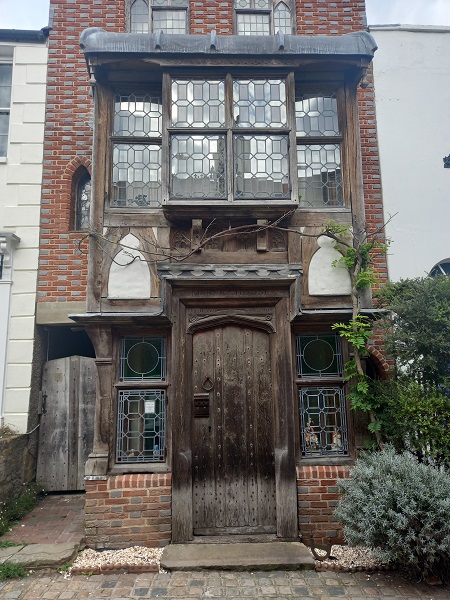


I stayed on the coast, which I will post more about next time, but went inland for one day to visit three very stunning, and very different castles.
Sissinghurst is in part a Tudor building, and is not strictly a castle. It does have a tower though, and seems to have been called a castle since the late 1700s when French prisoners of war were held there. It was restored in the 1930s by Vita Sackville- West and her husband Harold Nicholson, who created the beautiful gardens.
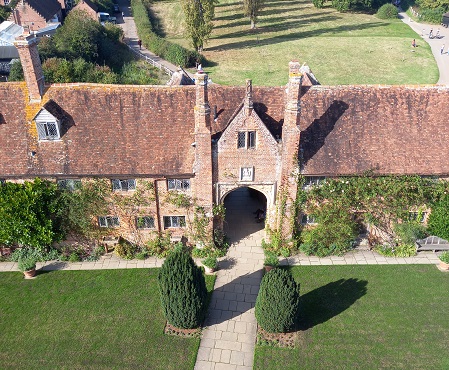

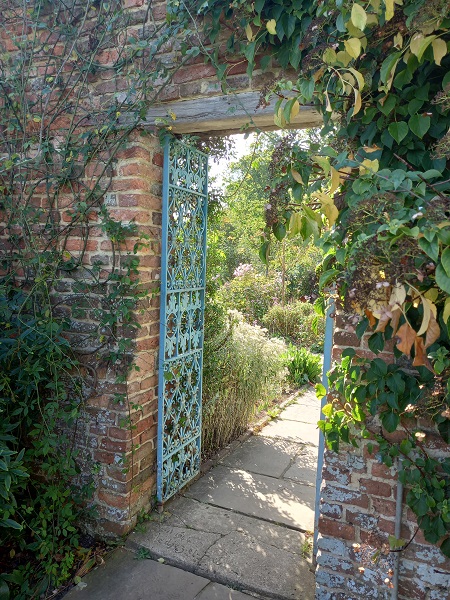
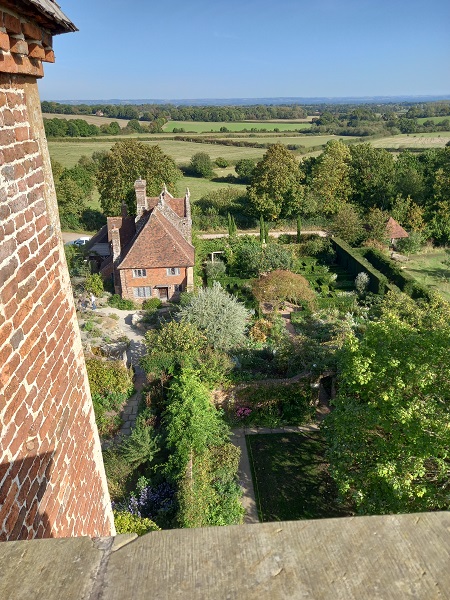


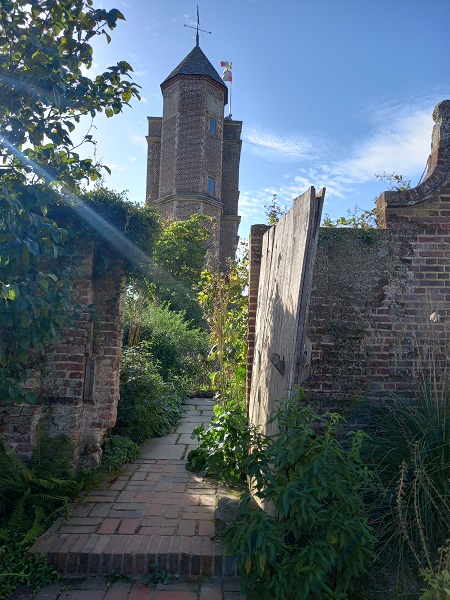


Vita was a writer, and it was brilliant to see her study, within the tower, that has been preserved. As a fledging writer I love to see where other people have worked.


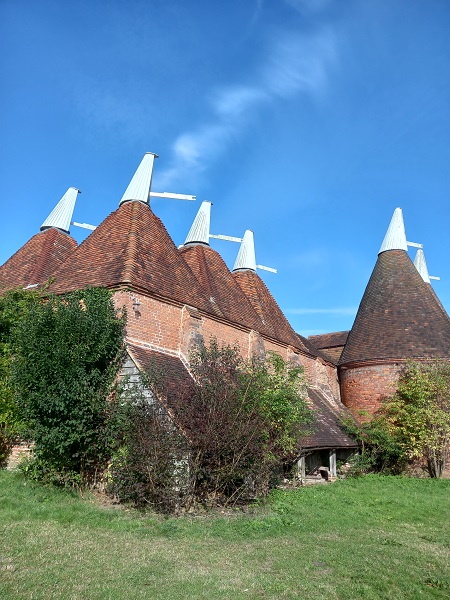
The oast house was also fascinating, I saw so many of these on my travels in Kent. They were used to dry the hops that Kent grew for the beer industry.

My second castle of the day, Scotney, is a beautiful place. The original moated castle, which dates from the 14th century, is set in gorgeous grounds, great for taking arty photos.
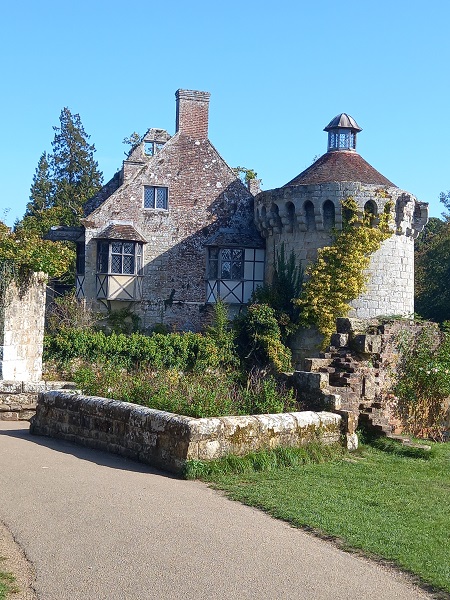

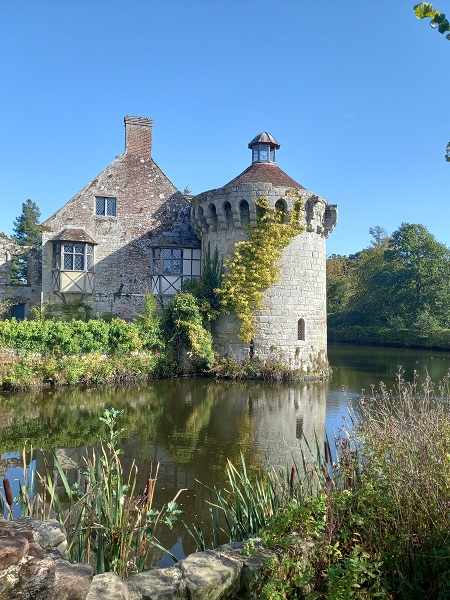

Then there is the more modern Victorian house which has nods to the Jacobean splendour that I love.
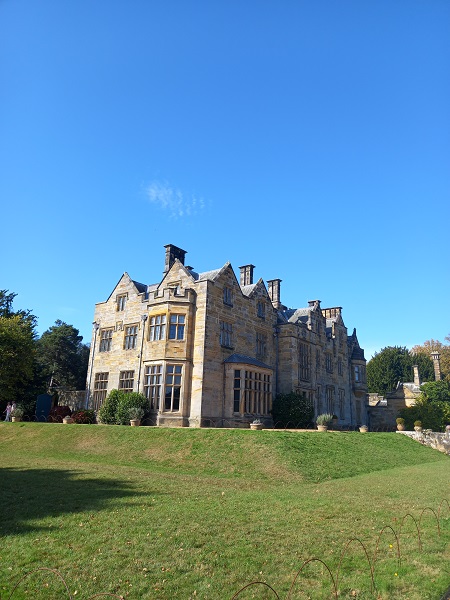


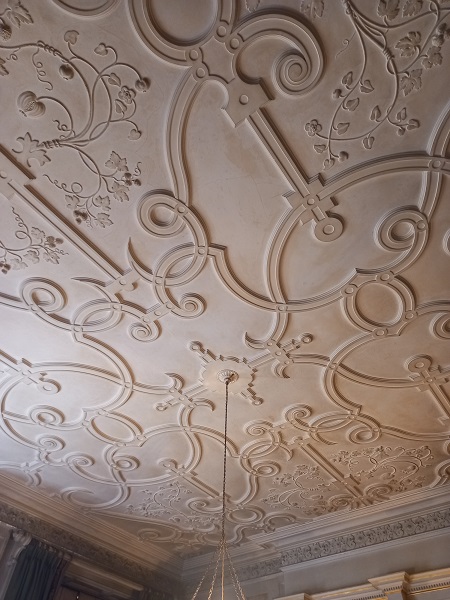

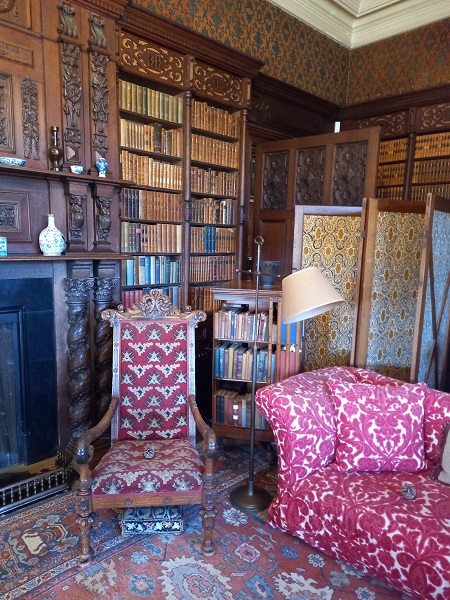
The library in the house was again beautiful, and I loved the glimpses into the study with the archaeology tools. Like many Victorians, the builders of the house were avid collectors.


The third castle of the day was in Sussex, the amazing Bodiam. This really is a fairy tale castle and I loved the contrast between stone and sky. Again I amused myself with taking arty shots including foliage.


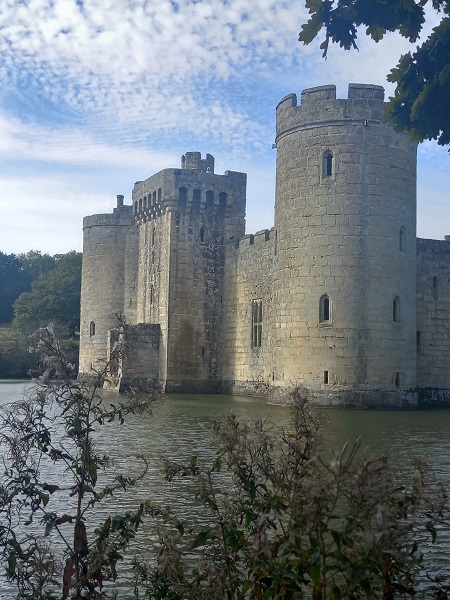
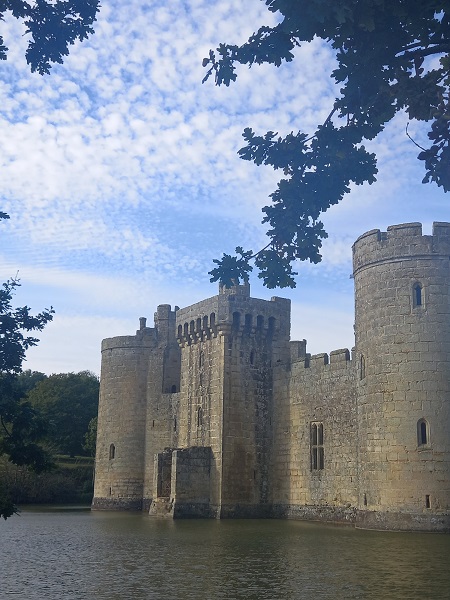


Altogether a beautiful day out, and I was so lucky with the weather, as this was the second week of October.
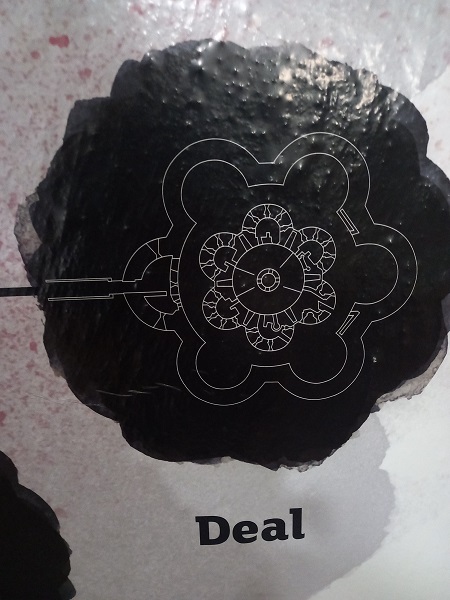
The last set of castles were the defensive ones built by Henry 8th along the Kent coastline. I have been fascinated by these, with their unique concentric circle design, for a long time, and it was great to finally get to visit them. I love looking at the original designs, many years ago I visited the artillery at Barcelona and they had the plans of the star shaped castles. They are all such marvellous feats of engineering.
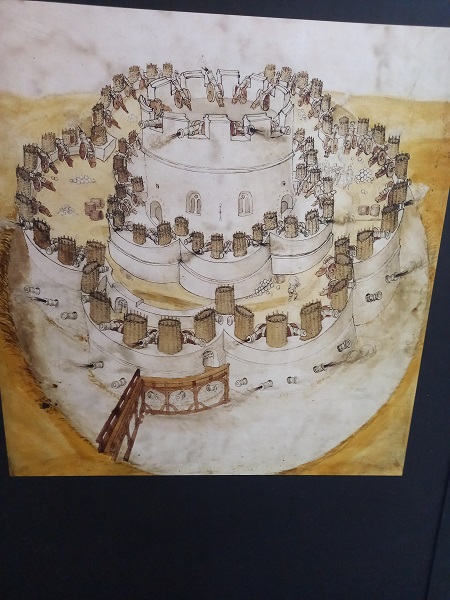
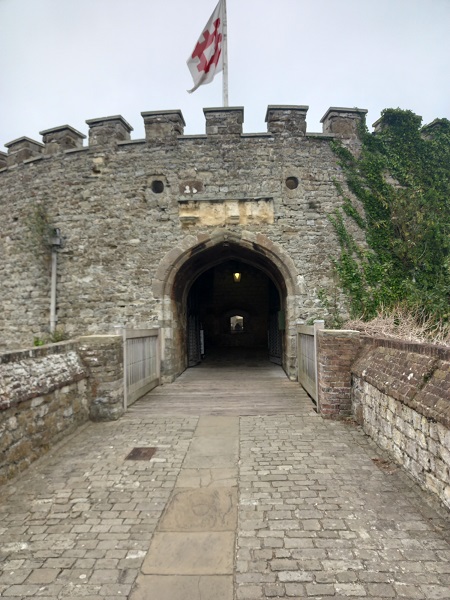

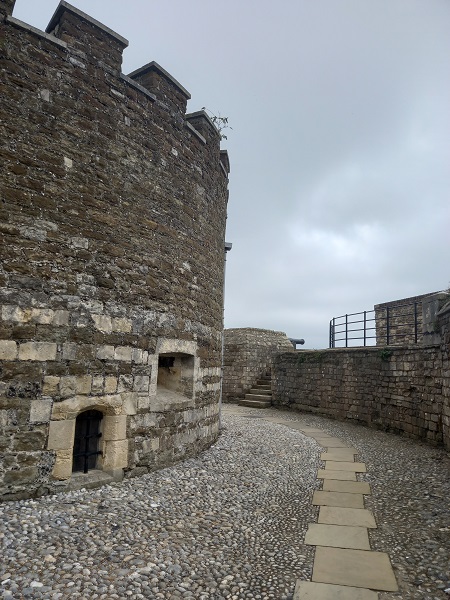
Deal Castle has illustrations of the designs of the castles, not all of which are still standing, that were built to protect the Cinque Ports of Kent.


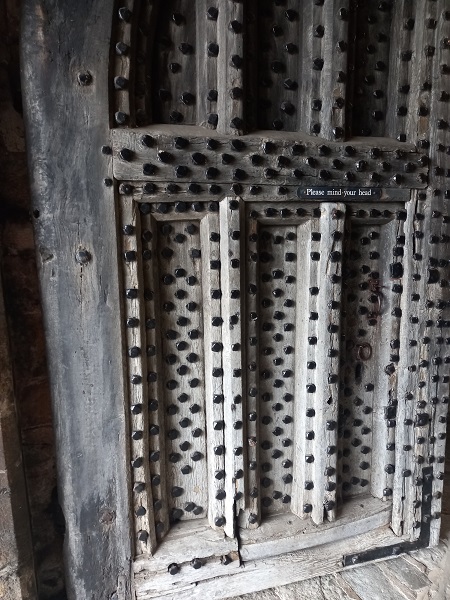
This castle was very much a defensive one and you can tell how effectively it would have withstood attack, just look at this door!
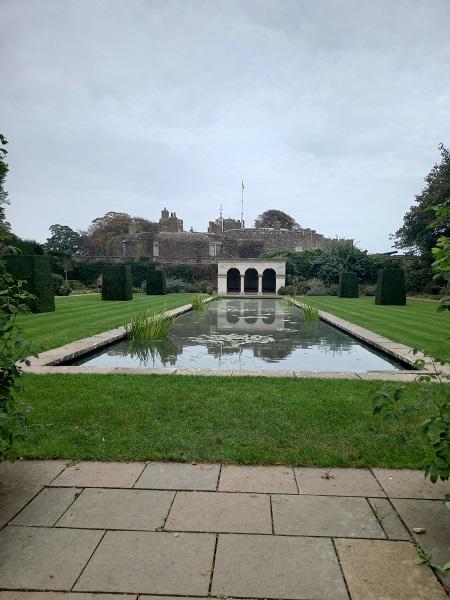
A little further down the coast is Walmer Castle. This is a real contrast as it was the residence of the Warden of the ports, so was modified extensively to provide living quarters, and also has beautiful gardens.


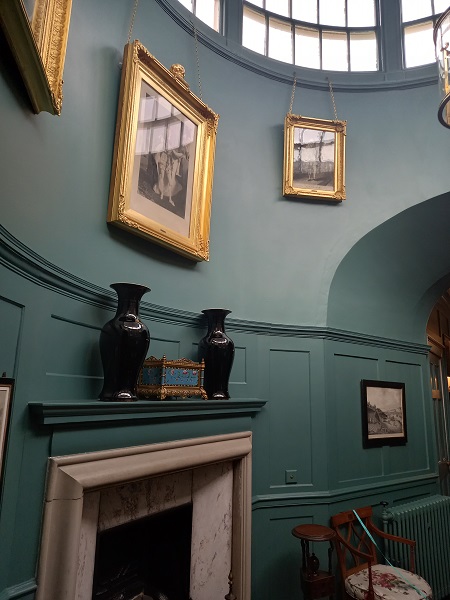
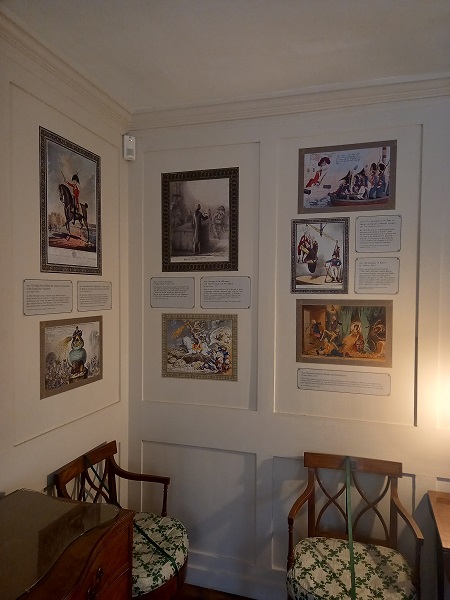
There are some very interesting exhibitions in the castle as well. The Duke of Wellington was one of the wardens, so spent many years here, and died in one of the rooms. William Pitt the Younger also served in that role, and one room in the castle has a fascinating display of cartoons from magazines of the time about his political career.
A very interesting week, which I really enjoyed. It has been so nice exploring more of the UK this summer, and I am really enjoying planning my trips for next summer now.
My next post will be all about my coastal trips in Kent, my first journey into France, and the excitement of driving on the ‘wrong side of the road’, or as the Europeans call it, ‘the right’ 😉
Until next time, have fun, take care, stay safe and thanks for visiting.
 Stitches of Time
It’s not the geology that changes as you travel in the UK – the history affects the architecture, as you say..
It has been so fascinating seeing the eastern side of the UK, very glad I did the tour this summer.