Castles old and new

Google informs me that Scotland has over 2,000 castles, of which 1,500 are still standing, or there are significant remains. Therefore I was never going to do more than scratch the surface on my quest to visit more of them after I left Speyside. I had naively thought that at least I could do most of the ones in the area around the Tarland campsite, there is actually a castle trail in the area as there are so many, but only managed a few in the week I was there. Lots to do when I go back!

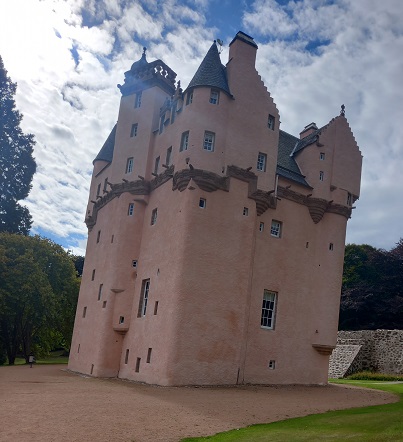
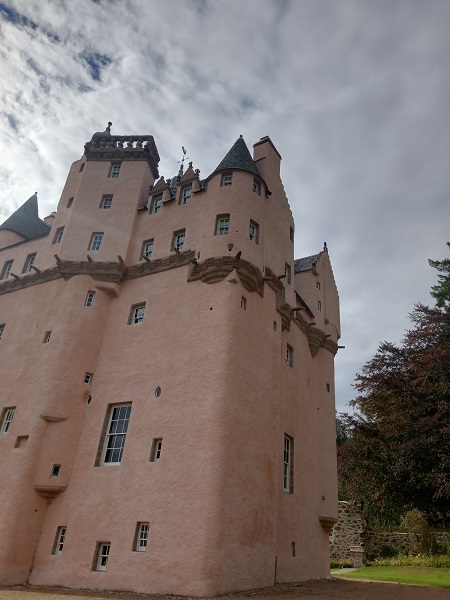
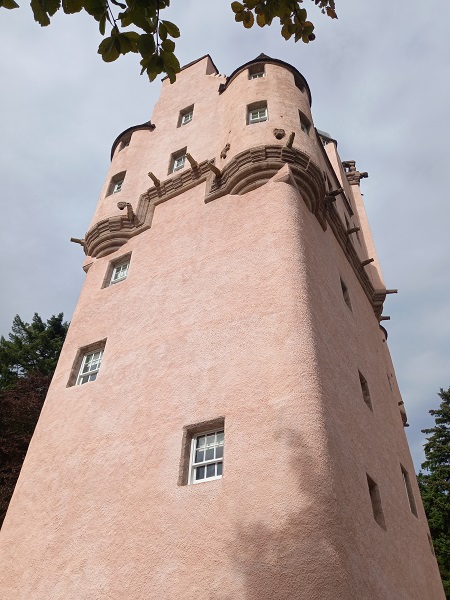
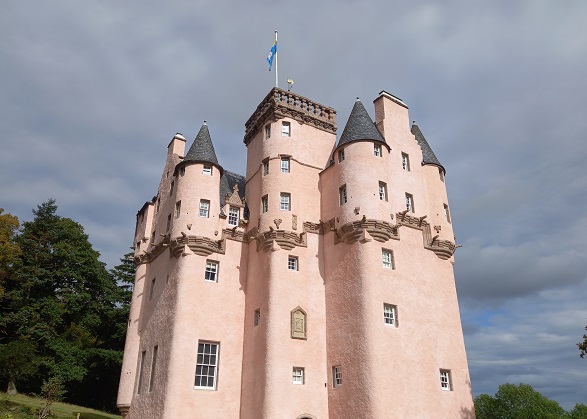
Scottish castles are really unique, as many of them have a very distinctive architectural style, and lots are pink, or greyish pink in hue. They really do have a Disney castle feel, and none more so than the beautiful Craigievar Castle Sadly this was one of the ones that I didn’t get a chance to see inside, as most of them only allow guided tours, and by the time I got there, all were booked up for theafternoon before I had to head to the campsite.

It was a beautiful day for a wander though, and the grounds and surrounding area is just stunning. Not that there are many parts of Scotland that aren’t, except perhaps the motorways around Glasgow, which confused me a lot!

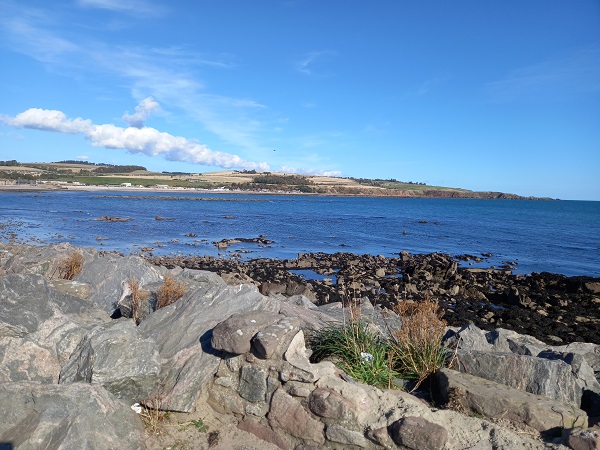
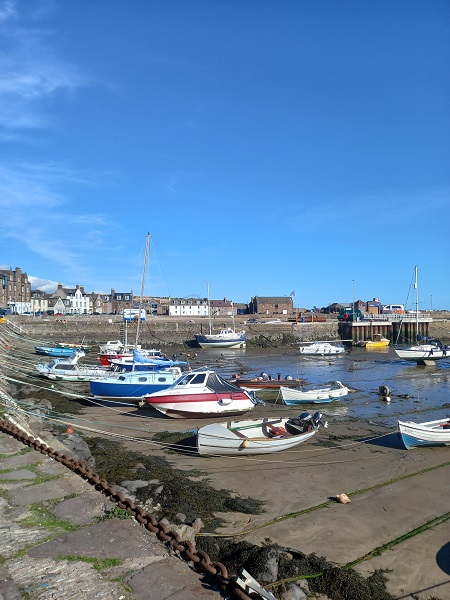
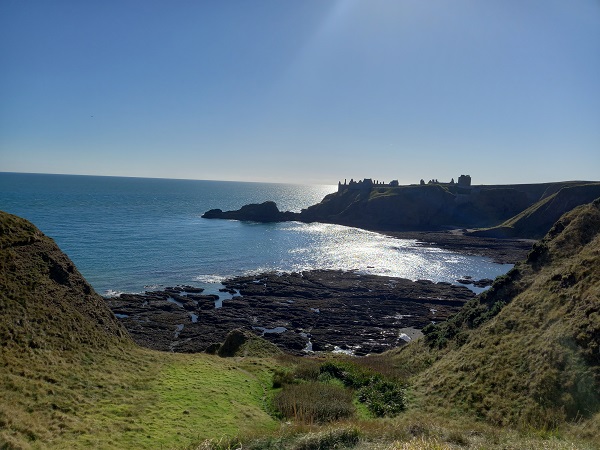
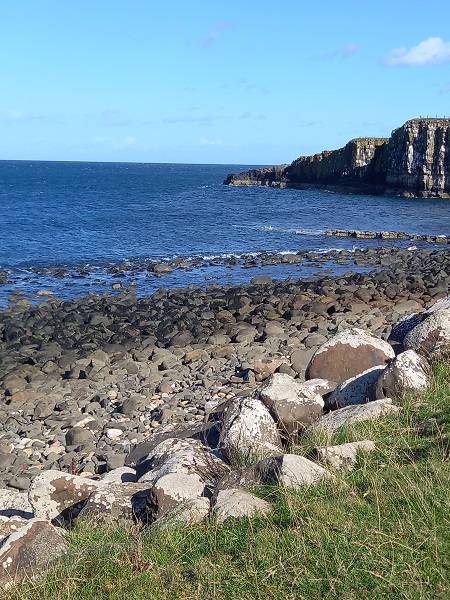
After leaving Tarland I headed back to the coast, to Stonehaven. I mentioned in a previous post that it had been too windy to walk along the coast to Slains Castle, but this was an absolutely gorgeous day, perfect for a walk along the coastal path to see the dramatic ruins of Dunnottar.

I am collecting photos that I particularly love to be printed onto canvas eventually, and I think this will have to be added to that collection. Such an amazing landscape, and I was so lucky to see it in such beautiful weather.

As well as the castles there are so many beautiful baronial houses, and after leaving the Grampian Aire I went to Leith Hall Dating from the mid 1600s, it has been extensively remodelled and is now mainly Georgian inside. Again I had an excellent guided tour of the house, memorable for several curiosities as well as the wealth of textile treasure.

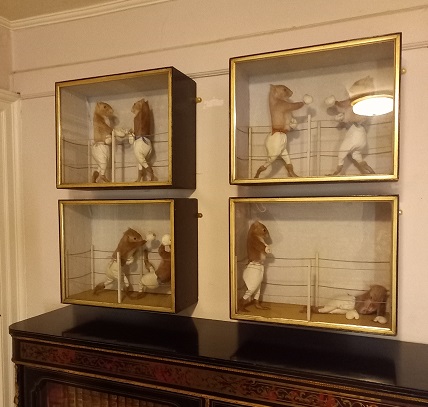
If you visit any heritage house you will come across taxidermy, a favourite pastime of the Victorian collectors, but Leith has a very special display, of boxing squirrels!

This has to rate as the most unusual piece of taxidermy that I have ever seen. No clear idea of the provenance, but I can only assume they were specially commissioned.

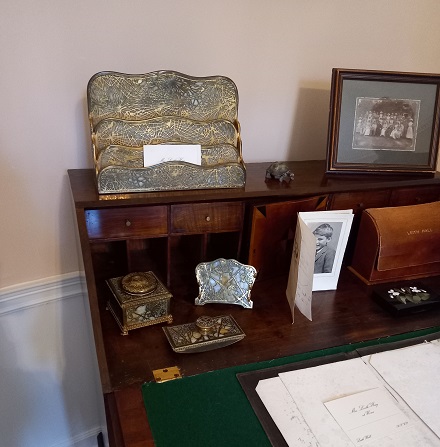
Sometimes there are just little things that really catch your eye as well, not only for their beauty, but imagining how they were acquired, and the recipient using them. I like to imagine that this beautiful desk set was a very special gift, and that happy hours were spent here writing letters and journals.

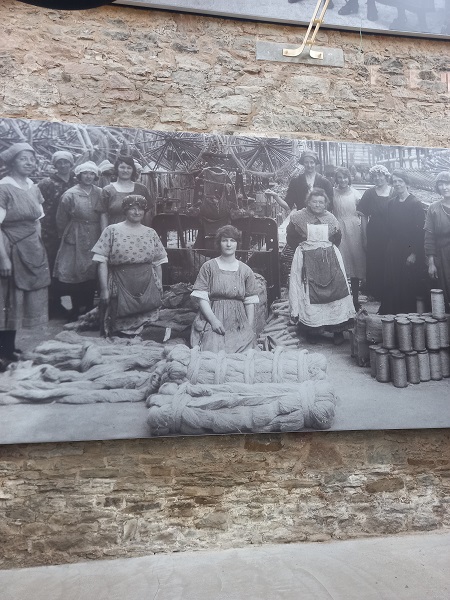
Another really interesting find was this gift of a photo montage of all of the tenants of the estate, given to General Leith Hay in 1902. A fascinating piece of social history, and one that is great for anyone tracing family history in the area, as many of these people wouldn’t have necessarily have had other photos taken of themselves.

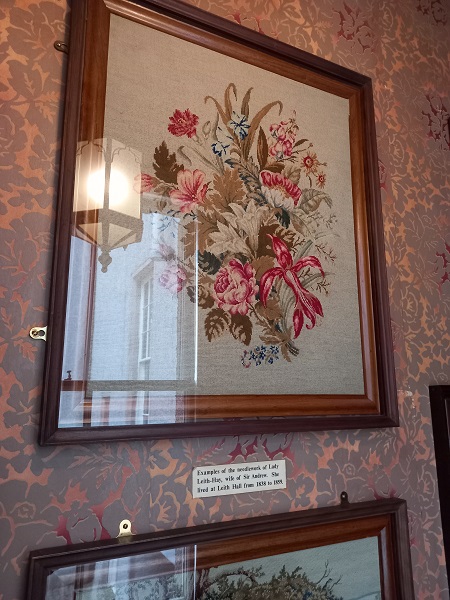
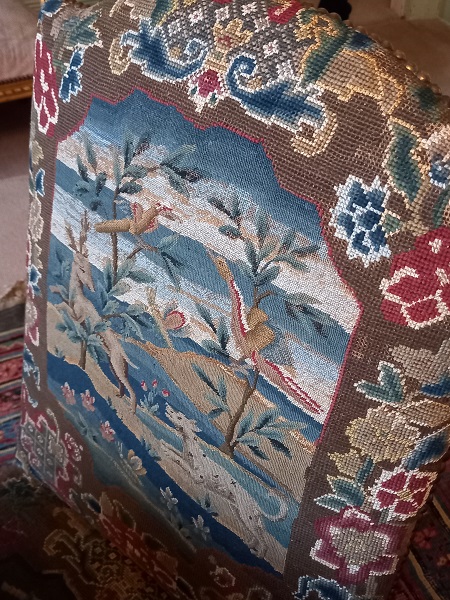
One of the members of the Leith Hay family was a very keen needlewoman, and one of the corridors was lined with needlepoint pictures, all from kits popular in Victorian times. There musty have been at least twenty of these, along with all the fire screens and chairs. I know I have marvelled at this before, but how many hours of work does this represent!

I have been thinking about doing some needlepoint again, not that I need another crafting project ! However I used to love it, so am on the hunt for a nice kit that I can do for the caravan.

Someone was clearly a keen collector of embroidery as well, as there was this display case. Sorry for the poor picture, but there is a Georgian waistcoat, as well as shoes and bags.

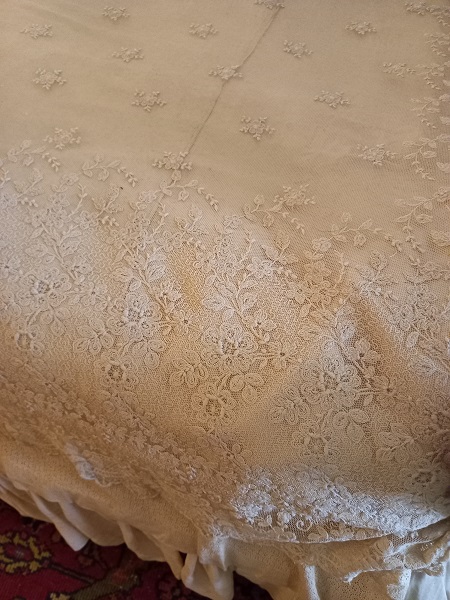
There were also some beautiful bedspreads, in crochet and lace work.

I have been spending some time here working on my crochet skills, and have successfully made my first hat! After so many years of struggling crochet seems to have just clicked in my brain, which I am very happy about. Pictures of that and other recent makes soon. I have also been doing some writing, so feel like I’ve had a very productive week.

It is a balmy 23 degrees this weekend, and I am looking forward to another lovely week of social activities. We have a packed programme of coach trips to visit Christmas lights, and Christmas celebrations starting this Friday, and I had better finish making the Christmas gifts as there are only 18 days to go! My poker skills are coming along nicely as well, I won 9 hands last night and came 4th out of 8 players, so very happy with that.

Until next time, take care, have fun and thanks for visiting.

Semana Santa – part two

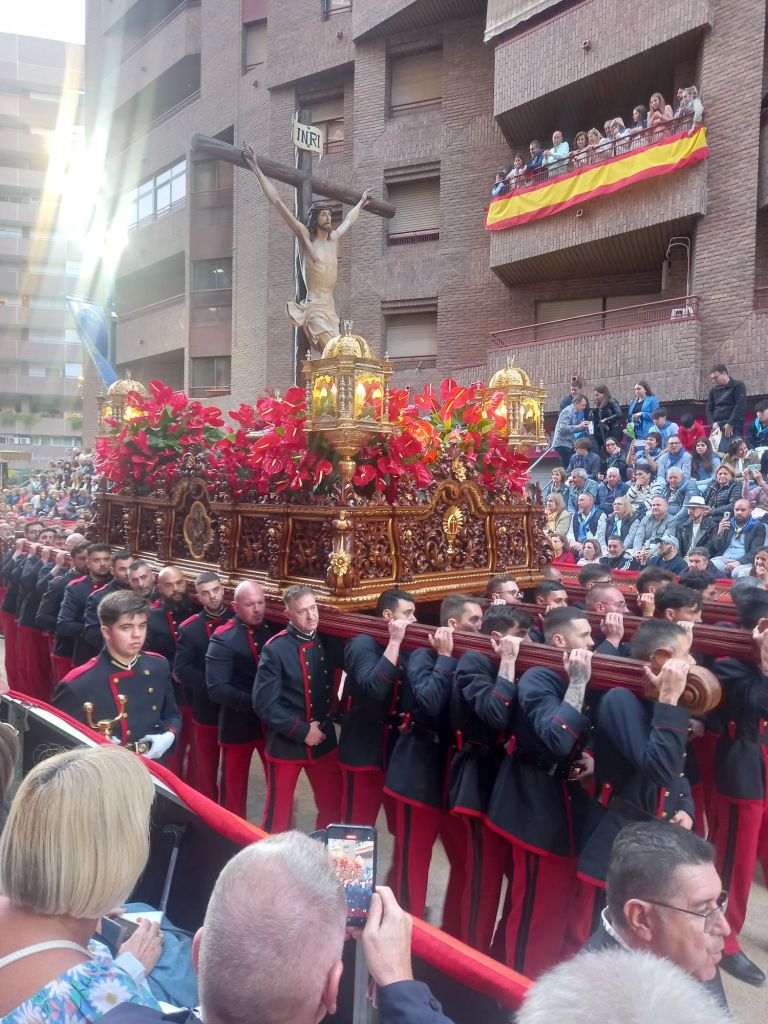
Our second glorious fiesta was on Good Friday, in the town of Lorca. We have visited Lorca twice before, once to see the goldwork museums there, and once for the fiesta.

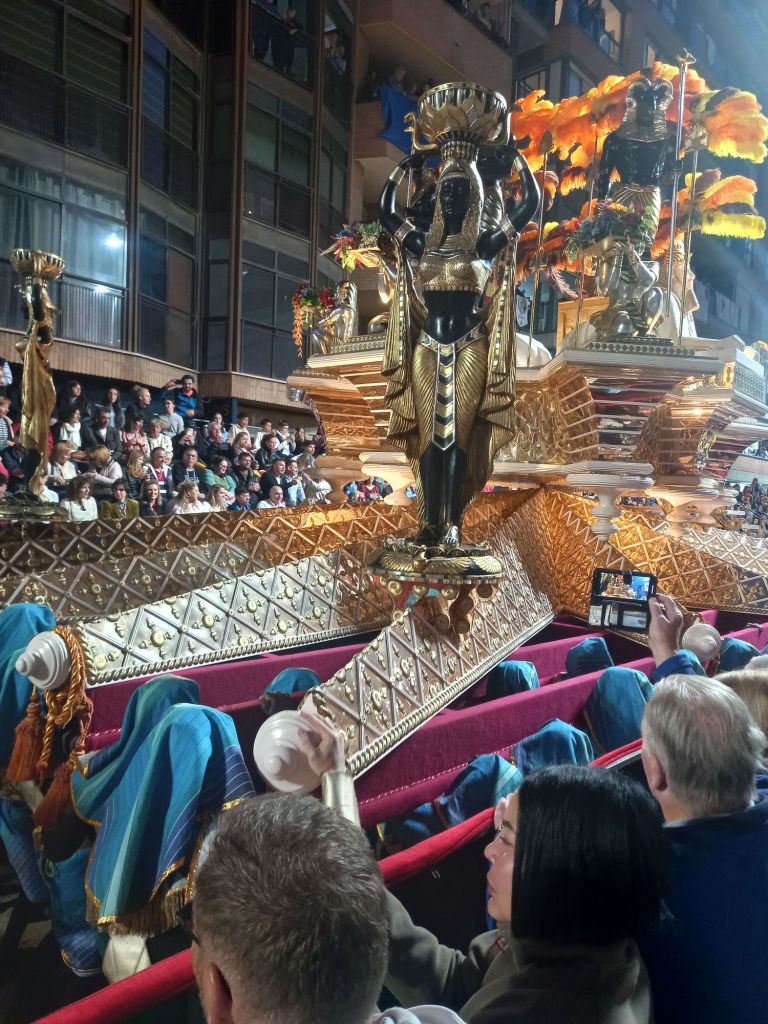
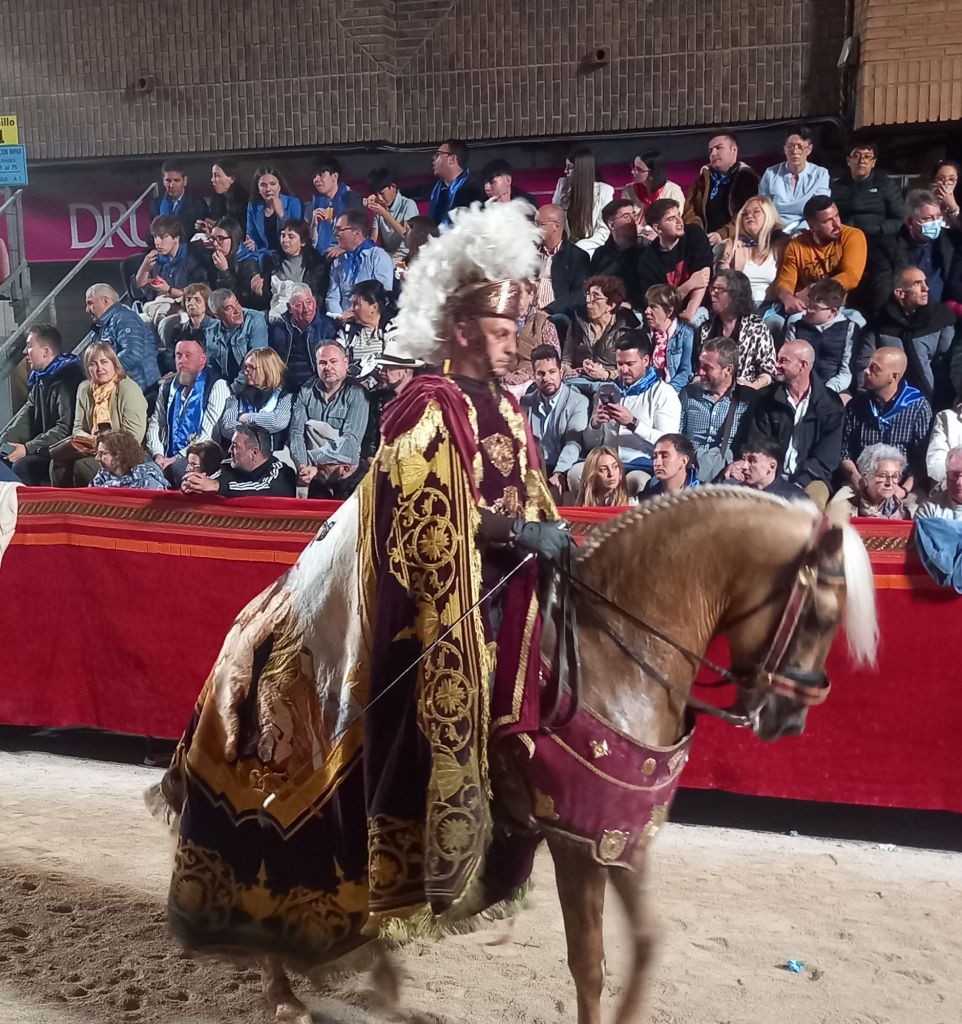
This time we had seats, in a fabulous position near the start of the parade. This fiesta is one of the most amazing celebrations I have ever seen. Not only are there all of the stunning icons, but also floats with Ceasar, Cleopatra, various other Roman and Egyptian nobles, a Byzantine queen and the Pope!

The scale of this is hard to take in, and also includes chariots, incredible horse displays and groups of the iconic Semana Santa headdresses. It takes three hours to pass and just gets better and better.

This year, we had time for a good wander round before everything started, and a close up look at the floats.

They are even more incredible when you consider some are carried for three hours, on the shoulders of both men and women, particularly women for the icons of the Virgen Mary.

The costumes are just mind blowing, from the opulence of Cleopatra, to the detail of her companions. The embroidery on the charioteer’s cloaks, details different parts of the Bible story.

It is all just magical, and a testament to the many hours of work by the very talented embroiderers who made this possible, some of whom we met on our first visit. 

Life here in Scotland continues to be very good. We have been busy getting the campsite to look its best after the long

Meanwhile I hope you are all having as much fun as I am, and thanks for visiting. 

Minarets and museums

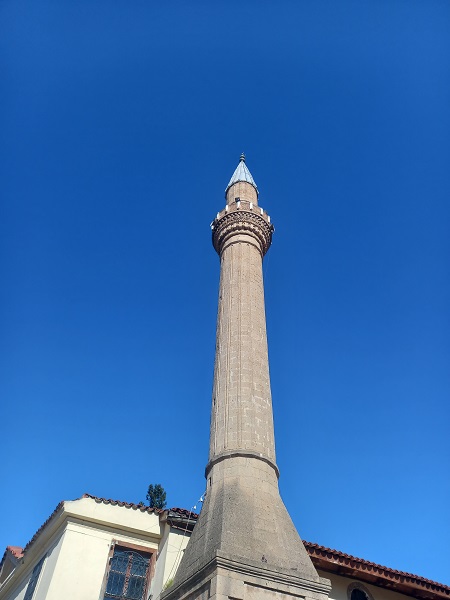
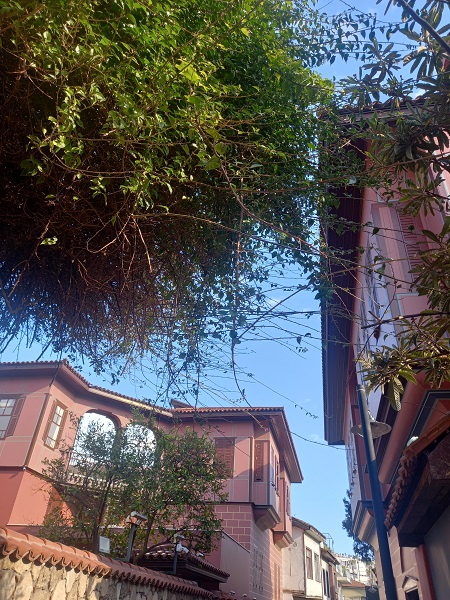
Antalya Old Town is full of the minarets of mosques, and towers dating from pre 20th century development of the city. This gives it is a beautiful skyline, especially against the blue.

I have peeked into most of the mosques, but they are very much working places of worship, rather than for tourists, and although visitors are welcome, I have not wanted to intrude.

Ramadan starts tomorrow, and in the main city park there are lots of stalls being set up, and a funfair. I am not sure if this is for the celebration at the end of Ramadan, or something that happens for the busy spring and summer period, as it is a popular tourist destination.

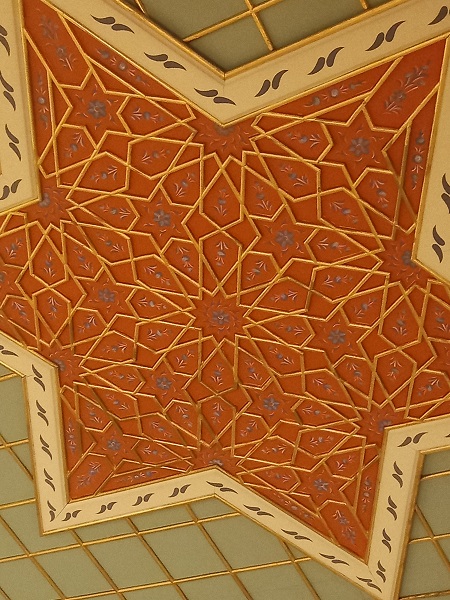
At the back of the Old Town is an area with one of the biggest mosques, with a very large fluted minaret, called the Yivlimnare Mosque, which you can see in the bottom left photo above. There is also a very beautifully restored mosque and tomb complex, which is now a museum about Dervish culture.

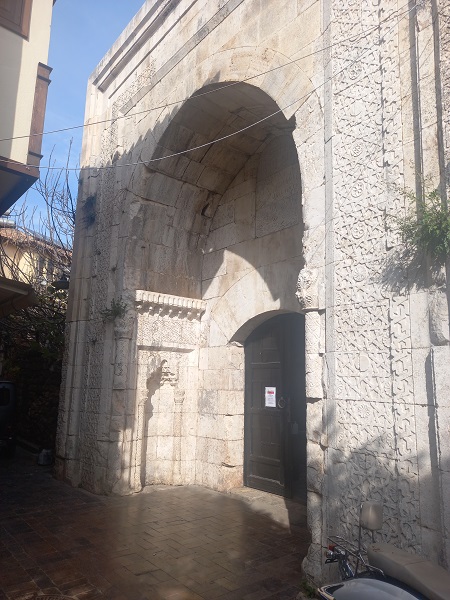
This area is still being redeveloped and also contains the remains of one of the madrassas, or religious schools. All that is left is this carved gateway.

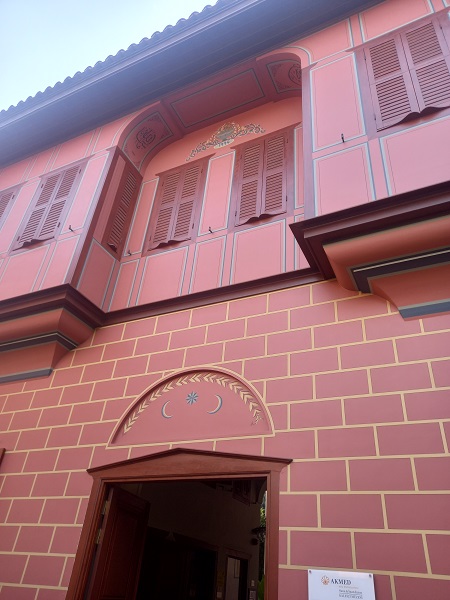
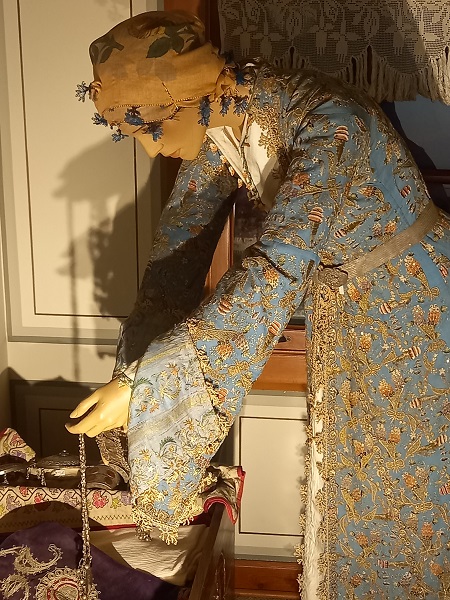
I have spent most of the last few days here visiting museums. Although small, they have been beautifully set out, and have contained lots of my favourite kinds of displays, textiles. They are housed in original mansions within the Old Town, so have been restored to show some of what family life would have been for people who lived here.

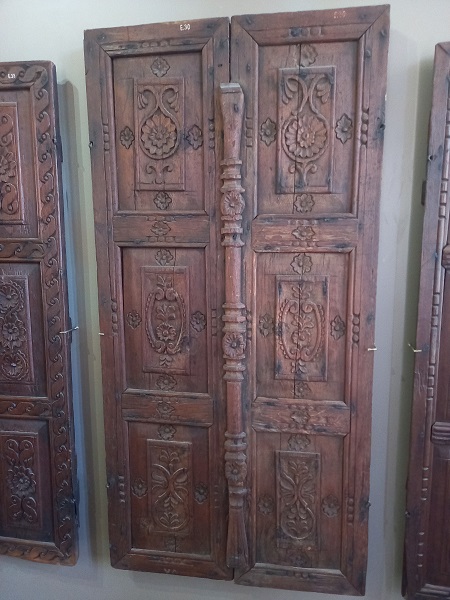
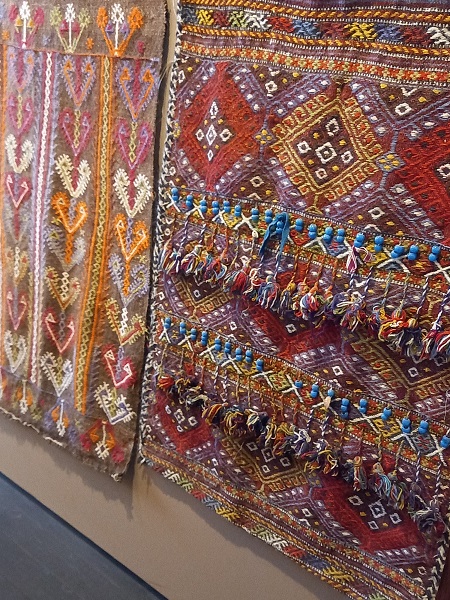
The Ethnography Museum is right next to the port. Housed in two buildings there are really interesting displays of crafts such as weaving and woodcarving.

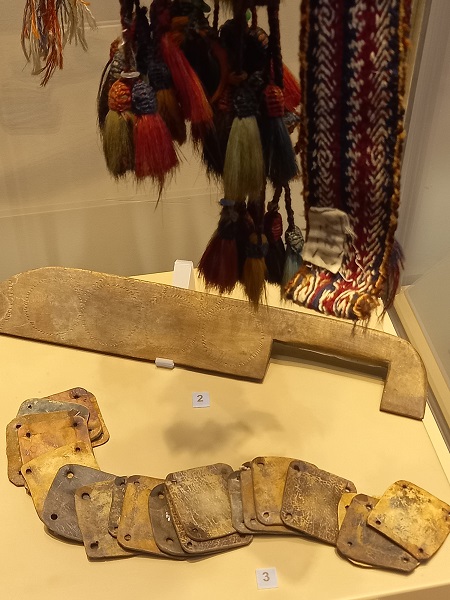
It reminded me seeing the tablet weaving cards in the top left photo below, that I did try and get to grips with this for medieval re-enactment, but never managed. These are useful for weaving strips which can be used for straps, or sewn together to made bags or saddles.

The loom is being used for a tufted carpet rather than a woven one, and you can see the individual knots of different colours on the warp.

These socks, which are knitted on five needles look very much like the ones my Norwegian friend in Spain knits, it must be so tricky doing patterns in the round, I can barely manage rib!
One of my favourite displays was this one showing a house bathroom, with the many different sorts of taps used. The household would also use the public hammams, so would take their soap and loofahs in a tin with them. Its little things like this that really bring daily life home to you, that little container and the old soaps, a simple thing but so relevant.

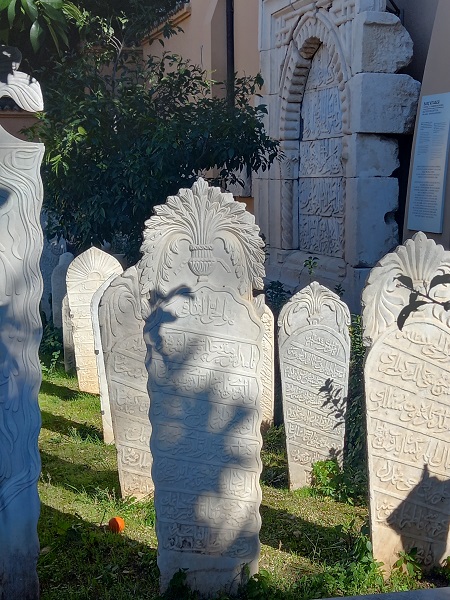
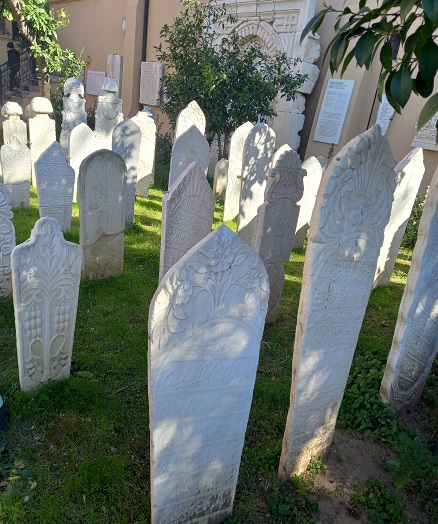
The gardens between the houses had a collection of Ottaman era tombstones. I saw some of the these when I was in Larnaca in Cyprus, at the fort. The men’s ones are those with turbans, and the women’s are decorated with floral shapes. If they died unmarried they were made to look like veils at the top. They are so gorgeously carved with different complex motifs.

The textile display was small but had some goldwork and embroidery displays.

This whitework was really interesting. There appears to be a combination of stitching and pulled work, much like Hardangar, which is very much associated with Northern Europe.

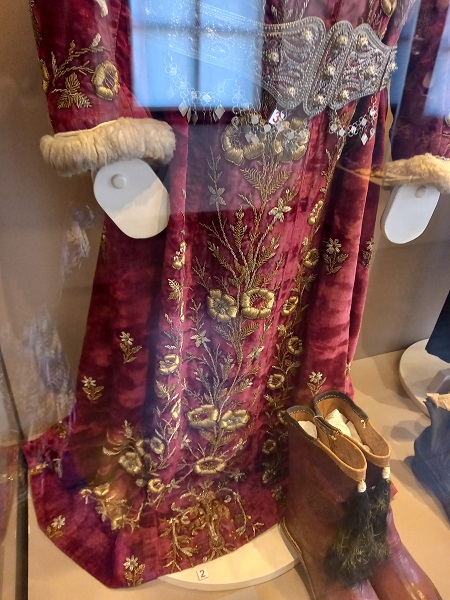
This white and goldwork robe shows so clearly the problems of looking after old textiles.

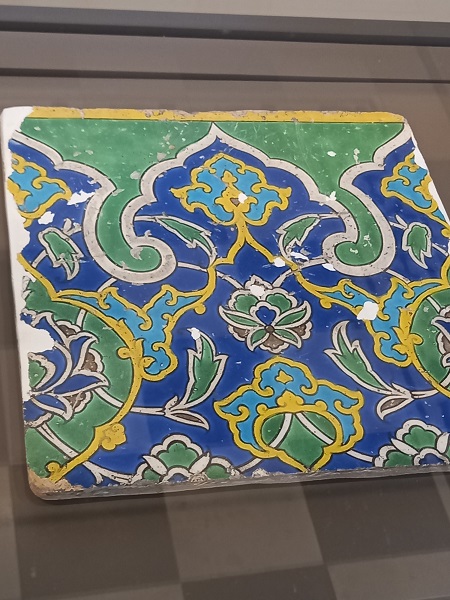
The museum answered the question of why I’ve not seen much in the way of tilework here. Even in the older restored houses it is absent. As it was so much a feature of decoration in other Islamic countries I have visited, I was surprised not to see more of it. The museum’s ceramics display stated that due to the ceramics experts keeping their methods secret, much of the craft had died out here.

There is certainly a lot of beautiful ceramic ware for sale here, but it is very similar to what we have in Spain, so may be made elsewhere. I am trying to resist the urge to buy more of these bowls, just gorgeous!

The other museum belongs to the University here, again really well restored, and displaying life in the courtyard houses of Anatolia.

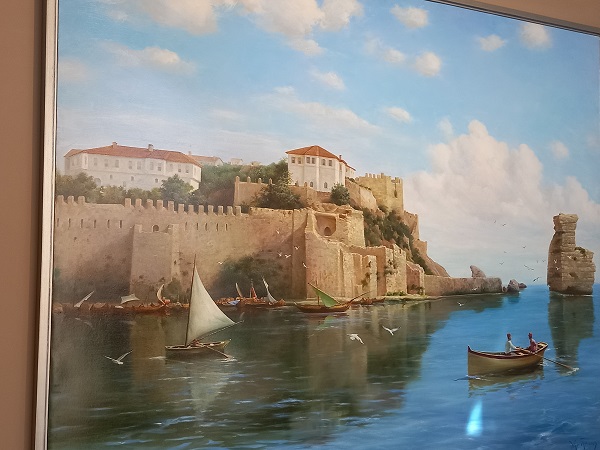
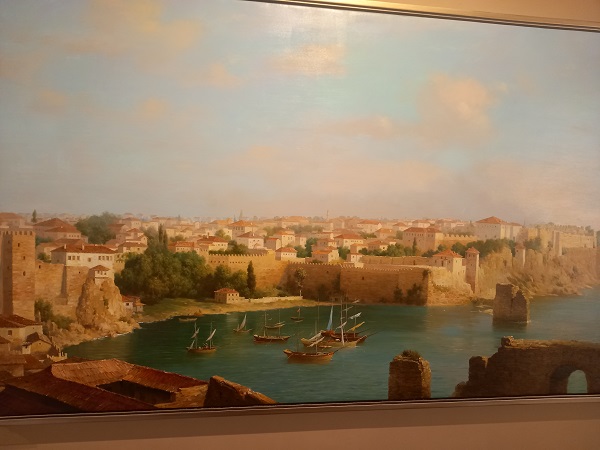
I love these paintings of the port, no date but I am assuming late 1800s, before any modern development.

Although I couldn’t get any very clear pictures, there was a display of an embroidery frame with a box of thread next to it.

Much of the embroidery I saw was on very fine materials, often gold and metal work on silks and fine linens, such as veils and gowns, so I assume a lot of it was frame based.

This picture is dated 1931, a woman and her friends. Possibly they are dressed for a wedding as the information was about wedding rituals.

There was also quite a lot of regular count work, that looked very reminiscent of cross stitch, but on evenweave, and some vibrant examples of flowers.

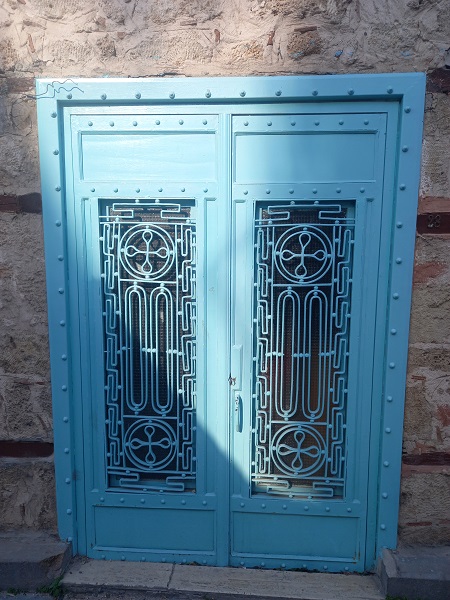
As well as the focused visits much of my time has just been wandering again, noticing little things about the architecture. I have discovered even more lovely windows and doors 😉

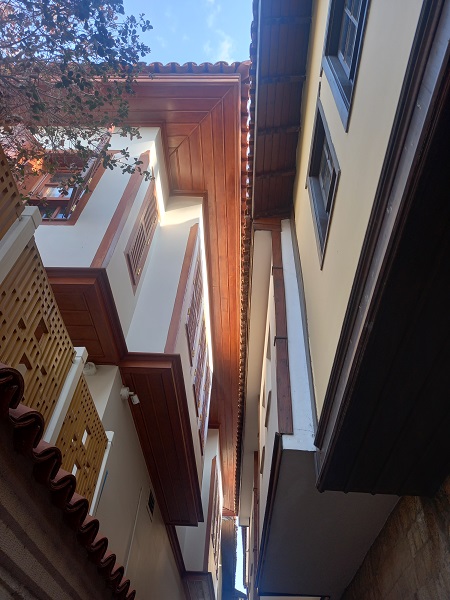
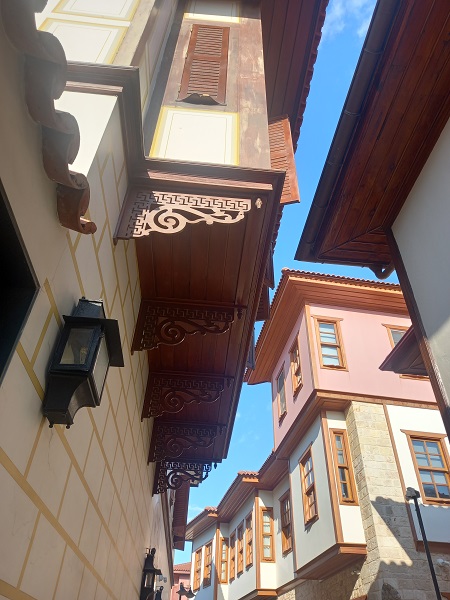
There are so many gorgeous little things that people probably don’t even see unless they look up. Like these carved supports for the windows, and the way that the roofs nearly touch in some places. It must make restoration really tricky here. I thought the same in Morocco, everything must have to be done with such care.

I have also had a little wander around the more tourist focused area, up at the top of the Old Town. Antalya is definitely the place to come if you want jewellery, I have never seen so many jewellery shops, and there are also some amazing sweet shops.

With those, and the incredible bakeries and cake shops you could end up eating something different every day for a month. There are so many varieties of sweet stuff here, baklava, rice puddings, meringues, as well as so much Turkish Delight of all shapes and colours.

I stopped one day for a coffee just because I loved the cups it was being served in, so detailed. I’m not a huge coffee fan, and when I do drink it I have it very milky, so the little cubes of Turkish Delight were much appreciated. It was so strong ;-0

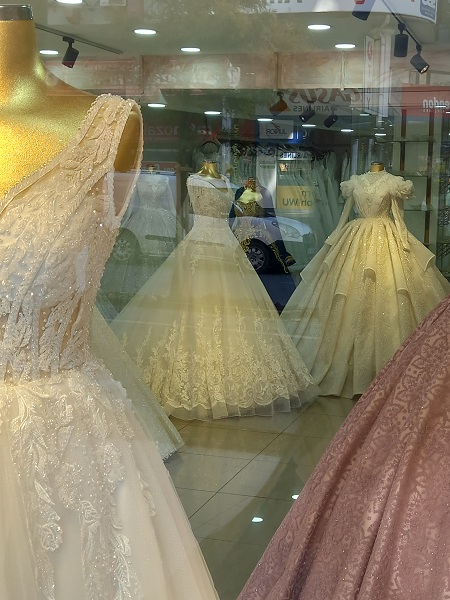
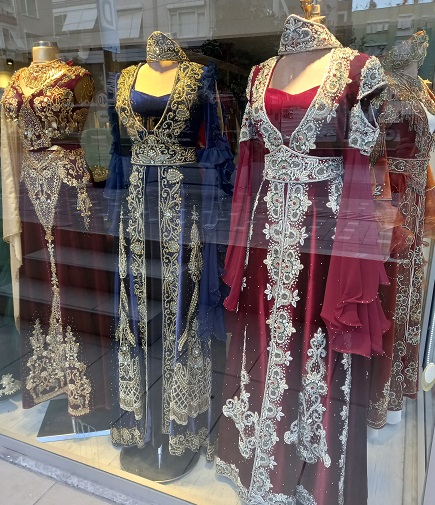
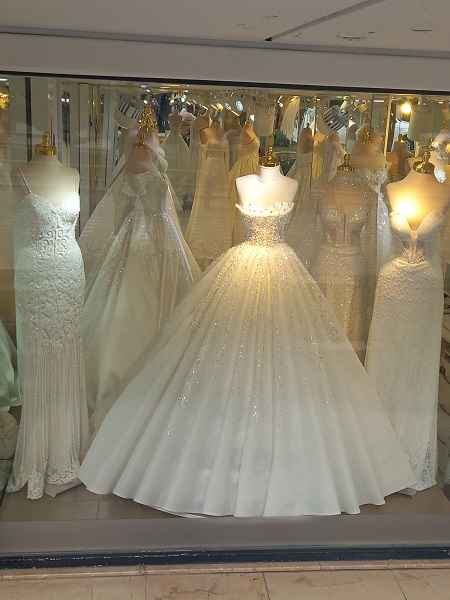
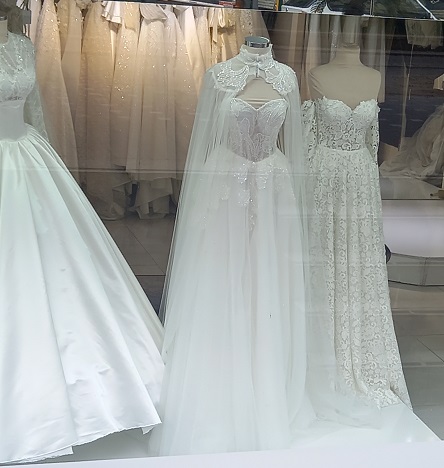
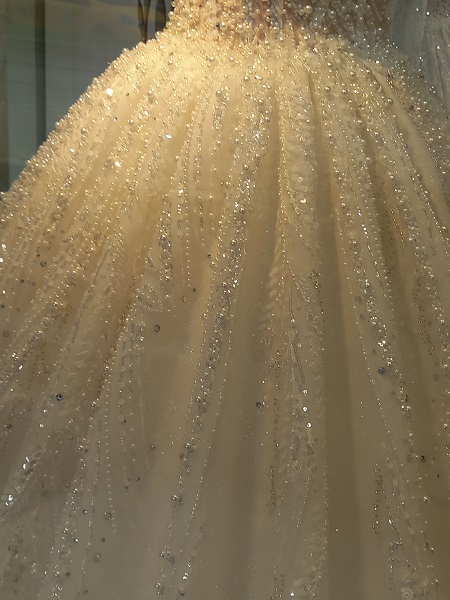
The other thing that has amazed me about Antalya is the sheer amount of bridal shops here, selling the most amazing gowns. There is one street near my hotel with about 30 shops. Most are white or cream dresses, but there are some more traditional colours displayed as well. If you are wedding shopping come and do it here, I saw one shop advertising bride AND groom outfits for £500 in total 😉

The detail in the beading is amazing, so you can guess what I’m going to be making next for my Barbies!

I only have two days left here. There is one more museum to see, and I shall have a last wander round the port to look at the mountains. The weather is going to be glorious tomorrow, 20 degrees, so you may well find me with a cold beer in a bar overlooking the harbour. I shall really miss these mountains. Turkiye you have been brilliant, and I am looking forward to more of your joys on future visits.

I do have a few more mountains coming up in the next few months though, and am excited that next week I am reunited with Katy, and we are on the road again. It seems forever since we were adventuring, and we are going somewhere that holds a very special place in my heart. I have been before, but not to some of the area, so am very excited. All will be revealed in a couple of weeks!

Until then, as always, have fun, take care, stay safe and thanks for visting.

Some peaceful time in the sewing space

After all my summer adventures it was lovely to spend time at home, and in particular to have lots of time in my little sewing space. I have previously blogged about the Barbie clothes for the Christmas fundraiser, and after I had finished those at the end of November I just kept going. I have had a group of Barbies with no outfits on the shelf in my craft space for a couple of years, and had promised them all new outfits before I left again.

I had so much fun doing this, not only do I feel that I have developed my sewing skills, but also I love just sitting with all my fabrics, beads and shiny jewels, and playing with colour combinations. I have re-organised my fabric storage to make it easier to find things and just enjoyed myself spending hours each week creating.

I have been inspired by various things, often it is the fabric or the beads that spark an idea. This first one was experimenting with the organza from the bags I bought. Although they are only small pieces they are perfect for little adornments like these ruffles. The red fabric is a stock of small silk pieces that have been in my stash for at least ten years.

I have been using the same pattern, but adapting it with different fabrics and skirt shapes. This is one of my favourite designs and I love beading the bodices. The bodice fabric on the black and bronze dress comes from the same old silk stash. It is nice to finally be using up things 😉

I did some experimenting with layers of tulle. This is some I bought in New York when Ellen and I went, and I added sewn on beads and stick on daisies.

I love the way that this ribbon from stash goes perfectly with the daisies.

My most complex project was inspired by all the wonderful Instagram cosplay makes from the Wicked movie. I didn’t have enough fabric to make a full Glinda bubble dress, but this is one inspired by it. There was a lot of geometrical pondering to get the skirt petals done. Each petal is a double layered circle of fabric, with another layer of tulle folded over it as well.

I am very pleased with the way the beading worked. I did the bodice and the petals separately as I thought it would be easier to bead the petals while they were flat, and then added beads at the waist to make it look as if they were continuous.

This ensemble was made from some raw silk, I love working with this fabric and was keen to experiment with beading. With hindsight it would have been easier to bead the dress before I made it up, but I like the colour graduations on the beads.

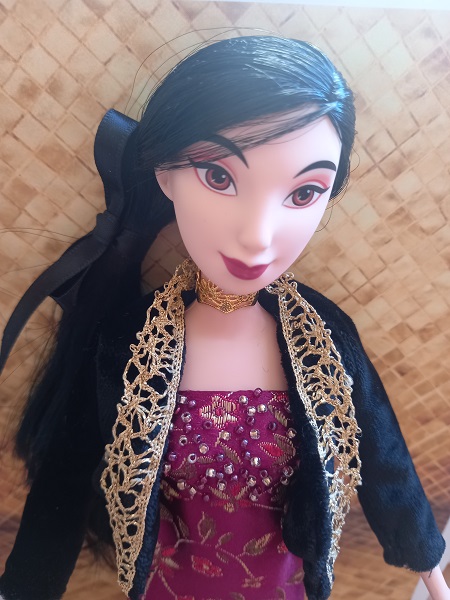
I have been buying a few different doll’s heads, from Aliexpress. This Mulan one inspired me to use a piece of Chinese silk that has been around for about fifteen years.

As well as all the Barbie clothes I did a bit of Christmas knitting and crochet. First was a hat for a children’s gift box for the local orphanage. Then I made some wrist warmers for my aunt, from my favourite Emerald Wristwarmer pattern, free from Ravelry. I love the variegations in this wool.

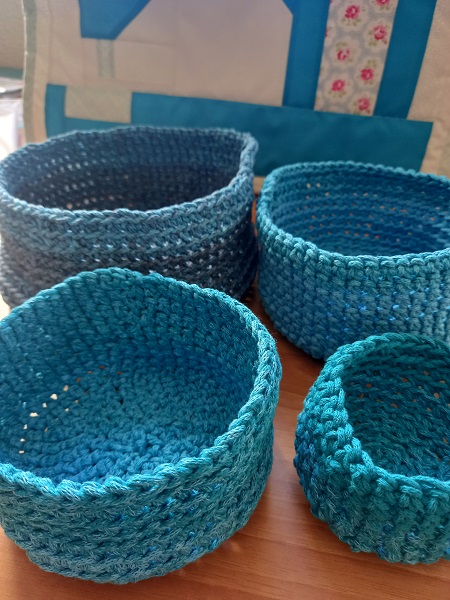
With my new found crochet skills I made some soft baskets from a skein of variegated macramé thread. These were for my brother and his wife, for their cave house. They were an adaptation of various free patterns from Ravelry.

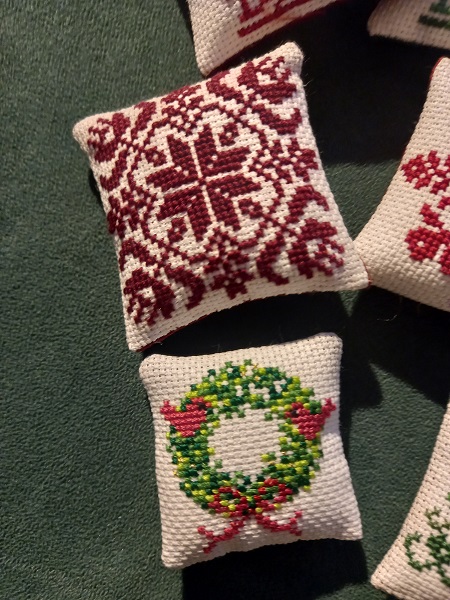
Then there were the usual cross stitched ornaments. These were the ones for friends, a selection of Quaker snowflakes and JBW designs.

These were the family ones, again from the same mixed sources.

I had a bit of emergency knitting to do in between the cross stitching. You may remember last Christmas the fundraiser was a little knitted mouse. Debbie, from our knitting group won it and gave it to her granddaughter in the USA. Sadly she left it on a plane and was very upset. Luckily I had most of a mouse in bits in my stash, and some spare dresses, so she had a replacement to give her on Christmas Day.

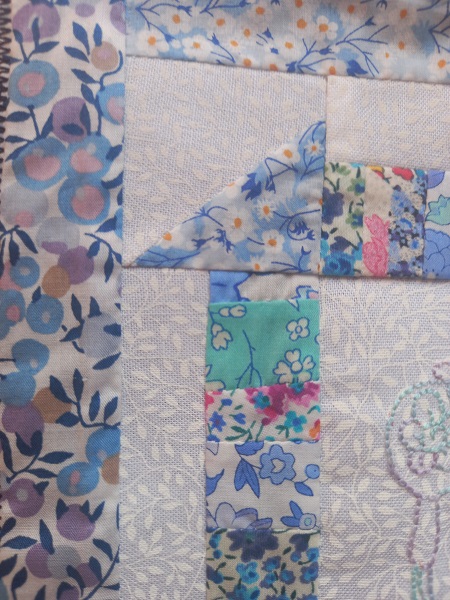
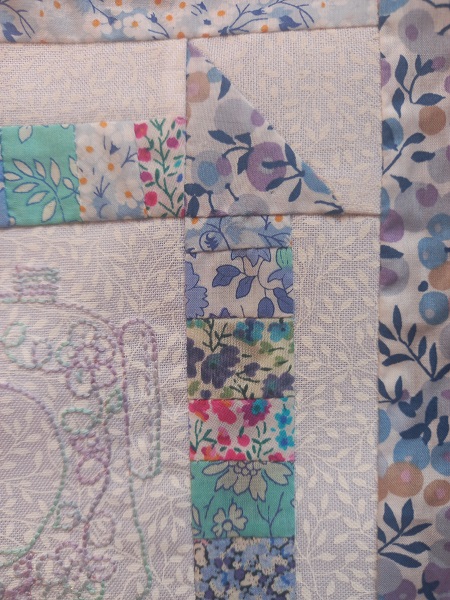
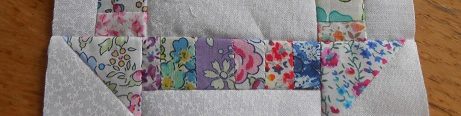
I also got around to tackling the WIP pile. I have a lot of embroideries, mainly of designs from Jenny of Elefantz, that I have been meaning to make up into something. This one got as far as being given one of my favourite Churn Dash block surrounds, but has been languishing in the pile for at least six years.

I am always in need of new project bags for travelling so it didn’t take long to make this one up. I also made up this design for my Mum to keep her embroideries in. I originally intended it to be a Christmas gift for her about five years ago, but better late than never. I loved stitching this one, again another of Jenny’s designs.

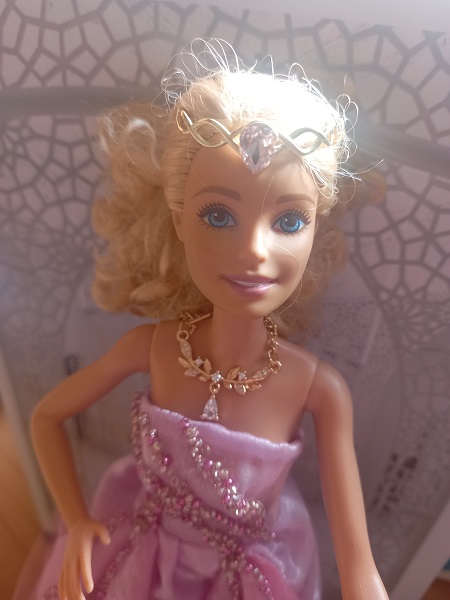
I also got some lovely Christmas presents. My Mum wanted to buy me something, rather than just give me money, and in following some of the wonderful Instagram Barbie designers I have found a whole new world of jewellery and crowns. I was lucky enough to get these for Christmas. My Glinda Barbie looks gorgeous in her tiara, and I am planning a very extravagant dress to go with the crown, although that will have to wait until autumn now.

It was a hugely productive three months, I did more in those weeks than I have all year, and am very pleased with the progress on the WIPs pile and in using some of the long buried stash. I have already started on the Christmas cross stitching for 2025, have completed two hats for donations, sent the premature baby hats that I knitted earlier last year off, and started my charity knitting for 2025. As I shall be on the road again for the next two months, and then having a very busy spring and summer, I am choosing small portable projects.

I will return in a couple of weeks, Wifi permitting to update you on what I have been doing. Until then, have fun, take care, stay safe, and thanks for visiting.

Coming home

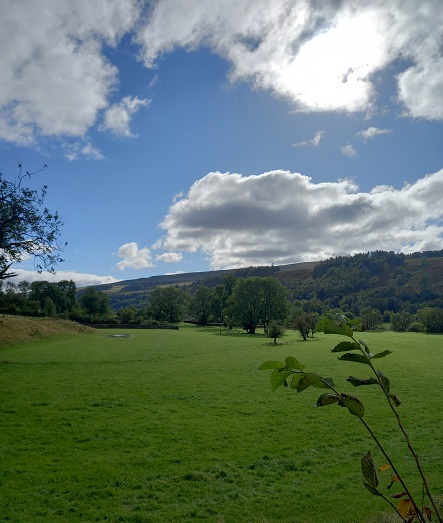
Even though I no longer live in the area, I still consider Yorkshire, and the Peak District home. It is the place that I have spent the most time in, and I just love the countryside. It is also so nice to return to catch up with friends. At the end of the summer I chose to spend my last two weeks camping in the Yorkshire Dales, and the Staffordshire Peak District, between Buxton and Leek.

The first site was a Camping and Caravanning Club certified location, one of the smaller sites, for usually up to 5 vans. They are privately owned, often farm sites and I wanted to try one out. It was a stunning location, in the village of Buckden, not far from Kettlewell, and right in the middle of the Yorkshire Dales National Park. The park celebrated its 70th anniversary in November 2024, and has always been one of my favourite places to camp. When my children were younger we used to come here all the time.

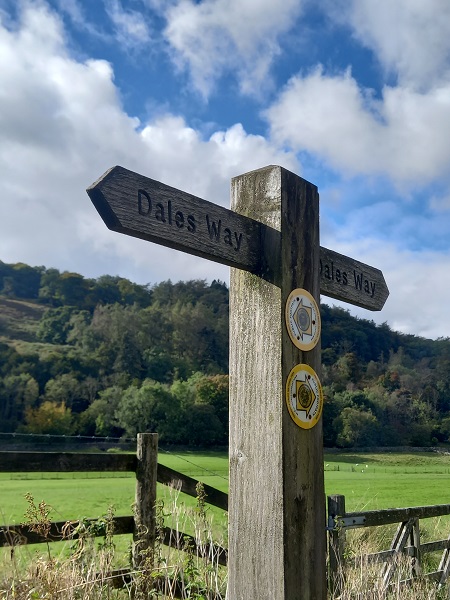
The certified location was on Heber Farm, with some very cute animals and a friendly cat host. As it was very quiet in the out of season October week that I was there I ended up on the farm campsite section, rather than the certified location in another field a few minutes away, so I could be near the facilities. The owners, Gill and Gary, were really welcoming and I loved staying there. Not only was it a fantastic campsite, with a facilities pod, and a few glamping pods as well, it is right on the Dales Way.

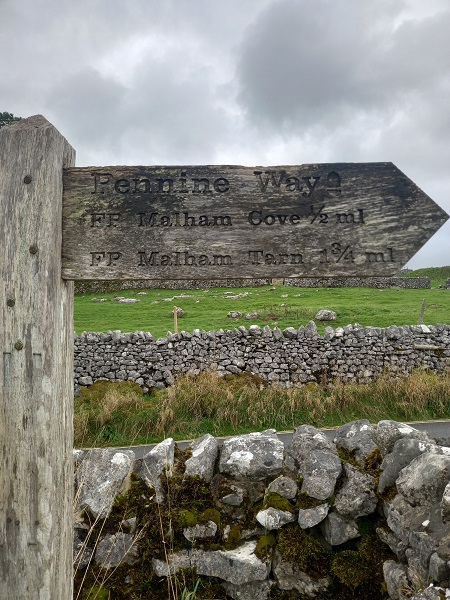
As always it was lovely to meet with other campers, a few walkers and mountain bikers were still around, and I met some lovely fellow outdoor enthusiasts. As I mentioned in my last post, I needed a quiet couple of weeks, and as the weather was variable enjoyed lots of time just reading and stitching my final Christmas ornaments, as well as some walks. I love the walk signs along the routes, both old and new.

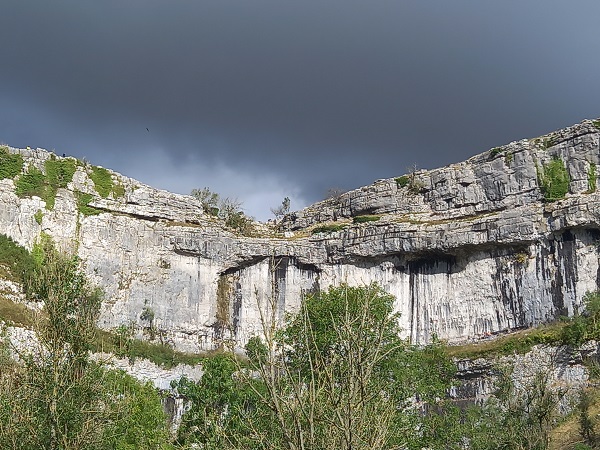
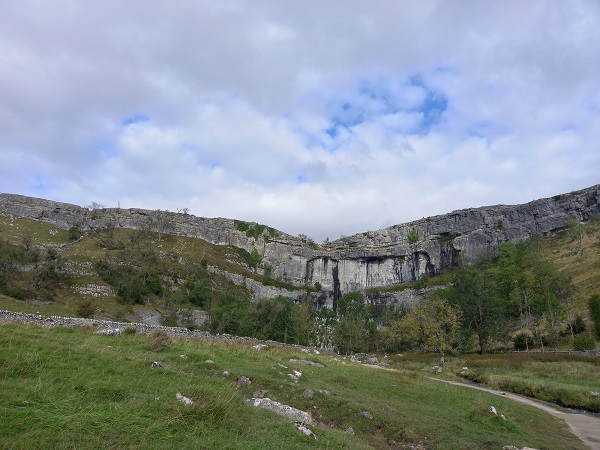
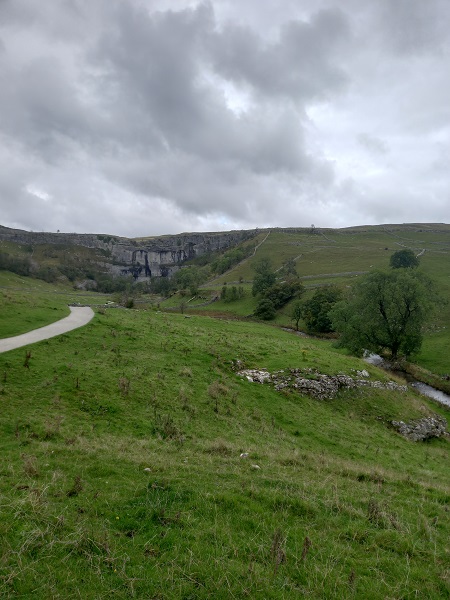
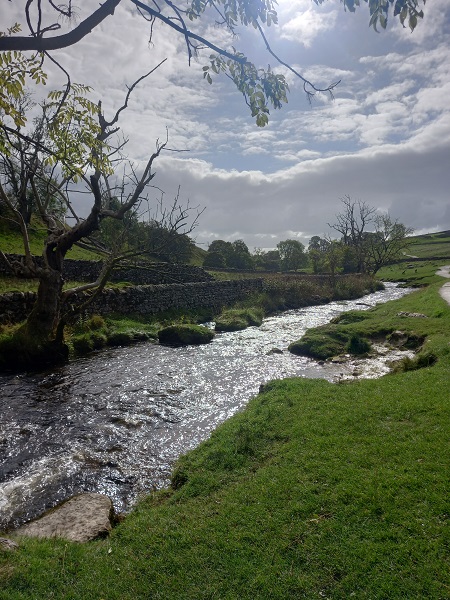
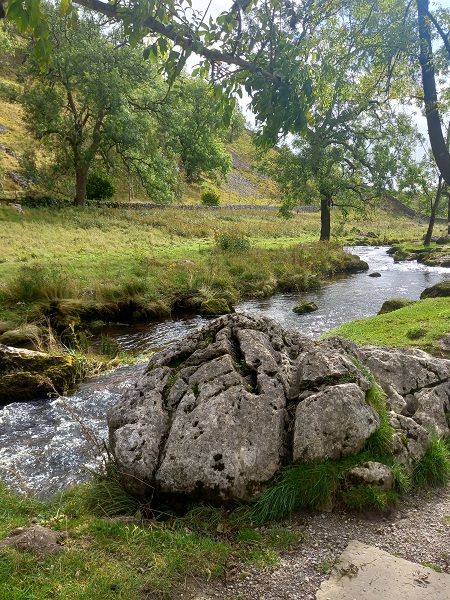
I did go to Malham Cove on a beautiful sunny day, the drive there was so gorgeous and I am getting much more used to single track roads now! By the time I got there it had got a little duller, but I didn’t mind. I spent far too much time taking photos of the clouds, and just watching the weather change. I love the contrasts within a few minutes when you are walking, sparkling water to thundery skies, just magic!

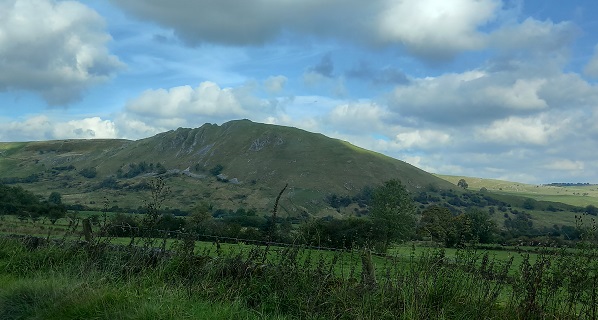
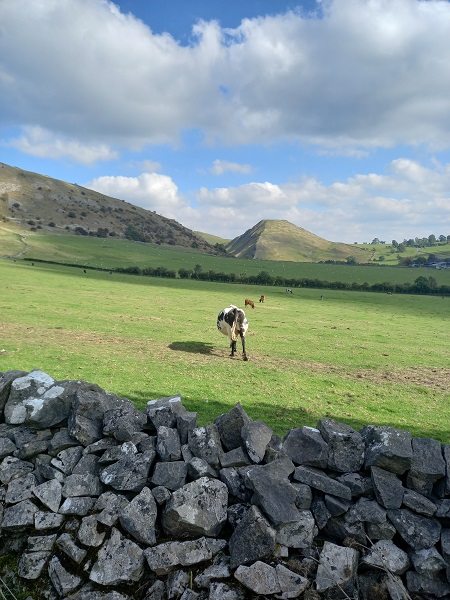
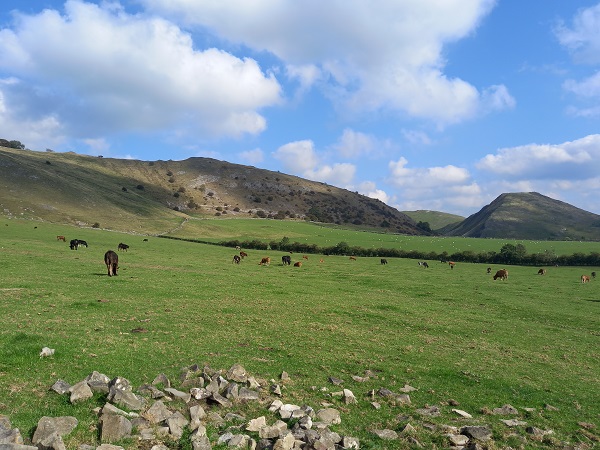
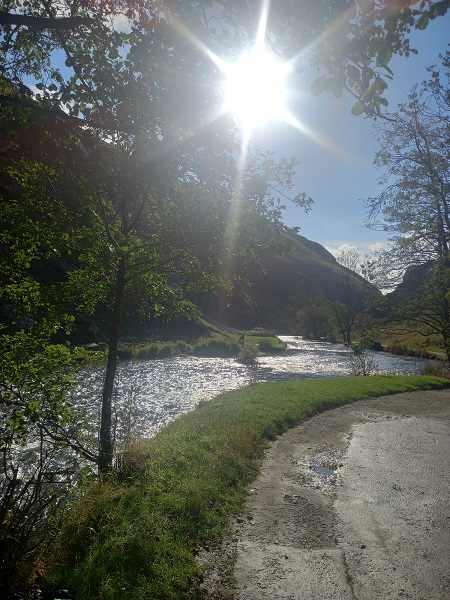
My last site was one of the first that I ever stayed at in 2022, Leek Caravanning and Camping Club. This has to be one of my favourite sites, situated on one of my favourite roads for driving, the A53, from Buxton to Leek. Just stunning views, particularly the first stretch when you can see across to Chrome and Parkhouse Hills, known as the Dragon’s Back due to their unusual shape.

That week was spent looking at the clouds a lot. I remember that this site had the most beautiful clouds and sunsets last time, and it didn’t disappoint this time.

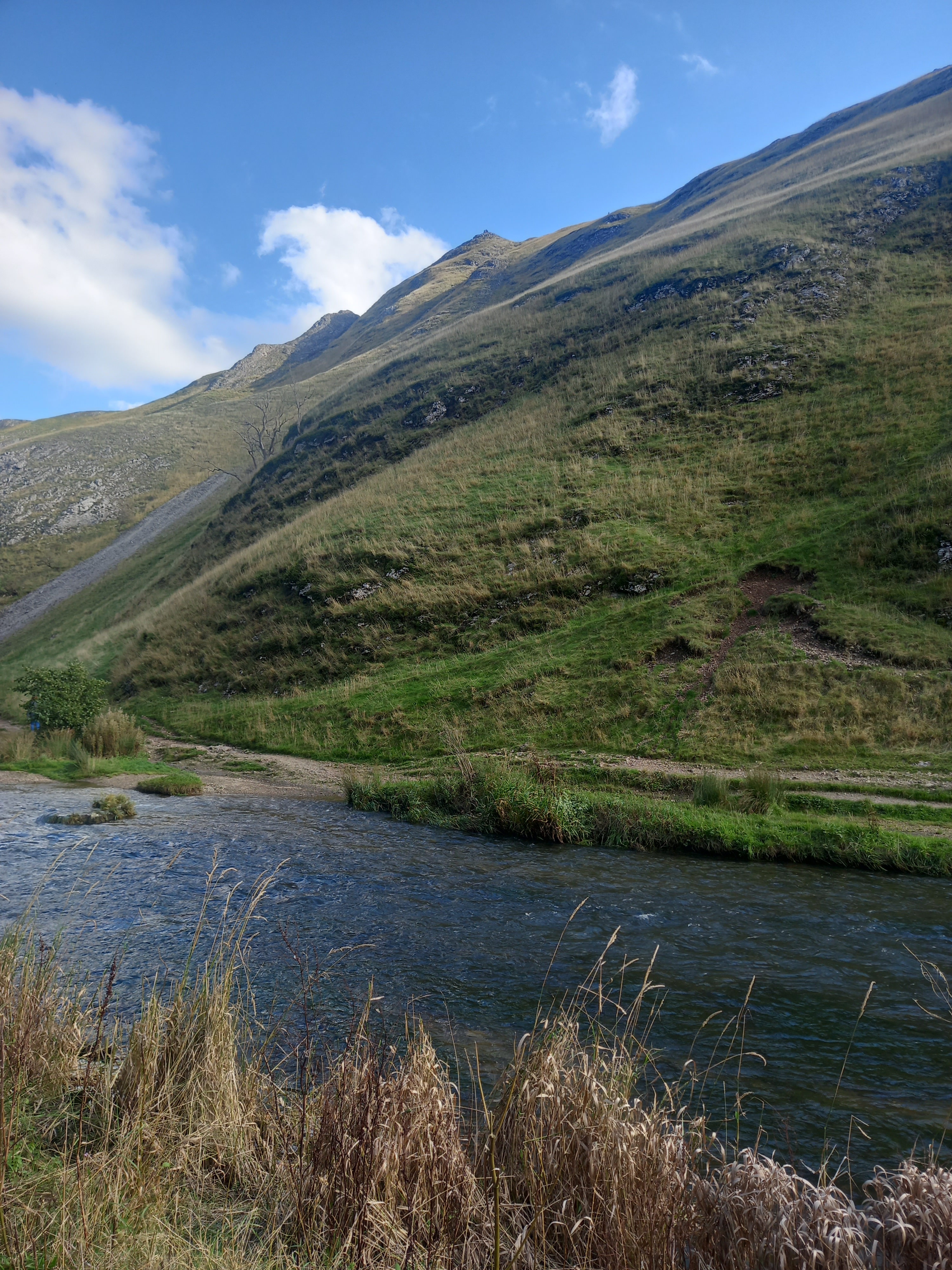
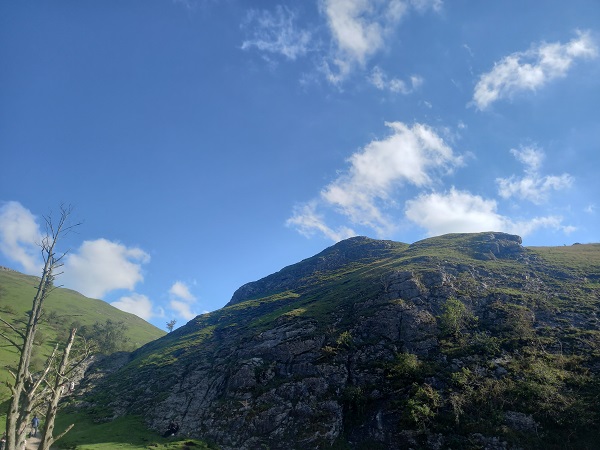
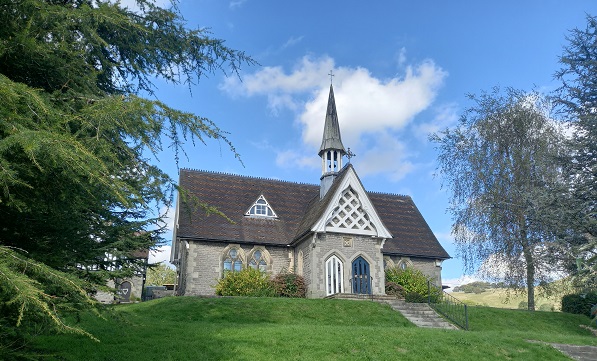
I was able to visit a few of the places that I have had on my wishlist for a while, such as Ilam and Dovedale. It was the most stunning autumn day, really warm and the walk was just brilliant, one my best days of 2024. I was just so happy to have been spending another summer doing what I love, and still enjoying living out of a Renault Kangoo and travelling. I can’t wait to get back to this life in March.

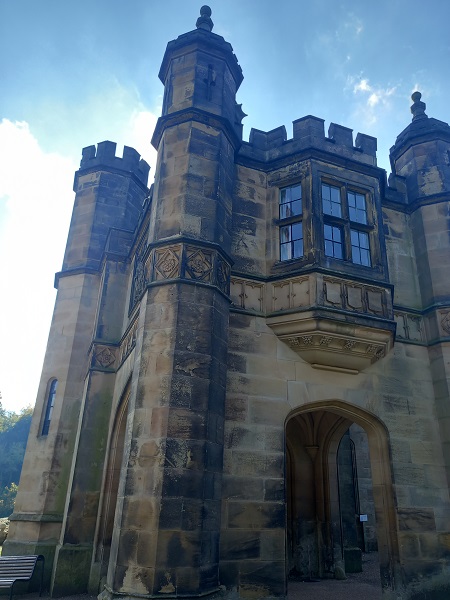
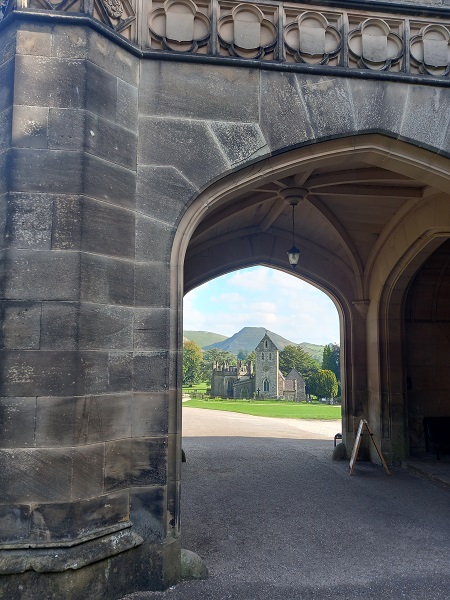
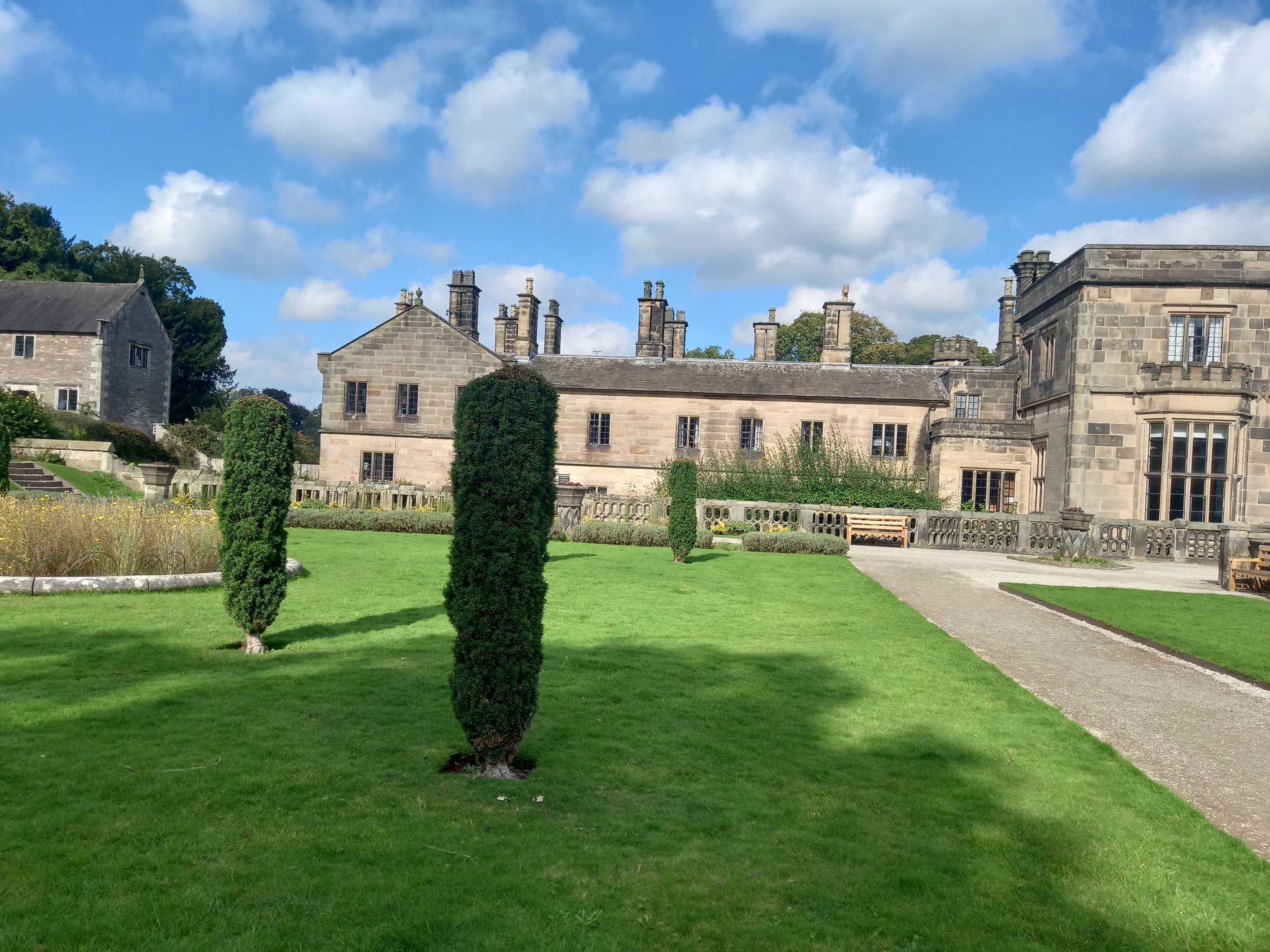
Ilam Hall is now a Youth Hostel, but the grounds are open and there is an excellent National Trust tea room or two, so I treated myself to a cream tea after the hike over to Dovestones.

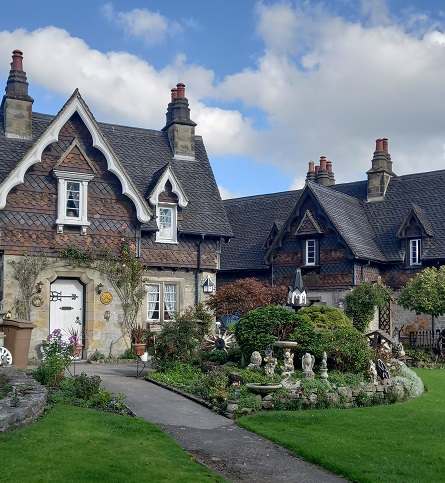
The houses in Ilam village are just gorgeous, it was rebuilt as a model village styling itself on a Swiss village.

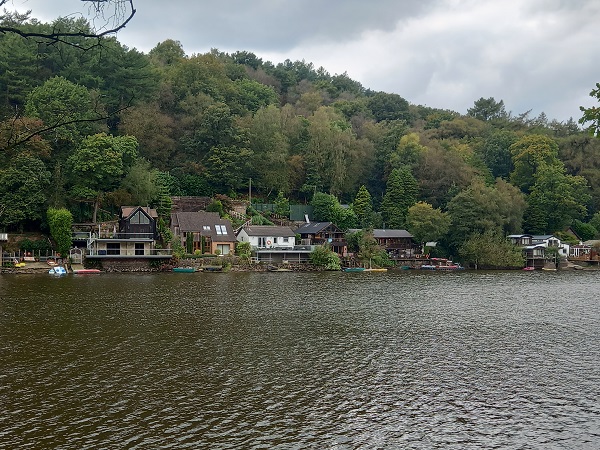
Another trip was to Rudyard Lake. Rudyard Kipling’s parents met there, and so he was named after the location. The lake is a reservoir built to serve the canals, but has been used for pleasure trips since the Victorian era, and there was some really good interpretation about the history, as well as some very friendly squirrels!

I also had a very exciting research trip to the Chatsworth House archives. I had contacted them earlier in the year to see if I could access some diaries that I know Evelyn, Duchess of Devonshire, the last owner of Hardwick Hall, kept when she was restoring the tapestries. I was told I wasn’t able to access the diaries, due to the 100 year privacy rule, but there was a small notebook they had listed detailing some of her textiles.

When I got there I was told that when they opened the archive box with the notebook in, they found two folders that they hadn’t known about. They were full of Evelyn’s notes about her restoration work at Hardwick, detailing visits from museum conservators, and the compromises that she was having to make trying to care for all the textiles there with little money.

It was absolutely amazing, and the best thing was that it fits perfectly into the timeline I am writing about. It was such a magical moment, and I am so thrilled that I found them. I haven’t done much writing recently but hopefully can catch up over the next couple of months with some writing retreats whilst travelling.

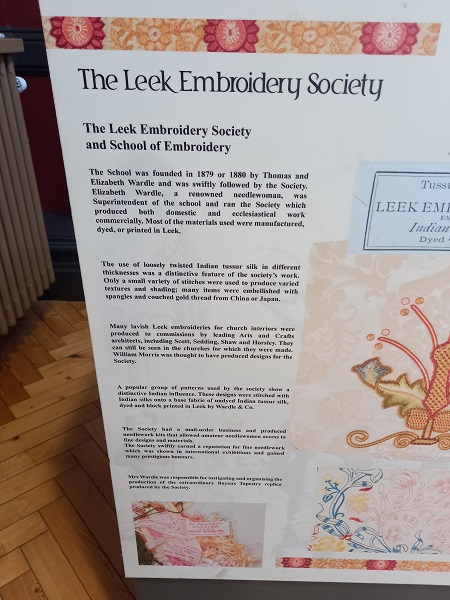
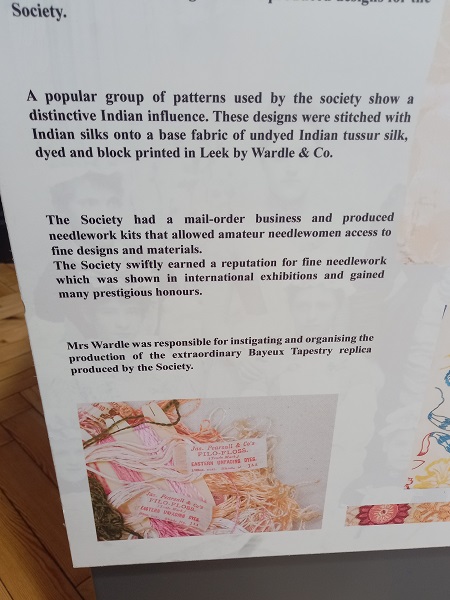
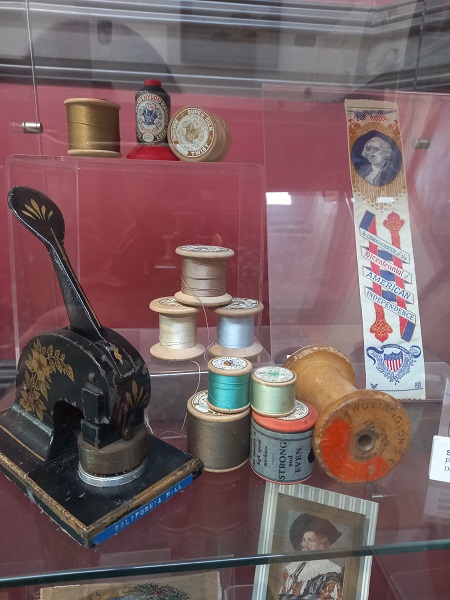
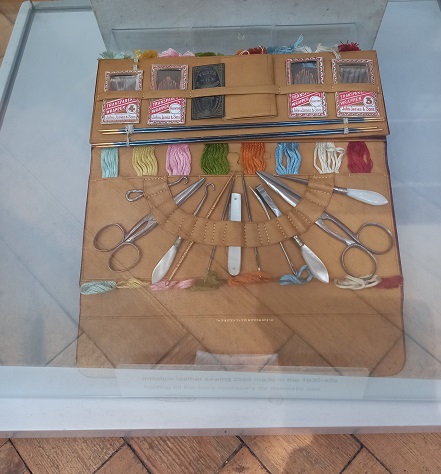
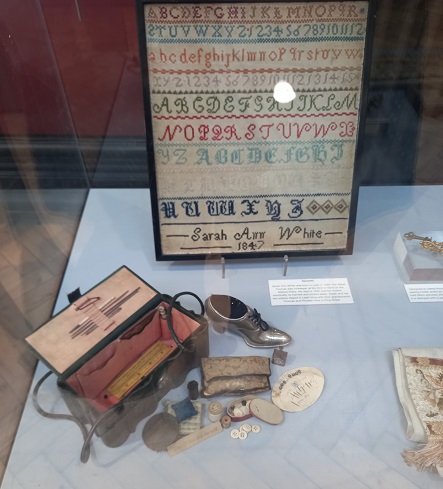
My final trip that week was into the town of Leek, as I had spotted that the local museum had an embroidery exhibition. Although only small, it was a fascinating display. Leek was at one point famous for silk production, like its neighbour Macclesfield. There were many silk mills in the town, and the wife of the owner of one of them, Elizabeth Wardle, as well as being the mother of 14 children, 9 of whom survived infancy, also set up the Leek Embroidery Society.

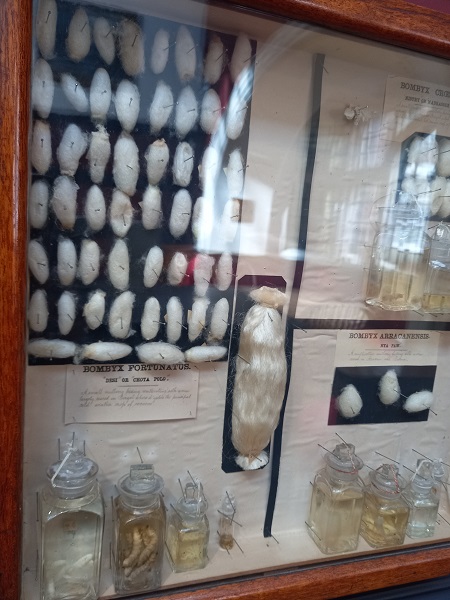
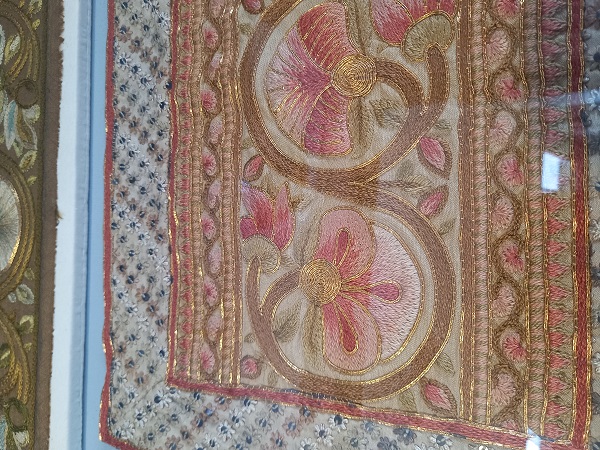
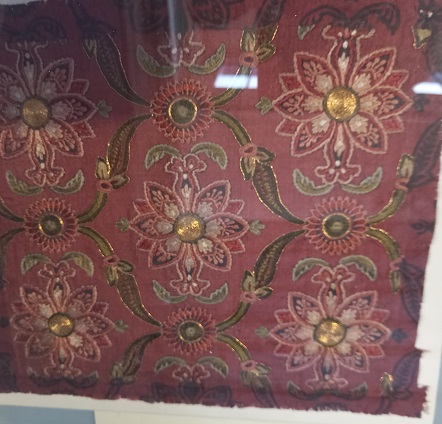
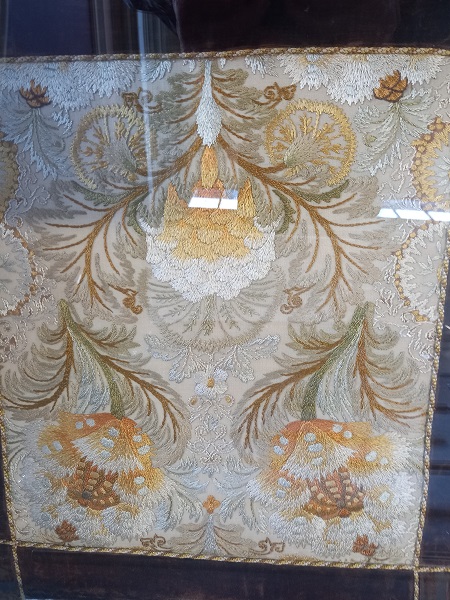
The organisation produced embroidery for clients, and designed and sold kits. They had some examples of the work, which was stunning, excuse the reflections from the glass cases.

The Leek silk mills specialised in the production of Tusser silk, which is made from the cocoons of the moths, and is a much coarser silk. It was a really fascinating display, and the museum is well a worth a visit, for that and its other textile treasures.

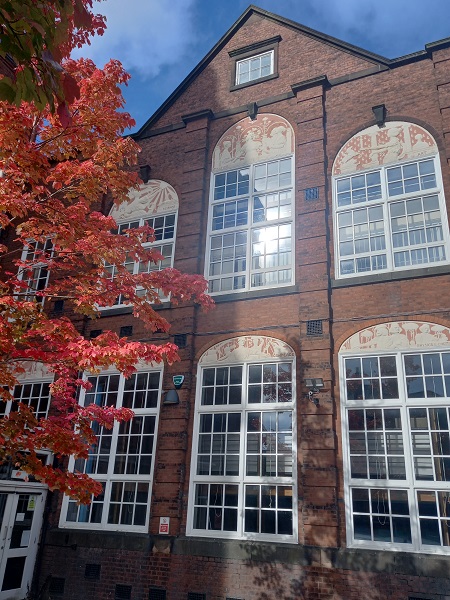
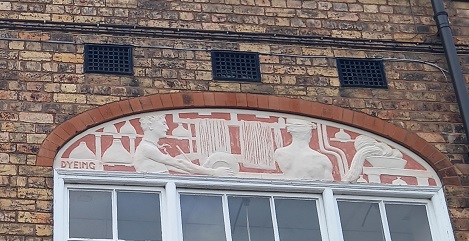
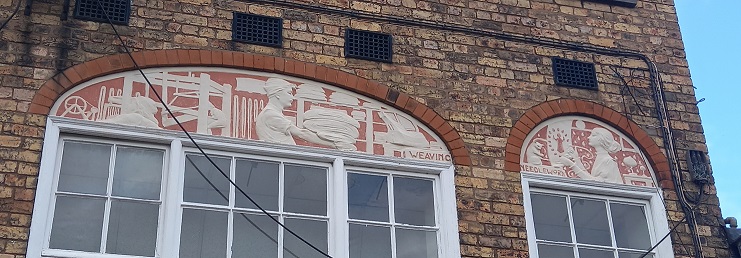
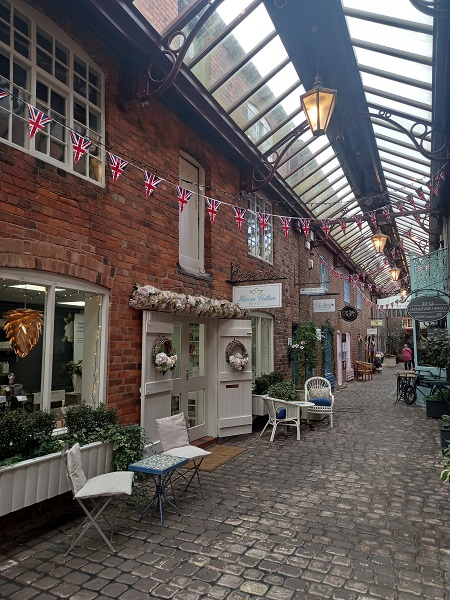
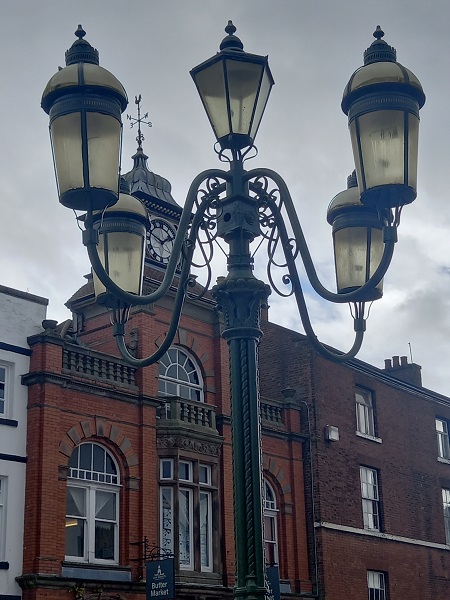
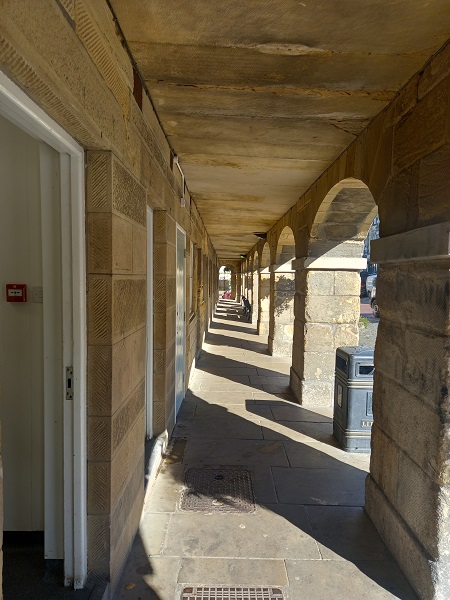
There was also an architectural trail through the town, celebrating the Victorian heritage of buildings such as the Nicholson Institute. This was built to house a library, and training school for textile workers, with friezes above the windows celebrating the various skills. The town has links with William Morris, who worked with many local mill owners. One of the original rows of weavers’ cottages has been turned into a covered arcade with craft shops, cafes and galleries. A really lovely textile filled afternoon.

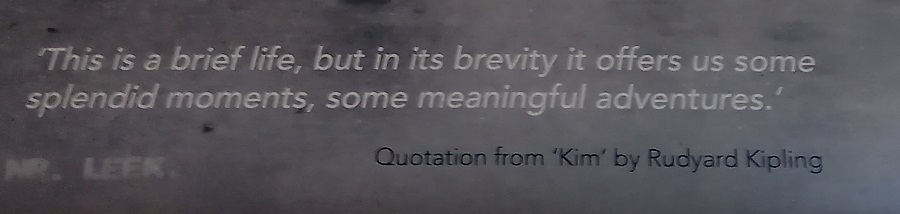
I will leave you with a quote from one of the displays at Rudyard Lake. One of my favourite poems is by Rudyard Kipling, and it is one which has inspired my love of travel and meeting people from other cultures. It is called, ‘In the Neolithic Age’, and contains the lines, ‘Still the world is wondrous large, seven seas from marge to marge, and it holds a vast of various kinds of man. And the wildest dreams of Kew, are the facts of Kathmandu, and the crimes of Clapham chaste in Martaban.’ I remember having that on my bedroom wall, and vowing that one day I would visit those places. Not got to Martaban, which is in Mayanmar, yet, but maybe someday.

This quote really sums up the way I live my life now. I am so looking forward to more adventures in 2025, the first of which start next week. I am going to visit somewhere that has been on my wish list for a very long time, and am very excited to tell you all about it. There will be mountains, sea, and definitely textiles, which I know doesn’t narrow it down much for me, but all will be revealed in a couple of weeks 😉

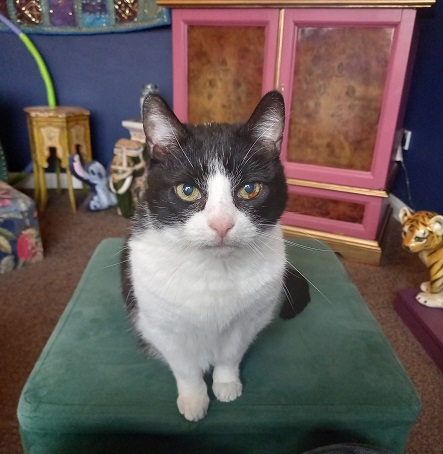
Meanwhile I am finishing my second cat sit of the year, poor Dave the cat has been desperate to sit on my lap this afternoon, and keeps giving me upset stares, so will have to go and give him a cuddle now.

See you all again soon. Until then have fun, take care, stay safe and thanks for visiting.

Stepping back in time

One of the things that I spend a lot of time doing when visiting historic houses is to imagine how it must have actually been to live there, without the National Trust interpretation, the carefully staged rooms, and the guided routes around the house. Occasionally there are glimpses of the reality of living in a house that is too big, and too costly to heat properly, or be comfortable, as there was at Chastleton, where I visited in May.

It is more difficult to envisage how ordinary people lived though. The social history museums, such as those that I visited in the Cairngorms this summer, and in Norwich last year. Books help as well, and I love reading biography, and social history research. However these sources only give a selection of what has been kept or remembered.

One of the reasons that I wanted to go back to Northumberland on my trip this summer was to do some more research for my novel. I am so enjoying the process of writing this, along with bits of the others, and I love being able to research things. It is nice to know that those eight years of work on the doctorate have not gone to waste! I am writing my historical character’s timeline now, and am trying to spend a lot of time thinking about how her life would have been, and how she would feel.

Even though I have been to Alnwick before, it was a few years ago, and was more of a tourist trip, so this time I went as a researcher. I went first to the local library, and although they have no archives, they were able to give me access to the British Newspaper Archives, a source I have used briefly before. It was a really productive hour there, and I have managed to get a lot of factual detail that I needed. Later in the summer I also had another brilliant research trip, but that is for another post!

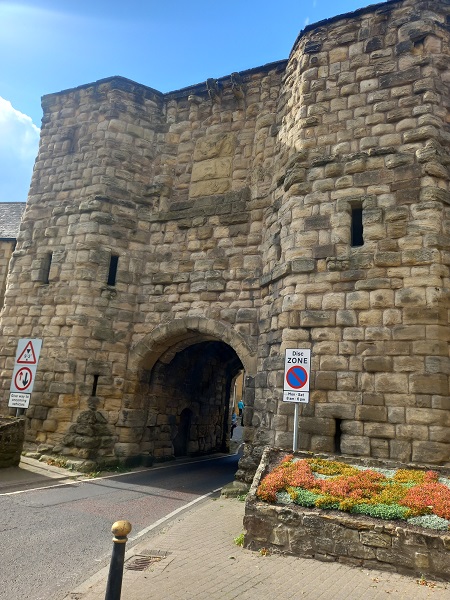
A wander round the town was also useful, thinking about how Dora, my character would have experienced the town in 1947. Would the horse trough and water fountain still be in use? Would there be the same traffic signs outside the town gate? What would she have thought of the street names, Bondgate Within, and Bondgate Without? I know I don’t have to go into too much detail in the book, however the amateur historian and ex-academic in me wants to get all of the details right. Also I am very much enjoying the process.

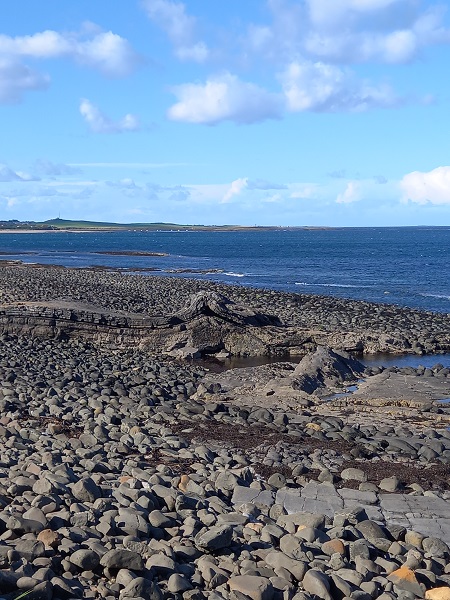
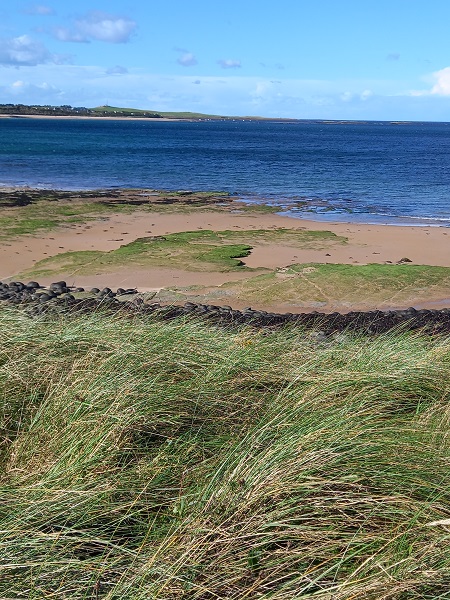
I stayed at Dunstan Hill campsite, only a short walk from the coastal path, and was lucky enough to have amazing weather. This is such a beautiful part of the country, with so many castles and remnants of early history, such as the development of Christianity, and the invasion of the Vikings. It is definitely an area I want to spend more time in.

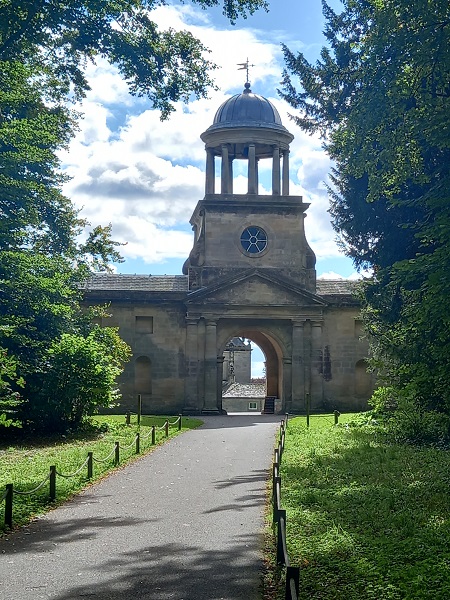
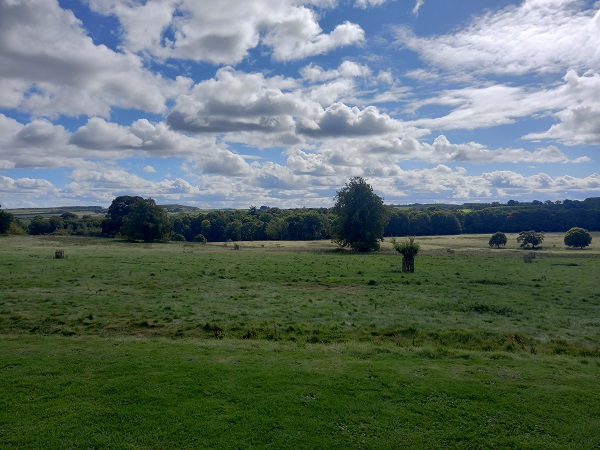
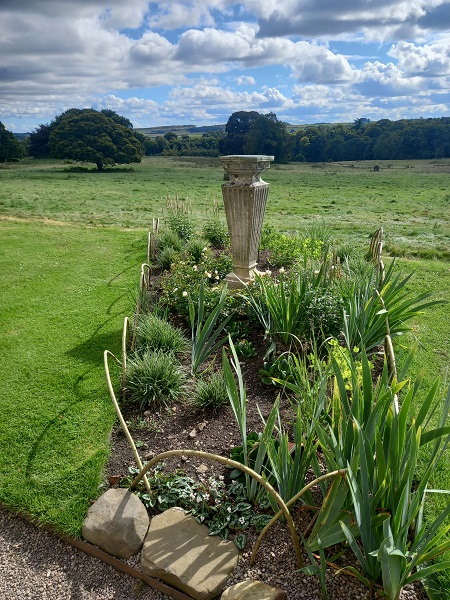
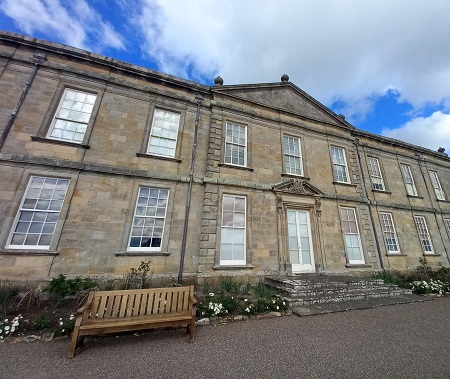
On the way back down south I stopped in at Wallington, which has a gorgeous rural setting.

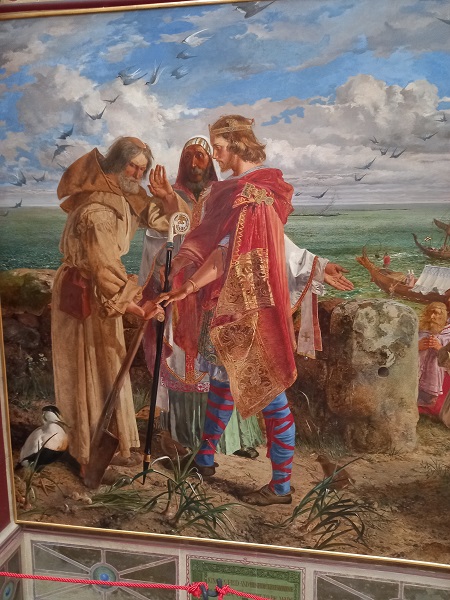
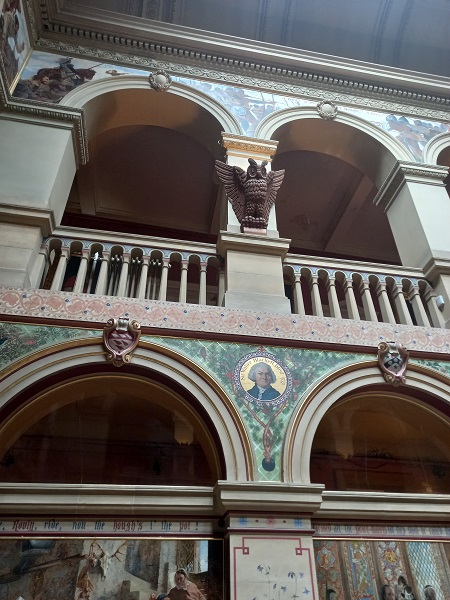
The interior decoration was very impressive as well. This is the unfinished painted central hall, with panels that tell the story of the local area, from the early kings of Northumbria to the industrial boom. The paintings were truly stunning in their detail.

There was also one of the largest pieces of personal needlework that I have ever come across. This panel is embroidery, not woven, and was done over 23 years by Mary Trevelyan, for her husband. It is an amazing piece of work, and I would love to know more about it. 23 years is such a long time to stitch a piece, and I wonder if she worked on it every day, or set it aside at times?

Life here in Spain continues to be very busy and fun. I have been doing a lot of planning for next year, and hope that everything that I want to do comes to fruition. I only have a month left here before my return to the UK, and am frantically trying to get all my sewing projects completed!

I am still very much enjoying making couture for my Barbies, but have other practical things that need to be made for next year’s camping season as well. I hope that you are all busy and happy, and looking forward to the festive season if you celebrate. I have two more stitched ornaments to go, and then on to the ones for 2025!

I missed my blogaversary again this year, but it has been 17 years, (and one week!) of writing here at Stitches of Time. This is my 996th post, so I will have to do something special for the 1000th, which should happen in the new year. I currently have 449 subscribers, and about 200 people visit every week. So huge thanks to all of you for following along, however long you have been here. Whatever you are doing have fun, take care, stay safe and thanks for visiting.

Skill and scale

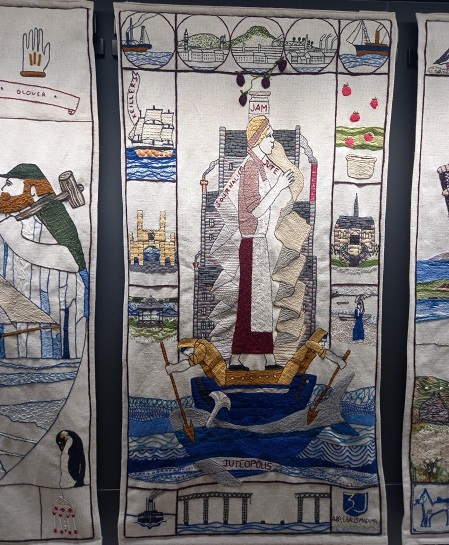
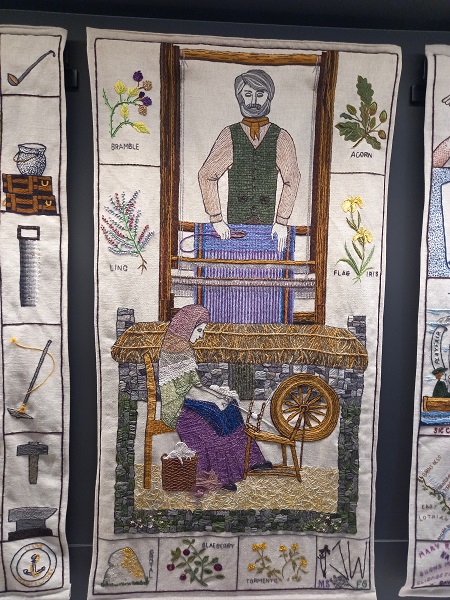
The textile treasure that was my last trip out in Scotland was The Great Tapestry of Scotland, now sited in Galashiels, about an hour away from my Dunbar campsite, a beautiful drive through pine forests and small towns. I hadn’t actually heard of the tapestry before, although it was completed in 2013, but found it by accident while looking for something else on Google Maps. Much of my planning is like that, either I just explore an area to visit on Google maps and pin things in advance, or I am inspired by other’s posts on Instagram.

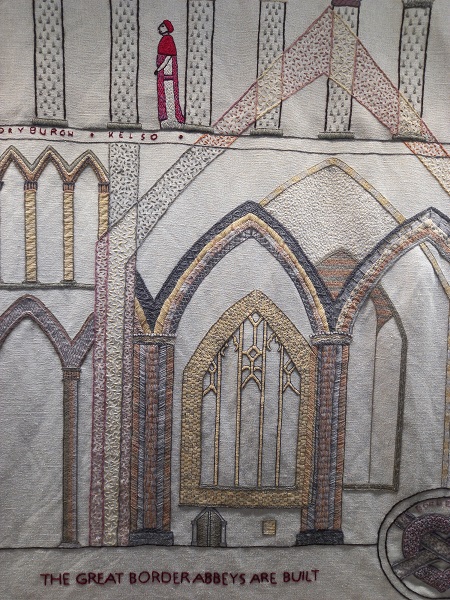
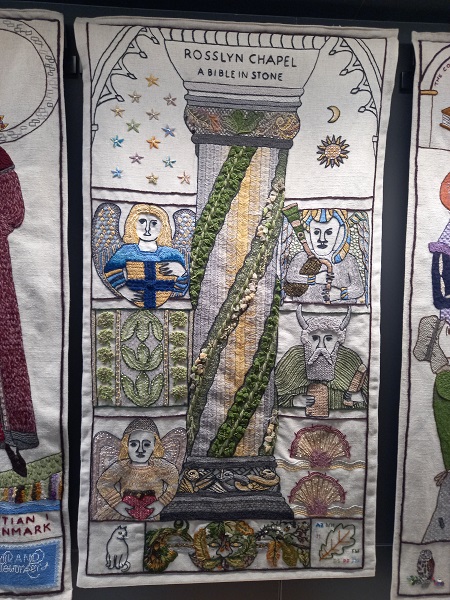
Although the tapestry was completed in 2013, it went on tour, and so was not in its present location, in a purpose built exhibition centre, until 2021. It is also not a tapestry, but in the great tradition of other tapestries, such as the famous Bayeux one, it is referred to as a tapestry, rather than a crewel work embroidery. I like to think that is has all the elements of a tapestry, as it is a textile based weaving in of Scotland’s history, told over 160 stitched panels, all created by over 1,000 volunteer stitchers, whose names are recorded at the entrance to the exhibition.

As I was going through the very many photos I took, trying to edit them down for this post, and trying to think of what title I would give it, the words, ‘skill and scale’, came into my mind. The sheer scale of this community stitching project is immense, as those 1,000 stitchers came from all across Scotland, some working in groups, and some alone. Therefore there was a huge logistical task in sending out all the materials for each panel, and in passing the work between stitchers.

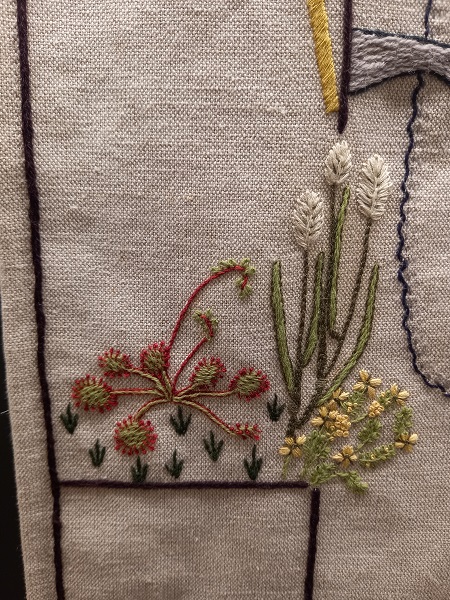
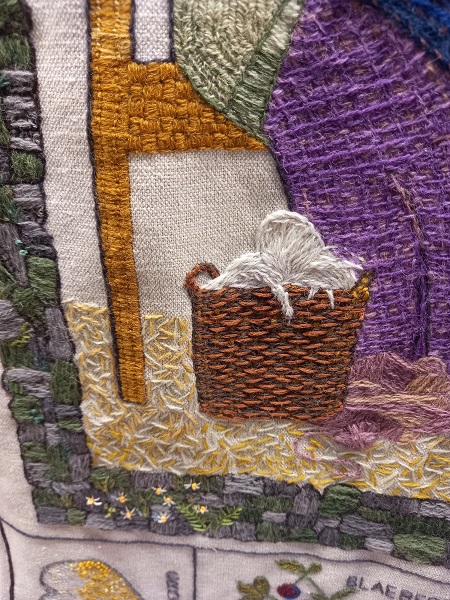
Not all of the stitchers were experienced, so many had to learn new skills. Some were very used to other methods of working, such as cross stitch, or silk embroidery, but not to crewel work, done in wool on linen. Although the stitchers were given panels that already had the outline drawings, done by community artist Andrew Crummy, they had to decide how to fill in the blanks and interpret flowers, natural landscapes, fish, horse armour and stone work, as well as a wide variety of textiles.

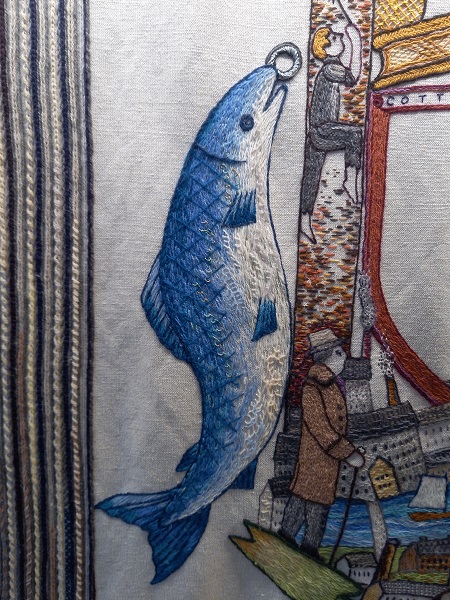
I love this stitched fish, such amazing detail and colour.

I also got to see my only red squirrels in all seven weeks in Scotland! Despite my best efforts, and many visits to pine forests, they kept eluding me.

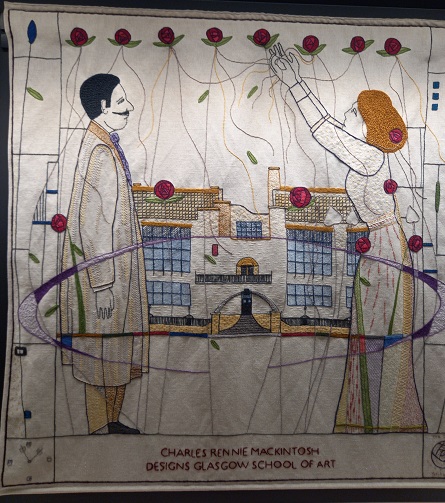
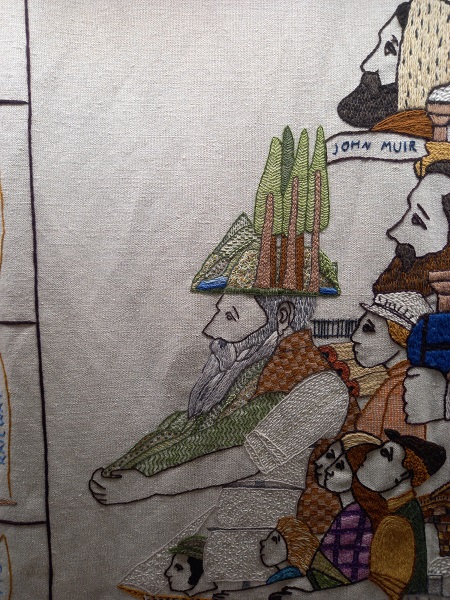
I have selected a few panels to share with you, there are so many I just didn’t have space to include, and also I would strongly encourage you to go and see it for yourself, it is amazing. It was lovely for me to see things represented that I already knew about, places that I had visited, such as Rennie Mackintosh’s design work, and John Muir.

I was also amused to see a panel representing the start of the Ordnance Survey mapping, which was inspired by the army’s need to find the fleeing Scots after the Jacobite Rebellion. Some years ago I read, and thoroughly enjoyed, (much to my children’s bewilderment), the story of how the Ordnance Survey map was created, written by Rachel Hewitt.

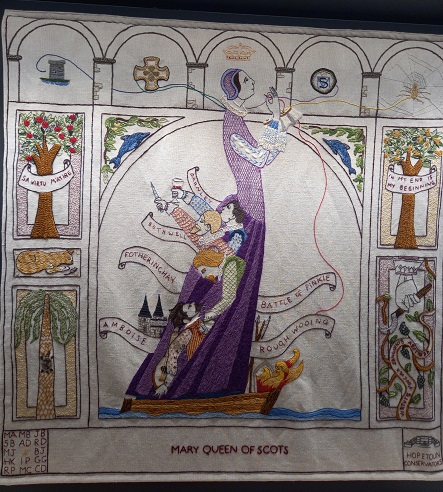
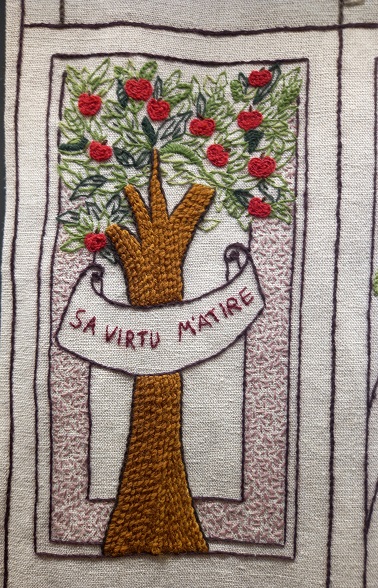
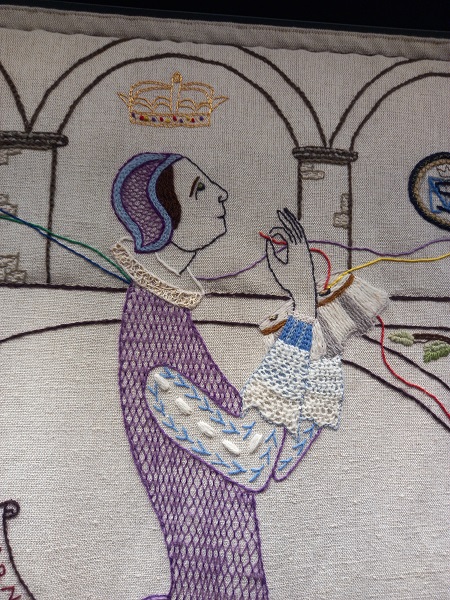
There was of course a panel on Mary, Queen of Scots, my ever present muse. What I particularly loved about her panel was that she is portrayed with her stitching, and in the borders are many of the pieces she stitched while with Bess of Hardwick.

Some of these are said to have hidden meanings, such as the cat and mouse picture, which is said to portray Elizabeth 1st as a ginger cat, toying with poor Mary mouse while she decides what her fate will be.

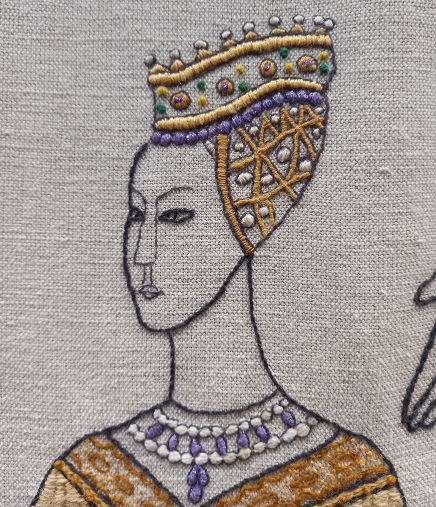
There were also representations of other royalty, and I loved the skills of the stitchers at representing them and their clothes with such detail.

There were also some beautiful panels on natural history, and early archaeological finds.

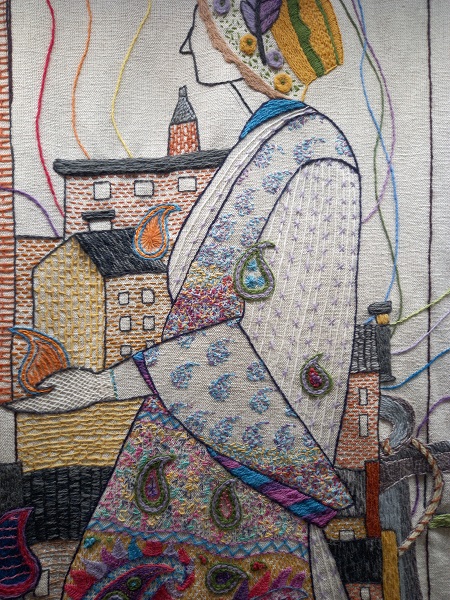
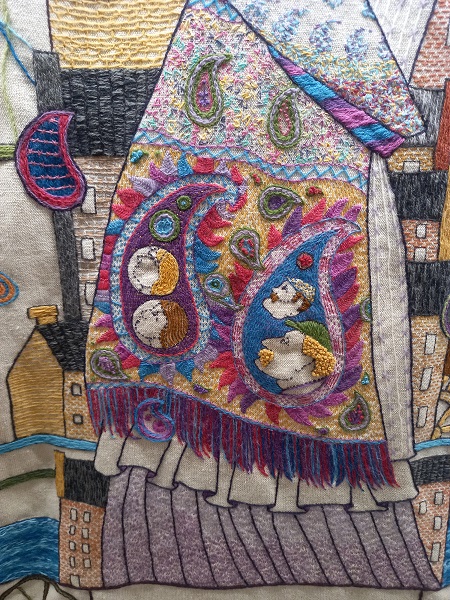
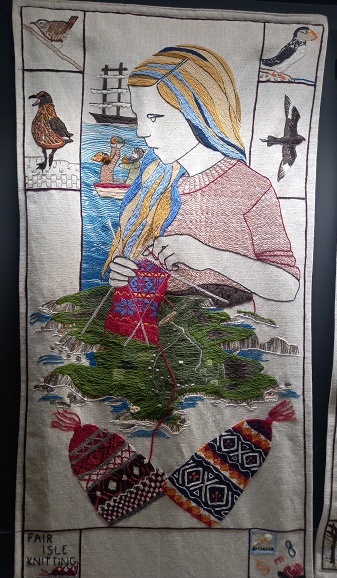
My favourite panels were the ones representing Scotland’s textile heritage, a dazzling array of different embroidery techniques used to portray the weaving, knitting, production of Paisley shawls, and Fair Isle jumpers. The skills of the stitchers in these panels are astounding.

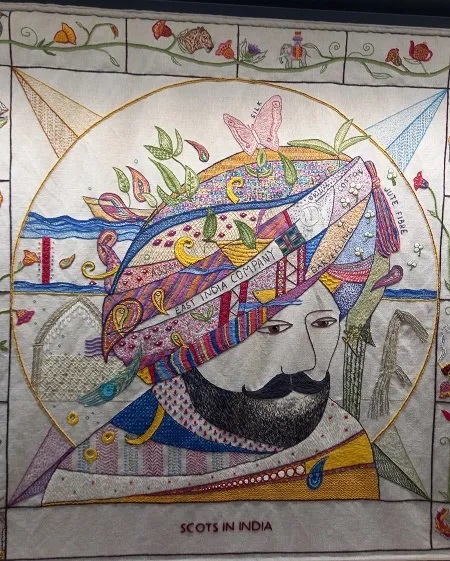
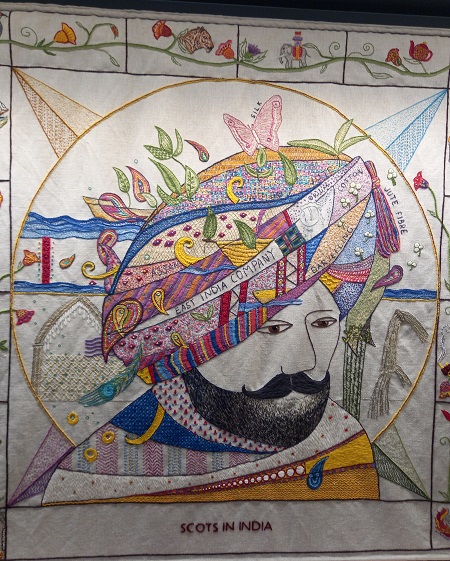
I also loved the different design elements, in representing complex themes, such as Scotland’s involvement in India. This panel is such a beautiful piece of art.

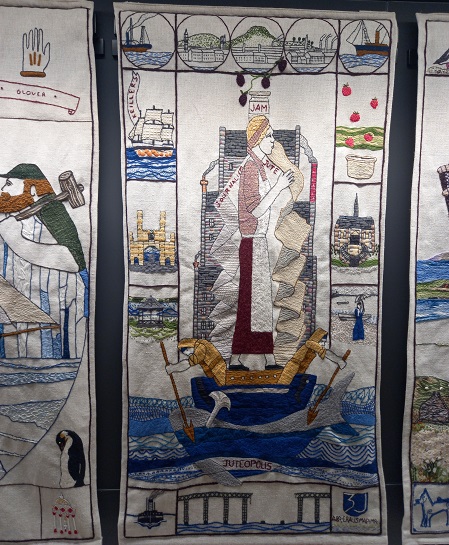
I had visited my friends who moved to near Dundee earlier in the trip, and they told me all about the 3 Js that Dundee is famous for, journalism, jute and jam.

I haven’t done any embroidery for a long time, but this exhibition has definitely inspired me. I bought the book about the making of the panels as well, and loved reading about all the people involved. It just spoke so much to me, and it is brilliant knowing that their names are recorded. Thank you to all involved, it is an amazing piece of textile art.

By coincidence I have just finished reading a book that I have had on my shelf for a long time, by an author who writes so wonderful about historic textiles. This is the fictionalised account of how one of my favourite actual tapestries, The Lady and The Unicorn series, was made, and is an excellent read if you like lots of detail about historical textiles, as you know I do. I have yet to visit the tapestries in real life, however the book brought back lots of memories of my visit to Abusson in France in May, a great centre of tapestry making, and an excellent museum.

Although there has been no embroidery done here, there has been a whole week of intensive work in the atelier, and I am pleased to report that six couture outfits have been made for Barbie. I have so enjoyed this, despite the odd complexity of working at that scale, and have definitely developed my skills this week.

I will post about them next, before I return to telling you about the English part of the summer travels and our recent trips. We have been very fortunate to avoid the worst of the storms and floods, but as you may know, there has been dreadful devastation and loss of life in Spain, so the local communities here have been trying to help out with donations.

I hope that you are all ok wherever you are, and enjoying life. I will be back as soon as possible, in between my hectic creating schedule 😉 Why does Christmas always seem to come a month too soon, even though I start stitching for it in January?

Have fun, take care, stay safe and thanks for visiting.

Time travelling with textiles

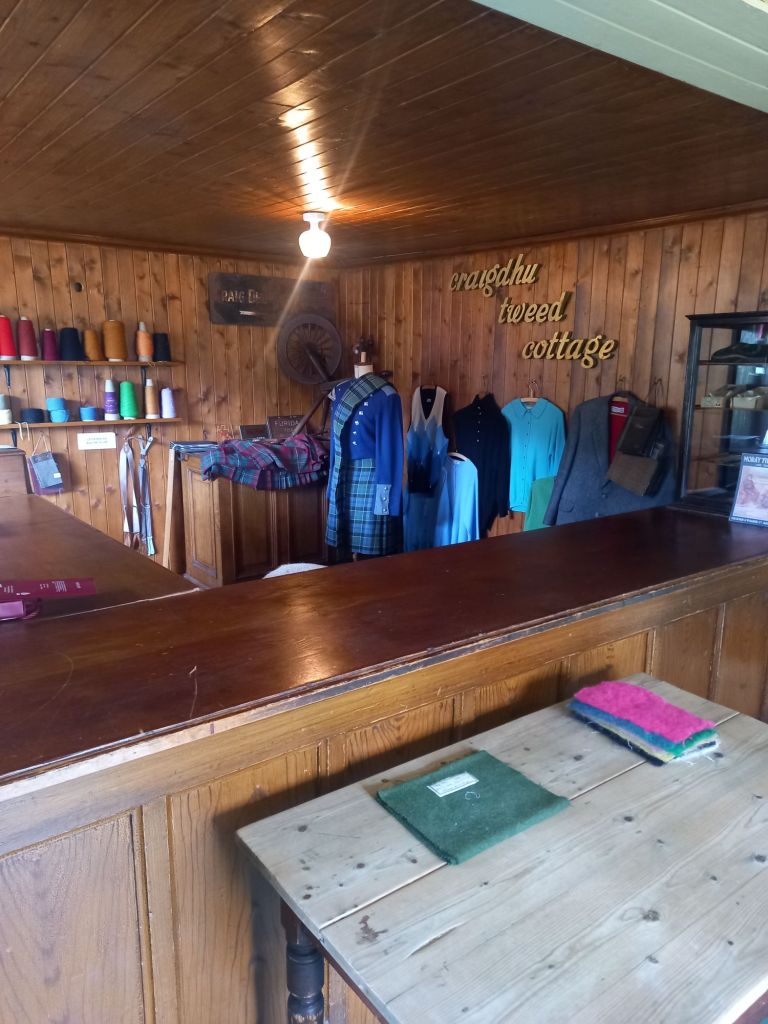
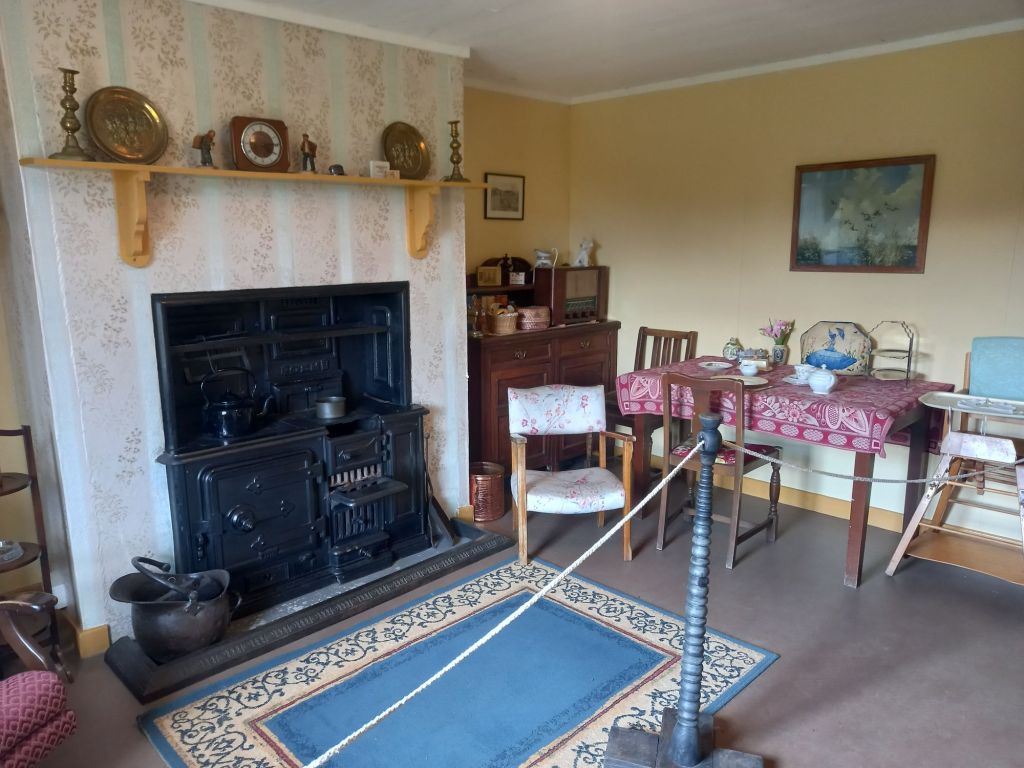
For me, one of the most exciting things about my recent visit to the Highland Life Folk Museum was the way that the textile heritage of the area was represented.

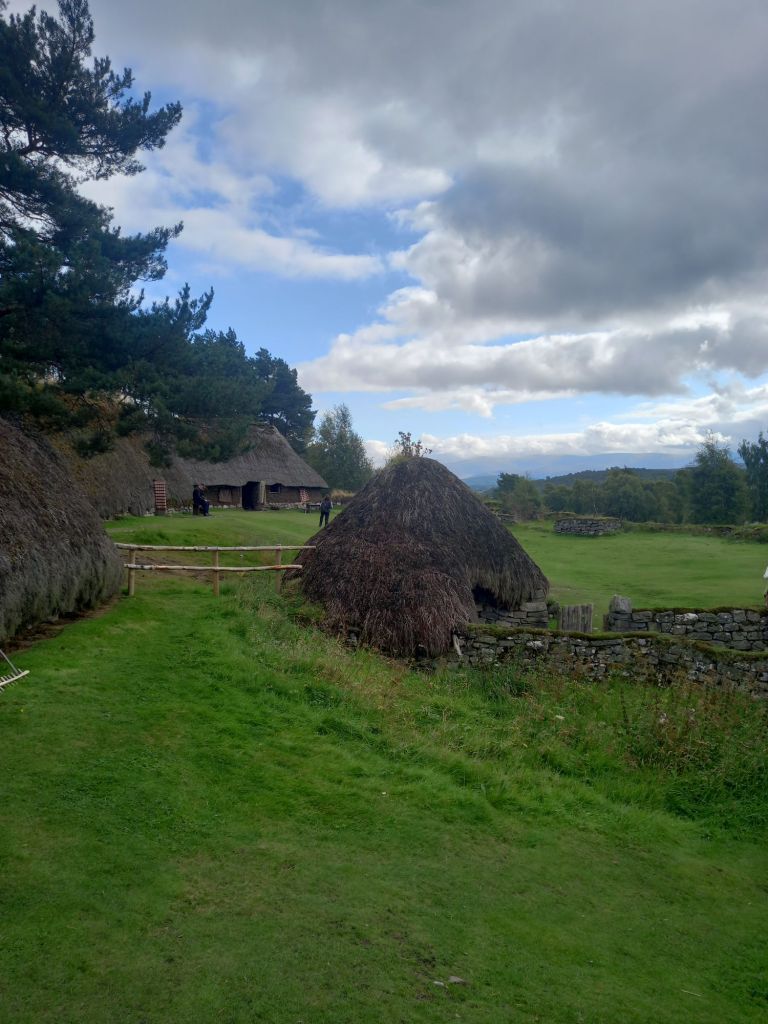
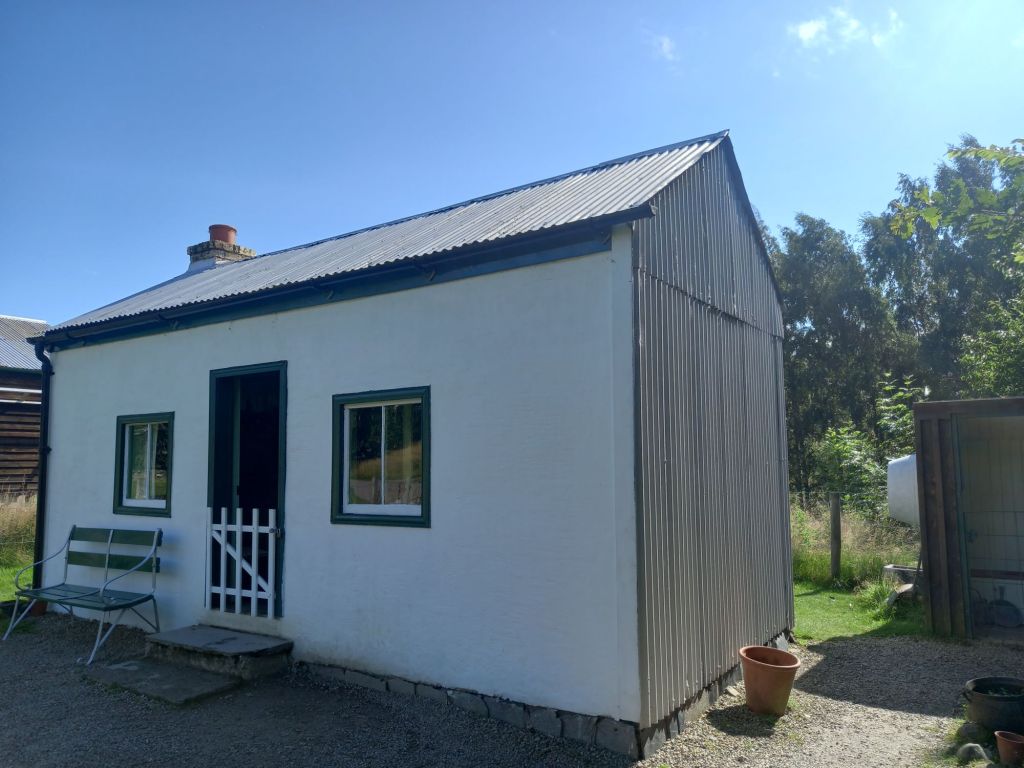
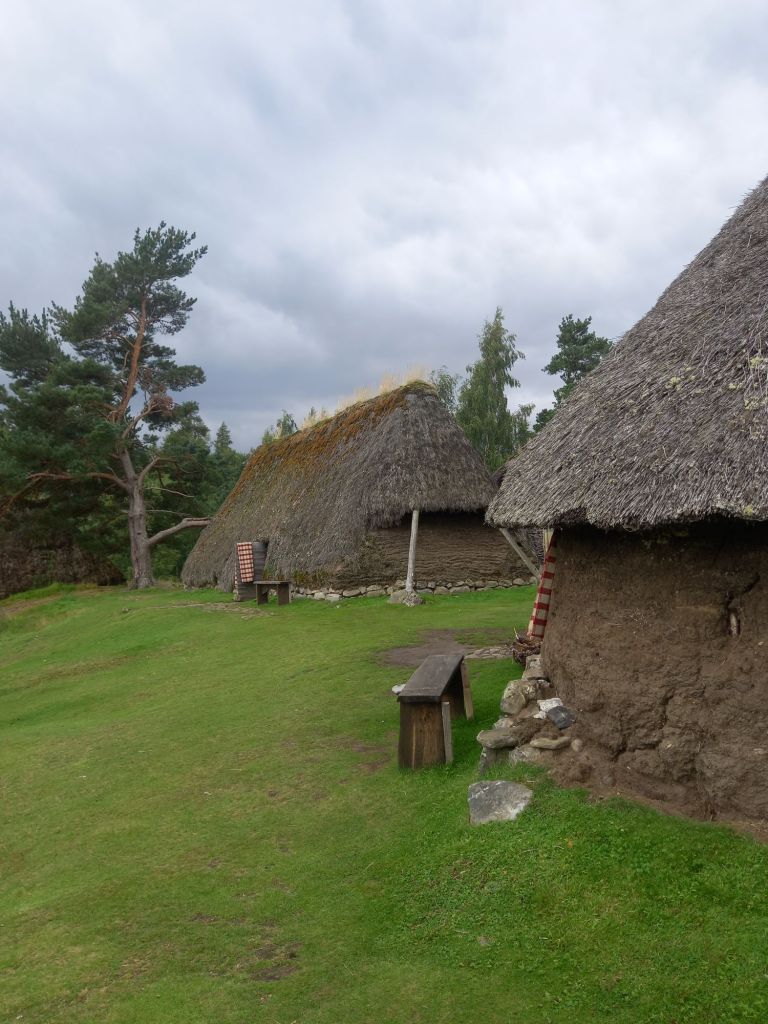
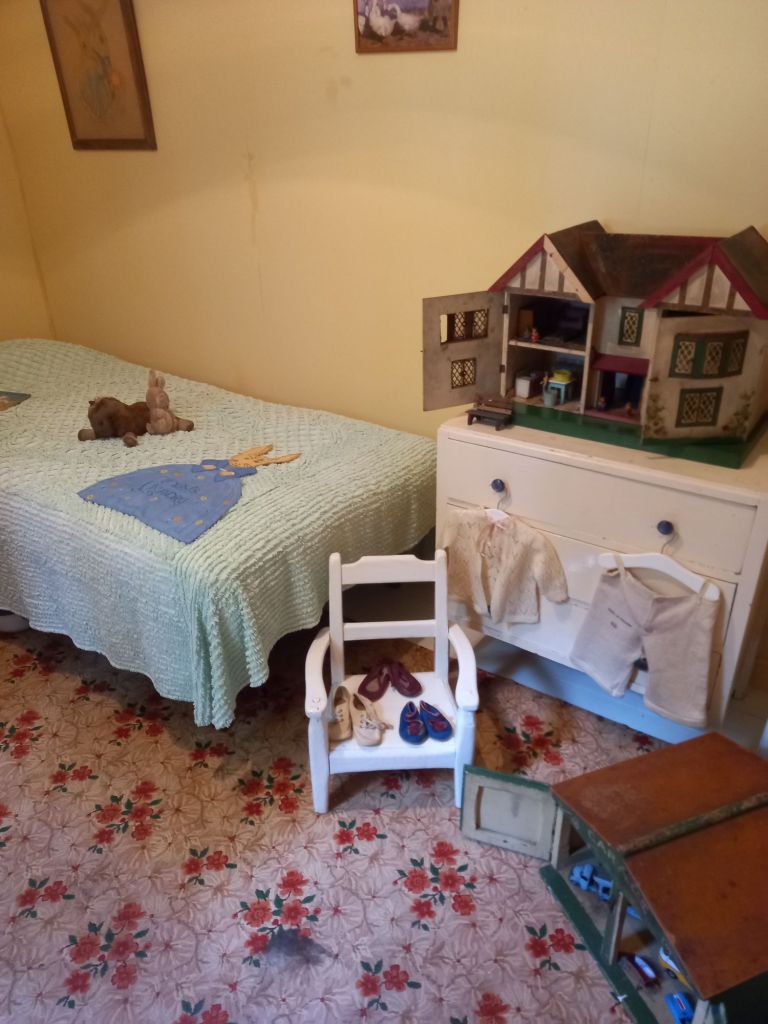
The museum extends for about a mile, and consists of a reconstruction of a 1730s township, and then existing buildings dating from the 1800s to the 1940s that have been moved and rebuilt.

This means that unlike a standard museum, or a Trust property, the houses and contents are a snapshot of one particular period, rather than an accumulation of artifacts over the family’s ownership of the house.

I’m not sure if all of the textiles in each house originally belonged to it  but each gives a unique insight into the life, and textiles of the era.

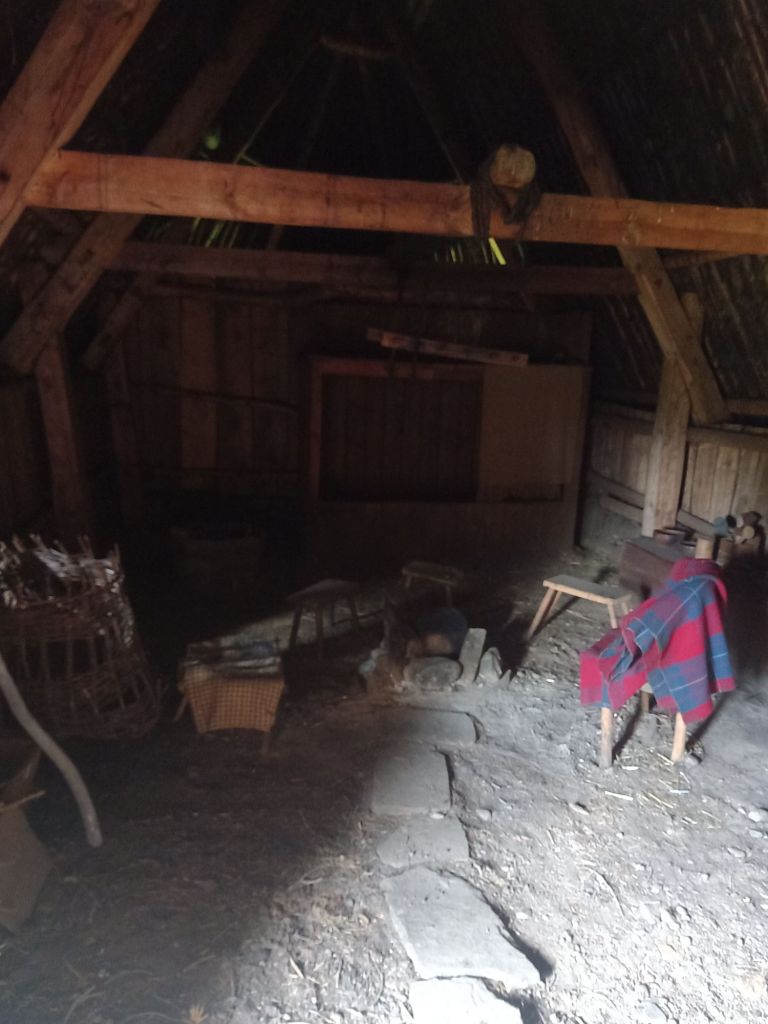
I have talked before about the importance of textiles in portraying aspects of daily life, and it is really obvious here. The 1730s houses are about survival, keeping the people, and animals who shared them, safe and warm, especially in the winter days.

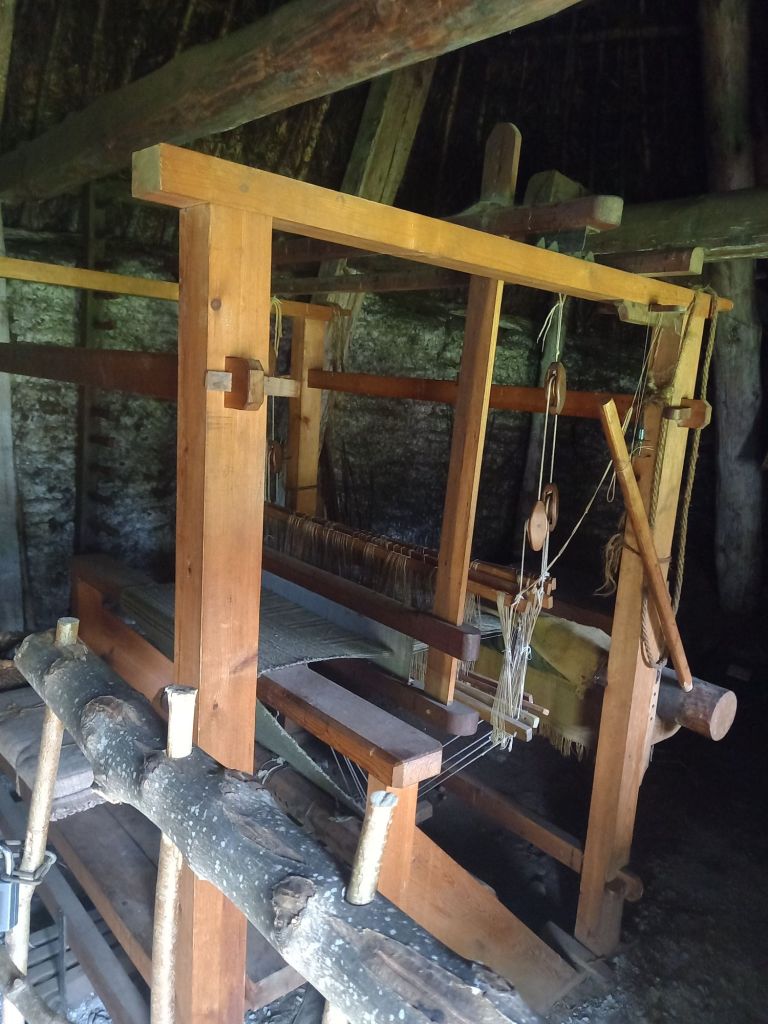
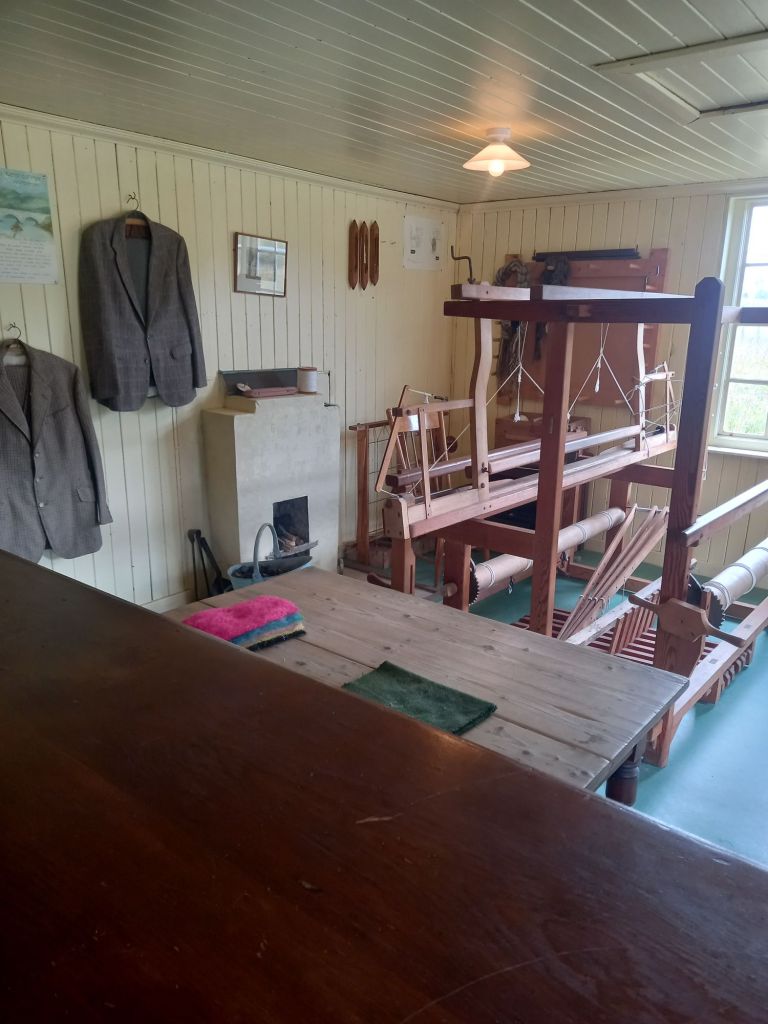
Textiles here are functional, spinning and weaving them yourself the only way to get them, and a continual set of tasks within the community. 

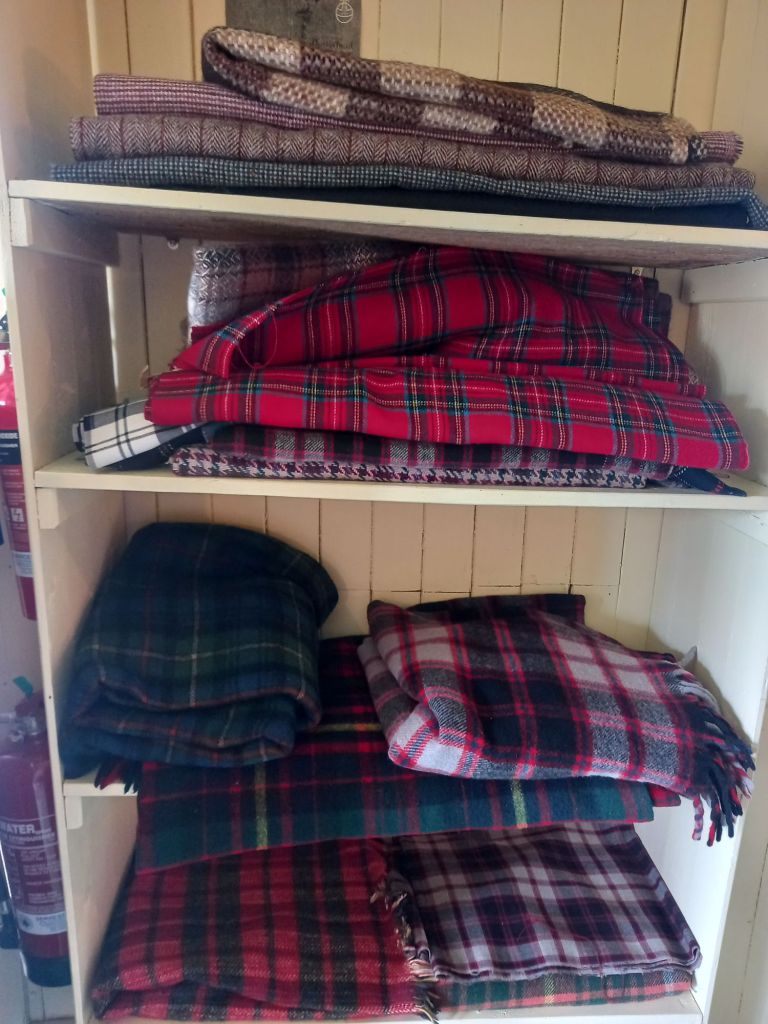
One of the displays showed the multifunctionality of the original tartan cloth, garment, cloak and blanket, all in one handy length.

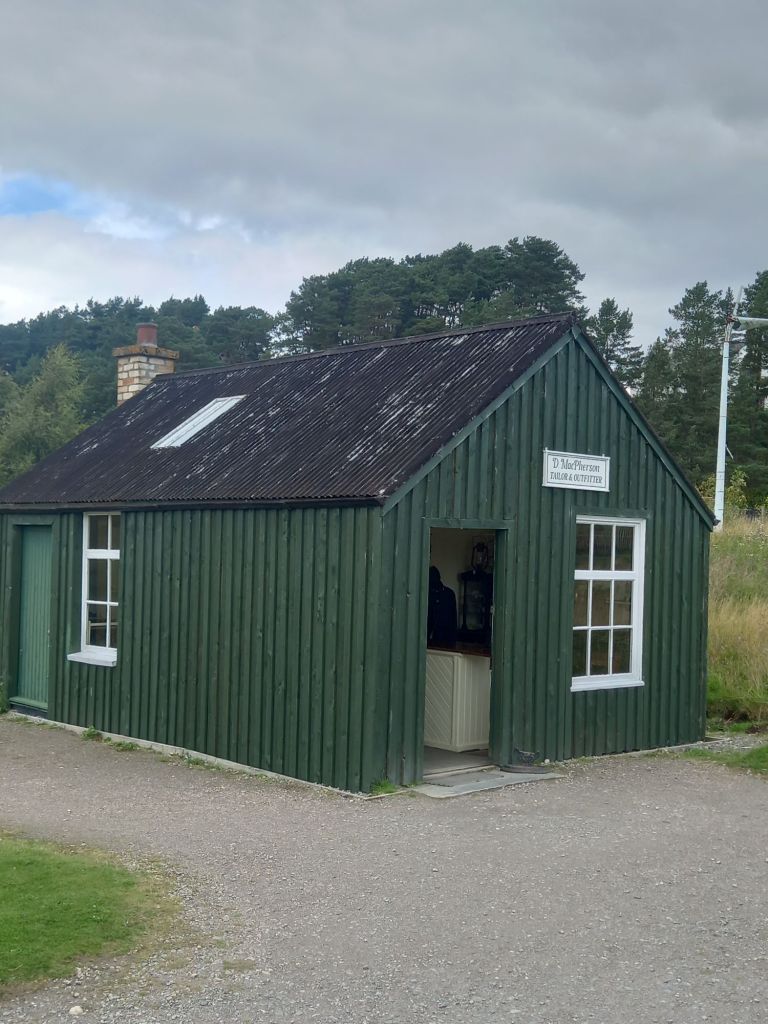
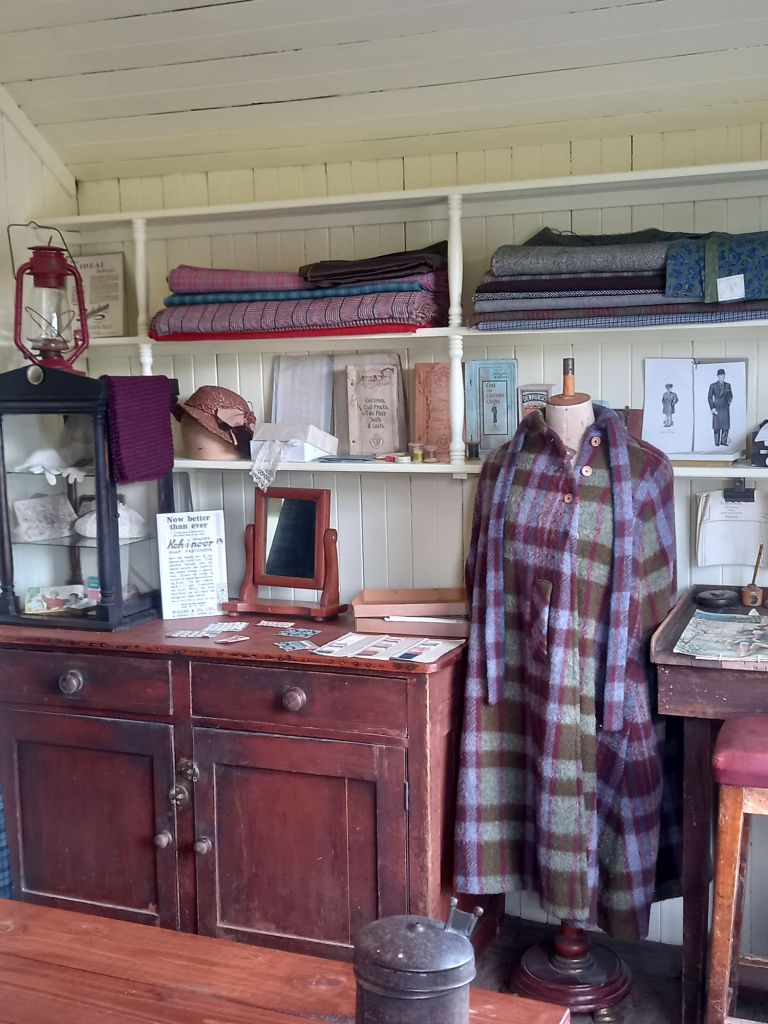
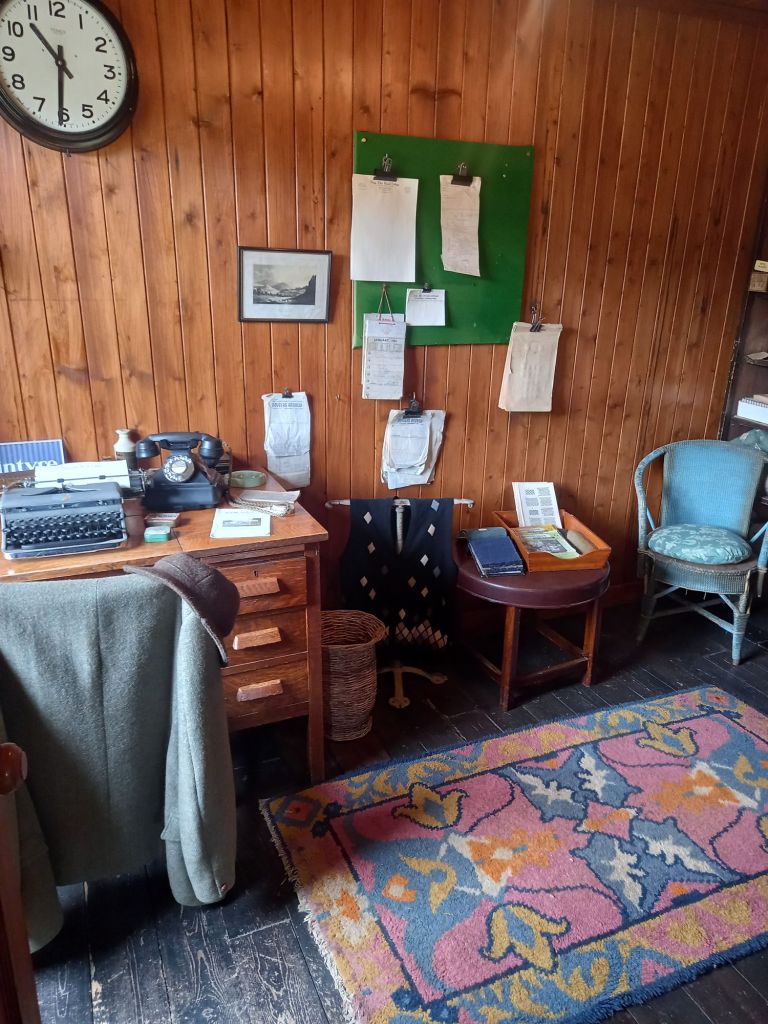
As life starts to get less pressured, and as job roles diversify, you have the separate businesses devoted to clothing.These buildings originally stood in the nearby town of Newtonmore.

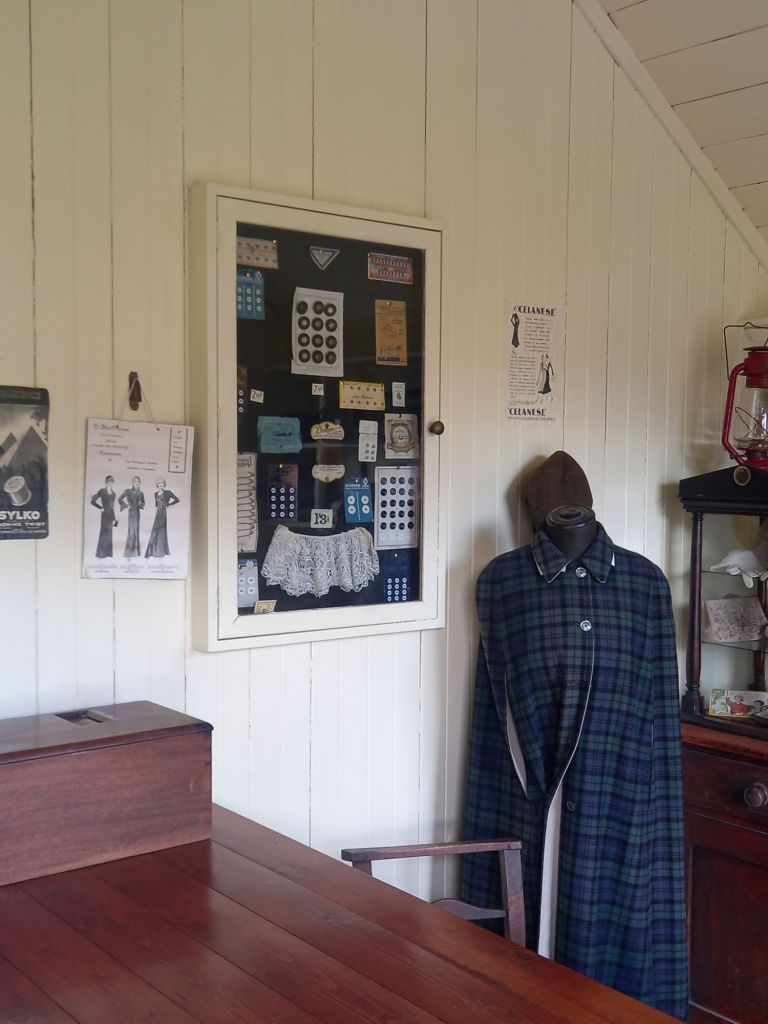
The tailors and dressmakers, aided by the invention of the sewing machine. The idea of having lots of clothes for different purposes,  the ability to own more than one of things, and the luxury of not having to make it yourself.

Clothing as status, the well tailored tweed suit, the modern kilt in clan tartans, all things uniquely associated with Scotland, and exported all over the world.

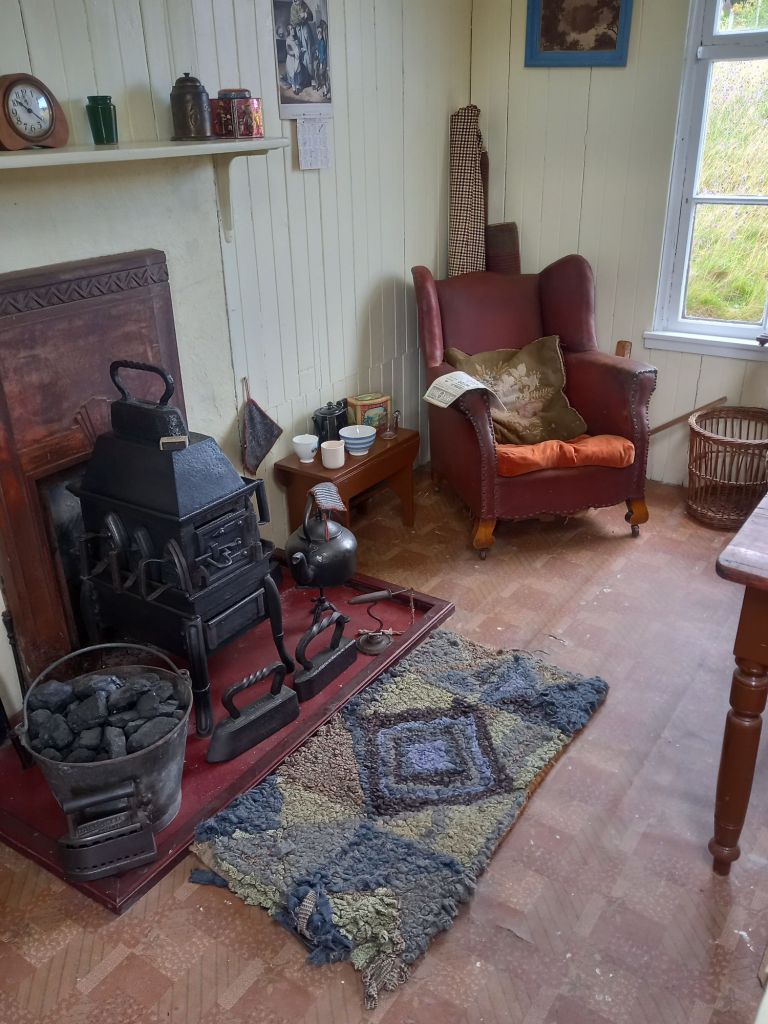
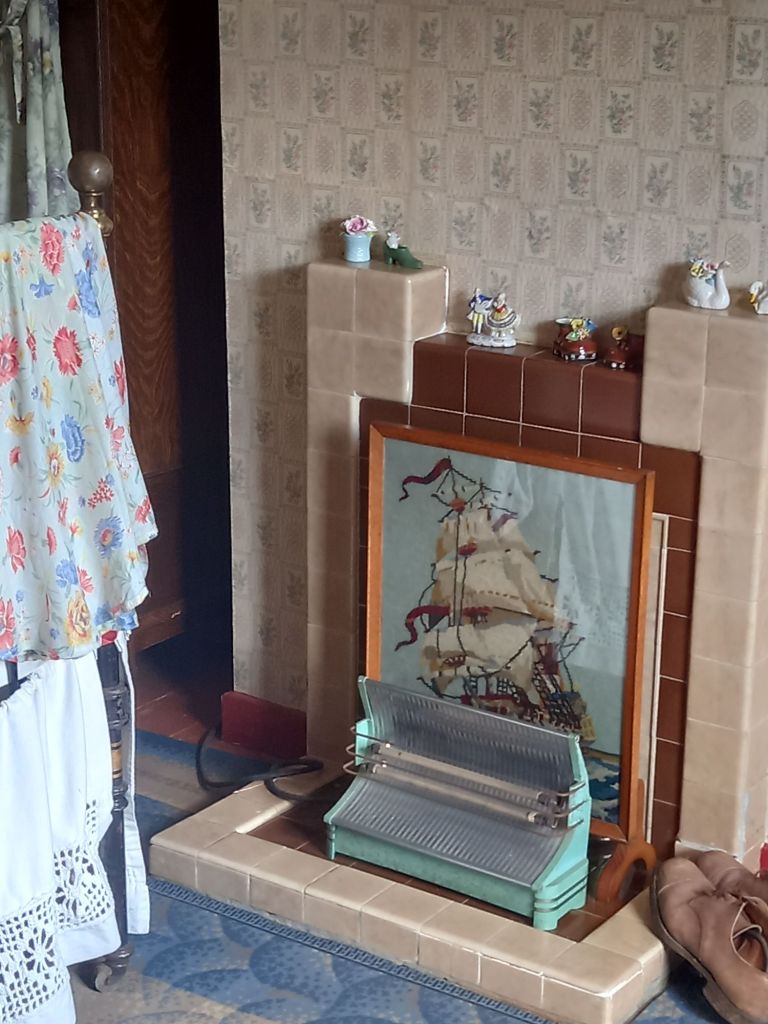
In the later period houses, those of the leisure classes, with time to spend on the ‘decorative arts’, textiles to show your skill, to make your home look nice.

An endless succession of tablecloths, tray covers, anti maccassars, fire screens and cushions. All created in the home with materials bought from specialist suppliers. A way to pass time with friends, or while listening to the radio.

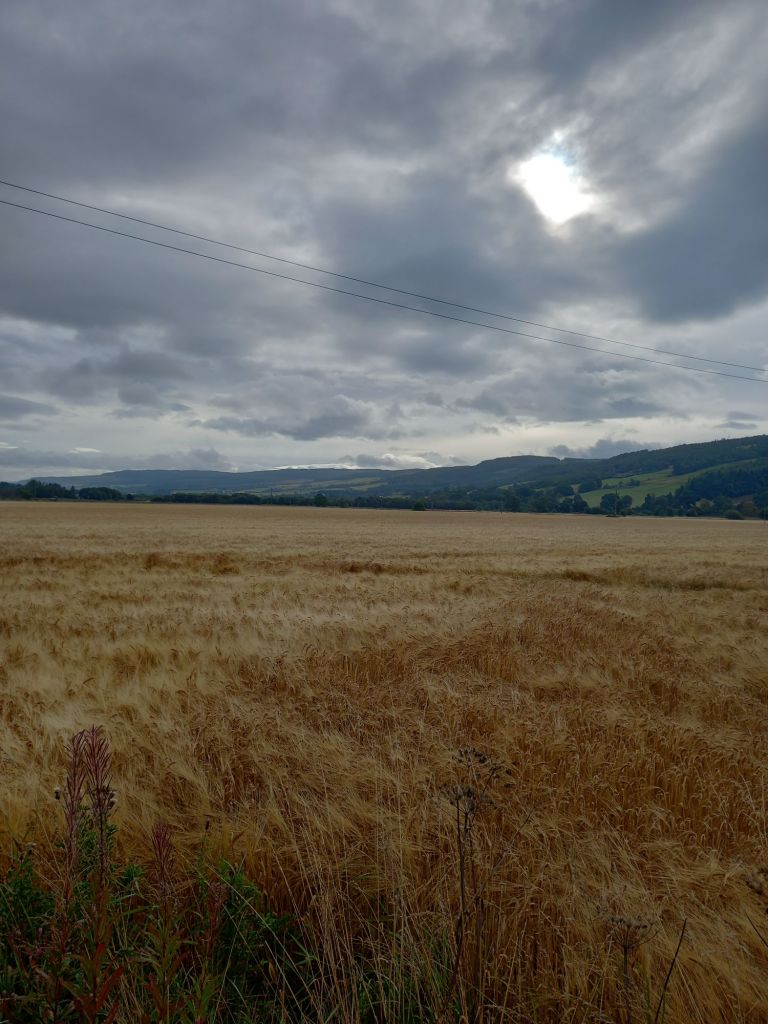
It was marvellous place to visit, and one of my very favourite ways to spend the day. I was also exceptionally lucky that the weather was gorgeous, and the scenery stunning. Loved the three varieties of Highland Cow, just enjoying the sun and their grass.

I ended the day at a new aire, in Aberfeldy, just sitting watching the clouds as usual, and listening to the birds flying over the fields.

I have a few more posts to share with you about Scotland, it seems such a long time ago that I left, although it’s only a week. Hopefully,  good WiFi allowing, I can share more next week, as I am making my way to the final few campsites of this trip.

In the meantime, have fun, take care, stay safe and thanks for visiting.

Cordoba, palaces and patios

Cordoba is famous for many things, the mosque of course, but also for its many patios, decorated with potted plants. They hold a patio festival each year, in May, where you can wander round and see all of the displays in bloom, but there were still many around when we visited in November. I think this was a perfect time for a visit, as it was not too hot, or too crowded as it can be during the festivals.

We spent a lot of time, as always, just wandering looking at the gorgeous architecture.

As with architecture designed for use in hot countries, the enclosed patio is an all important feature. As I mentioned in my posts about Morocco, the interior patio functions as a cool space to enjoy water features, and as a garden. We tend to think of a patio as an outside space, a bit of the garden in the UK, usually just paved, but in Cordoba the patio is an art form, with its own unique architecture and decoration.

One of the many palaces we visited was the Palacio Viana, famous for having 11 patios of different sizes, from the grand entertaining space, to small quiet ones full of beautiful blooms and little fountains or wells. In addition to the patios, you can also tour the house, no pictures allowed, but it was a wonderful insight into the life of the wealthy family who owned the palace.

We also visited the Alcazar, or palace of the Christian Monarchs, not only a palace filled with mosaics that have been excavated locally, but also the wonderful gardens that Spain is famous for, complete with a statue of Isabel and Ferdinand meeting with Christopher Columbus.

Many of the palaces are now museums, and we had a very enjoyable last afternoon in the art museum. The paintings were full of such amazing detail, I love the way that the artists can represent the drape of textiles, and the light on buildings in these paintings, such talent!

It was there we discovered a brilliant artist who we had never heard of before, Julio Romero de Torres, who has a whole museum dedicated to his art. There were no photos allowed, but I found these two on Google.

He was born, and worked, in Cordoba, painting mainly women in the 1920s and his work is stunning it its detail. I love the sense of life in Cordoba that you get from his work. The painting on the left, La Fuensanta, was once on the Spanish 100 peseta note.

We also visited a small museum devoted to Arab culture, which was the place that inspired me to choose Morocco as my destination for this winter. It was full of the most beautiful artwork, and as you know from my posts about Morocco, it is one of my favourite decorative forms.

There was a stunning flower display in the small courtyard water feature as well.

There was also a quick visit to the Jewish museum nearby, housed in another beautiful patio house and lovingly restored, with a very informative exhibition about Jewish life in Cordoba. This included some gorgeous goldwork on dresses, similar to that we had seen on the painting in the art museum.

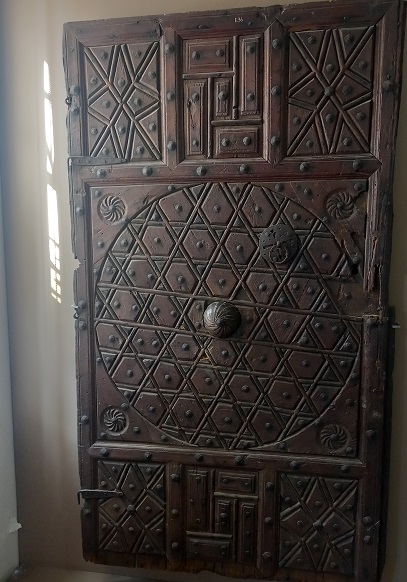
As always there were amazing doors, but what struck me about Cordoba was how heavy and defensive they looked, all were solid wood, many were studded and looked very much like the sort of thing that was built to withstand invasion, rather than the more decorative ones that are in other cities.

A wonderful city, and I am so glad we made it, a year after the original trip was planned. We have just booked another trip for this autumn, to visit the last of the great cities of the south, Jerez and Cadiz, so I am very much looking forward to that.

There is less than a week now until I return to the UK, so my next post will be my last from here, and will be a quick catch up on all my crafting, with some very exciting, in personal crafting terms, things to show you! Until then have fun, take care, stay safe and thanks for visiting.

The green, green grass of home

My next stop was to revisit some of the places that I used to go as a child. I grew up in the south west of England, in a town called Cheltenham, famous for its Regency architecture, (think Bridgerton sets), and for holding the Gold Cup horse race. Like most children, I didn’t really appreciate the place very much, I never really felt as if I fitted in very well, moving to Yorkshire definitely felt more ‘me’.

However the area is very beautiful, and as the Cotswolds kept coming up on my Instagram feed, I decided to spend my camping time there, before coming back to Spain. I was very lucky with the weather, the week was mostly very sunny, so much so that I got sunburnt, and I was able to visit some stunning places. The Cotswolds have a lot of natural beauty, quintessentially English with rolling hills and lots of farmland.

However, the area is also famous for the beautiful houses built of the local stone, which is a gorgeous honey colour. There are so many cute villages here, it was hard to chose where to visit. The Trust has so many properties in the area, and I tried to see as many as I could in the week.

My first stop was Hidcote, famous for its garden more than the house.

Lawrence Johnston, who created it in the early 1900s, was a passionate gardener and plant collector, who travelled widely to collect specimens. There are only a few rooms open in the house, but it looks like a gorgeous place to sit and plan your travels, aided by your map of the world, complete with the Empire in red!

It was such a brilliant day to visit, the garden looked stunning, and I just loved all the delicate rhododendrons and lilacs everywhere.

Even though I love living in Spain, one of the things I do miss are the seasonal plants you get in England. We have the most wonderful cactuses, and bougainvillea year round, but there is something very special about spring plants that only have a short life.

Like many gardens, Hidcote has a series of different areas, with gorgeous walls, gates and architectural features.

I was especially lucky, as there was a stunning exhibition on by an embroidery artist, Olga Prinku, that was a complete surprise. I usually try to find a special textile treasure at each house I visit, and her work is just amazing. She embroiders on tulle, using found materials and dried flowers. I have never seen anything like this, so beautiful and original.

I especially love these ‘dandelion clocks’.

She had also done some work specifically inspired by the Hidcote garden, one of the box hedges.

I camped at Chipping Norton, just on the border between Oxfordshire and Gloucestershire, and the campsite was lovely as always, such nice clean facilities and welcoming staff. I love sitting watching new people arrive every day, and admiring all the different sorts of vans, and this visit I had some neighbours who had a very cute little pod caravan.

My second Trust visit was to the village of Bibury. The village is the location of a Trout Farm, and I remember visiting that, and paddling in the stream as a child. It was full of Japanese tourists, as apparently the Emperor of Japan visited once and loved it, so it has become very popular.

As well as there being many beautiful houses in the village, the Trust looks after a place called Arlington Row, a 17th century terrace of weavers’ cottages near the river, as well as Rack Isle, between the Arlington stream and the main river.

Again there were so many lovely spring flowers, ever the weeds are pretty here.

As it was quite hot, I spent more time at the campsite that week than travelling. I was quite happy after all my long days of driving through France to just sit and read my book and watch life on the camp.

There were a couple more visits later in the week, which I will tell you about in the next post, but it was a lovely relaxing time, and I am so glad I went back to the area. I would definitely recommend it if you are looking for a location that offers some of the very best of the southern English countryside. Until next time, have fun, take care, stay safe and thanks for visiting.