Moments in history

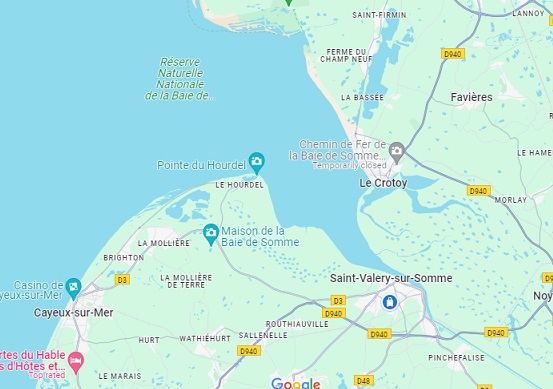
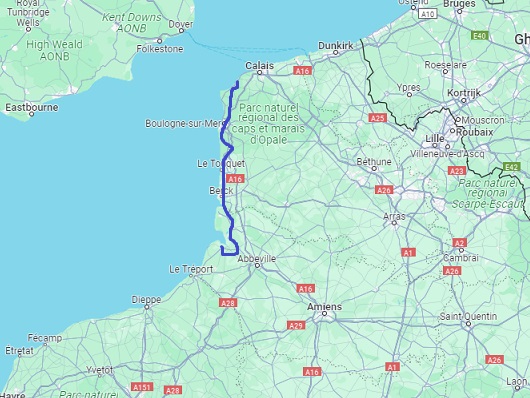
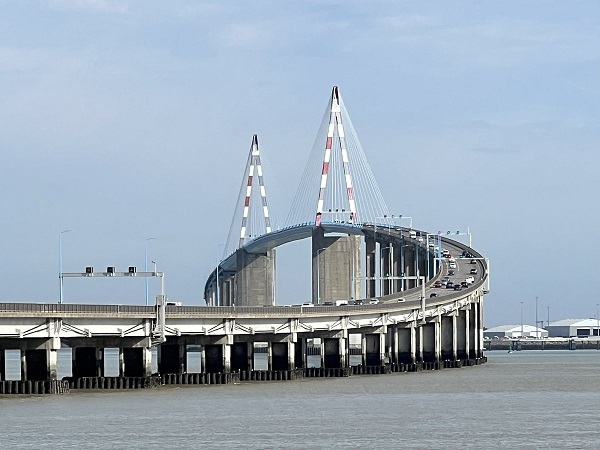
My second stop in France was at the little town of St Valery sur Somme. I had already planned to stop at the aire there, which was a paid for one that had very good reviews, as it was only a short drive from Wissant. This was my route, avoiding toll roads and motorways.

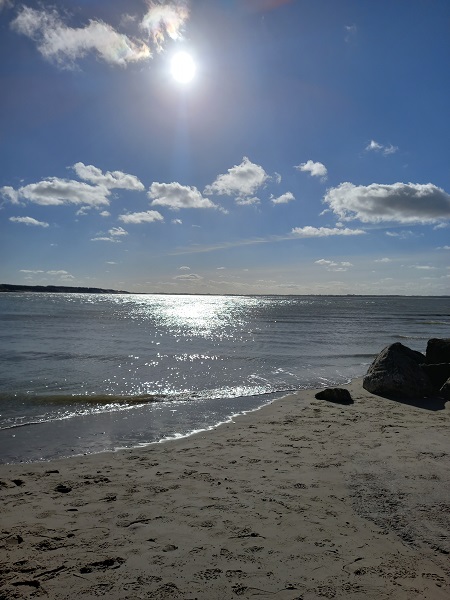
I had a quick lunch stop en route, at the Plage du Ploques (Seals). There weren’t any there but it was a gorgeous place for a picnic.

I was so glad that I did visit St Valery as the town was absolutely gorgeous, and gave me an unexpected glimpse into a period of history that I don’t know much about. It always interests me how easily things can change, and what would have happened if certain events had never take place, and this little town certainly played a major part in England’s history. More about that in a bit.

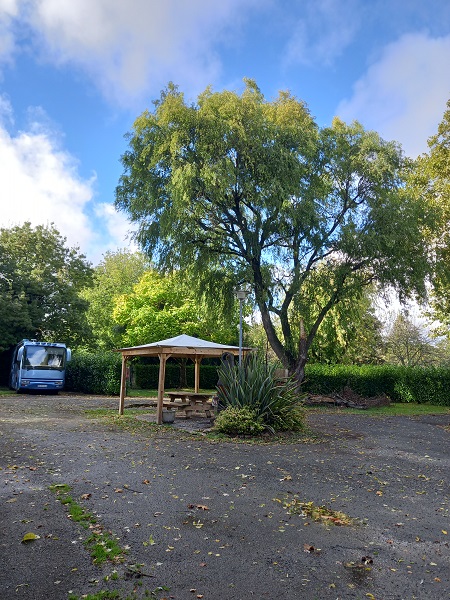
The aire cost me 12 euros for the night, and was a large, nicely laid out area, accomodating about 100 vans, with trees between each parking zone. There were some facilities such as electric in some areas, bins, water and waste disposal, and access was controlled by a barrier.

You paid on the way out, and unfortunately the barrier came down too quickly as I was coming from the payment machine, so I was helped by a very kind French council worker who was there with the bin men, who opened the barrier for me. Barrier issues were to become a bit of a feature of the next few days and I was constantly helped by very kind French campers!

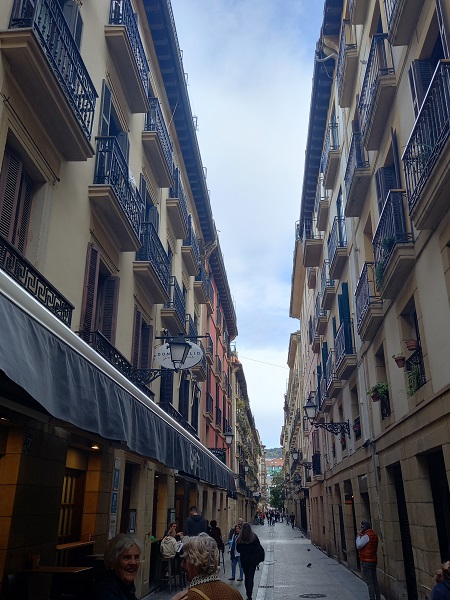
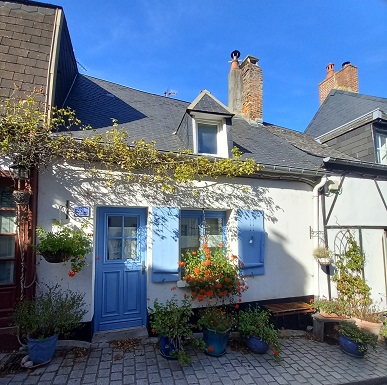
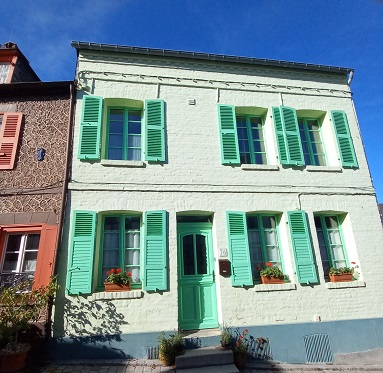
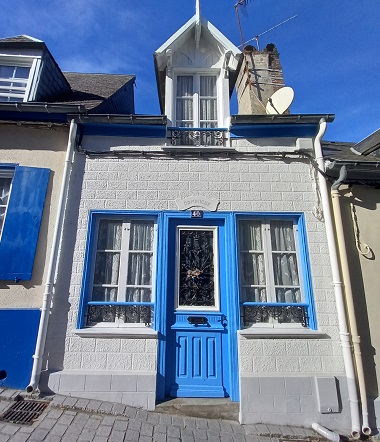
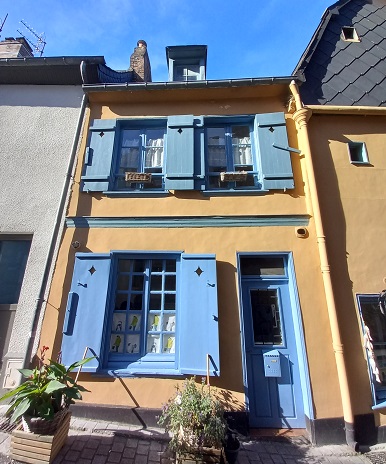
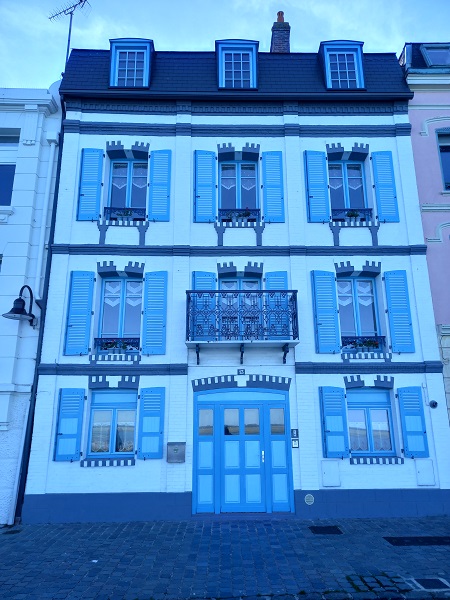
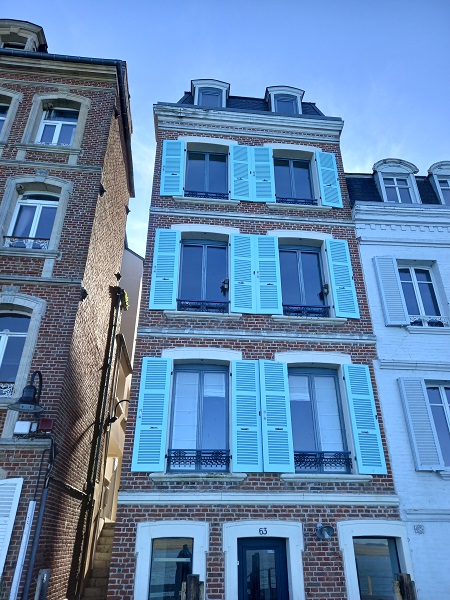
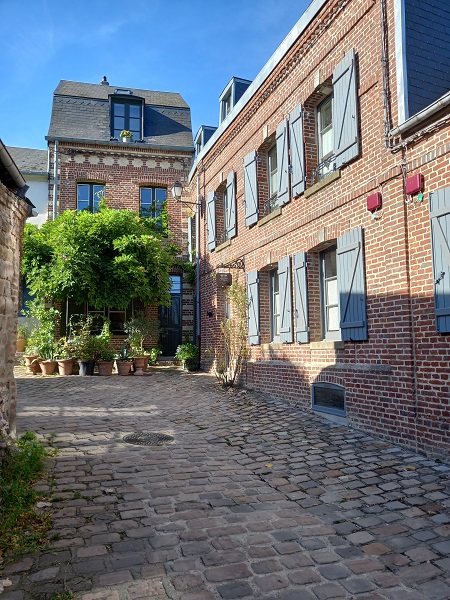
It was only a short walk into the very pretty town, down some tiny cobbled streets with very cute cottages. I loved all the shutters, and you will see lots of pictures like this in the coming posts!

The town is on the banks of the river, and as such was an important port. There were lots of people out enjoying the beautiful weather, and taking boat trips. Such stunning skies for October 15th.

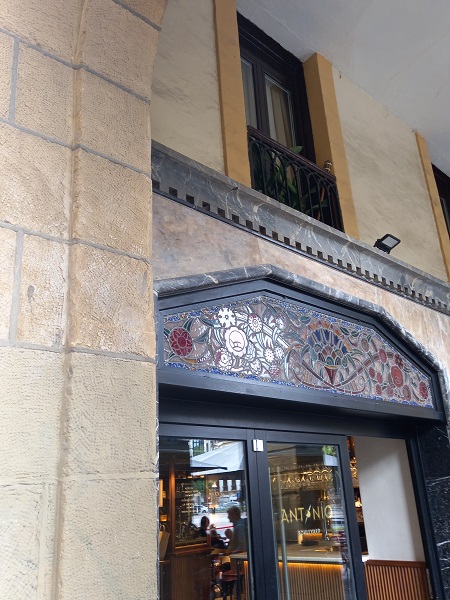
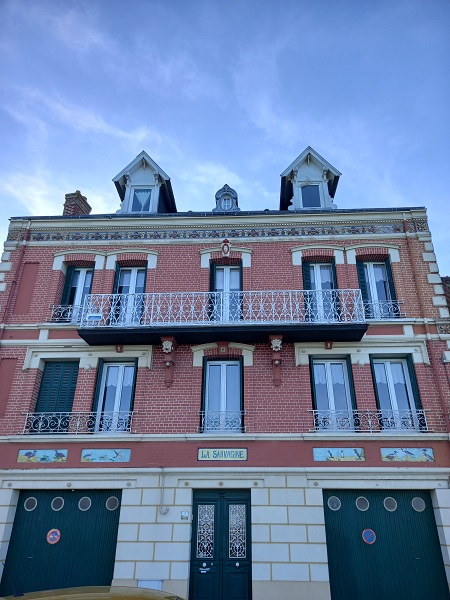
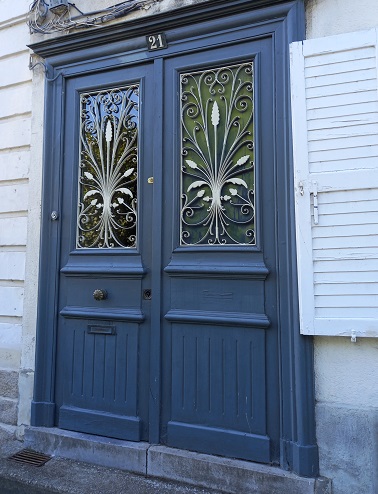
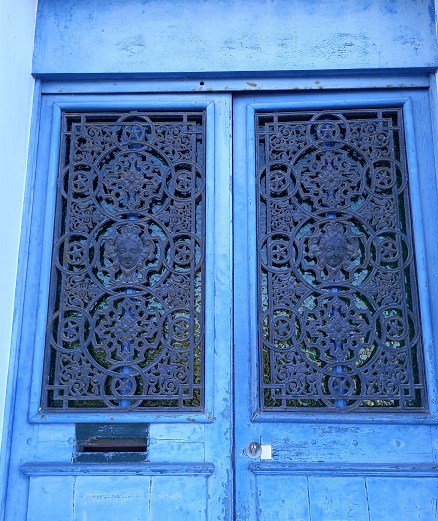
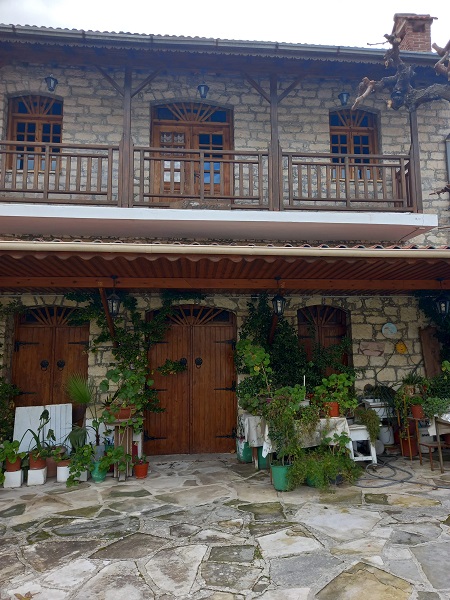
The town houses were beautiful, so many beautiful details in stonework and balconies. And of course some all important lovely doors!

I went for a little wander and found an information board that told me that this place was where William the Conqueror took shelter after a storm destroyed his fleet, while he was on his way to invade England. He managed to get the fleet repaired, and took the relics of St Valery from the abbey in a procession to ensure a favourable outcome for his second attempt.

The rest as they say, is history, and he was crowned King of England on Christmas Day 1066. How things might have been different if this trip had failed, or the saint’s blessing had not worked. Thus for the next few hundred years the town was involved in many battles between the French and English, and changed hands several times. Joan of Arc was also imprisoned there, before being taken to Rouen.

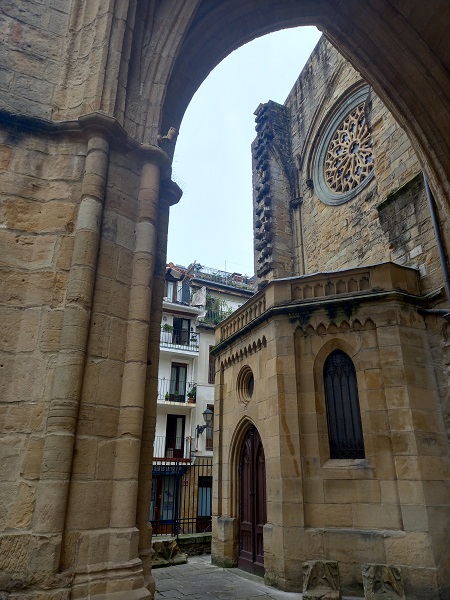
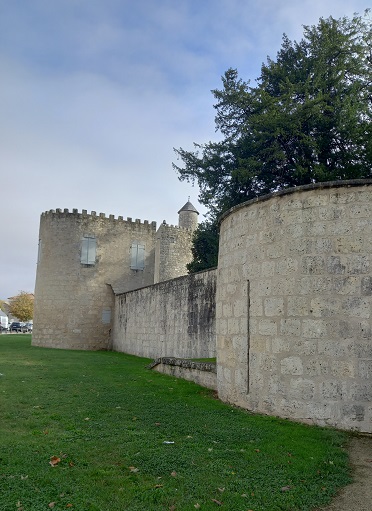
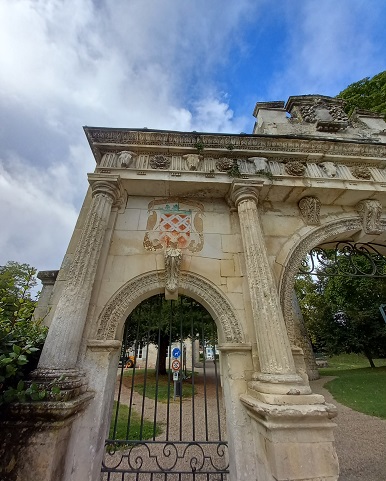
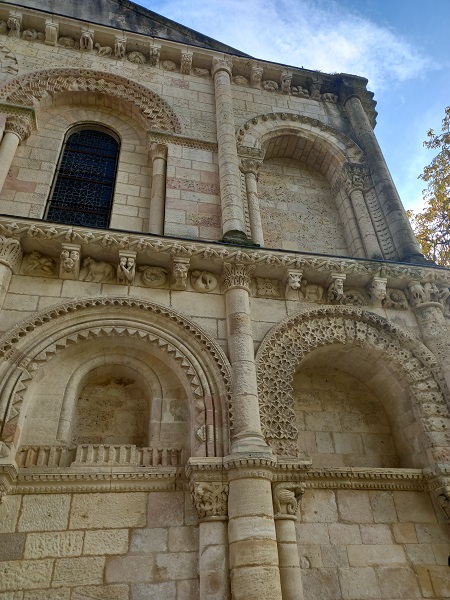
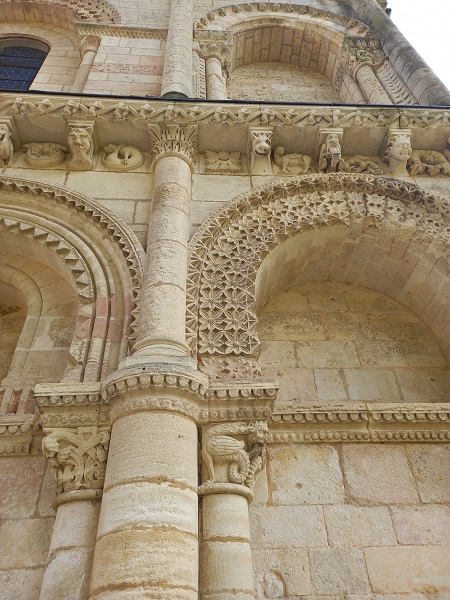
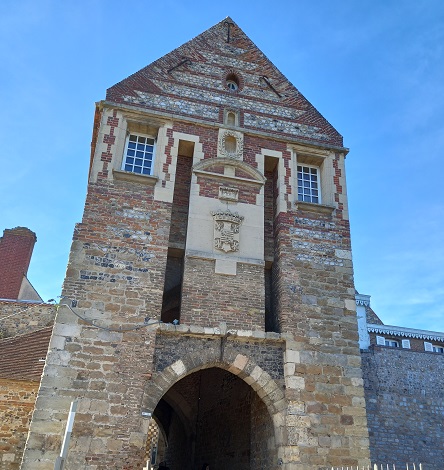
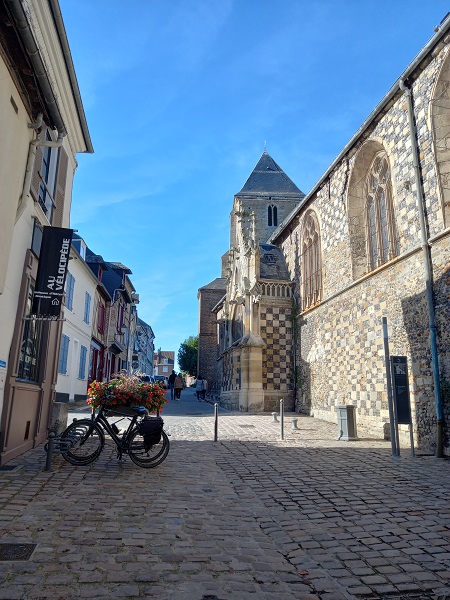
I walked from the port area along the river and up to the old medieval part of the town, the gate and some of the walls are still there. The church has a very unusual checkerboard design in the stonework.

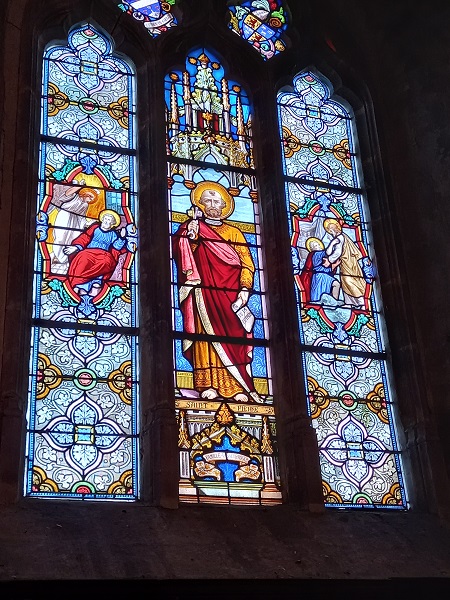
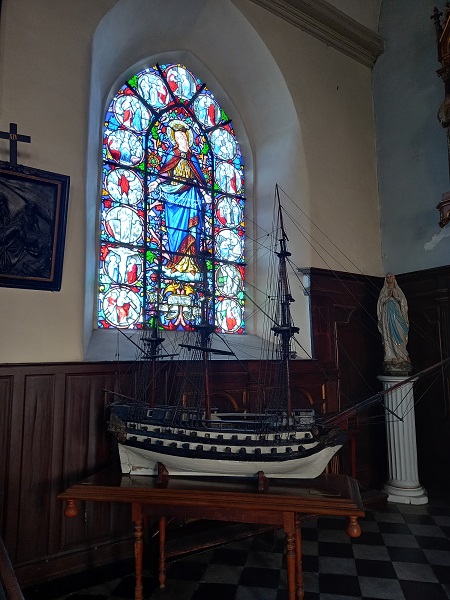
The church was beautiful inside, lots of gorgeous windows and models of ships, as the place has always been heavily connected to shipping.

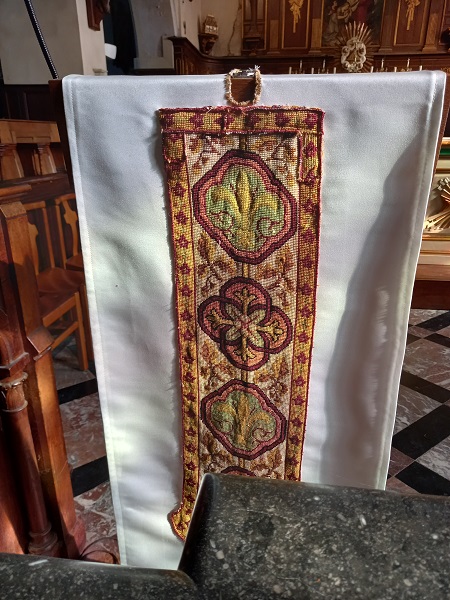
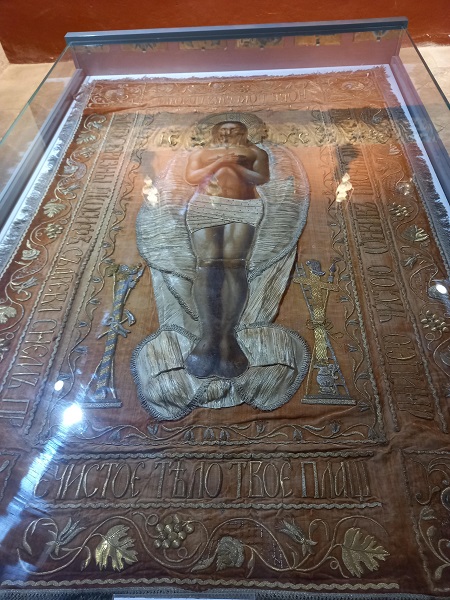
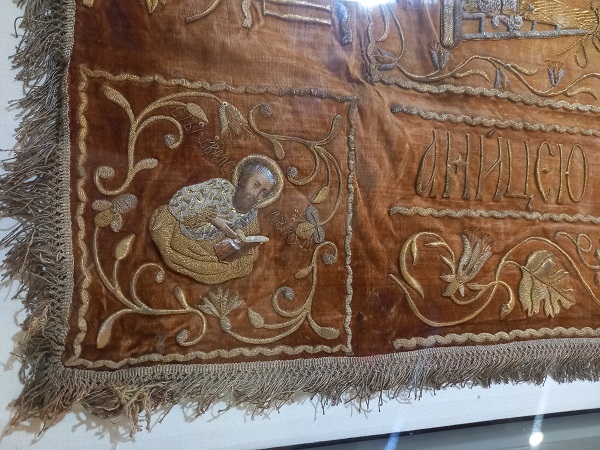
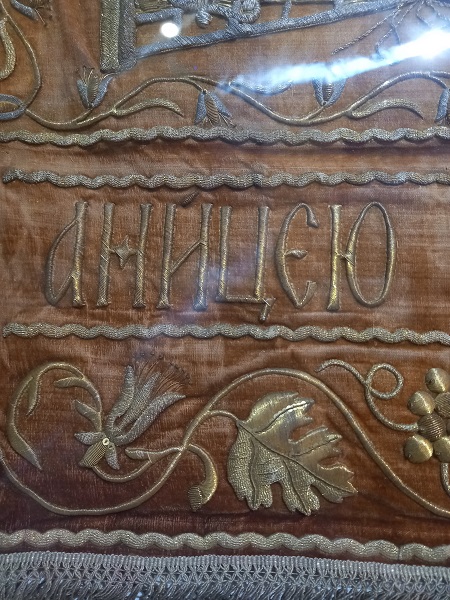
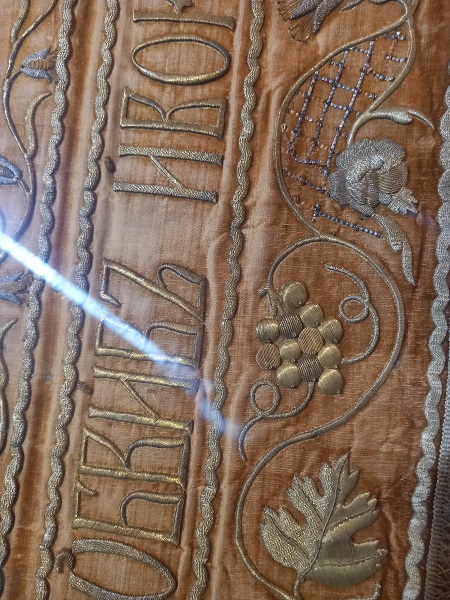
There was some lovely needlework as well, these beautiful stitcheries near the altar were gorgeous.

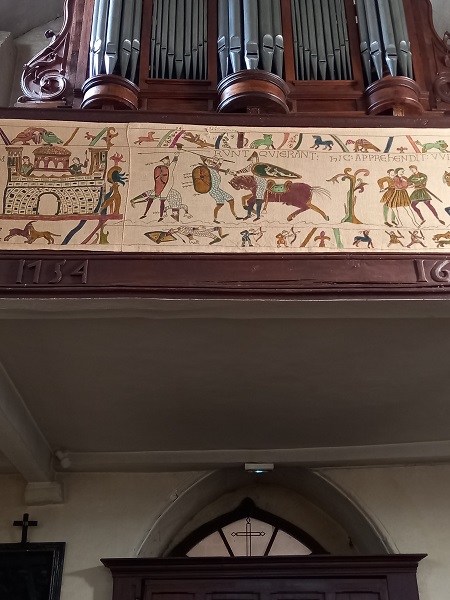
There was also a recreation of the Bayeux Tapestry above the doors, this commemorates the story of the invasion, and William’s battle with Harold at Hastings.

A beautiful place, and such a great introduction to travelling through France, the countryside was so lovely, and the roads so quiet. Absolutely loved it.

I hope you have all had a good Christmas if you celebrate. We had a very quiet but enjoyable time. Unfortunately I got a horrible cold just before it, which has now turned into a persistent cough, so I am having a very quiet few days in, with lots of duvet and fleece time, and hot water bottles. I am not too sad as it gives me lots of excuse to sit and write and stitch.

We will be busy again next week, with more trips out planned for my very last week here before I return to the UK. It has gone so fast. I will try and get back for another post before I leave, but if not will next be writing from the UK. See you all as soon as I can. In the meantime, have fun, take care, stay safe and thanks for visiting.

A tale of two cathedrals

I visited many wonderful cathedrals on my recent trip, both in the UK and Spain. Two that struck me as very similar, in terms of their history and location were Norwich and Canterbury. Both are particularly famous as religious centres, and both have cathedral schools attached, so during my visit there were lots of children around.

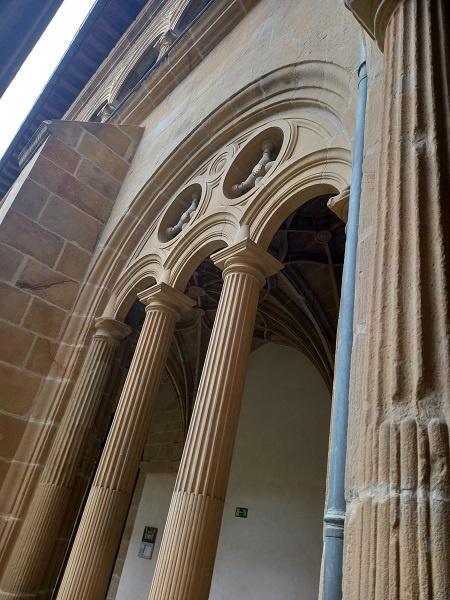
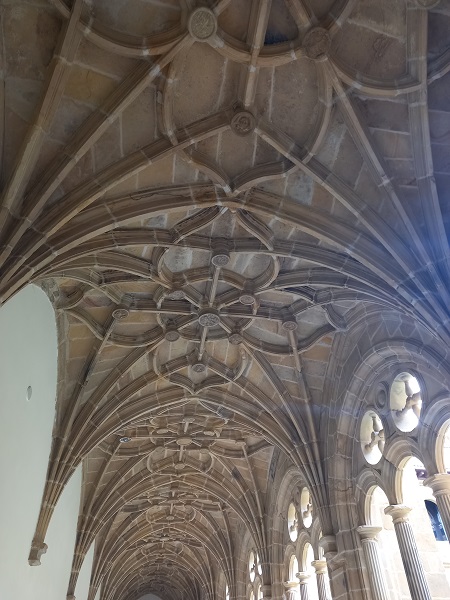
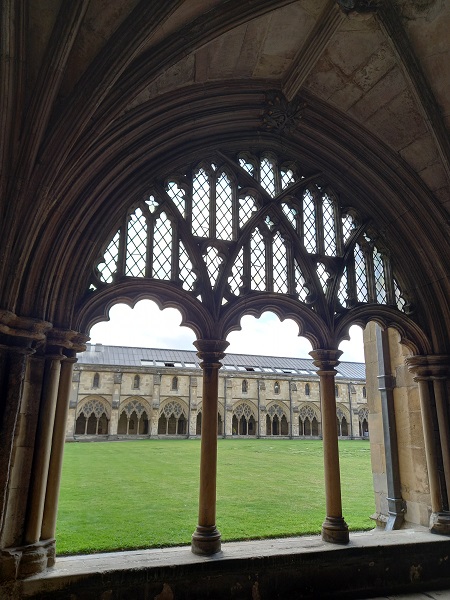
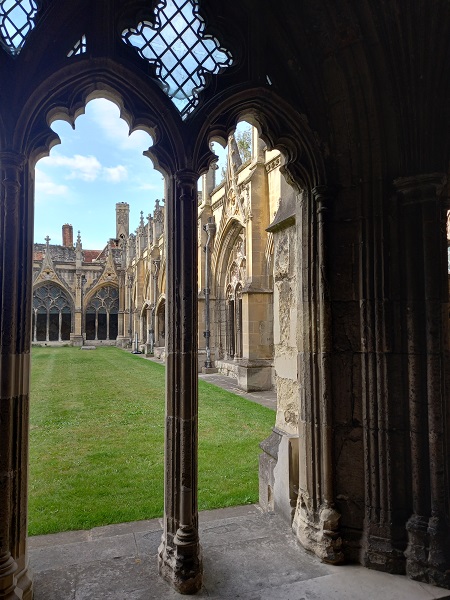
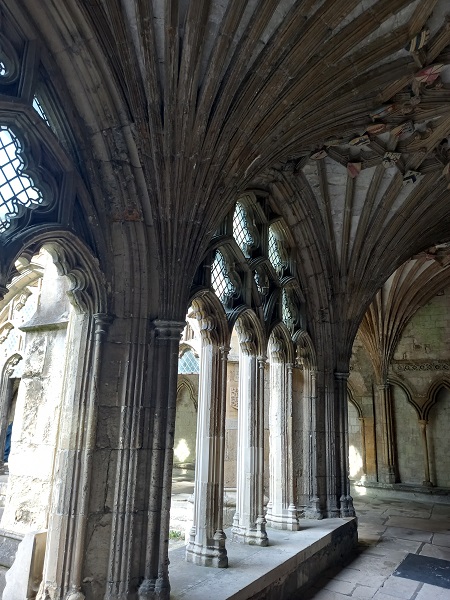
Norwich had the most gorgeous cloisters, I spent so much time wandering round and looking at them from different angles, and the way that they framed the tower. There is something fascinating to me about the combination of stonework, arches and fans, and the light and dark between the cloister walls and the courtyard spaces they enclose.

On one of the pillars was this, I am not sure whether it is a mason’s mark, or just graffiti, but it is a little touch of human involvement in all this splendour. Whoever EA was, I’m sure they were just as amazed by the place in 1630, as we are now, maybe more so given that we are able to build tall and magnificent structures all the time now.

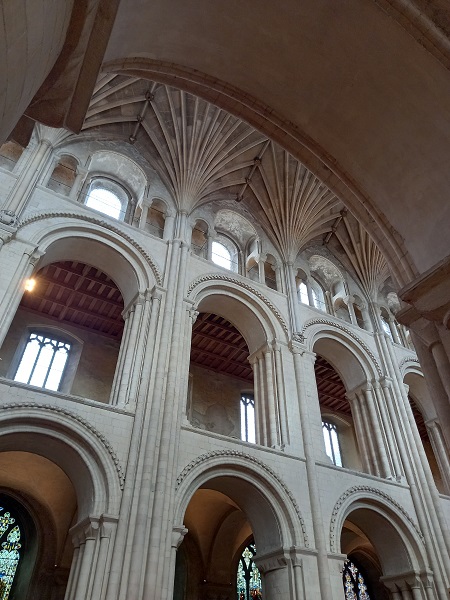
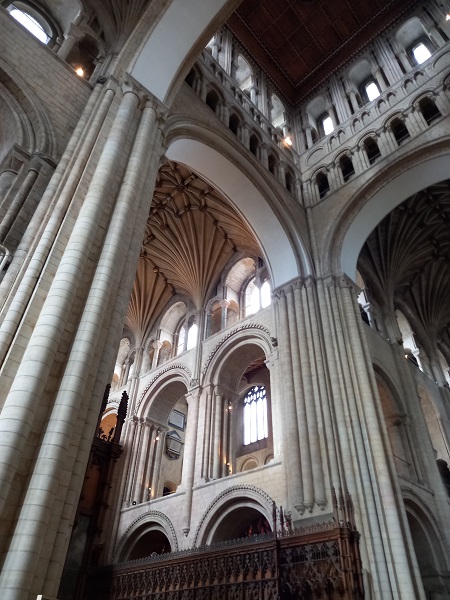
The inside of the cathedral is also wonderful, so many beautiful windows, and the fan vaulting on the ceiling is just stunning.

Two of the windows celebrate one of Norwich’s most famous religious figures, Julian of Norwich. She was a a nun, and anchoress, who lived in seclusion in Norwich in the mid 1300s and is credited with writing the first English language works by a woman, ‘Revelations of Divine Love’, though as we know there may have been other women writing under male names.

I read this many book years ago, as part of my research for my role as a nun within re-enactment, and her most famous saying ‘all shall be well, and all shall be well. and all manner of things shall be well’, is one that has stayed with me since I first read it, and something I have often said to myself when things got stressful. I couldn’t get a good photo of my favourite window, showing her and her cat, so this is via Google.

Canterbury is famous as a site of pilgrimage, and the cathedral precinct is stunning. You enter through this amazing gate.

I was lucky as I was visiting on a beautiful sunny day, so the contrast between the stone and the sky was amazing.

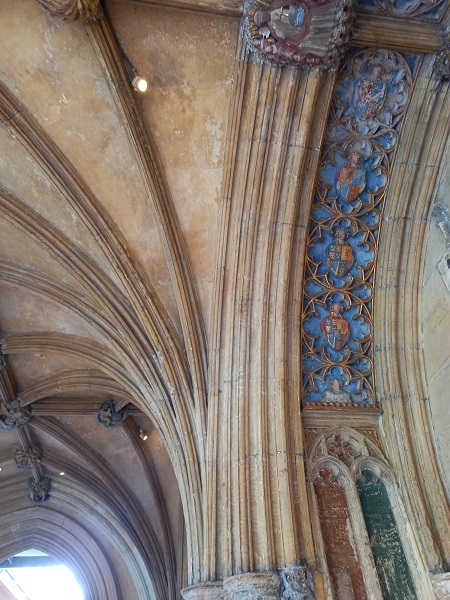
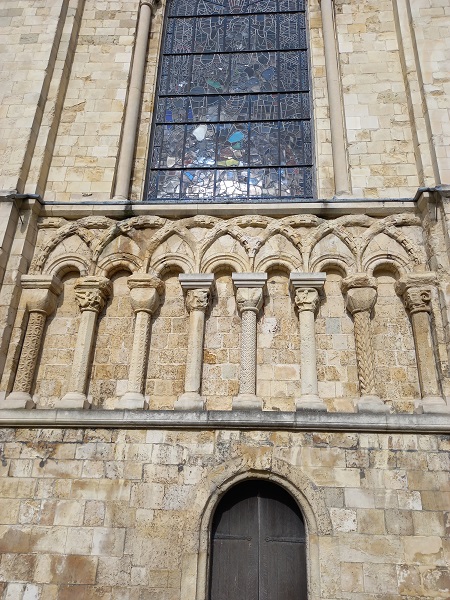
The inside contains some incredibly detailed stonework, the picture below is unlike anything I have even seen, such a wealth beautiful detail in the carvings.

There are also beautiful cloisters, though I think Norwich’s have the edge for sheer scale.

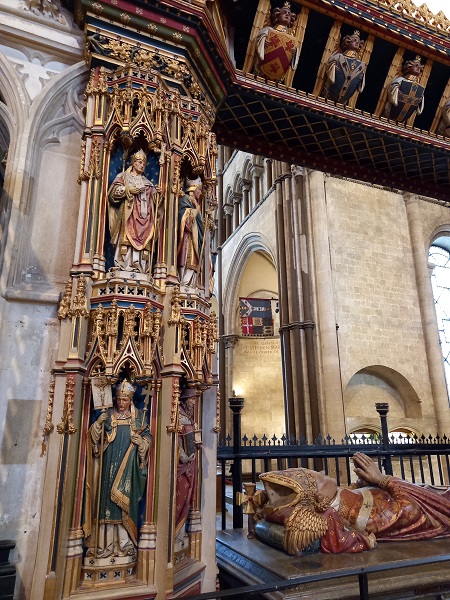
As Canterbury is so famous it has many significant tombs. This one is the tomb of Henry Chichele, archbishop in the early 1400s. The carvings on this tomb are some of the best that I have ever seen.

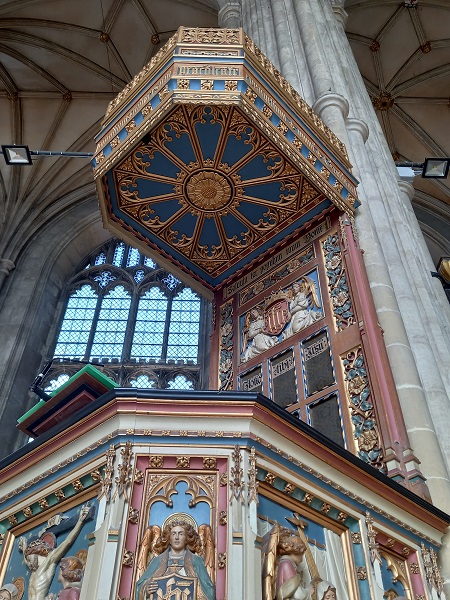
There were similar carvings around the priest’s lectern as well.

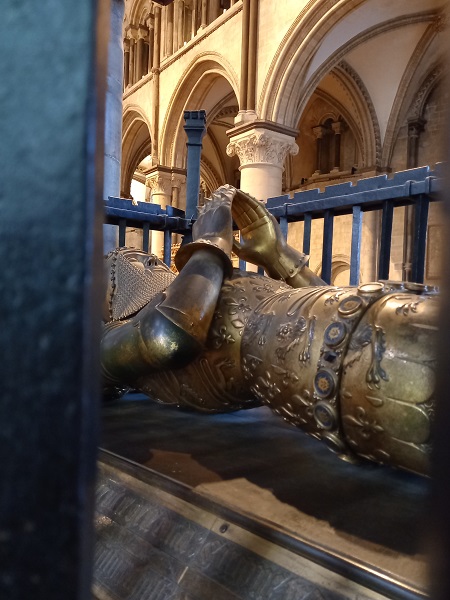
The most famous tomb is that of the Edward, The Black Prince This was of particular interest to me for several reasons. One of which is that Edward’s heraldic coat is in the cathedral, in the lower level, (no pictures allowed), and a reproduction of it hangs over the tomb, along with his helmet.

I remember watching one of the Amber Buchart series, ‘A Stitch in Time’ where she recreates this garment with other fashion historians. One of my re-enactment friends, Richard, portrays the Black Prince, and his very talented partner Kat, who I have mentioned many times before here, has also made the garment. I had a very interesting chat with the volunteer who was near the tomb, and told her about our costume making for re-enactment.

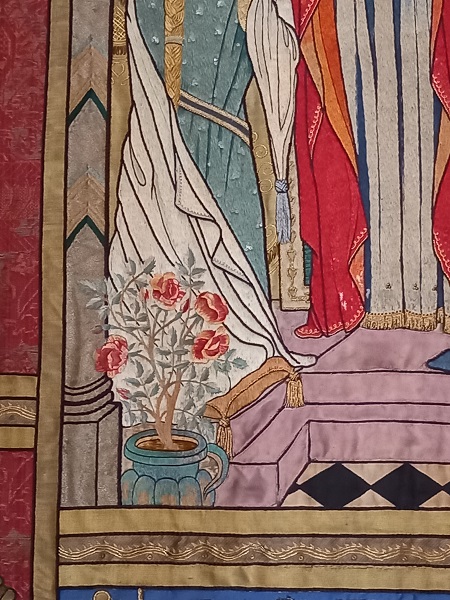
The other thing I loved was another version of the Mothers’ Union banner of the Virgin Mary, this time accompanied by two saints. The stitching on this was exquisite.

If you are a regular reader you will know that I have been fascinated by these, which appear regularly in churches and cathedrals in the UK, often of a similar design. I decided to do some research about them, and while I didn’t find any answers to my questions about whether they promoted as projects nationally, and where the designs came from, I did find an interesting booklet, written by Bob Trubshaw, with a history of the Mothers’ Union. In the booklet Bob asks many of the same questions, and like me, mourns the lack of information about who made all these banners.

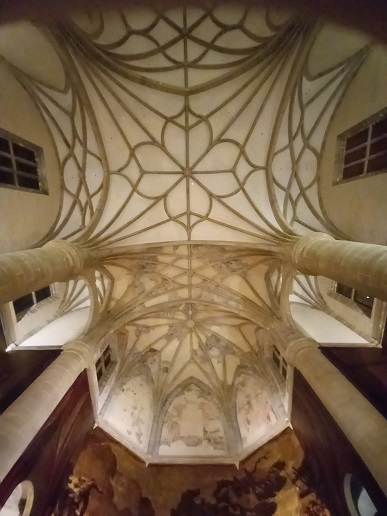
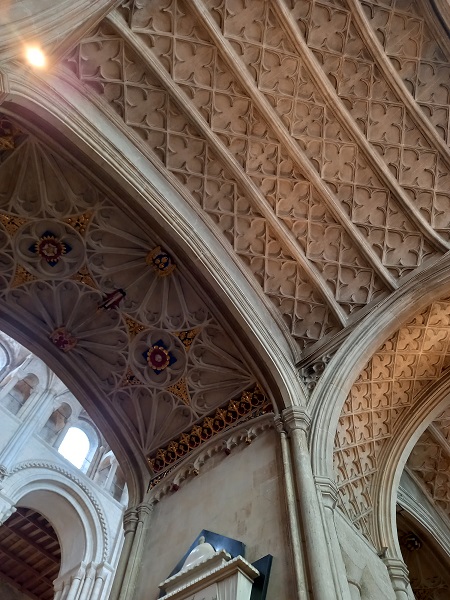
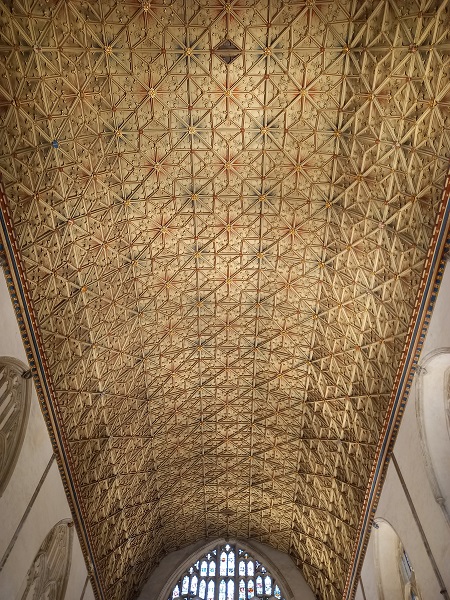
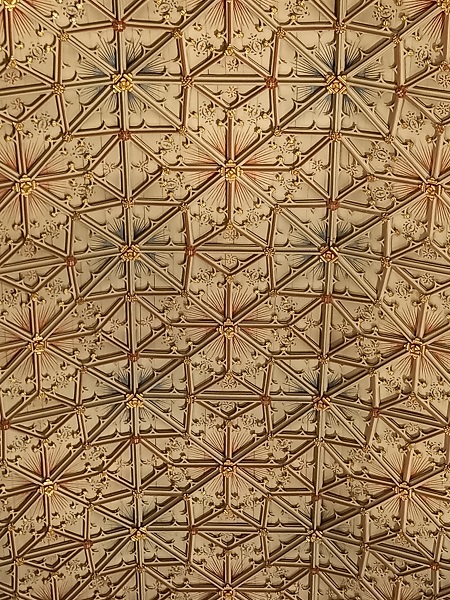
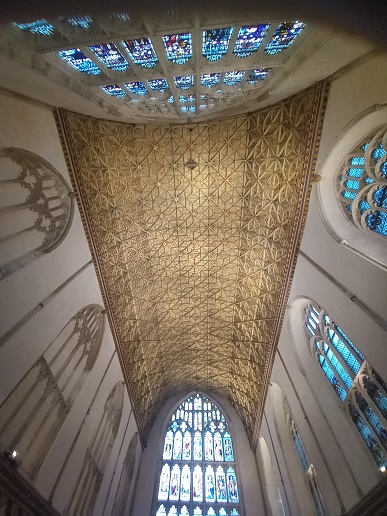
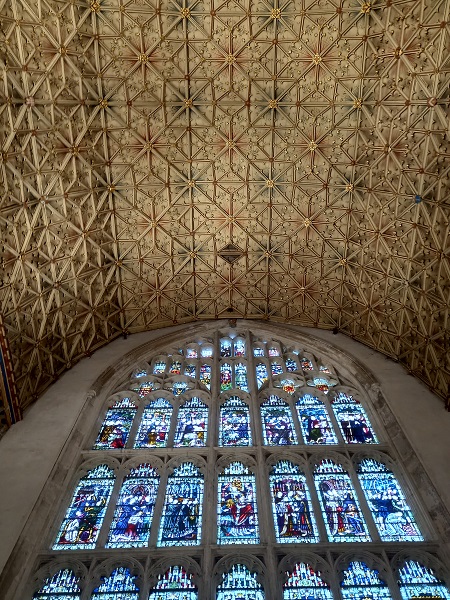
The chapterhouse at the cathedral was one of the most stunning, I have ever seen, the ceiling was incredible.

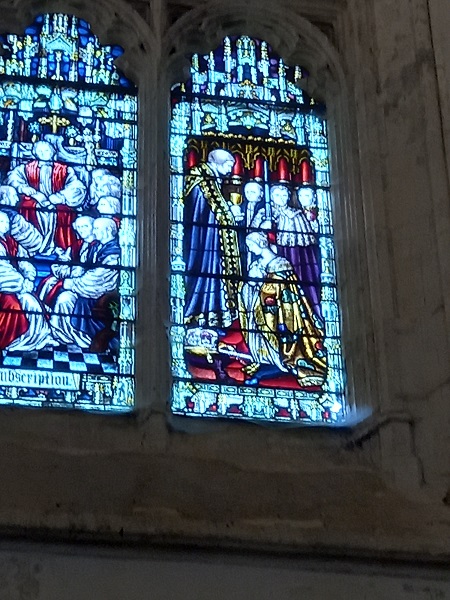
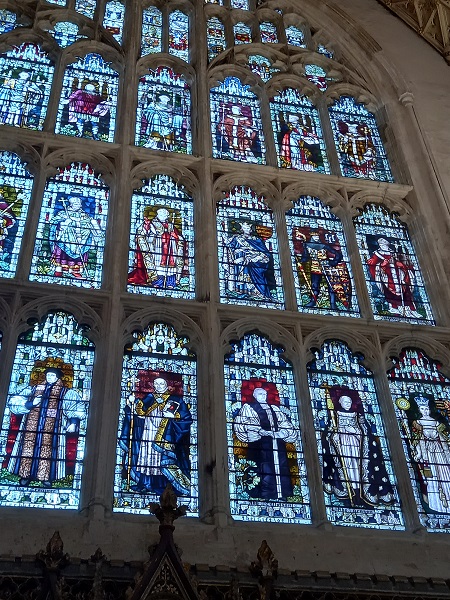
There was also this beautiful window, depicting monarchs and notable religious figures from British history. I loved this representation of Queen Victoria.

Truly stunning places, and an amazing testament to all of the people who worked on them originally, and now care for, and volunteer in them.

I will be back soon with the next post, where I will share with you my trips in Suffolk. I am so glad that I was able to spend so much time exploring these parts of England, it was a brilliant way to spend the summer. I am already starting to plan next summer, which is very exciting. Even though it is great to be in Spain in my little house, I am already looking forward to life back on the road next year.

Meanwhile there is Christmas crafting to be done, those last few ornaments won’t make themselves so I had better get stitching! See you all next time, until then have fun, take care, stay safe and thanks for visiting.
Medieval maps and other finds

As you may know I love old maps, I also love new ones but old ones are of particular fascination to me. I am in awe of the early sailors who tried to interpret what they saw in map form and love looking at them.

I have had the Mappa Mundi, at Hereford Cathedral, on my wish list for a very long time and so that had to be part of my recent Hereford explorations.

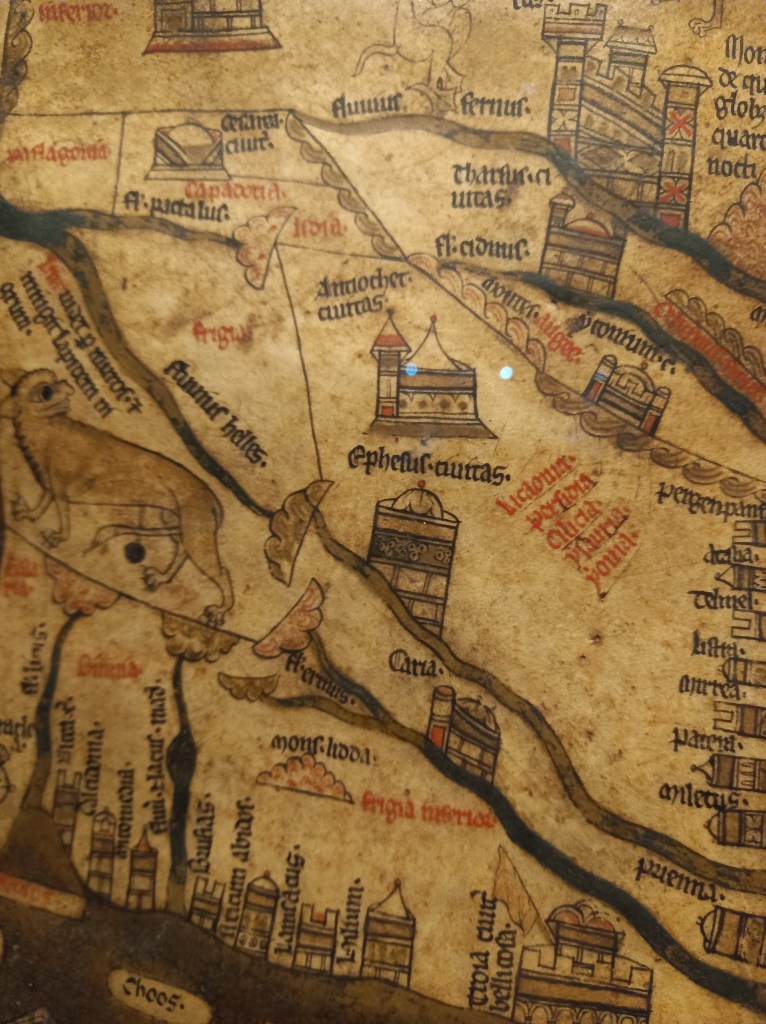
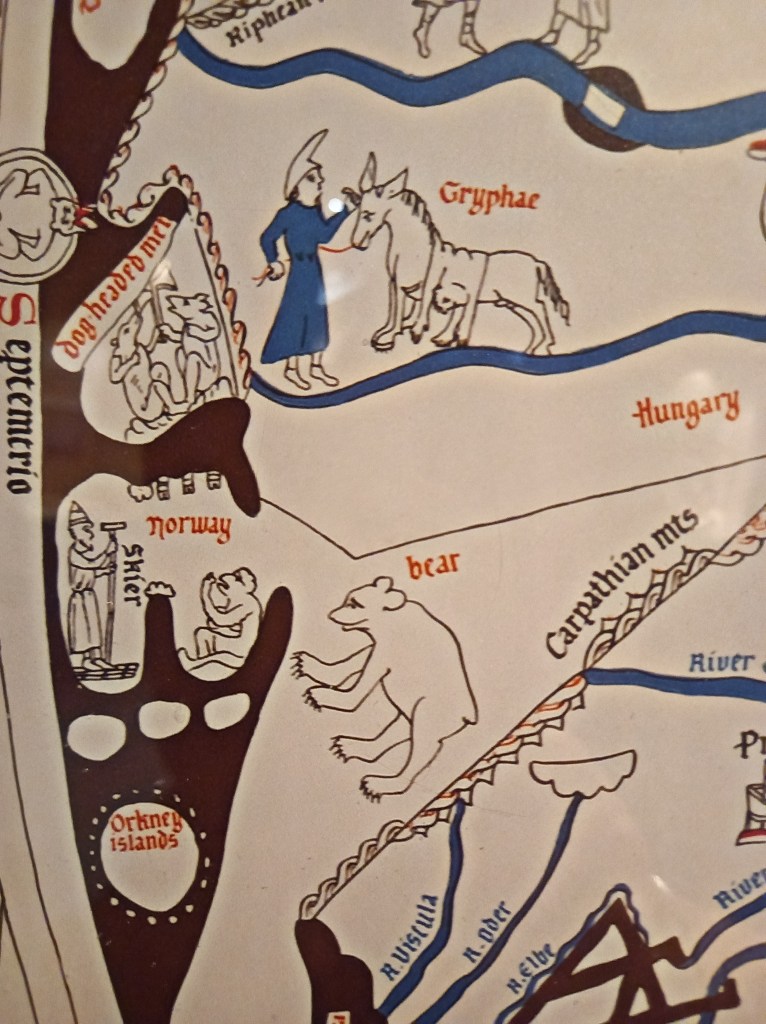
The Mappa Mundi is very different to other maps, being a representation of the earth as an example of what are known as TO maps. They are circular, often with heaven at the top, and the world at the bottom. The O is the whole map, and the T inside it divides the world into three sections.

Most of these maps have Jerusalem at the centre as they represent the Christian world. The Mappa Mundi has the East at the top and has Europe in the lower left section. The maps have drawings of real and imaginary beasts and buildings.

This map is one of the largest in the world, at about 5 by 4 feet, and is made of a single piece of calf skin. It dates from about 1300. It is an amazing thing to see, and the interpretation explains it really well.

The cathedral also contains the world’s largest chained library, as books were very precious. The library has a range of volumes from different centuries and scholars would be allowed to come and look at the books by resting them on the shelves below. So different to our public libraries now.

The needlework in the cathedral was also particularly impressive. The choir stalls had beautiful needlepoint cushions, many with heraldry on. There was so much stitching here, a real treasure trove of church needlework.

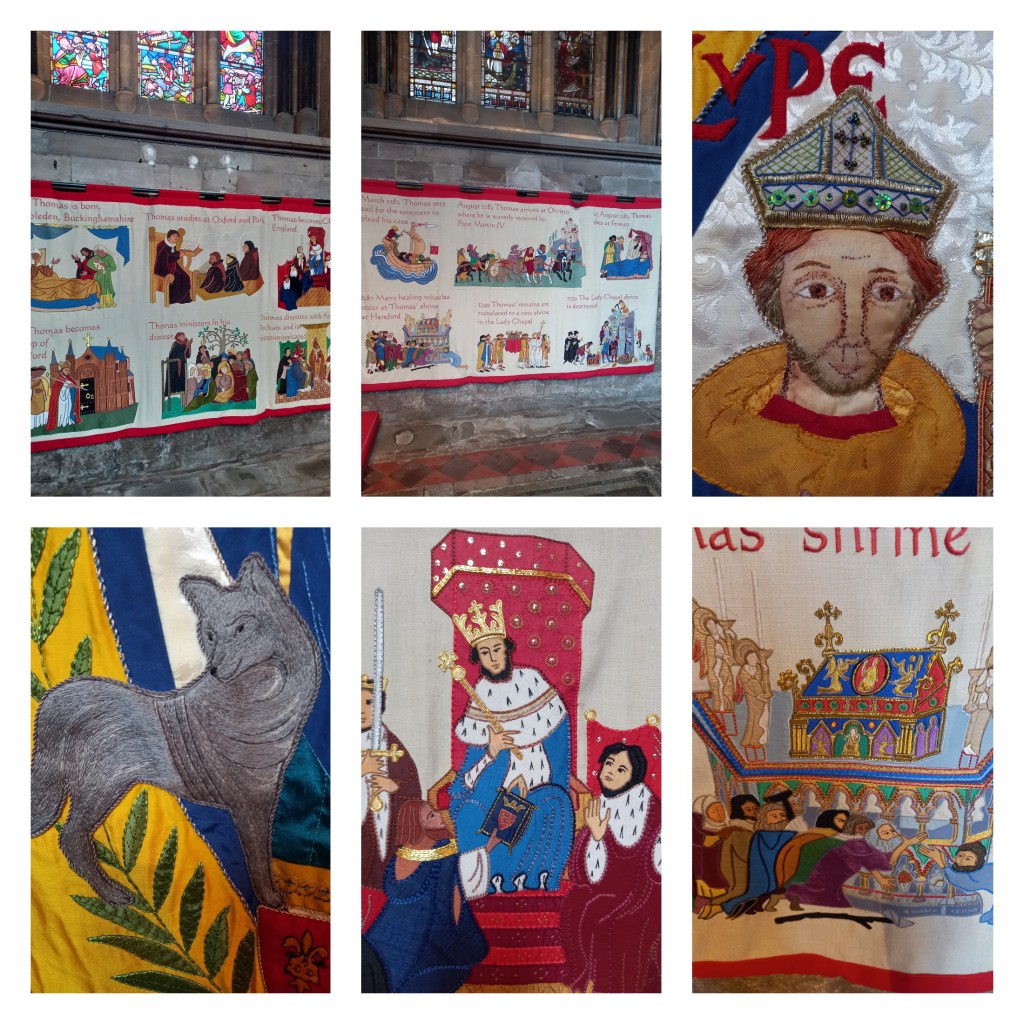
There was also a wonderful two panel applique telling the story of St Thomas, whose tomb has been restored to how it would have originally looked in the medieval period.

This is such a brilliant way to interpret the tomb and the piece was beautifully executed. There was no information about who made it but congratulations to the stitching team for such a wonderful piece.

I will definitely have to go back to the Hereford area, and the bordering counties as there was so much to see. I still have many Trust properties to visit in the area and due to bad weather didn’t get to do the black and white houses village trail. This area has such a wealth of medieval and Tudor history, having been the site of many border conflicts with Wales.

My next post will be about my time in Lincolnshire, an area I had never really been to before this year. That is part of what my plan was for this summer, in-between the festivals, to really explore very different parts of the UK.

I will see you all hopefully again soon, until then have fun, take care, stay safe and thanks for visiting.

Clouds, coastlines and cottages

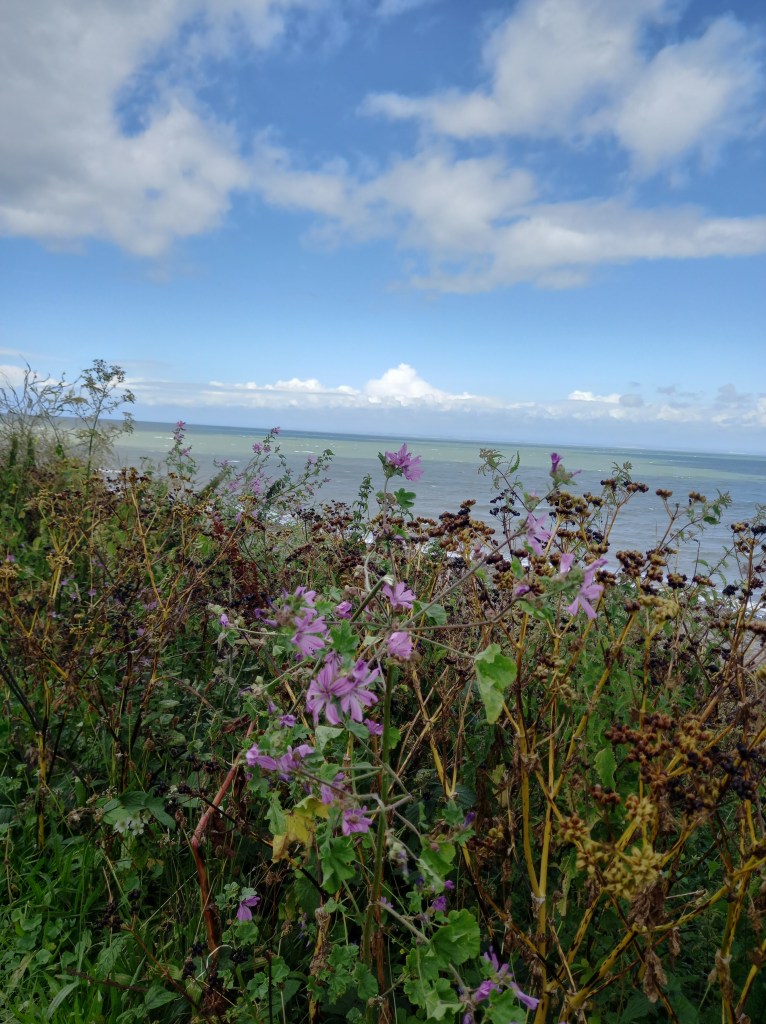
I have now been in Somerset for nearly a week and am very much enjoying my time here. The weather has been variable, but that has meant lots of opportunity to watch the cloud formations over the sea and moorland so I don’t mind at all.

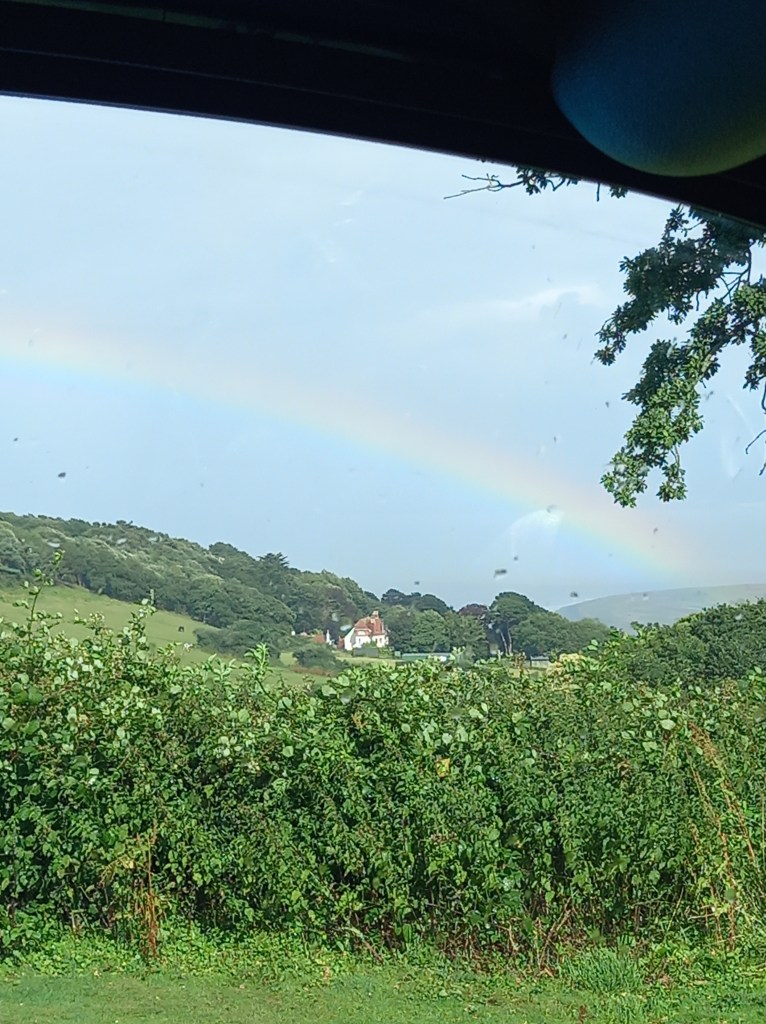
There have also been some fabulous rainbows across the bay.

I have had various posts from friends who are melting in Spain, so am enjoying my 17 degrees!

Minehead is a very cute little town and is the start of a coastal walk, of which there are many sections. I have only done a bit so far due to the rain, but have enjoyed the sea and pebble beach views, very different to my Spanish scenes.

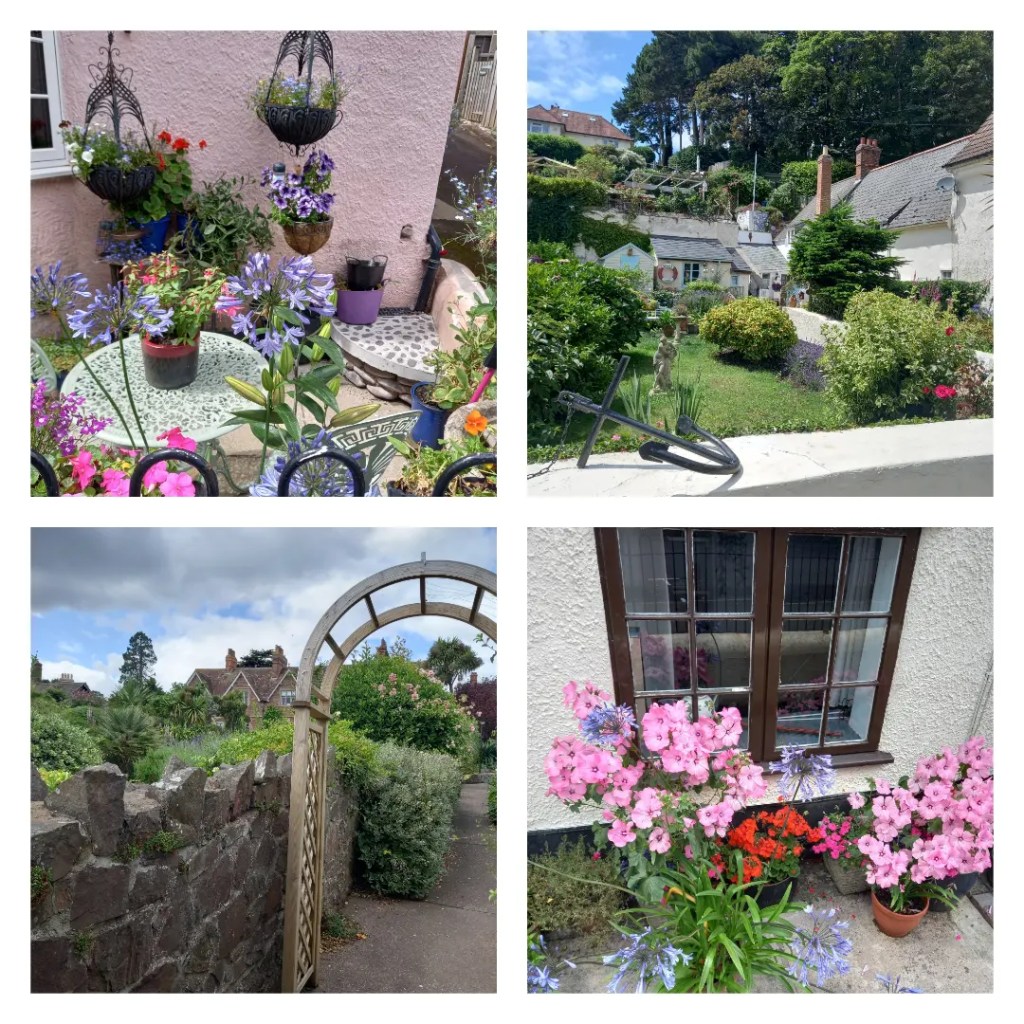
The harbour at Minehead has some cottages with beautiful little gardens.

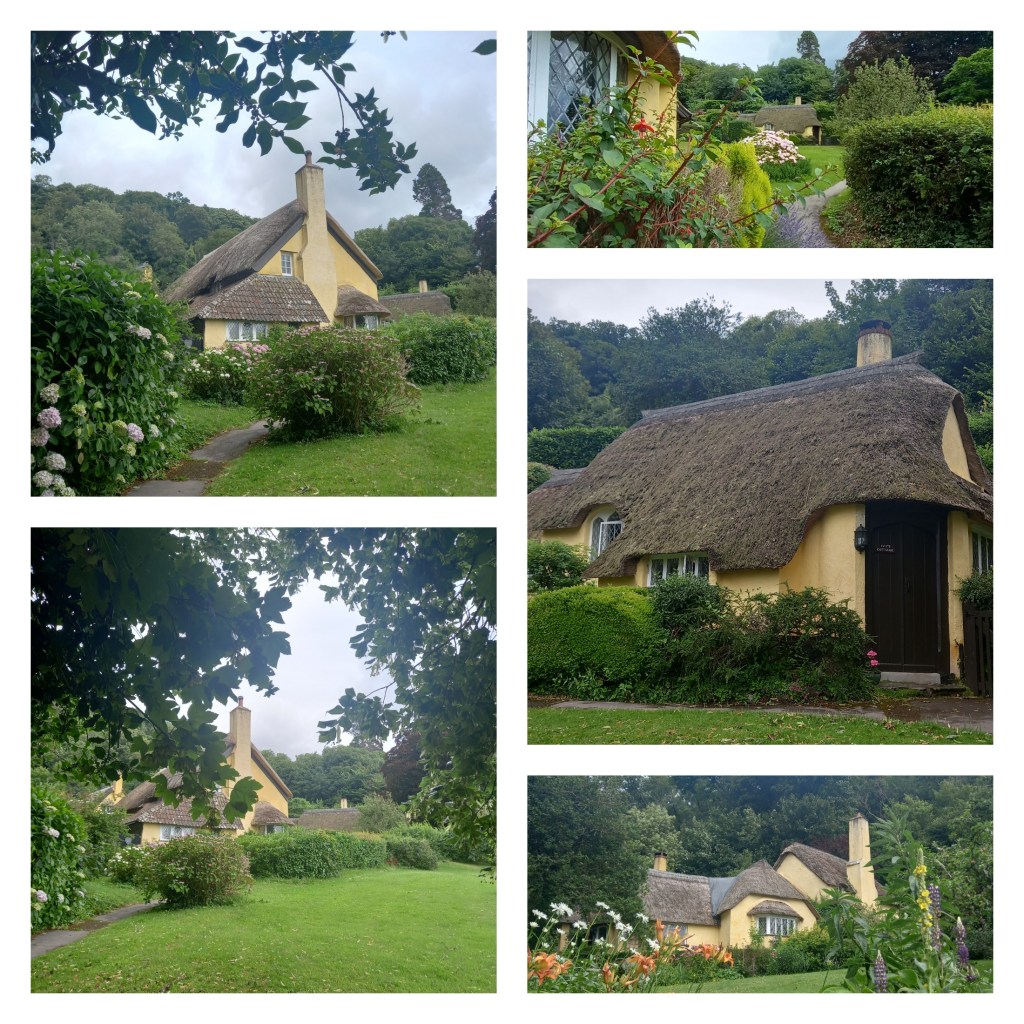
Somerset is full of quintessentially English thatched cottages and today I went to Selworthy, a National Trust village.

There are four gorgeous little cottages, grouped around the village green, with gardens with some of my favourite flowers in.

Two are a tea shop and gift shop and I think the others can be rented.

There were lovely views over the valley.

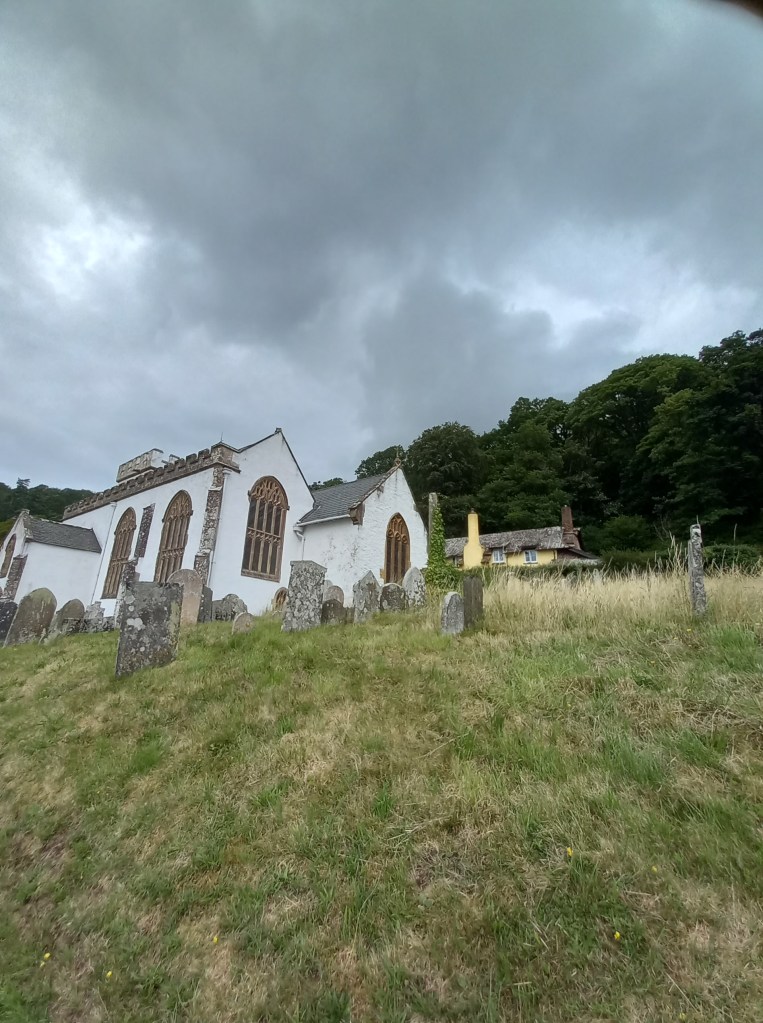
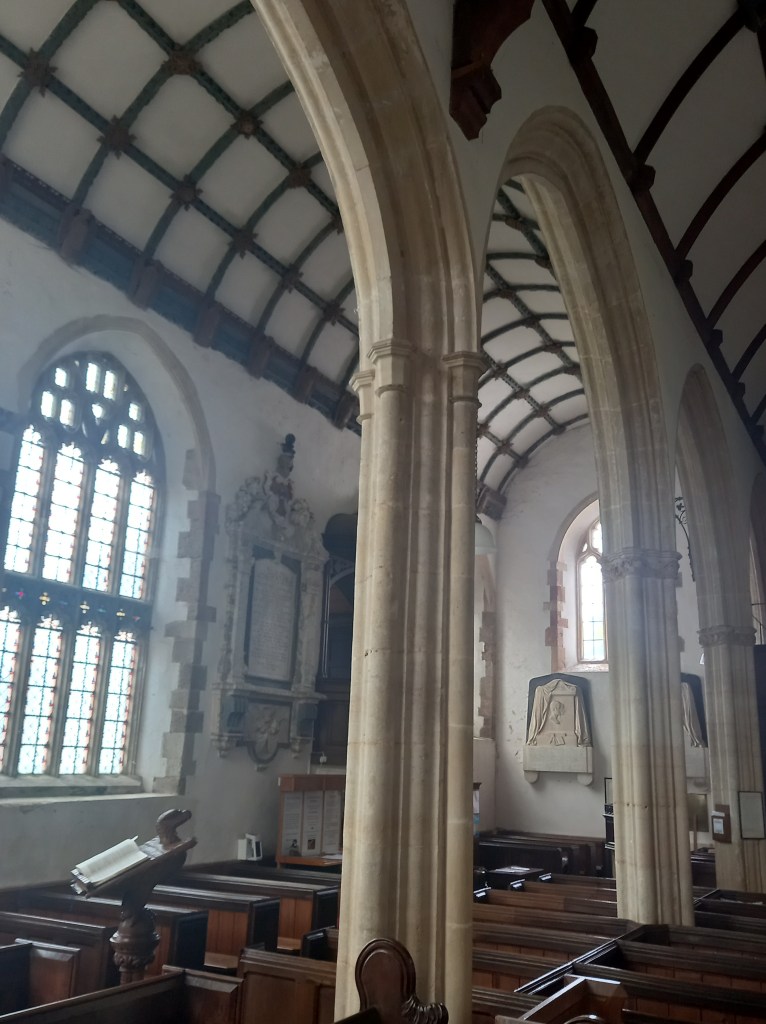
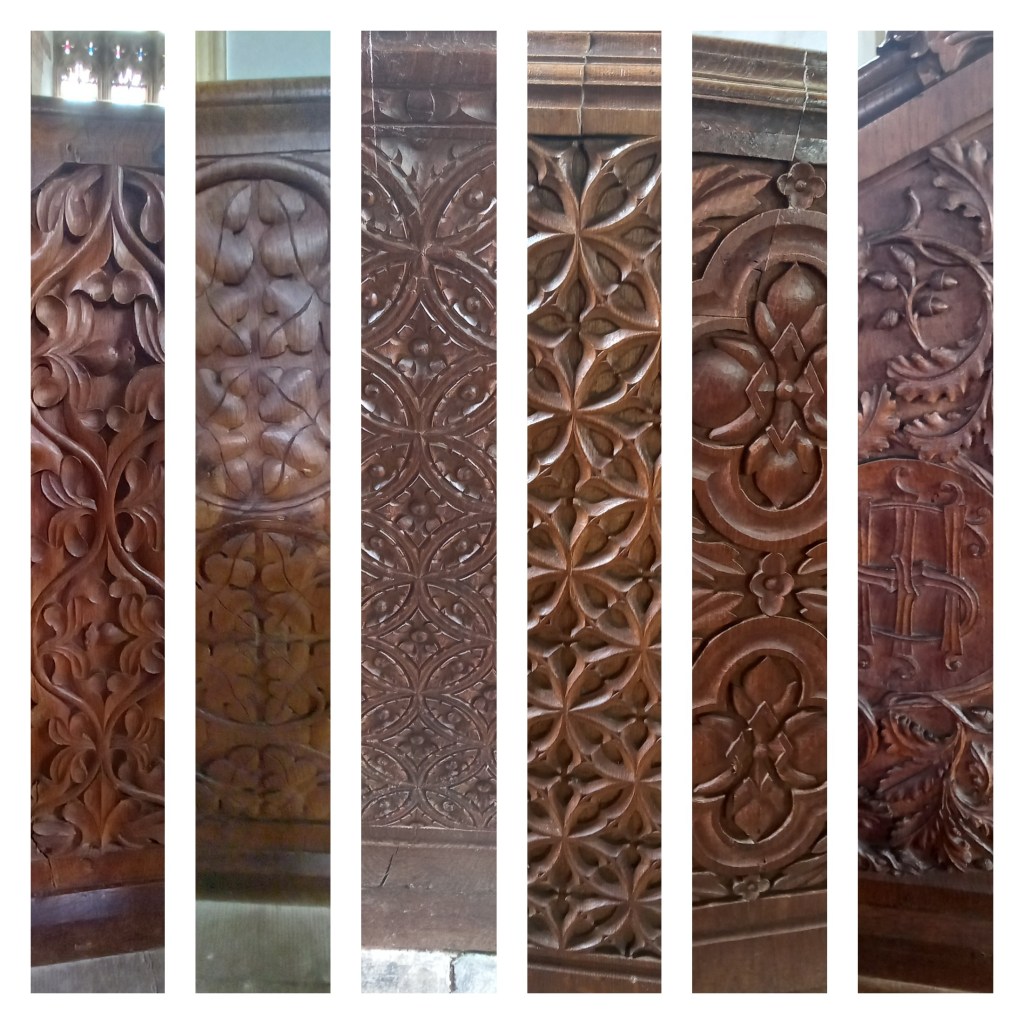
The church there was also very impressive, with stunning carved pews and a ceiling full of carved angels and bosses.

There was also another of the Mother’s Union Virgen Mary banners that I have seen in so many churches.

I would love to know if the patterns were centrally supplied for these, as I have seen so many that are similar on my travels.

I also went to Porlock Weir, for another set of cute cottages and pebble beach, and one of the smallest museums I have ever visited.

This was a packed room of all things sea related.

There was some great stuff, like this set of signalling flags from the 1800s.

I am trying out a new app that allows me to make collages which are faster to upload while on the road so I hope you like the layout.

I have another four days here so there will be yet more Somerset fun to share later in the week. Until then have fun, take care, stay safe, and thanks for visiting.

Days out with Rosa and Dave!

We have two excellent coach companies here that do day trips and longer tours and we use them a lot, especially when we have visitors. Not only are they great value for money, the drivers are very good at navigating the often winding mountain roads around here! Rosa Tours and Dave’s Coaches both offer more or less the same trips, but often on different days. They always have knowledgeable guides who also tell you more about the history of the places you are visiting.

Murcia is a beautiful city about an hour inland from here. Like many Spanish cities it is a combination of Art Deco and classical buildings, and Islamic inspired water gardens.

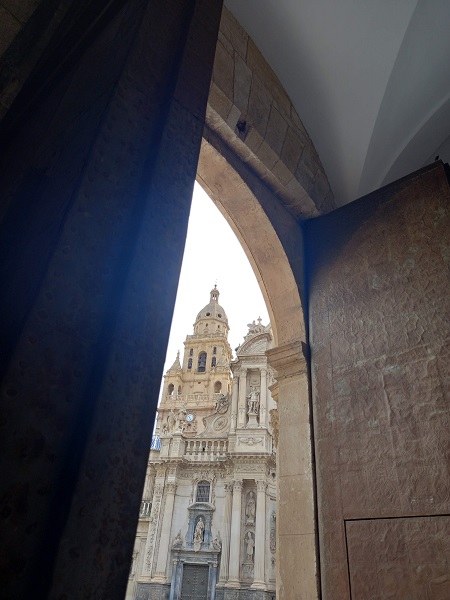
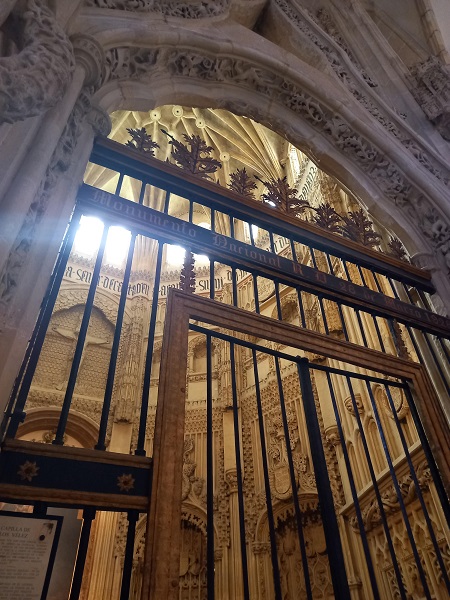
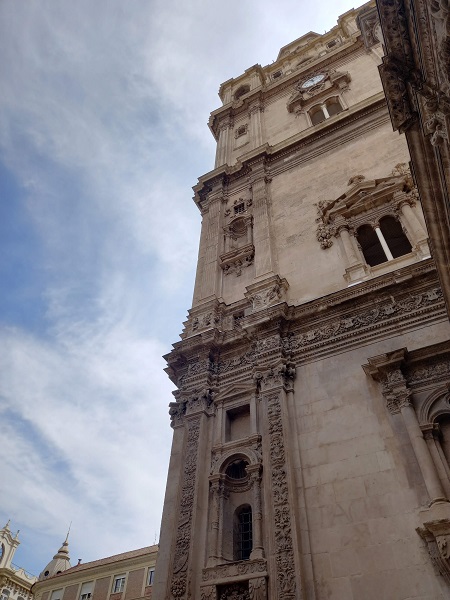
It also has a cathedral with a very ornate Baroque frontage, and a wonderful chapel with the most intricate carved stonework. It is just amazing to think of the hours of work it took to make this. I love the way the light comes through the windows.

I always like to take pictures looking up, to see the contrast between the stonework and sky.

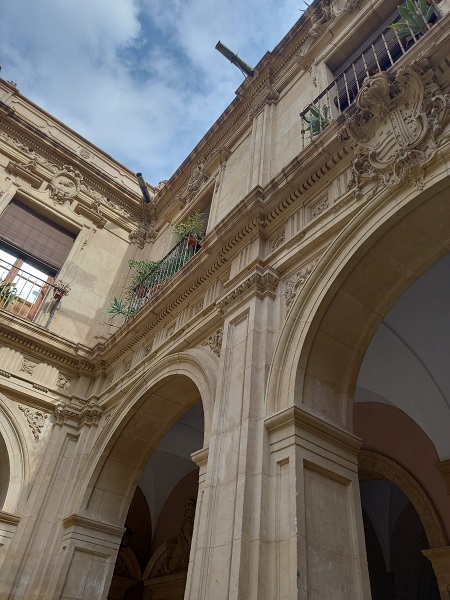
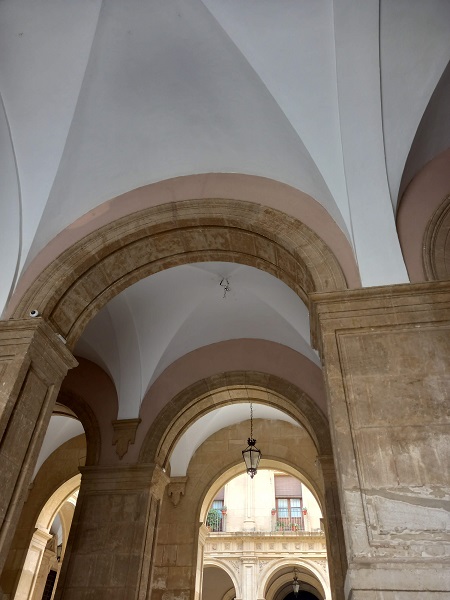
The Bishops’ Palace was open as well and I loved the stonework and arches here. Also some good inspiration for more blackwork designs.

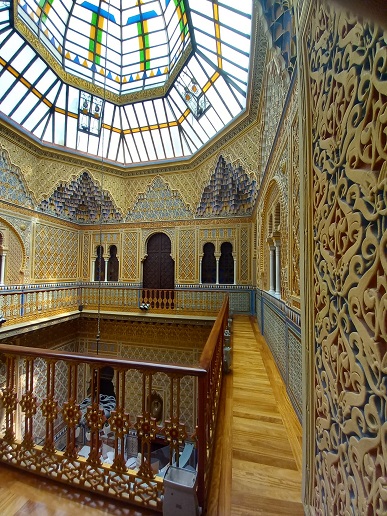
Possibly the most awe inspiring building is the Casino, which in Spain means gentleman’s club. The building is stunning throughout, but it is the entrance hall, which is modelled on the Alhamabra in Granada, that is the most amazing.

The flamingo ironwork in the reading room was really unusual. This year we have more flamingos than ever as they are now staying here year round and nesting so there are hundreds of them on the salt lakes.

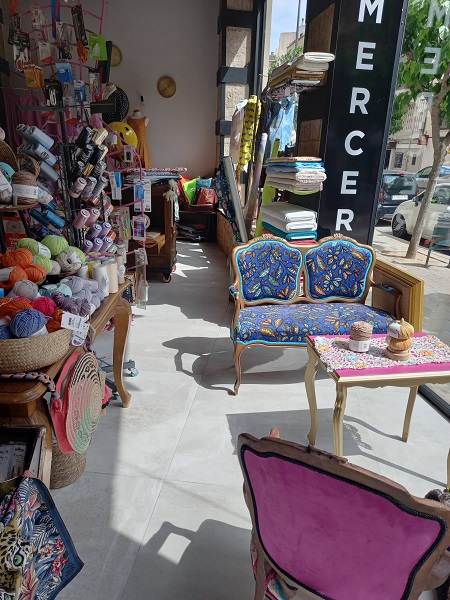
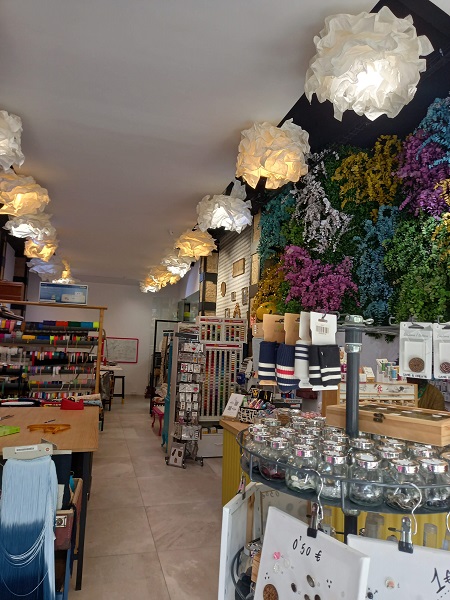
Sharon and I also discovered a very lovely haberdashery shop that I will definitely return to. The décor was brilliant, we loved the Darth Vader sewing mural ! The shop is called La Mercerie Café Buton if you are in the area.

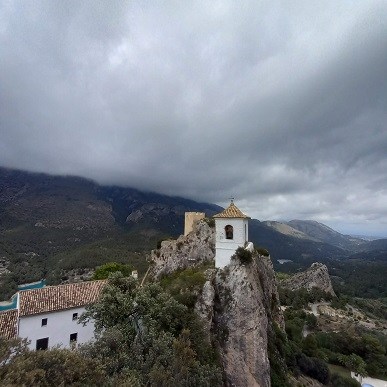
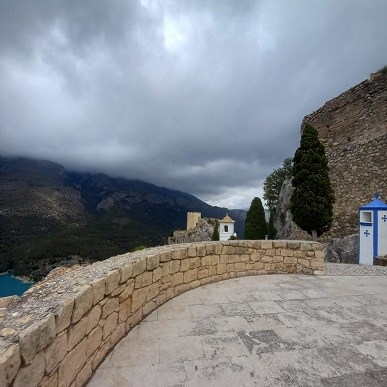
A few days later we went up into the mountains. Sadly it rained a lot on the part of the visit to the waterfalls so no nice pictures from there, we sat in the café overlooking the falls rather than climbing up. Thankfully the weather cleared for the second part of the trip to the mountain village of Guadalest, famous for its castle, tiny chapel and views of the amazing turquoise water in the reservoir below.

The clouds made the photos extra dramatic and I love the contrast between the water and the sky.

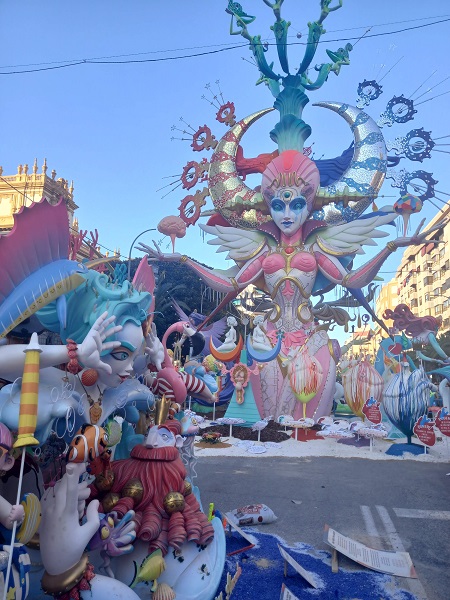
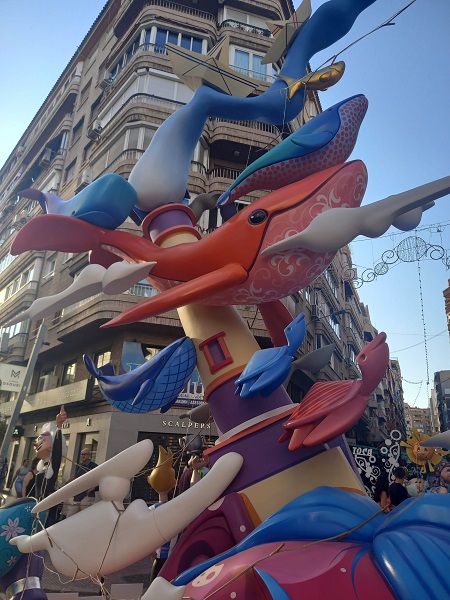
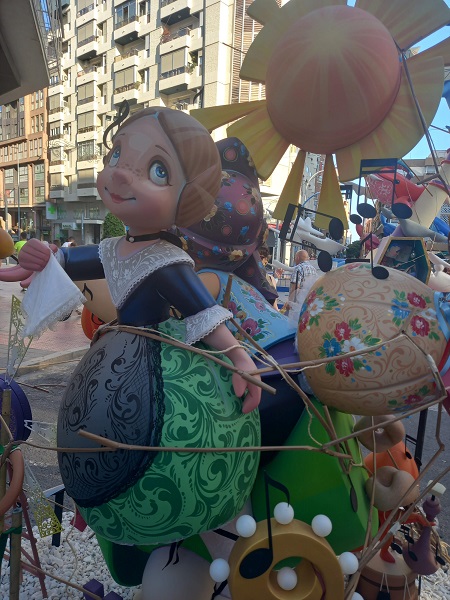
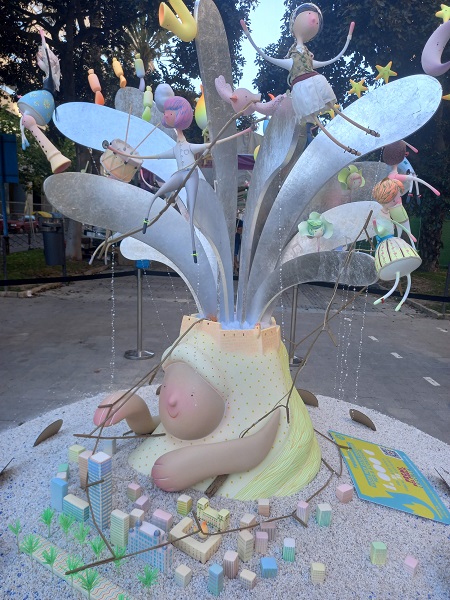
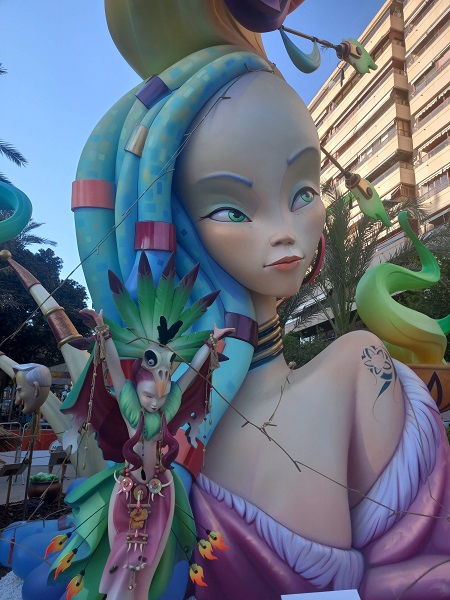
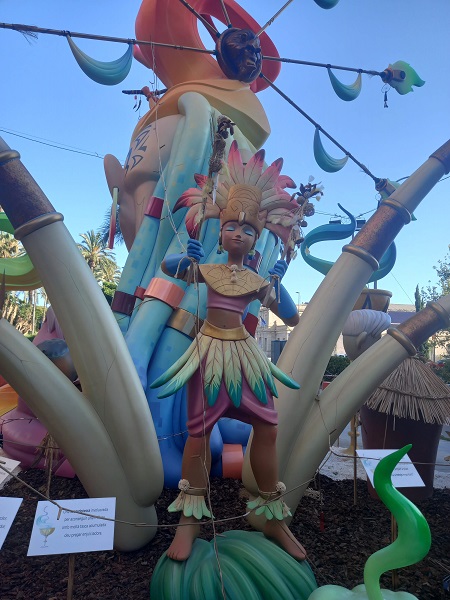
There are also always coach trips to see the fiestas, which is especially helpful as then you don’t have to worry about parking. We were at the Fiesta of St John in Alicante last weekend, which celebrates the birth of the saint, and the midsummer solstice. The Fogueres festival consists of beautiful sculptures which are created from polystyrene all over the city. At midnight on the last day there are fireworks, and then all of the sculptures are set alight in huge bonfires, which you can one of in the last picture. People then party long into the night.

I do love a good fiesta, or festival, anything where people are enjoying themselves, and it is great to people watch. The Spanish really know how to party, and there were bands, dancing and firecrackers going off everywhere.

I am so looking forward to a summer of festivals in the UK as well, I have 3 music ones to go to, none of which I have been to before. I am excited about making new friends from my campervan Facebook group, might just be taking a few campervan pics for you 😉 and continuing to live the dream.

I have just celebrated the second anniversary of my retirement, it has gone so quickly, and been so amazing. I still can’t quite believe that I don’t ever have to go back to the busy summers I used to have with endless marking and recruitment. I can just spend all of my time planning more adventures. I am so lucky 🙂

This will be my last post from Spain so I will see you next on the road, somewhere in the South West of England. Hope you have a good couple of weeks until I next post, as always, have fun, take care, stay safe and thanks for visiting.

Temples, shrines and Buddhas

As you will know if you have been reading my blog for a while I love visiting religious sites, and we were lucky enough to see many temples and shrines while we were in Japan.

I will post separately about our rural trips, as there were smaller shrines there, but these were the ones within the cities of Tokyo and Kamakura.

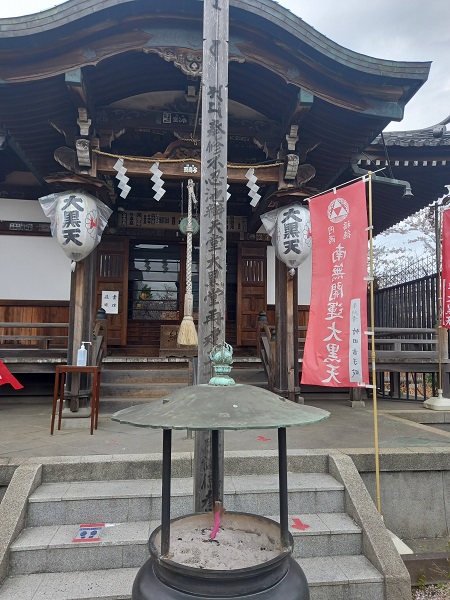
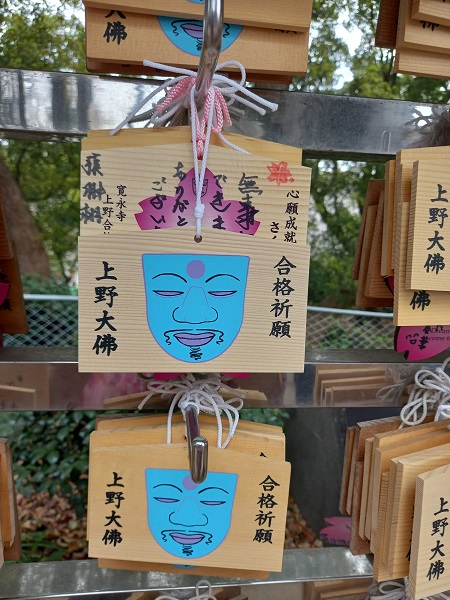
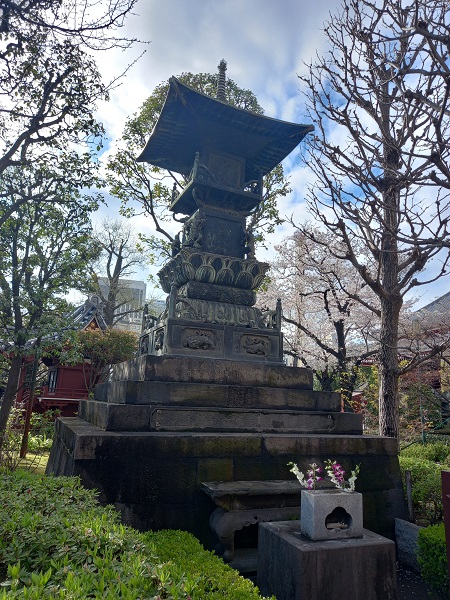
Shrines are everywhere in Japan and one of the first that we visited was this one within Ueno Park when we went to see the blossom. Many of the shrines are not old, as they have been damaged by earthquakes, but some parts have been preserved, like the face of this Buddha, which is from one that got destroyed several times.

The Buddhist and Shinto religions are very different from others I have visited previously, such as Catholic and Muslim. The focus is on personal devotion, of visiting shrines, lighting incense, and buying good luck charms, rather than on collective worship.

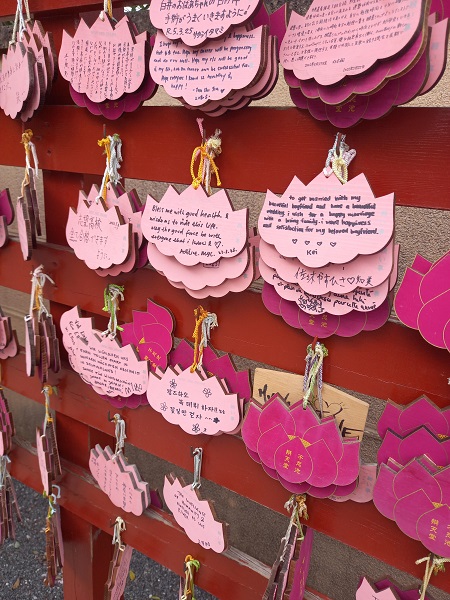
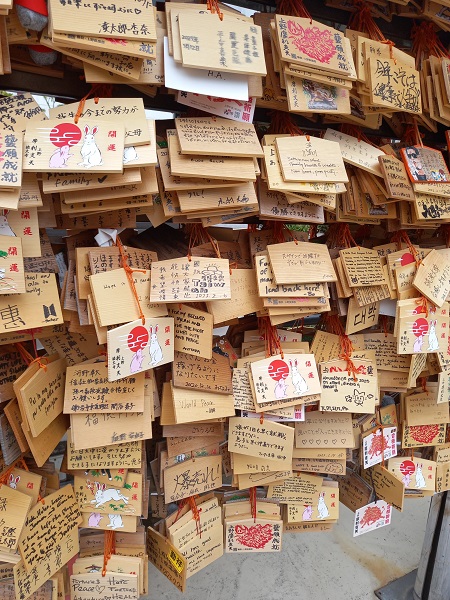
These plaques that you could buy to write your prayer on were everywhere, with some lovely messages written on them.

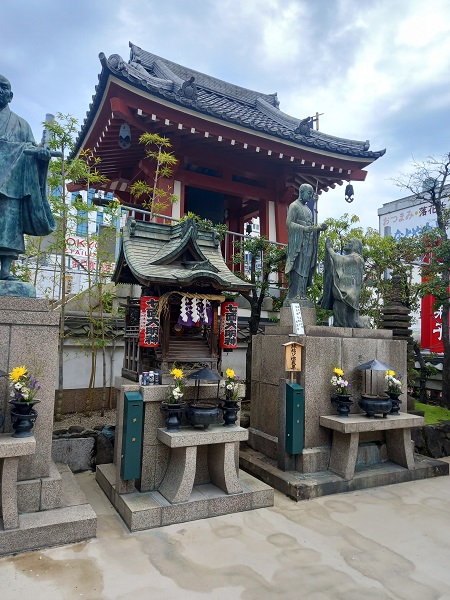
The next shrine we went to was a small city one, visible from the train line and just above the street market.

It was again full of prayers and scores of lanterns.

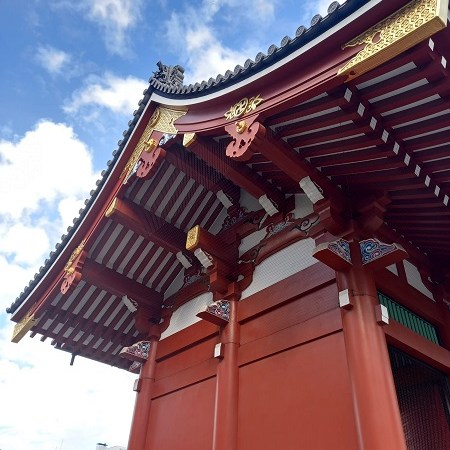
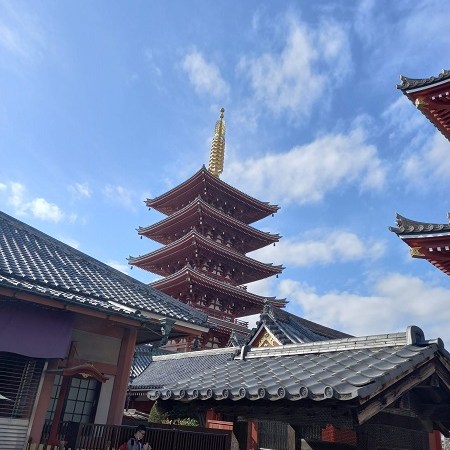
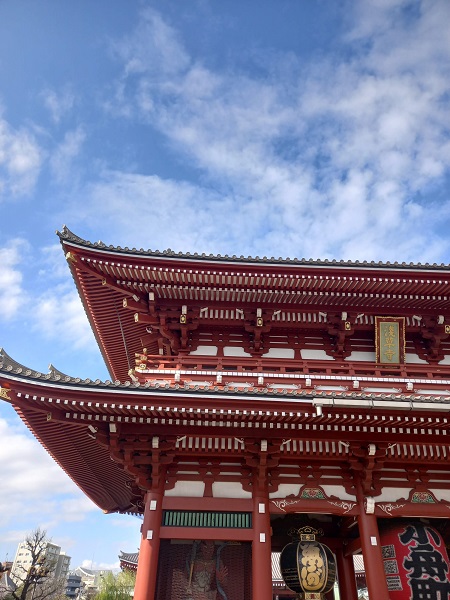
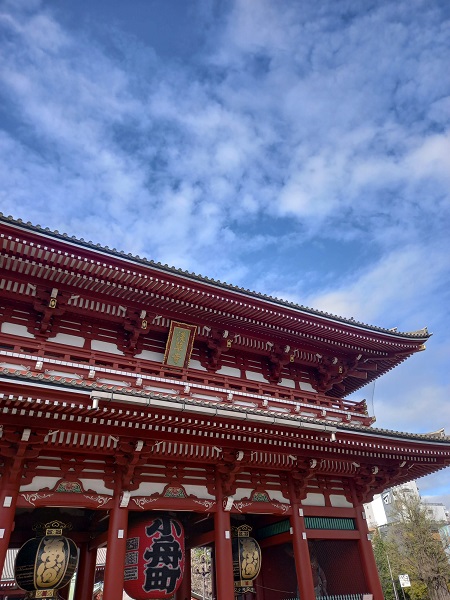
We also went to the most visited temple in Tokyo, the stunning Senso-ji, which is very popular with people who rent kimonos and dress in them for their visits.

As well as the temple complex there are beautiful gardens and lots of people posing for photos, in kimonos as well as these beautiful Korean Hanbok outfits.

These women were kind enough to let me take their picture, there were so many beautiful kimonos there that day.

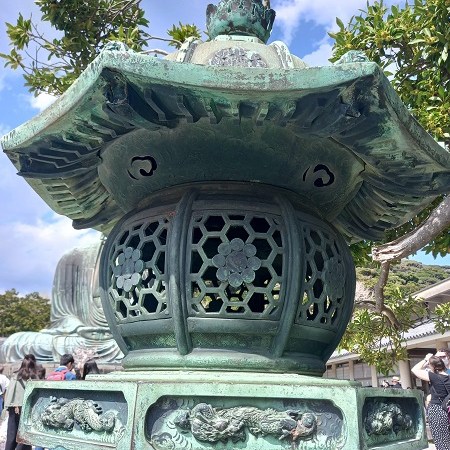
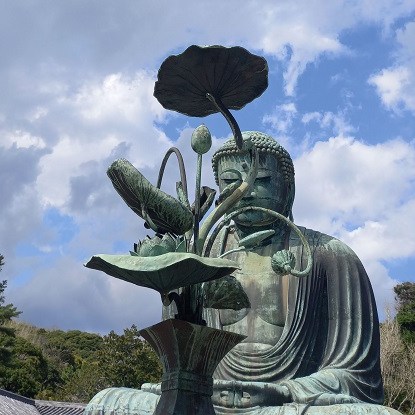
One of our rural trips ended in Kamakura, which was the ancient capital of Japan until 800 years ago. There we visited the largest seated Buddha in Japan.

This Buddha dates from the mid 1200s. It has survived three major traumas of earthquakes and tidal waves, and has been repaired and restored many times.

I love the temples and shrines, as they are so different from other types of churches. Although they are crowded and noisy, rather than peaceful like other churches I have visited, it is fascinating to see the different types of beautiful architecture, especially my favourite, lovely doors!

It has been a quiet first week back in Spain, deliberately as I am off on my travels again tomorrow, away with Mum for her birthday, so I will be busy updating the blog with all the rest of the Japan adventures and that trip when I return.

It is lovely to be back home. I have been unpacking all of the haberdashery goodies from New York and working on some Barbie outfits, as I have a fundraiser coming up in a few weeks.

I hope that you have all had a good week and are enjoying spring (or autumn, depending on where you are). This is my favourite time of year in Spain, it is sunny, but not yet too hot, so I have been enjoying evenings sitting on the terrace reading and watching the glorious sunsets.

Hope you enjoy whatever you have planned for your time, have fun, take care, stay safe and thanks for visiting.

A wander around Wolverley

The planned visits to Trust properties didn’t happen due to some heavy rain so instead I have been taking advantage of the time to organise the van and have a walk around the village.

This is what I love about being able to travel with no time restrictions, I can spend my life being able to not worry about seeing everything at once, and just enjoy where I am. I will be back in this area in the summer so will add the properties to my list for then.

Wolverley is a very cute little English village, and had a couple of unusual features that make is special.

The first is a local legend concerning the Lord of the Manor, Sir John Attwood, who went off to fight in the early 1200s in the Middle East. He was injured and captured, but was then allegedly mysteriously returned home by a swan.

The legend is commemorated by a carving near the river and the knight’s effigy can be found in the local church.

The Manor House is now a nursing home, but there are many other beautiful old houses, showing this has always been a place of importance. This one below was built in 1876 and reminds me of Lacock Abbey, another Trust house.

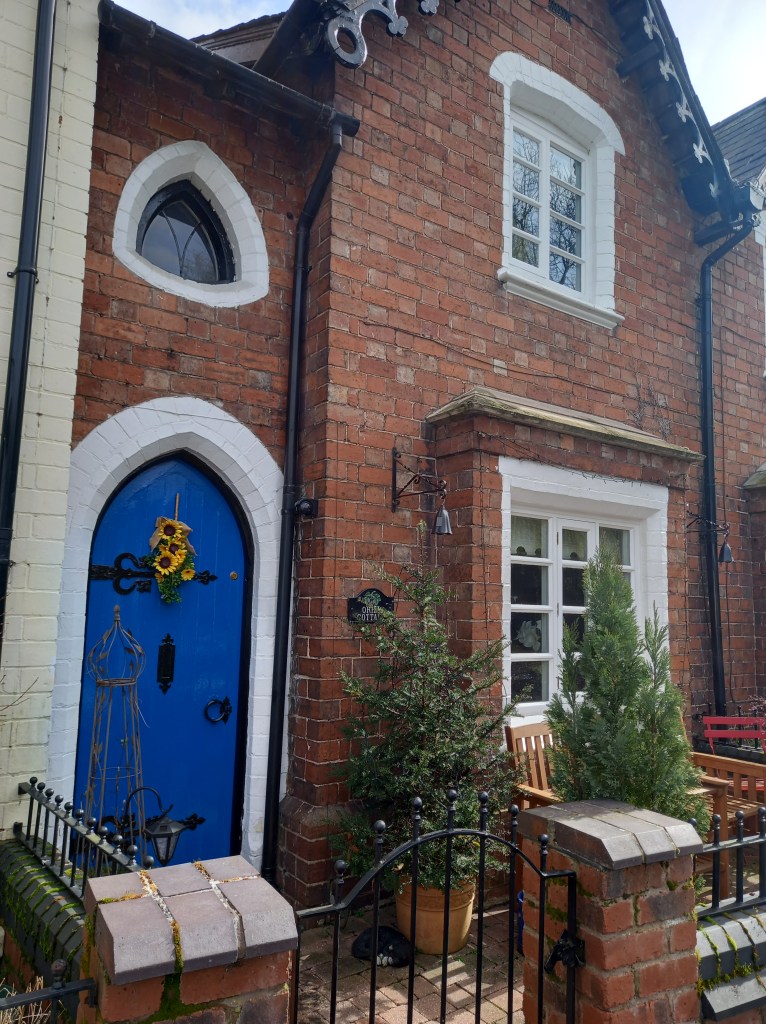
There are also some very cute cottages in the middle of the village, some made even more special by the matching garlands on the doors!

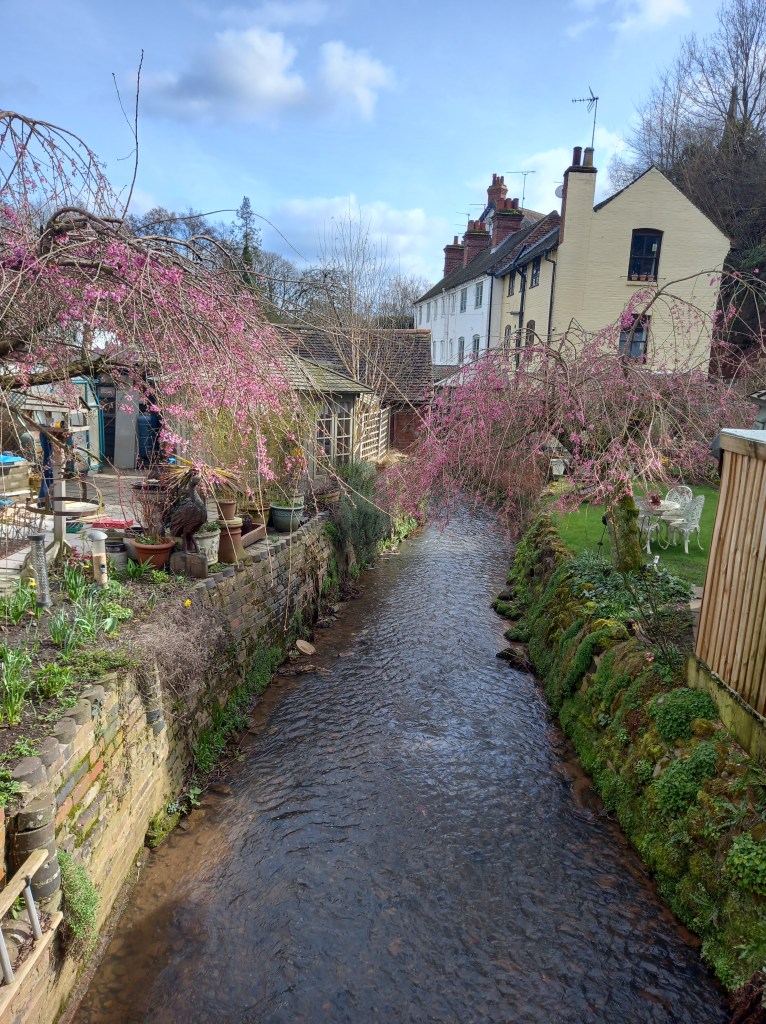
I love the idea of spring or Easter wreaths as well as Christmas ones, these tulips are so pretty. It was lovely to see all the trees in blossom along the river.

The village is dominated by a beautiful church which sits high on the red rock outcrop, with a winding path up to it.

As with all old churches there were some gorgeous headstones.

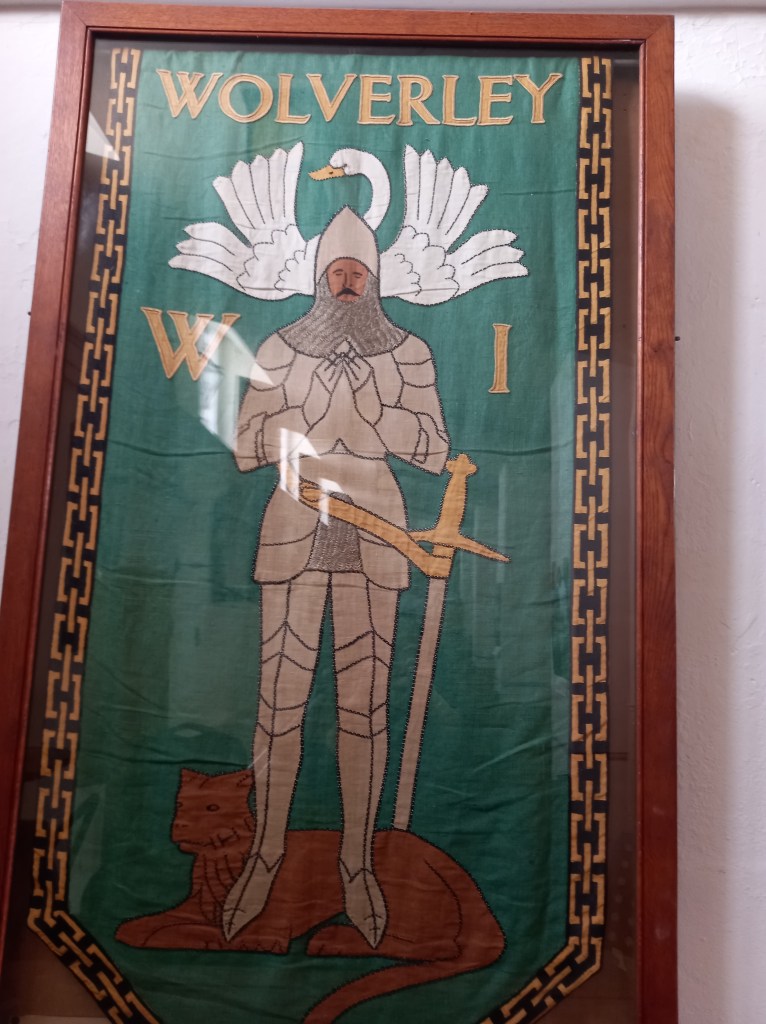
There was also some beautiful embroidery done by the local Mothers’ Union and WI.

I have seen a similar Mary stitching in other churches so maybe it was a common thing for the Union to make.

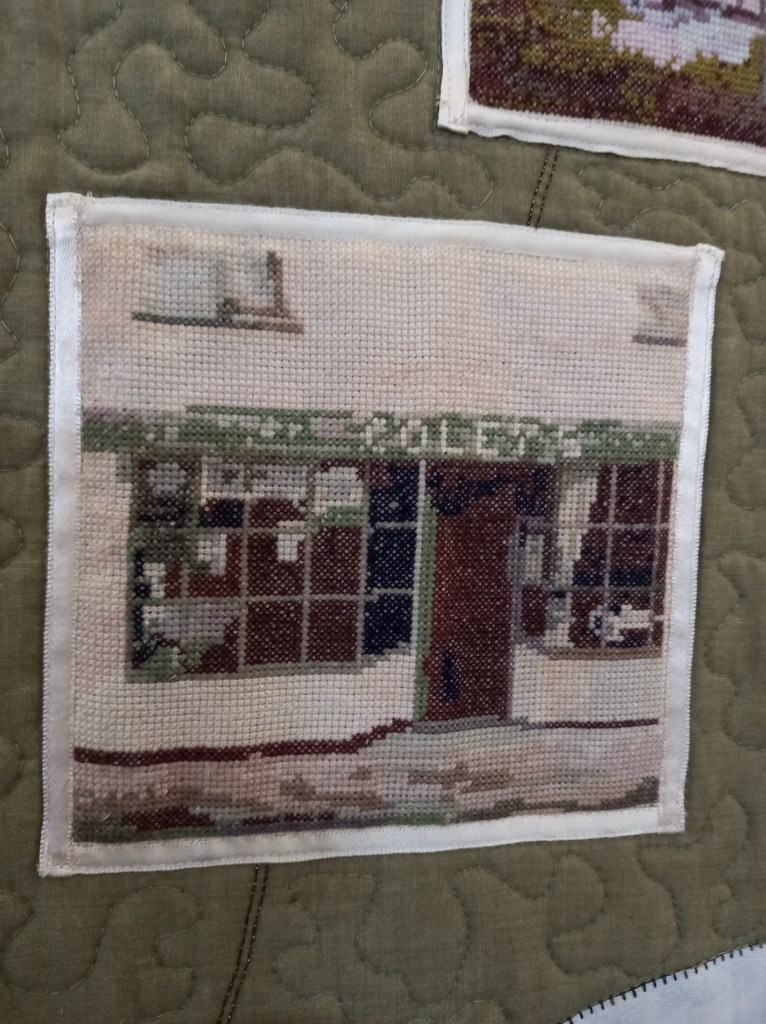
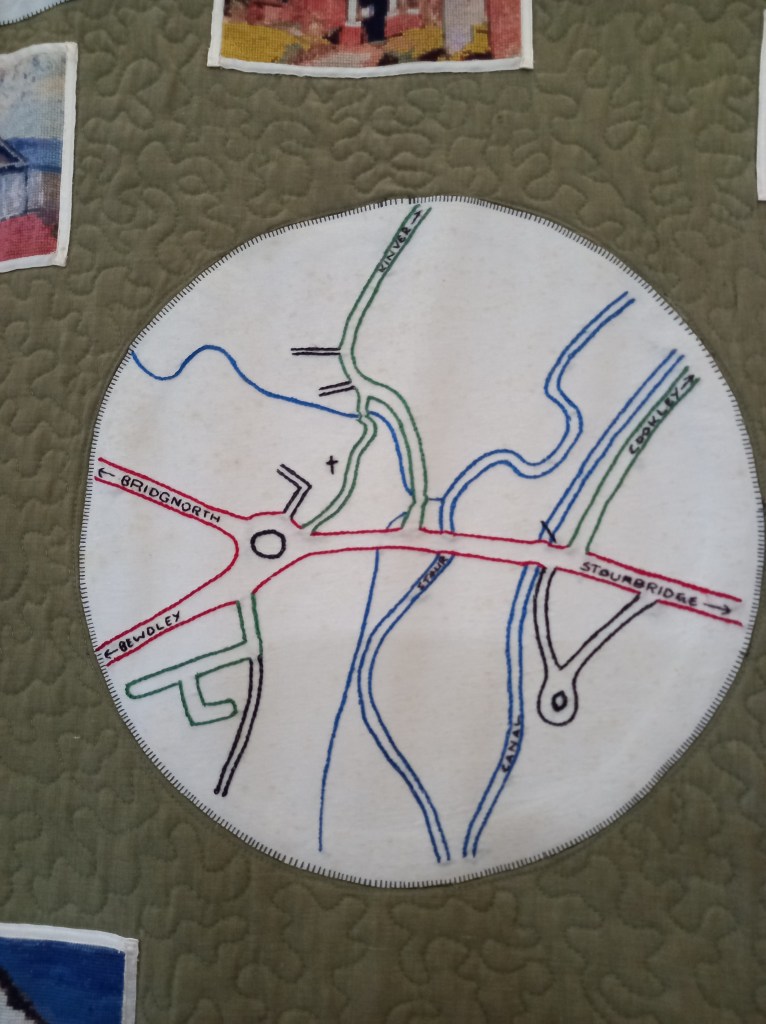
In the church there was also this very unusual stitched map. There were cross stitched pictures done from photos of village locations with an embroidered map of the village, and information about the houses.

It was there I discovered that the village had some old Rock houses. Similar to the cave houses in Spain, these are a feature of this area.

There were two old ones in the centre of the village, clearly long abandoned but it looked like one had maybe been used for a Nativity or Santa’s Grotto.

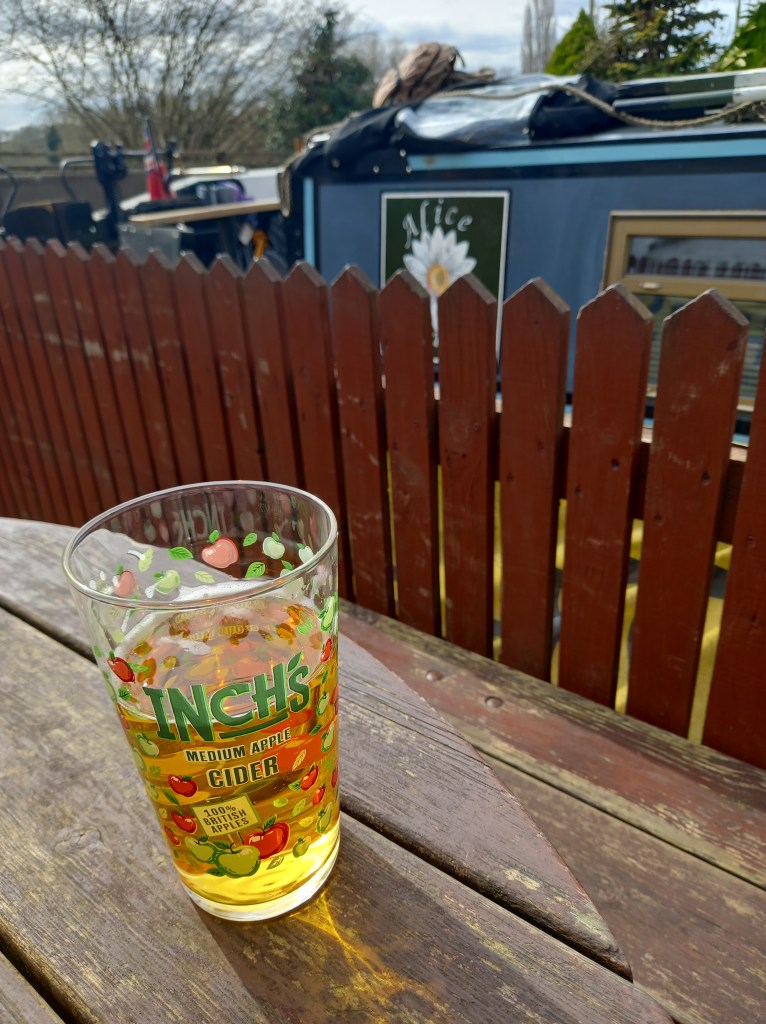
I love little wanders like this, off the main tourist trail, it is so interesting what you find. I ended with a nice pint of cider watching a boat go through the lock, all in the name of canal history research you understand!

The van is now sorted properly, I needed to live in it again for a while to work out where things would be be stored and maximise my space.

I will be going back to my sister’s tomorrow and leaving Katy behind for a few months. I still have lots of adventures planned though so will be back here with more of those soon.

Hope you all have a good week, have fun, take care, stay safe and thanks for visiting.
A cluster of cloisters

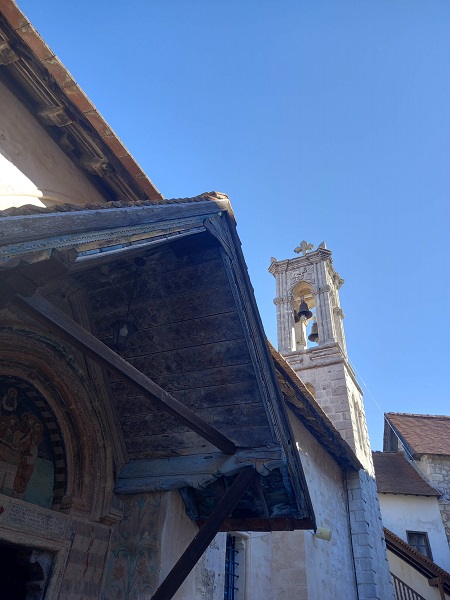
I don’t know what the collective term for cloisters really is, but I saw so many on my trip to the Troodos mountains. The trip specifically exists to visit three of the many monasteries in the Troodos mountains here in Cyprus, and was an excellent day out, combining two of my favourite things, mountains and religious architecture.

As you may know if you are a regular reader, I love going on coach trips. Even though I now have the van, being on a coach trip with a knowledgeable guide, and a driver who can cope with the endless, very twisty mountain roads, is an excellent way to see the area and the trip was brilliant.

I was picked up at one of the local hotels just 10 minutes walk away, and we also got to stop for a delicious buffet lunch, and visit one of the mountain villages as well. A very worthwhile day out that I highly recommend if you come here.

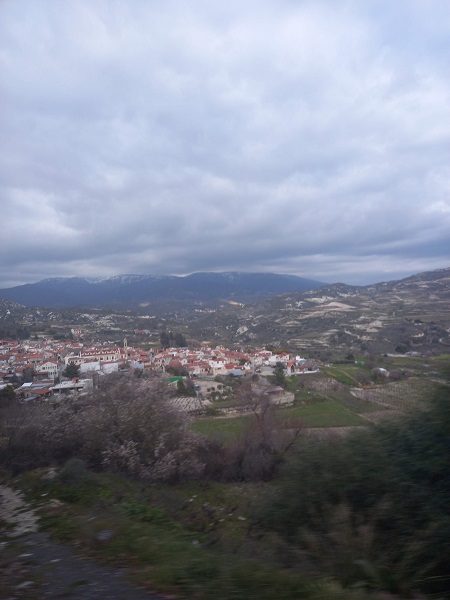
The drive through the mountains was well worth the trip alone, it was brilliant to see such a different side of Cyprus, including quite a lot of snow.

They have actually had less snow here than previous years, however there are four ski resorts in these mountains. We drove all the way around Mount Olympus, the highest mountain in Cyprus.

The first monastery was the very small Chrysorrogiatissa Monastery, in a beautiful location overlooking one of the dams.

This monastery is dedicated to the Virgin Mary and the legend of finding an icon in a golden pomegranate tree.

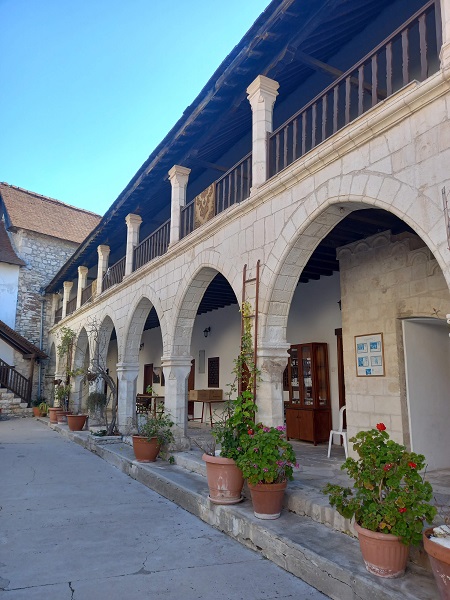
The monastery was a beautifully kept stone structure, and you can see how life there would have been peaceful and allowed for lots of contemplation.

The second visit was to the Kykos monastery, where the icon in the church is said to have been painted by St Luke.

There are lots of representations of this icon, in mosaic and wall paintings. I bought a small version to bring home with me as well.

This is one of the largest, richest and most famous of the Cypriot monasteries, as it is where the first president of Cyprus, Archbishop Makarios 3rd, was educated and was a monk. Our guide told us a lot about his life and filled in some of the gaps in Cypriot history for me.

The archbishop was heavily involved in the fight for Cypriot independence from the British and in the later invasion by the Turkish army.

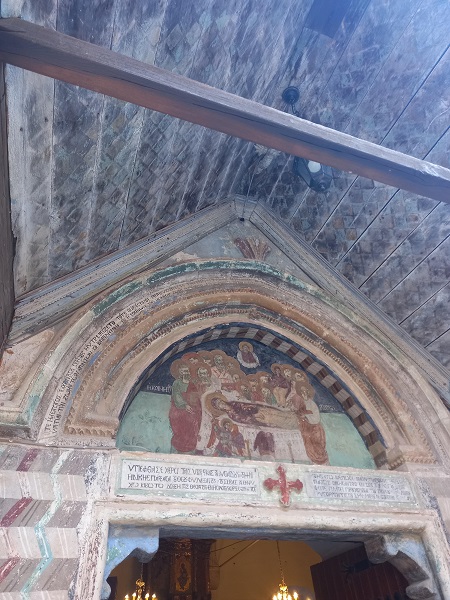
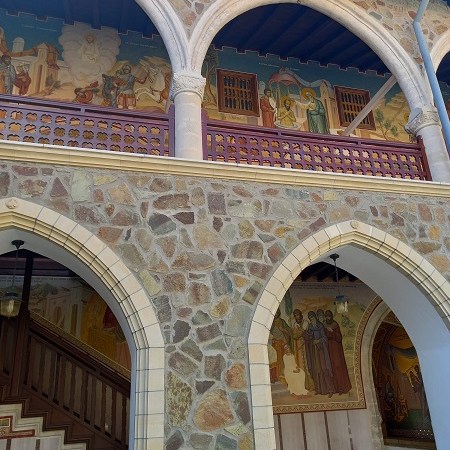
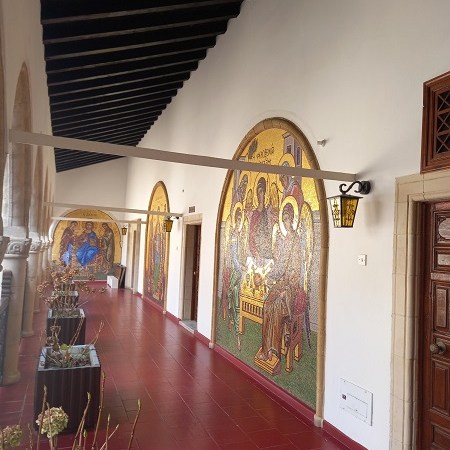
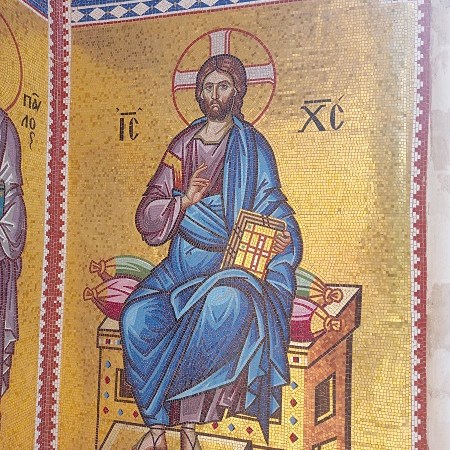
It is a stunningly beautiful place, everywhere you look there are courtyards and wall paintings and the most incredible mosaics.

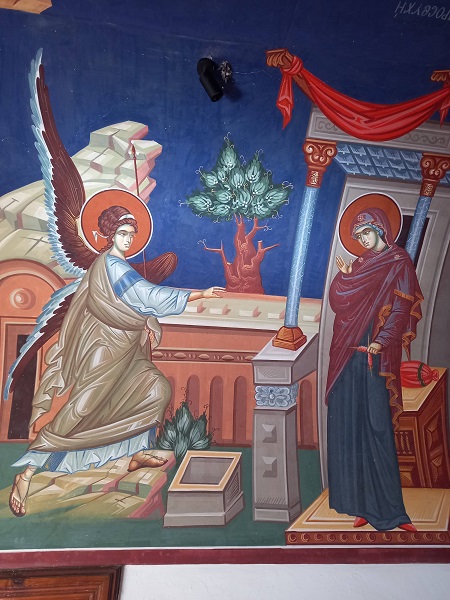
I think these are my two favourite paintings, the Annunciation and the Nativity, both from this painted ceiling.

There is just so much to see and take in.

Cypriot monasteries, and churches, are not without turbulent histories. Many have been damaged by earthquakes, the last large one here was in 1953.

There have also been long periods, such as during the Ottoman Empire, when the dominant religion has changed, so monasteries have been abandoned or heavily taxed. This monastery is the fourth rebuilding on the site and dates from the mid 1700s.

There were no pictures allowed inside the church so I found this one on the internet.

It doesn’t really do justice to the absolutely stunning ceiling, which was painted in the most gorgeous shade of blue. There was also an amazing reliquary display next to the church. Many items have been donated to the monastery by visiting officials, and there are multiple saints’ bones in decorated caskets here.

The final monastery was in the village of Odomos, a wine region village which has been restored.

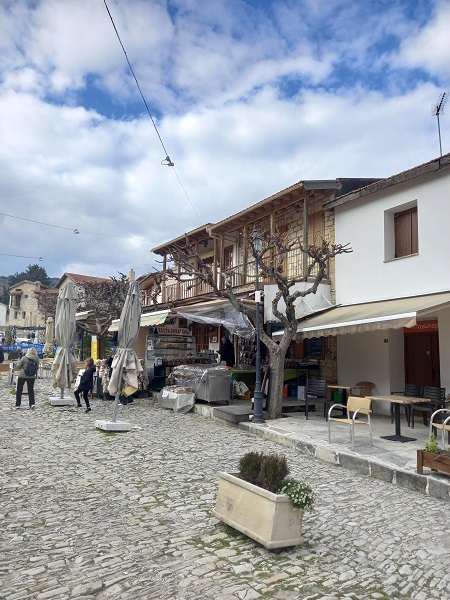
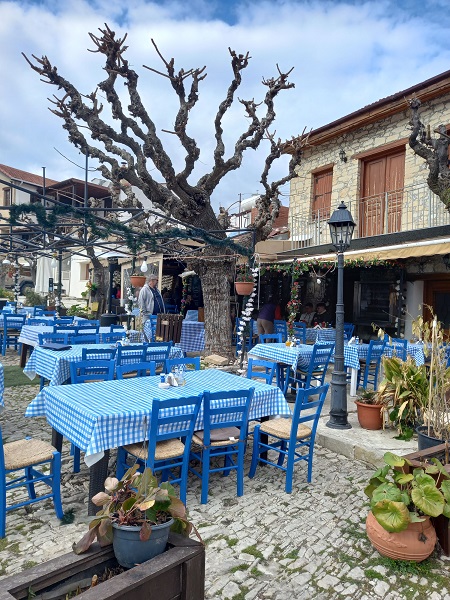
The village houses around the monastery square now host cafes and shops, as the area is very popular with tourists.

It was lovely to see some of the traditional old buildings, as I have not had the opportunity to do that before now.

This monastery is now closed, though its church still remains open. Here there is a piece of rope which is said to have come from when Jesus was tied to the cross.

This was reportedly given to the village by Queen Helena, mother of Constantine the Great, while she was travelling through Cyprus from Jerusalem. There is also a piece of the cross that she gave them as well, both relics encased in silver crosses within the church.

They also had a great little museum with some 18th century Russian goldwork.

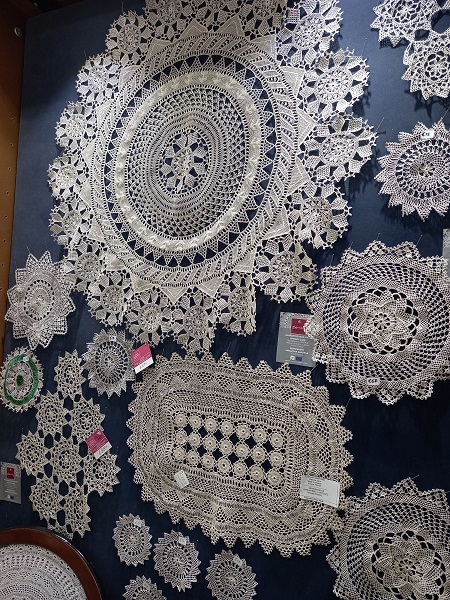
I found a lovely shop selling actual traditional lace so bought a little doily. I plan to frame it for the craft space at home. Truly a wonderful day with lots of my favourite things 😉

I have been to see the Roman sites here over the last few days as well, and visited two very different museums. I’m hoping to squeeze another couple in before my return to the UK the middle of next week.

I have also spent time with my friends from Spain and we are having a Cyprus branch of our Knit and Natter group on Monday afternoon. Lynne has promised to teach me how to finally crochet flowers, so I am very excited about that!

Will return with some more loveliness for you soon. Have fun, take care, stay safe and thanks for visiting.
Nicosia part 2 – more doors, and more textiles!

I am definitely loving the Cypriot doors, and balconies. Again most in Nicosia had the dates on, and all seemed to be from around the same era as in Larnaca, which I found very interesting.

I did find one dated to 1718, and part of the city walls with a gate, but all the others are a very similar style and from the early 1900s.

Being an amateur building historian I can only assume that they was a lot of building in all of Cyprus at this time, and that possibly a lot of older buildings were destroyed to make way for these ones.

Unlike other cities that I have visited there seems to be no specific medieval area, though the Venetian walls do date from the 1570s which is the later medieval period. I did see a medieval hall near the walls as well.

I can only assume that when the British occupied Cyprus from the 1870s there was a lot of building from that point, which may explain the lack of older buildings apart from things such as the forts and castles.

I visited three museums on my second trip. The first was the main Museum of Cyprus ,which had lots of pottery and statues. I am not normally that interested in the different types of ceramics, they just don’t get me as excited as textiles do. However, there was an amazing display that was all found together.

These 2000 figurines were found displayed like this in the sanctuary of Aiya Irini, and date from the 7th and 6th centuries BC. There are mainly soldiers, waggons and horses, and there are only two female figurines.

I love the face on the bigger bull at the front of this picture above, he looks as if he is smiling!

The other really interesting thing was this jewellery display, dating from the Byzantine period of the 6th century. As well as being beautifully detailed it was interesting to see how the designs have not really changed at all, even down to the way we fasten earrings all these centuries later.

My favourites were the winged creatures in the top left picture, they were so detailed at only about one inch tall.

The second place was, The Shacolas Tower , which has a panoramic view over the city and a small exhibition and video about the history of the city. It is well worth a visit as it so interesting to see some of the landmarks from above.

I spotted the church and archbishop’s palace that I had visited in this first photo.

The one below looks towards the occupied part of the city where you can see the towers of the Selimiye Camii mosque that was once a cathedral, at the back right of the photo in front of the mountains. It has been a mosque since the Ottomans came to the city in the late 1500s so is very much part of the very diverse history of this city.

The final museum was the Leventis Museum, which is housed in three restored buildings within the city centre. This was a great museum for giving you a timeline of all of the different cultures that have lived in Cyprus, showcasing Venetian glass, Ottoman jewellery, and having some excellent examples of textiles.

There was a whole display devoted to maps and books written by the many people that had travelled to Cyprus, often on their way to the Middle East. I love old maps and the history that they represent so colourfully.

There was a costume display, and also some excellent examples of Cypriot embroidery and lace.

I think the motifs on this beautiful piece below are pomegranates, which reminds me that I really must get started on my pomegranate goldwork that I have been promising to make for about 20 years!

The lace is described as crochet lace on the label, so I am not sure how some of it was made, although they do show bobbins as well. I think there may be a mix of techniques used.

The embroidery examples were very interesting as well, Cypriot embroidery takes many forms, there is heavy influence from the geometry of cross stitch, but also flower motifs.

This top piece seems to use gold thread as well, as far as I could see through the case.

The final section of the museum looked at the influence of the British occupation from the late 1870s. There were some of the magazines published at the time, and this very interesting book. I would love to have read this to see what the impression was of Cyprus at this time by the British public.

The cross over of fashions was also mentioned, contrasting the traditional dress of the Nicosian people, with that of the Victorians who came to live there.

As with the kimono exhibition we saw recently in New York, it was interesting to see pictures of how the dress became adopted by the Cypriot people. There are few differences between the garments really, in terms of style, but dress was very much linked to social status and religion, so at first there was little mixing of fashions.

I just had time for a short wander before getting the bus back, and found another church, not hard when Nicosia is full of them!

This one was particular interesting for a mosaic of Mary, (I assume), with a distaff spindle in her hand.

Images of Mary spinning are knitting are quite common and I found this interesting blog post with more information and additional pictures.

I will be travelling over the next few days and settling into my next accommodation, so I will return soon with more adventures. I am loving this nomadic lifestyle and really looking forward to the last couple of weeks in Cyprus. I will then be reunited with my beloved Katy Kangoo for further adventures in the UK.

Until I see you next have fun, take care, stay safe and thanks for visiting.
Nicosia, and textiles!

I decided to make two trips to Nicosia as there were four museums I wished to visit, as well as have a wander round, and thought it would be too much to do in a day.

The public transport here in Cyprus is excellent, with very regular inter-city buses that are comfortable, clean and very cheap, and it is a great way to see the country. The bus to Nicosia takes about 75 minutes each way and only costs 7 euros for a return.

The first two museums were the ones that I was most excited about so I went to see those on the first visit. I use Google maps, both for planning and navigating when I am there and they were very easy to find. I had a good wander around the area as well exploring and it was interesting to see the extent to which restoration is taking place.

As I mentioned in my last post Nicosia is a divided capital, the border only having re-opened in 2008. For a really good overview of the history of this lovely island, as well as more information about visiting Nicosia, please see this very useful post by Helen on her Holidays, which I used to help plan my trip.

As the city was involved in so much conflict, and is still a military zone, I was expecting to see a lot of damage, and there was evidence of that. During the 1974 conflict 200,000 people were displaced from all over Cyprus. That is a lot of empty houses, and like Larnaca and Famagusta, many have been left empty since then. It was heartening to see that although there are lots of bits that still look like the picture below, there are many that are being restored.

I came across this very interesting street, near the first museum. One end of it was beautifully restored and the other, although the doors were still there and lights strung up, the buildings were just shells with no second floor apart from the external wall. I do hope that they will be able to complete this one day as they are such beautiful buildings.

The first museum was the Folk Art one. This is housed in the old Archbishop’s Palace, right next to the new palace.

The collection is not large but was beautifully displayed in all of the small rooms of the palace, and concentrated on the traditional crafts of woodwork, weaving, lace making, furniture making and embroidery. Although there were no pictures allowed I have found a very good explanation of Cypriot textile crafts on this site here.

I also found some shops selling work in the city, although a lot of what was for sale was mass produced machine embroidery, rather than the traditional Lefkara work from that village.

The new Archbishop’s Palace was very beautiful, and had some fabulous doors. I also saw the official cars, proudly parked in a glass walled garage outside, one of which may be a Rolls Royce?

Next to the palace was another one of the stunning churches, this time with an amazing gold painted ceiling, and the most ornate chairs for the priest to sit on.

The chairs for the congregation are equally lovely, look at those beautiful carved eagles, they were on every single chair.

Although there is not much goldwork in some of the churches, unlike in Spain, there is always beautiful crochet on the tables used for icons or during the services.

The second museum was just behind the church, this is the House of Hatzigeorgakis Kornesios Ethnographic Museum. This is a house, built around a courtyard, which was the home of one of the city officials during the Ottoman Empire. It was built in 1793 and has been beautifully restored.

The first floor is furnished with a stunning painted reception room, amongst other treasures.

I loved the painted chest, clock, and the carved wood that was once throughout the house.

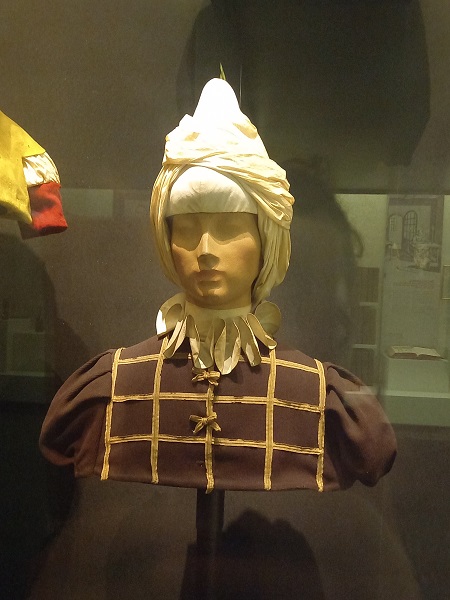
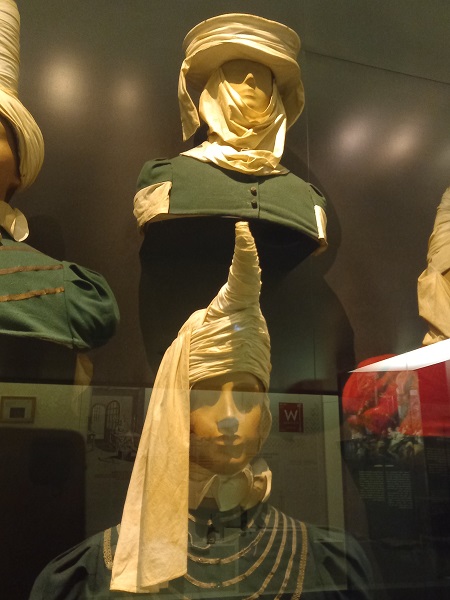
There was also a small costume and textile collection, so I got chance to photograph one of the costumes similar to those that had been in the folk art museum.

This really shows off all of the exceptional Cypriot needlework skills, from the metal embroidery on the velvet jacket, to the lace cuffs and embroidered skirt.

I then had a wander back to the city centre and a quick walk up the famous Ledra Street. As well as some more beautiful old buildings, this is where one of the border crossings are, and it is both interesting and quite bizarre.

I knew the crossing was there, but one minute you are walking past McDonalds and Starbucks and the next there is a little building with blue striped awnings that is a police checkpoint.

Just to the left is a bench with a mosaic Peace sign, which lots of people come to have their photo taken with.

It was a very sombre experience to see the checkpoint, after all that I have read about Cyprus and Nicosia, and is one part of the city I hope will not be around forever.

The city is also famous for still having its Venetian walls, they surround the city centre, and you can see the star points clearly on the map. Many of the spaces below the walls have been turned into parks as the walls themselves are enormous. I found this painting from Wikipedia of what they looked like originally. I love visiting the star forts that are found all over Europe so this was fascinating.
Of course there were also lots and lots of lovely doors, but since I am visiting the city again this week I shall save those treats until next time, as I may being adding to my collection! This is my last week in Larnaca, I am off to Paphos next for the final 10 days of my trip, where there will be even older things to marvel at.

Hope that you are all having a good week, whatever you are doing. Have fun, take care, stay safe and thanks for visiting.